
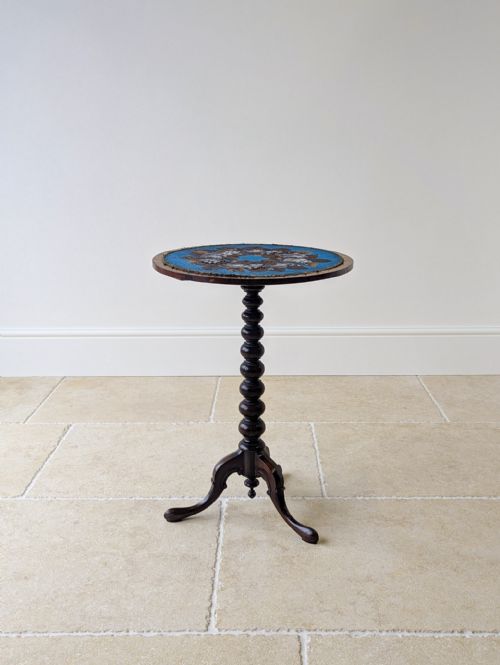


Victorian Needlework Stand
These Victorian needlework stand pieces combine practical domestic crafting with decorative ingenuity, offering a functional piece of history for the home.
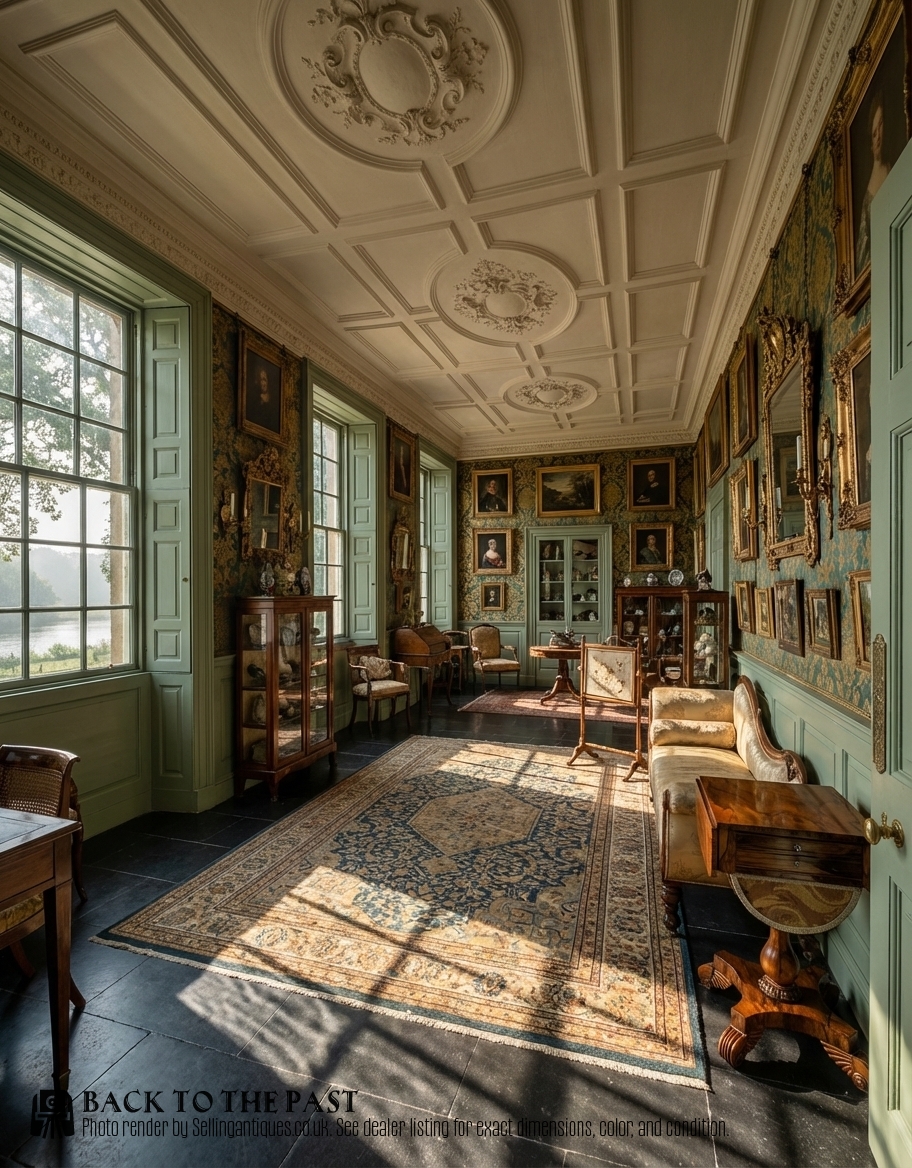
Victorian Needlework Stand
A victorian needlework stand encompasses a variety of functional furniture designed for domestic textile pursuits, including sewing tables, work tables, and tapestry frames. Buyers will frequently encounter rosewood and mahogany sewing pieces alongside upright pole screens and fireplace screens featuring embroidered panels.
The selection ranges from mid-century drop-leaf tables equipped for crafting to adjustable stretcher frames and carved stands from the later nineteenth century. Each item reflects the era's dedication to needlecraft, serving either as a dedicated workstation or an adjustable shield against hearth heat.
Materials and construction
Construction relies heavily on dense timbers such as rosewood and mahogany, often paired with intricate brass hardware and turned wooden supports. Cabinetmakers utilised these durable woods to build stable tripods, drop-leaf surfaces, and multi-compartment sewing boxes that withstood regular daily use.
Textile panels and decorative surfaces incorporate specialised materials including wool, silk, glass, and beadwork. Needlepoint and embroidery are integrated directly into frames and screens, showcasing traditional hand-stitched techniques preserved across the nineteenth century.
Listings feature periods spanning from the Regency era through the late Victorian decades, utilising rosewood, mahogany, and walnut.
Distinguishing quality
Quality in a victorian needlework stand is demonstrated through the crispness of timber carving, the stability of moving joints like drop-leaves or adjustable poles, and the intricacy of internal fitted compartments. Superior examples maintain structural integrity alongside well-preserved textile panels that display fine detail and secure stitching.
Finer pieces often exhibit better timber selection, such as richly grained rosewood or satinwood, paired with thoughtful proportions and sophisticated decorative motifs like those found in Rococo Revival or Anglo-Indian styles. Lesser examples show simpler joinery and standard secondary woods with minimal decorative embellishment.
The Victorian Needlework Stand Glossary
- Pole screen
- An upright vertical screen mounted on a tall wooden shaft with a tripod base, designed to be adjusted vertically to shield the face from the heat of an open fireplace. These often display mounted needlework or tapestry panels.
- Needlepoint
- A form of canvas work embroidery stitched with yarn using a tent stitch. It forms the decorative panels seen on firescreens and tapestry frames throughout the nineteenth century.
- Work table
- A specialised piece of furniture featuring internal compartments, drawers, or attached fabric bags for storing sewing supplies. They double as side tables and writing surfaces.
- Tapestry frame
- A wooden stretcher apparatus designed to hold fabric taut while the maker works on embroidery or needlepoint. Adjustable versions allow the artisan to alter the tension and angle of the textile.
- Beadwork
- The art of creating decorative patterns using small glass or ceramic beads sewn onto fabric. It frequently appears alongside traditional wool embroidery on mid-century domestic pieces.
Victorian Needlework Stand: Frequently Asked Questions
What is a victorian needlework stand used for?
These pieces were primarily utilised for storing sewing implements, holding embroidery in progress, or shielding faces from open hearth fires. They combined domestic utility with polite parlour display during the nineteenth century.
Today, buyers use them as decorative side tables, display stands for textiles, or functional workspaces for modern craft projects.
How do I date a sewing table?
Dating relies on identifying timber choices, stylistic markers, and mechanical fittings. Early pieces often display Regency or William IV architectural lines, while mid-century examples favour rosewood and elaborate turnings.
Later Victorian items introduce walnut and satinwood with distinct carving styles. Comparing the secondary woods and joint construction helps narrow down the decade.
Can I use a pole screen today?
Pole screens remain fully functional and fit easily into contemporary living rooms as decorative accents. The adjustable mechanism still allows the embroidered panel to move up and down the shaft.
They work well placed beside armchairs or in corners where textile art can be appreciated without obstruction.
What is the difference between a work table and a sewing table?
The terms are often used interchangeably to describe nineteenth-century furniture built for domestic crafts. Both typically incorporate drawers, compartments, or hanging fabric bags for thread and needles.
Specific variations depend on whether the top lifts for storage, drops its leaves, or tilts to hold a reading surface.