

Victorian Needlepoint Chair
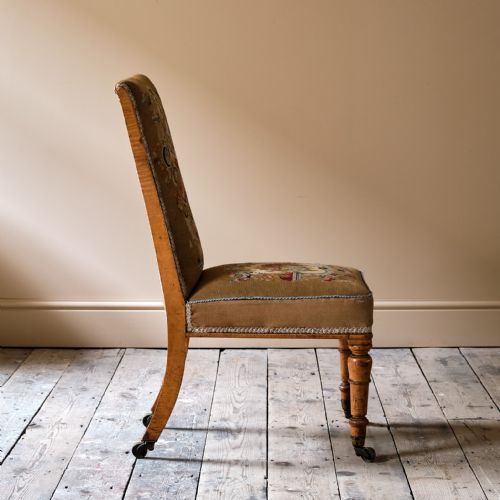
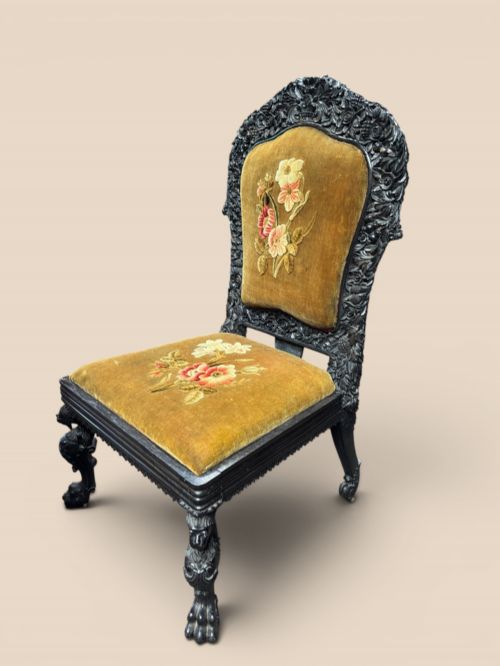
A victorian needlepoint chair brings tactile depth to a room through dense woolwork upholstery and sturdy nineteenth-century timber frames.
Victorian Needlepoint Chair
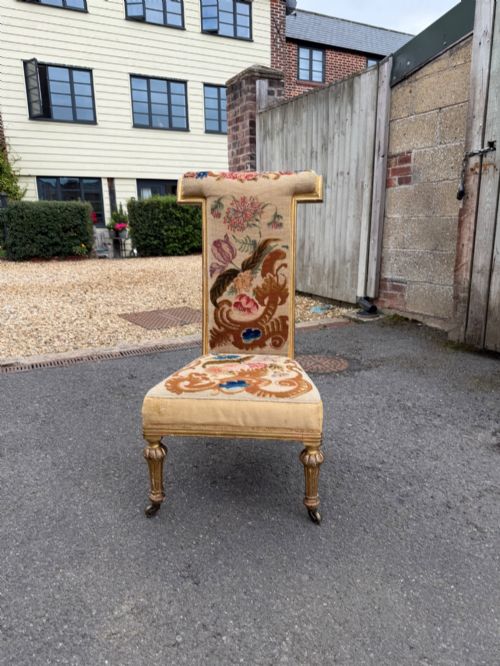
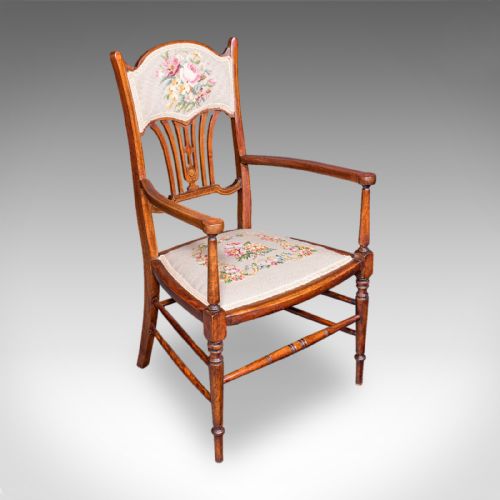
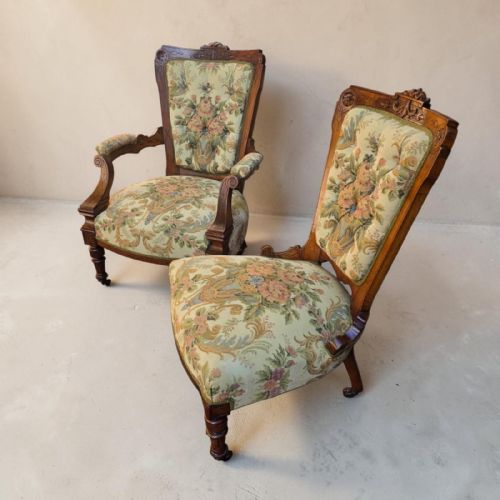
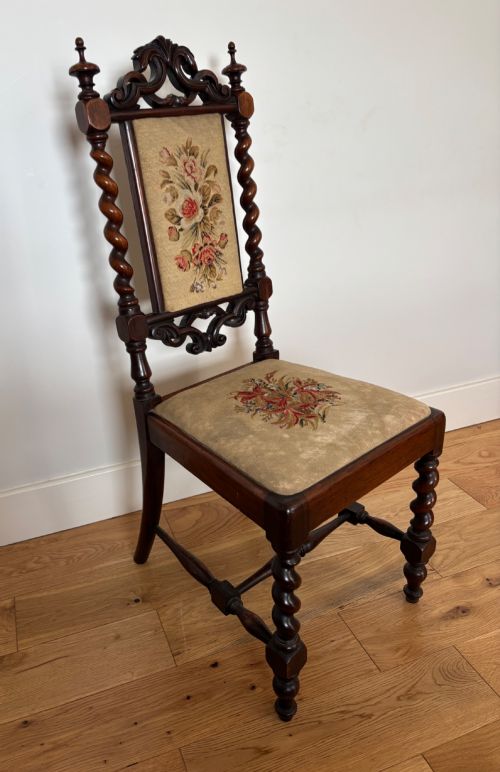
A victorian needlepoint chair encompasses a wide variety of seating forms, ranging from low-slung nursing chairs and spoon-back armchairs to compact prie-dieu prayer seats.
Buyers seeking this specific phrase will most frequently encounter walnut, mahogany, or rosewood frames paired with hand-worked tapestry or wool needlework seats.
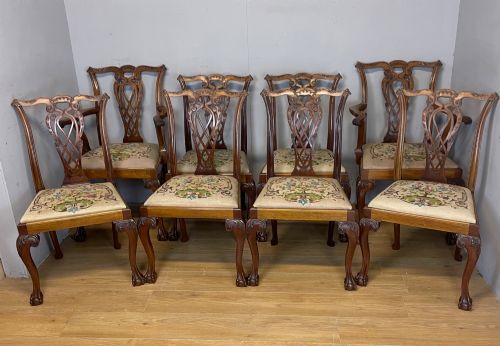
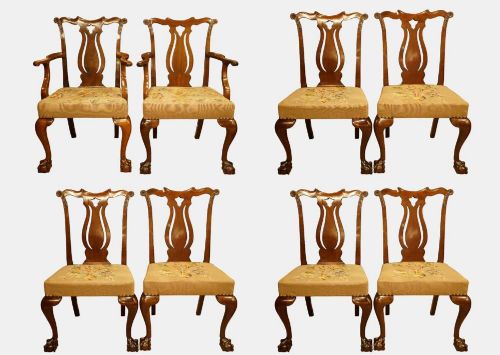
The assortment extends across various stylistic revivals, including rococo, gothic, and chipendale influences, reflecting the eclectic tastes of the nineteenth century.
Materials and Construction
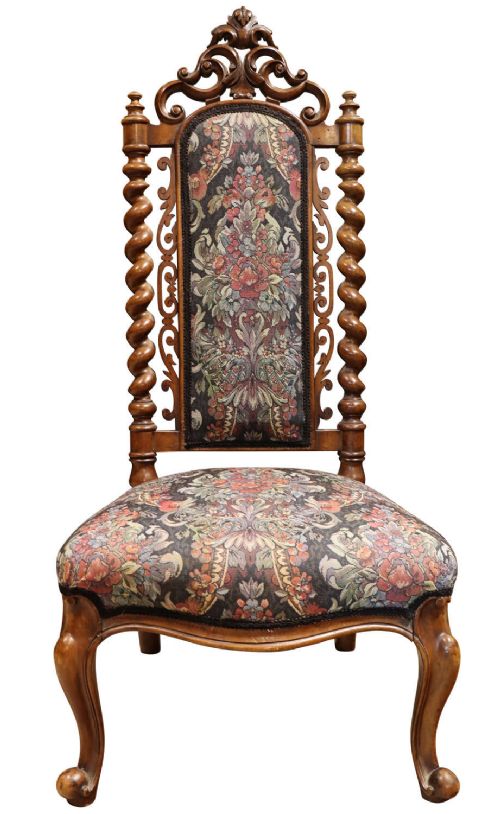
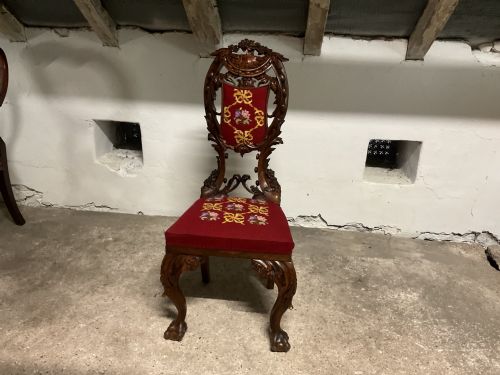
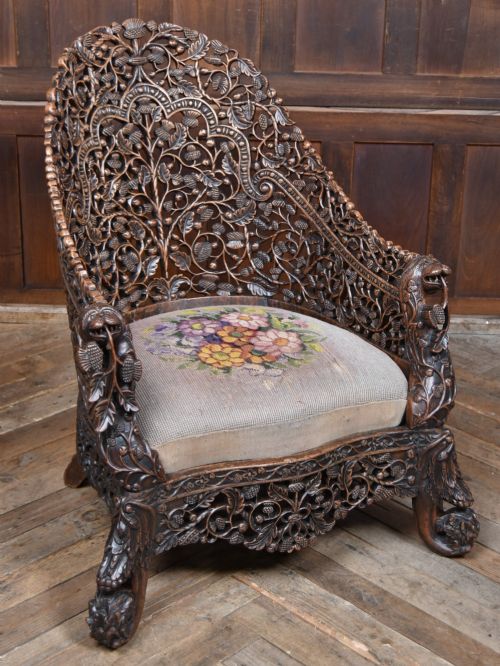
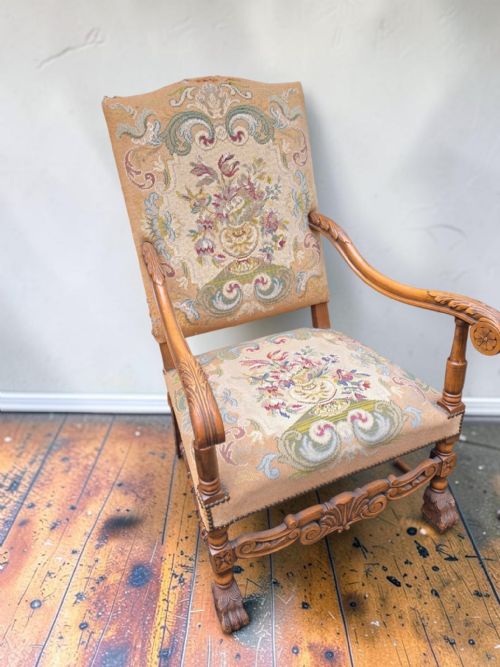
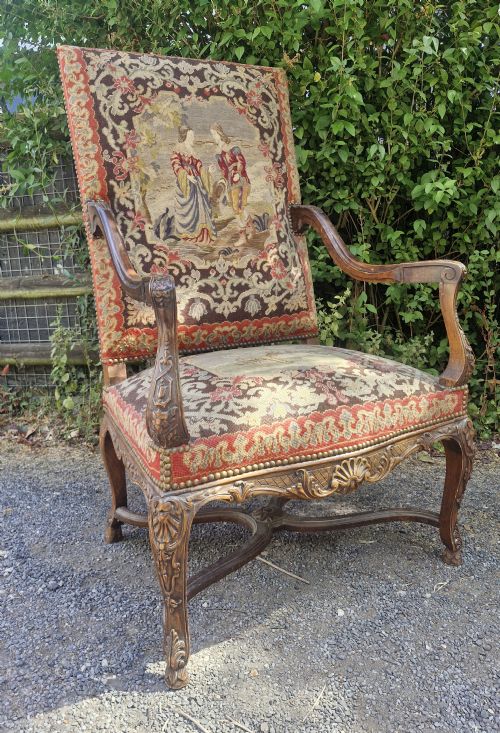
Frames are constructed from dense hardwoods such as walnut, rosewood, and mahogany, often shaped with elaborate hand-carving along the crest rails and cabriole legs.
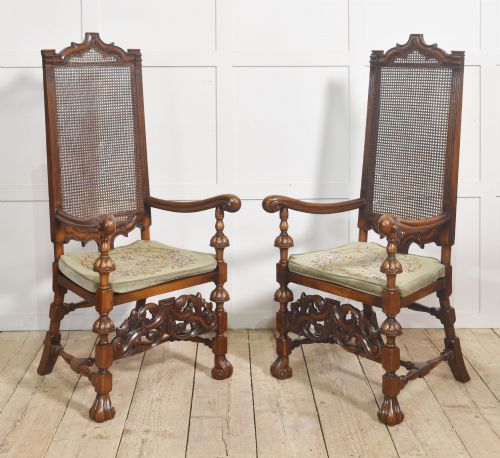
Upholstery relies on durable wool and tapestry textiles worked in needlepoint or petit point, secured over traditional stuffing and webbing.
Victorian Needlepoint Chair Retail Price Guide 2026
Typical asking prices for victorian needlepoint chair among the pieces listed under this phrase on Sellingantiques today, from the lower quarter to the upper quarter. They describe what is for sale here now, not the wider market.
Listings feature timbers including walnut, mahogany, rosewood, oak, and ebony paired with wool and tapestry textiles.
Assessing Quality
The refinement of the timber carving and the tightness of the joinery set superior examples apart from standard production pieces.
The density and intricacy of the wool needlework indicate the maker's investment of time and skill, alongside the original integrity of the timber frame.
Warings·R Whytock of Edinburgh·Holland and Sons·Gillows
The Victorian Needlepoint Chair Glossary
- Needlepoint
- A type of counted thread embroidery stitched over canvas mesh. It forms the durable, patterned pictorial seats seen on nineteenth-century seating.
- Prie-Dieu
- A low devotional chair featuring a high back designed for kneeling or leaning during prayer. These often surface from the mid-nineteenth century.
- Spoon-back
- An upholstered chair back shaped in a concave oval resembling the bowl of a spoon. This contour fits the human form comfortably.
- Cabriole leg
- A furniture leg that curves outward in a convex arc and tapers inward in a concave arc to a pad or scroll foot.
Victorian Needlepoint Chair: Frequently Asked Questions
What is a prie-dieu chair?
A prie-dieu chair is a specialised devotional seat featuring a tall, narrow back designed for kneeling or leaning while praying. They date predominantly to the mid-nineteenth century and include needlepoint upholstery.
These chairs served practical uses in Victorian bedrooms and private chapels before transitioning into decorative salon seating.
How do I identify a nursing chair?
Nursing chairs sit lower to the floor than standard dining or parlor chairs. They feature open or low-set arms to accommodate the voluminous skirts worn by women during the nineteenth century.
Their compact proportions and upholstered needlepoint backs make them suitable for modern bedroom or fireside placement.
Are needlepoint seats original?
Many pieces retain their hand-stitched wool tapestry covers, which exhibit the natural wear and fading expected from age. Original needlepoint adds historical value to walnut and rosewood frames.
Careful inspection of the canvas reverse and tacking reveals whether the textile dates to the original period of manufacture.
Which woods were used?
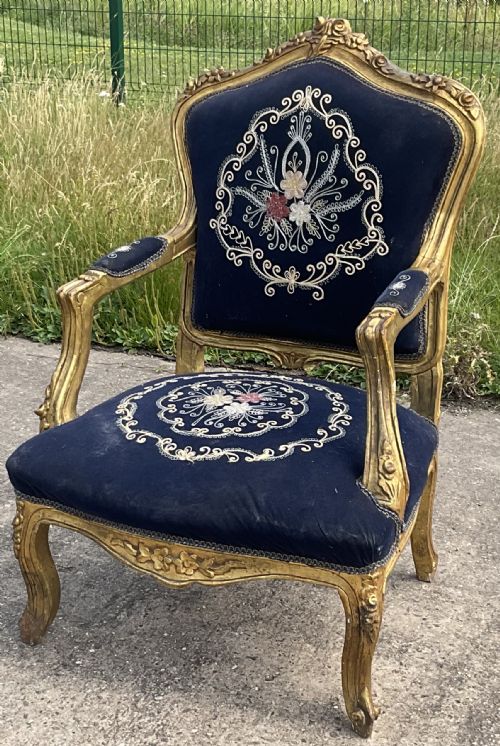
Cabinetmakers utilised dense native and imported hardwoods including mahogany, walnut, rosewood, and oak. Softer woods like beech appear occasionally in painted or gilded parlor frames.
Dark timber tones dominated the nineteenth century, matching the heavy textiles and needlework popular in Victorian interiors.