


Victorian Narrative Wall Art
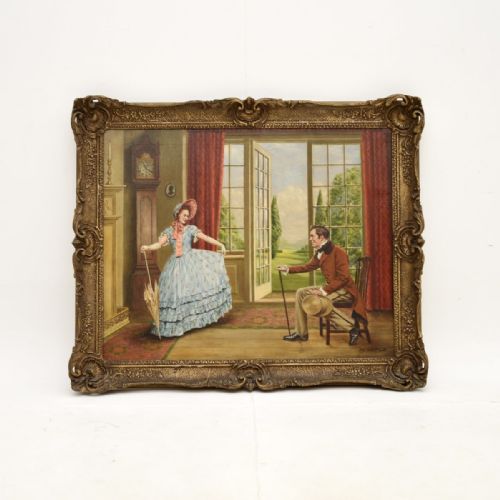
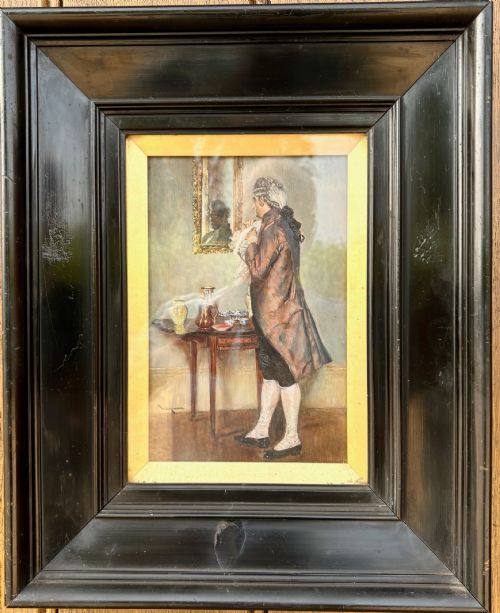
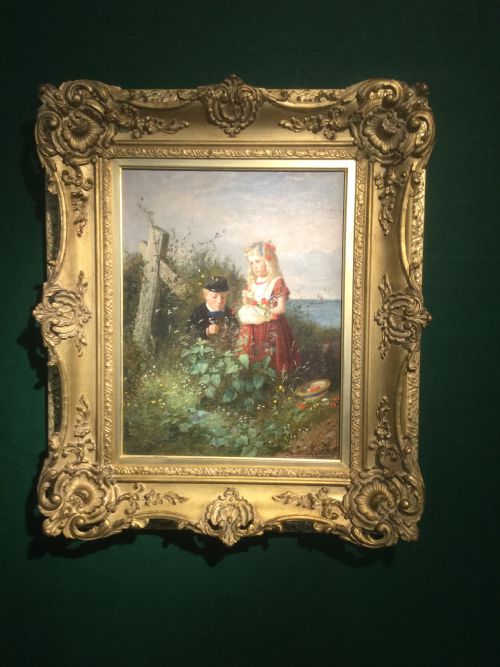
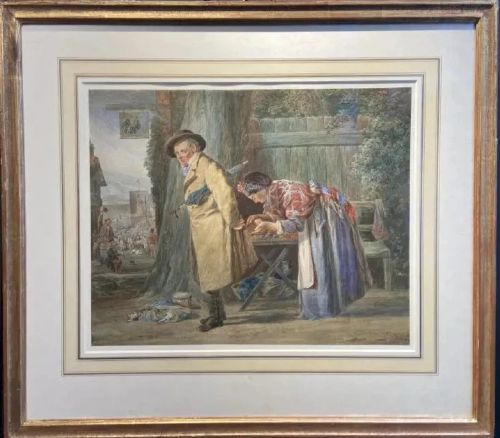
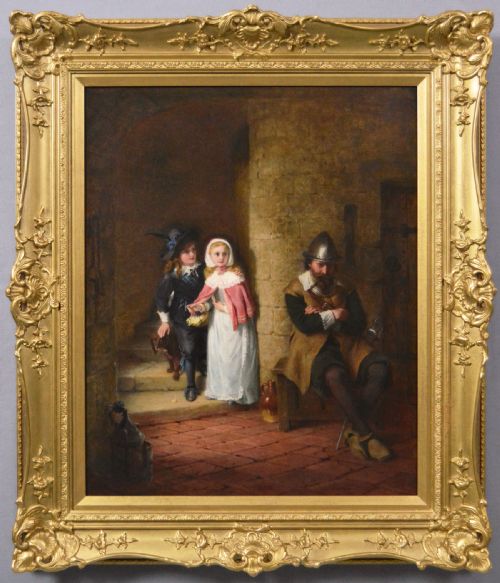
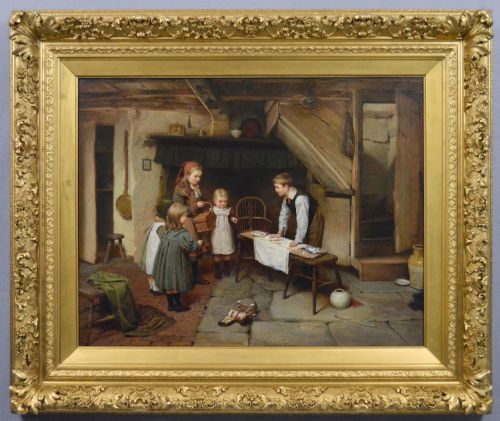
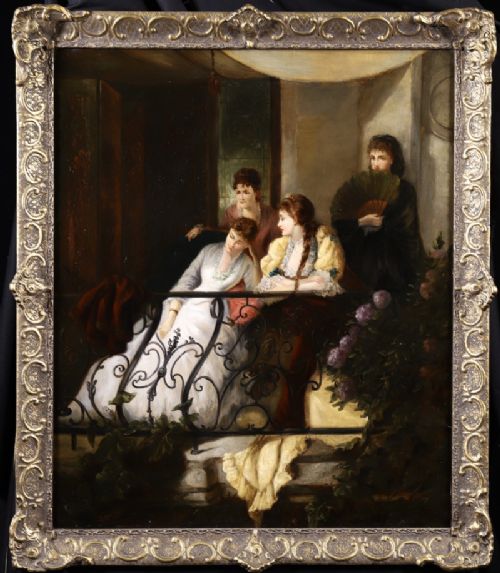
Step into the past with victorian narrative wall art, where every painted canvas and framed engraving tells a story of domestic life, history, and literature.
Victorian Narrative Wall Art
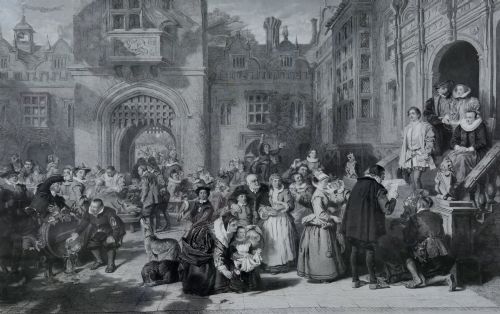
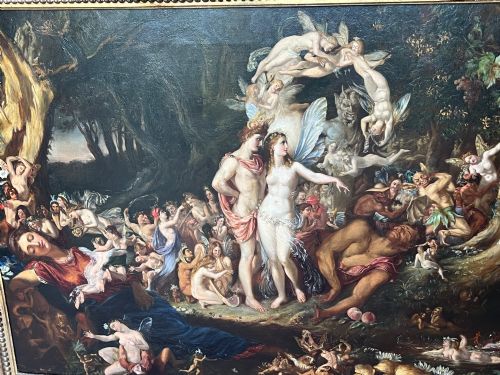
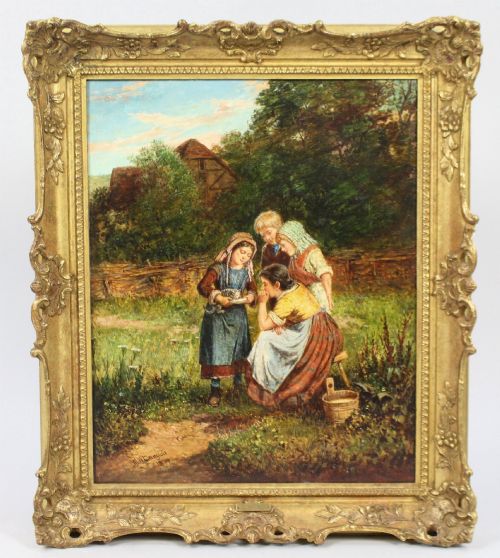
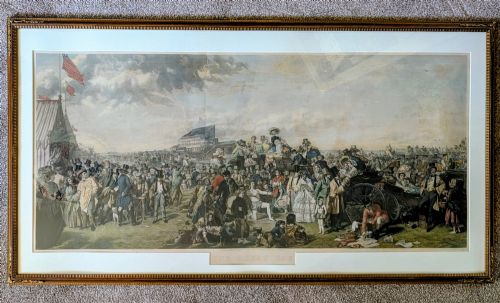
When searching for victorian narrative wall art, buyers encounter pieces that tell a visual story, ranging from literary scenes to domestic interiors and historical events. These works capture human drama, social history, and everyday moments through detailed painted canvases and framed prints.
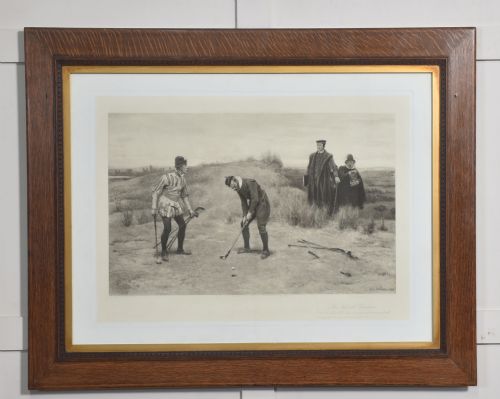
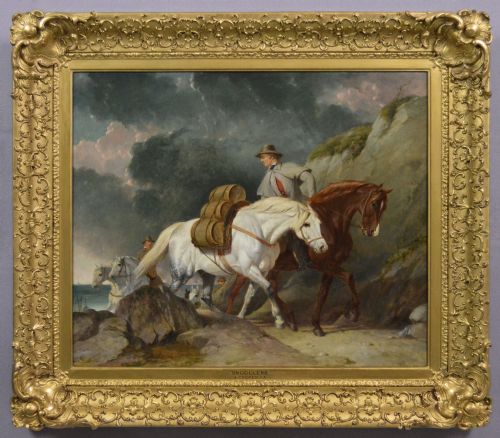
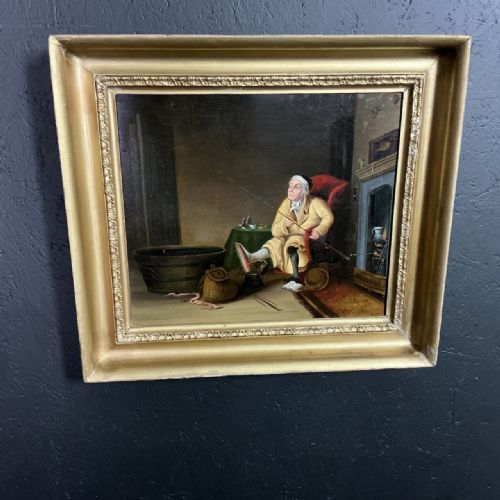
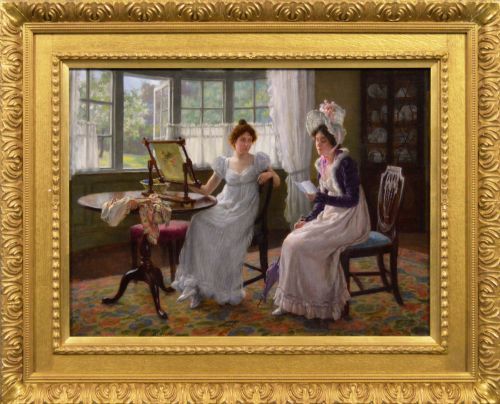
The selection on this page relies heavily on nineteenth-century oil paintings on canvas, panel, and board, alongside framed engravings, lithographs, and textile art. Works span from the mid-nineteenth century into the early twentieth century, reflecting the broad scope of Victorian and Edwardian visual storytelling.
Materials and construction
Makers utilised oil paint on canvas, panel, and board, often pairing these paintings with wood, giltwood, or burr maple frames that completed the presentation. Engravings and lithographs on paper were combined with glass and heavy timber frames to protect the delicate printed surface.
Techniques ranged from fine brushwork in oil to detailed engraving and needlepoint tapestry work. Original Hogarth frames and carved wooden surrounds frequently accompany these narrative works, maintaining the period aesthetic.
Victorian Narrative Wall Art Retail Price Guide 2026
Typical asking prices for victorian narrative wall art among the pieces listed under this phrase on Sellingantiques today, from the lower quarter to the upper quarter. They describe what is for sale here now, not the wider market.
Listings feature works from the nineteenth and early twentieth centuries, executed in oil paint, engraving, watercolour, and textile art.
Markers of distinction
Quality rests in the handling of the narrative and the expressiveness of the figures within the scene, distinguishing deeply observed social and historical paintings from routine commercial production. The fidelity of the original composition and the condition of the painted surface dictate the standing of a piece.
The preservation of the original frame, whether giltwood, oak, or burr maple, adds integrity to the work. Pieces retaining their original signed attribution or clear provenance carry greater weight among collectors.
Sir Joseph Noel Paton·Felix Stone Moscheles·Stephen Samuel Lewin·Mark William Langlois·William Powell Frith·Alfred Lyndon Grace·W.D. Almond·Joseph H Barnes·Charles Hunt·Abraham Cooper·Delapoer Downing·John A. Monteith·Harry Brooker·John Arthur Lomax·George Bernard O'Neill·Charles Haigh Wood·Haynes King·Léon Joseph Voirin·Edwin Hughes·Alfred Holst Tourrier·Arthur Longley Vernon·John A. Houston·Frank Hyde·Gilbert Scott Wright·John Henry Dell
The Victorian Narrative Wall Art Glossary
- Genre painting
- Depiction of aspects of everyday life by depicting ordinary people engaged in common activities. These scenes form a large portion of the narrative works available.
- Engraving
- A printmaking technique where an image is incised into a metal plate, allowing multiple impressions on paper. Many nineteenth-century narrative scenes survive in this printed format.
- Giltwood
- Wood carved and covered with a thin layer of gold leaf. Frames finished in this manner frequently house significant oil paintings.
- Social realism
- An artistic movement that highlights the everyday conditions of the working classes and the poor. Works in this style document social history through narrative composition.
- Needlepoint
- A type of canvas work embroidery stitched by hand. Examples include pictorial tapestries depicting historical or mourning scenes.
Victorian Narrative Wall Art: Frequently Asked Questions
What subjects appear most often?
The subjects span literary adaptations, historical events, domestic interiors, and scenes of everyday country and tavern life. Figures caught in moments of drama or quiet reflection dominate the painted canvases.
Religious narratives and theatrical moments also surface frequently across the oil paintings and framed prints.
How should these framed works be hung?
These pieces require stable wall space away from direct sunlight to protect oil paint and paper prints from fading. Matching the heavy wooden, giltwood, or burr maple frames to a supportive wall ensures safe display.
Ensuring adequate spacing allows each narrative scene to be viewed clearly without visual clutter from surrounding pieces.
Are the frames original to the pieces?
Many works retain their period surrounds, such as Hogarth frames, carved wooden mouldings, or giltwood borders. These frames were selected to complement the specific narrative tone of the artwork.
Examining the backboards and joinery helps determine if the frame has kept company with the canvas or print over the decades.
How do I identify a genre painting?
Genre paintings focus on ordinary people in non-idealised, everyday situations rather than grand historical or mythological subjects. Look for cottage interiors, tavern gatherings, and children at play.
These domestic vignettes tell stories about the social habits and daily routines of past centuries.