



Oak and Gilt Framed Artwork
These oak and gilt framed artwork pieces combine warm timber grain with burnished gold leaf, offering interiors a classic and grounded focal point.
Oak and Gilt Framed Artwork
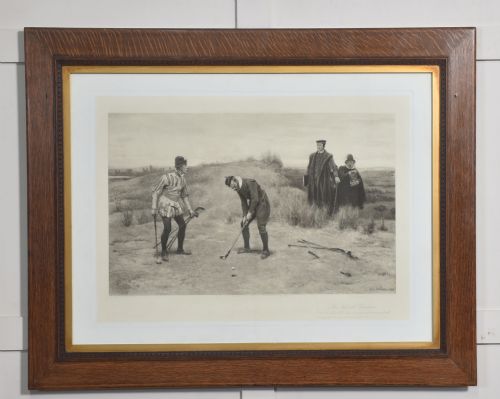
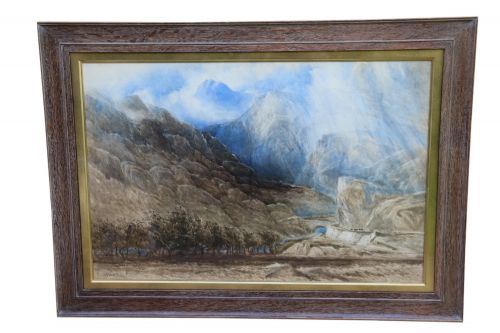
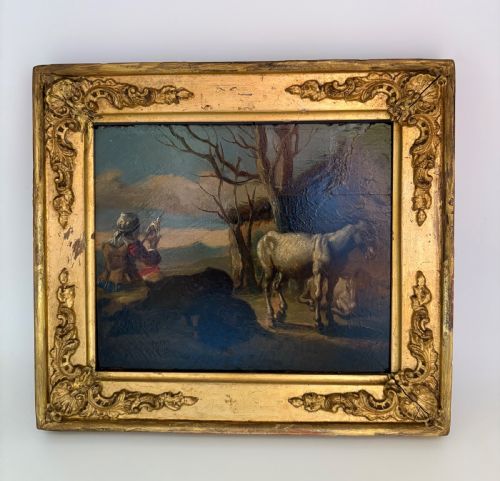
Buyers seeking oak and gilt framed artwork encounter a varied selection of paintings, watercolours, engravings and panel works originating from the eighteenth, nineteenth and early twentieth centuries. These pieces encompass diverse subjects ranging from pastoral landscapes and maritime scenes to floral still lifes and animal portraits executed by British and continental hands.
The most frequent examples on this page pair sturdy wooden frames in oak with applied gold leaf or gilt finishes enclosing oil paintings on panel or works on paper under glass. Such items reflect periods including the Victorian era, the eighteenth century and various continental schools.
How they were made
Makers constructed these works using solid oak panels or paper supports for watercolours and engravings, applying oil or watercolour pigments by hand. Frames were fashioned from timber and finished with layers of gold leaf or gilt to highlight moulded profiles.
Artisans secured panels within heavy wooden surrounds, often incorporating protective glass over delicate watercolours and paper engravings to preserve the media against environmental wear.
Oak and Gilt Framed Artwork Retail Price Guide 2026
Typical asking prices for oak and gilt framed artwork among the pieces listed under this phrase on Sellingantiques today, from the lower quarter to the upper quarter. They describe what is for sale here now, not the wider market.
Current listings span the eighteenth to the early twentieth centuries, featuring oil on oak panel, watercolour and paper engraving materials.
What varies in quality
The calibre of an oak and gilt framed artwork rests upon the skill evident in the brushwork or engraving execution and the preservation of the original gilt surface on the timber frame. Finer examples display confident handling of light and subject matter alongside crisp moulding details in the frame.
Degree of original material survival dictates distinction, as works retaining their early oak panels and undisturbed gold leaf demonstrate greater integrity than those with heavily restored surfaces.
J. C. Dollman·Henry Martin Pope·Philipp Peter Roos·Henry Birtles
The Oak and Gilt Framed Artwork Glossary
- Oak
- A dense, durable hardwood utilised for furniture and picture panels, showing prominent grain patterns. It provides a robust structural base for early paintings.
- Gilt
- A thin layer of gold or gold-like material applied to the surface of wood frames. This finish enhances decorative impact by catching ambient light.
- Watercolour
- A paint method where coloured pigments are suspended in a water-soluble binder on paper supports. These works require glass protection.
- Panel
- A flat piece of wood, frequently oak, used as a rigid surface for oil paintings. Panels predate canvas popularity in many older traditions.
- Engraving
- A printmaking technique where an image is incised into a metal plate and transferred to paper. This method produces fine, precise lines.
Oak and Gilt Framed Artwork: Frequently Asked Questions
How do I date an oak panel painting?
Dating relies upon examining the preparation of the wood, tool marks on the reverse and the stylistic conventions of the painted subject. Pigment analysis and panel construction methods offer further chronological indicators.
Comparison with documented works from similar continental or British schools helps narrow the period of creation.
Are these frames original to the artwork?
Many pieces retain frames contemporary to their creation, though framing practices shifted across centuries as styles evolved. Original pairings exhibit matching signs of age and wear across both the art and the surround.
Subsequent reframing occurred frequently to suit changing interior fashions or protect vulnerable edges.
How should I care for gilt frames?
Gilt surfaces require gentle dusting with a soft, dry brush to prevent the accumulation of abrasive particles. Avoid liquid cleaners, which can damage the delicate gold leaf layer.
Keep pieces away from direct sunlight and moisture fluctuations to protect both the timber frame and the artwork within.
What subjects are typical in these works?
The selection includes pastoral landscapes, animal studies, maritime views and floral still lifes executed by various European schools. These themes reflect popular tastes of the eighteenth and nineteenth centuries.
Artists frequently drew inspiration from natural surroundings and agricultural life.