


Victorian Mountain Wall Painting
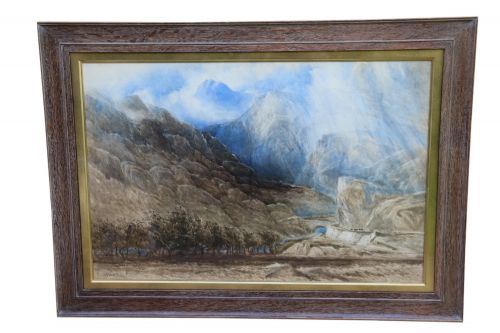
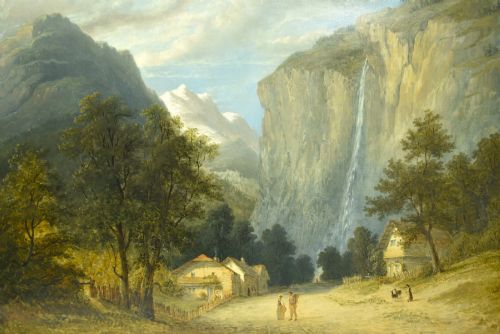
A victorian mountain wall painting brings the dramatic heights of Scotland, Wales and the Alps straight into the domestic interior.
Victorian Mountain Wall Painting
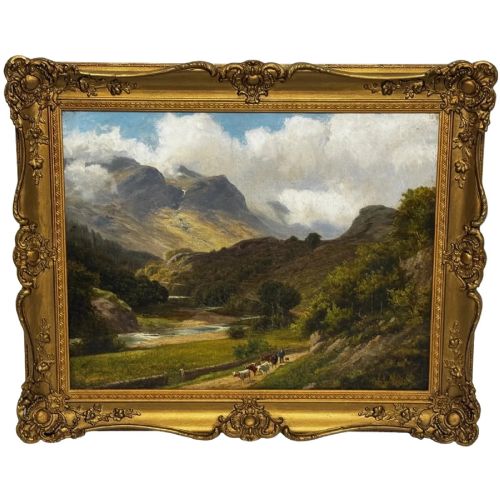
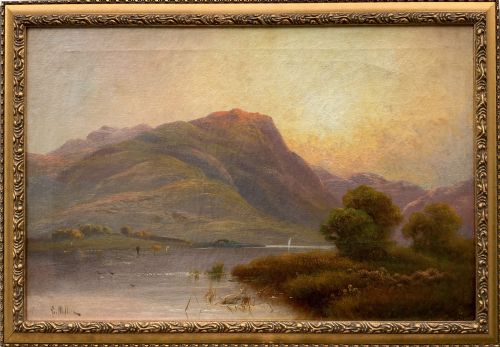
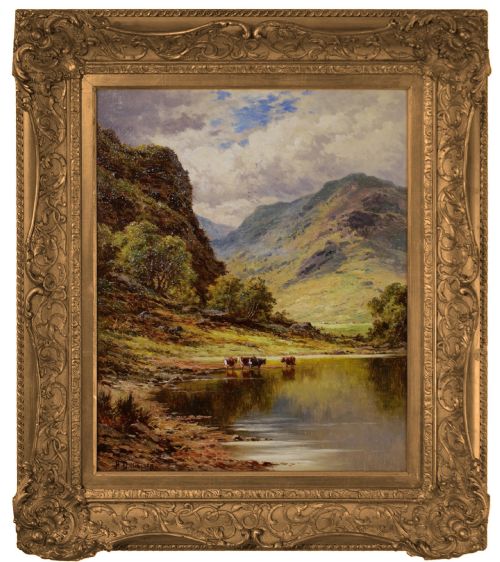
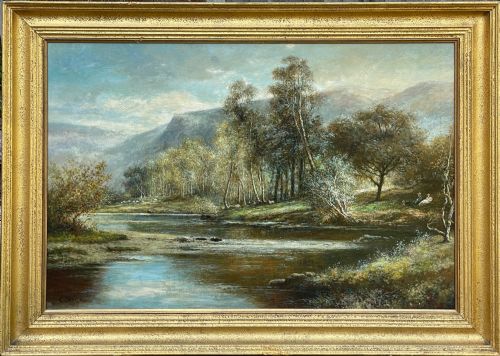
A victorian mountain wall painting typically captures towering peaks, remote highland glens, and cascading waterfalls across British and European topography. These works emerge predominantly from the nineteenth century, aligning with the rise of romanticism and landscape fine art.
Buyers encounter oil on canvas, oil on panel, and delicate watercolours depicting specific locations such as Snowdonia, the Scottish Highlands, and Swiss valleys. Many pieces record recognizable regional views populated by cattle, sheep, or solitary figures near rivers and lakes.
The aesthetic prioritises atmospheric weather effects, ranging from calm sunset loughs to dramatic storms over rugged crags. Such compositions reflect the period's profound fascination with untamed natural scenery and picturesque grandeur.
Materials and Construction
Artists of this period applied oil paint onto stretched canvas or wooden panels, building up rich textures to render rock surfaces and deep water. Watercolours on paper offer a lighter, more translucent alternative for capturing alpine mists and mountain passes.
Surviving canvases frequently retain their original giltwood and gesso frames, which provide heavy ornamentation designed to complement the monumental scale of the landscape within. The integration of canvas, wood, and gilded plaster defines the physical makeup of these works.
The selection includes works dated from 1850 through 1920, executed in oil on canvas and watercolour on paper.
Distinctions in Quality
Quality rests upon the artist's ability to handle light and atmospheric depth, distinguishing accomplished academic output from formulaic studio production. Stronger works demonstrate confident brushwork in rendering geological strata and shifting weather.
The integrity of the original support and the condition of the pigment layer influence overall merit. Pieces retaining their period giltwood frames with minimal restoration command greater interest from collectors.
William Beattie-Brown RSA·Henry Martin Pope·Sidney Richard Percy·Thomas Spinks·Alfred de Breanski·William Henry Mander
The Victorian Mountain Wall Painting Glossary
- Giltwood
- Wood carved and covered with a thin layer of gold leaf. This material forms the ornate frames standard to nineteenth-century fine art.
- Gesso
- A plaster mixture applied to wooden frames as a base for gilding. It allows for intricate moulded details that accent large landscape canvases.
- Romanticism
- An artistic movement emphasising emotion, individualism, and awe of nature. This philosophy underpins the dramatic mountain scenes popular in the Victorian era.
- Watercolour
- A painting method where fine pigment is suspended in water-soluble binders on paper. It creates luminous depictions of mountain lakes and skies.
Victorian Mountain Wall Painting: Frequently Asked Questions
Where were these paintings hung originally?
Victorian households placed these large landscapes in formal reception rooms and drawing rooms to signal cultural appreciation and wealth.
The generous scale of the canvases required substantial wall space, often serving as the visual anchor of a domestic interior.
How do I identify a Scottish scene?
Artists inscribed specific regional identifiers such as lochs, glens, and named peaks directly onto the canvas reverse or framing.
The presence of Highland cattle, heather-clad moorland, and distinct rocky silhouettes further confirms a Scottish provenance.
Are these works signed by the artist?
Many examples feature the artist's signature or monogram, frequently placed discreetly in a lower corner near a path or river.
Unsigned pieces still appear regularly, attributed through stylistic comparison with documented works from the same decade.
How should I frame an unmounted canvas?
Selecting a period-appropriate giltwood moulding ensures the artwork sits within a historically sympathetic aesthetic boundary.
Professional framers use conservation-grade materials behind the canvas to prevent sagging and environmental damage.