





Victorian Moulded Frame Mirror
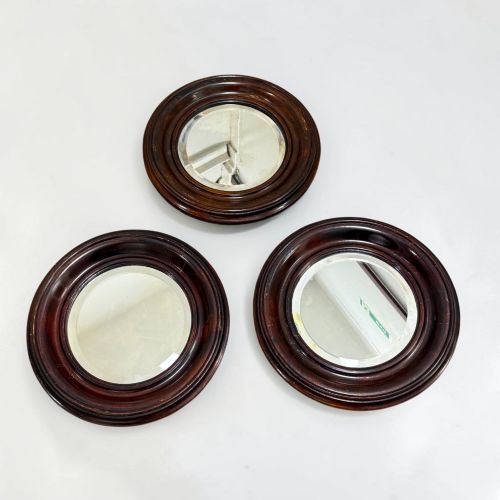
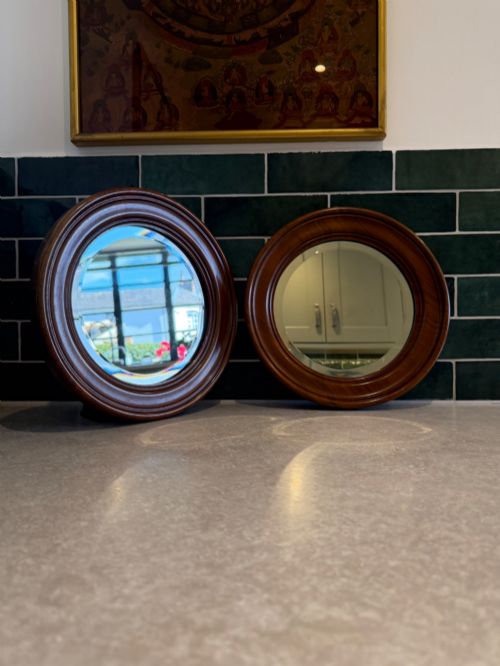
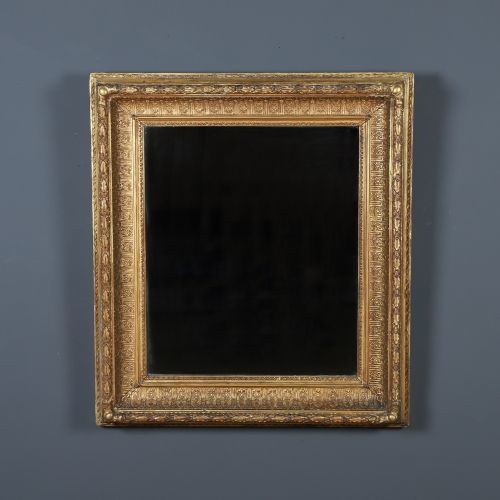
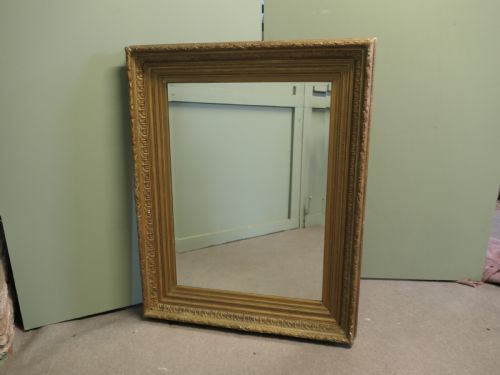
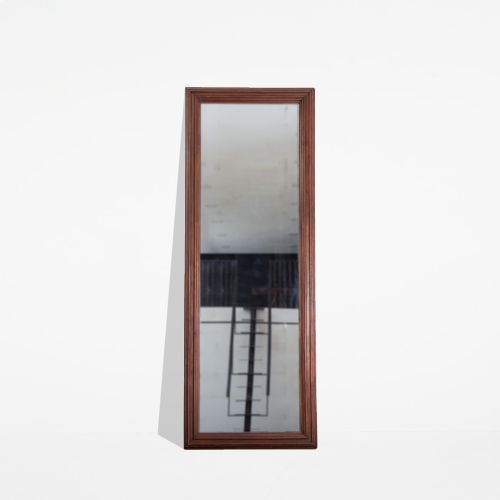
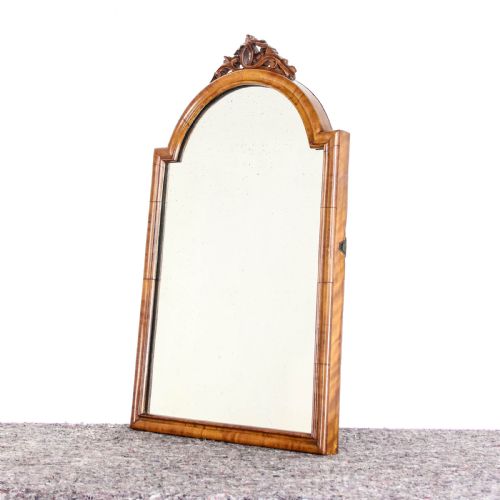
A victorian moulded frame mirror brings depth and character to a room through solid timber, carved gesso, and gleaming mercury or bevelled glass.
Victorian Moulded Frame Mirror
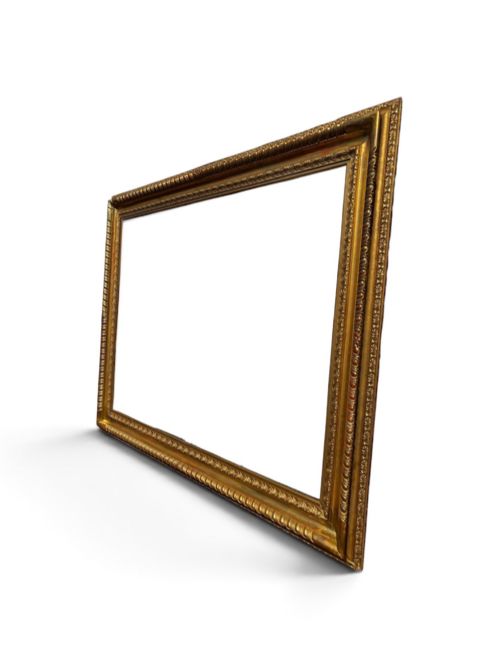
A victorian moulded frame mirror encompasses wall-hung pieces, overmantels, and deep picture frames adapted for glass, originating across the nineteenth century. The selection ranges from compact halls and boudoir pieces to grand, room-anchoring overmantels designed to reflect light and expand interior space.
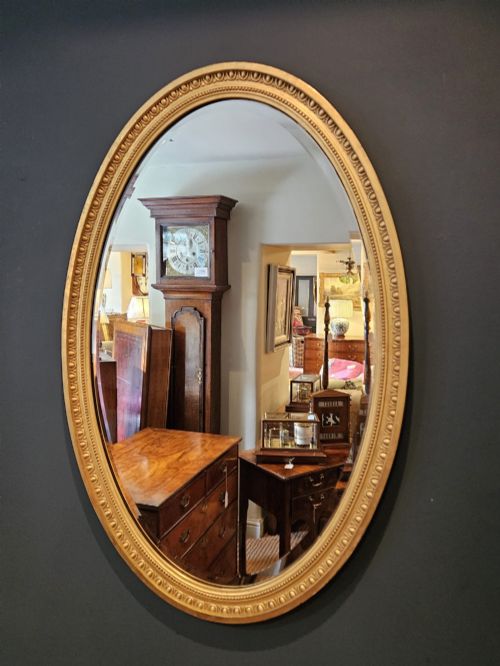
Makers utilised timber, plaster, and composition to build substantial profiles, often applying rich gilding or retaining natural grain. Pieces emerge in styles from restrained neoclassical layouts to exuberant rococo revival and Flemish revival forms.
Buyers encounter walnut, mahogany, maple, and oak alongside heavily gilded gesso surfaces. The architectural moulding creates strong shadow lines that distinguish these nineteenth-century items from later reproductions.
Materials and Construction
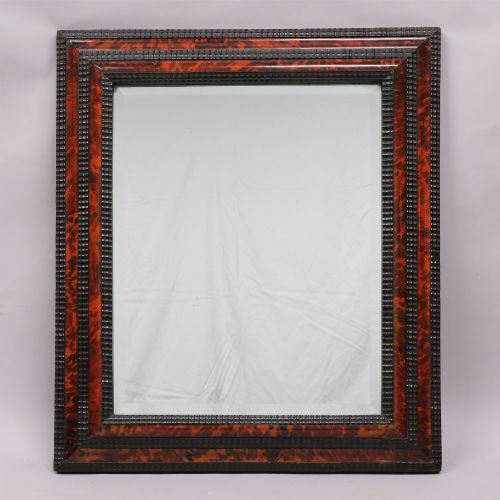
Frames rely on solid woods such as walnut, mahogany, and oak, sometimes finished with fine ebony or tortoiseshell veneers. These timbers provide the stable structural core necessary to support heavy glass plates.
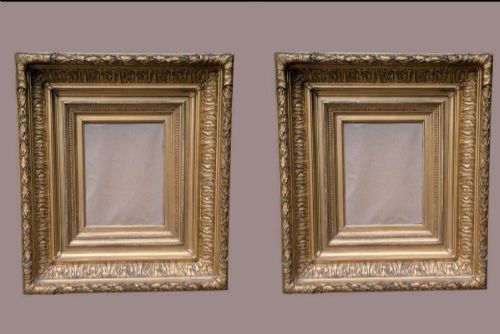
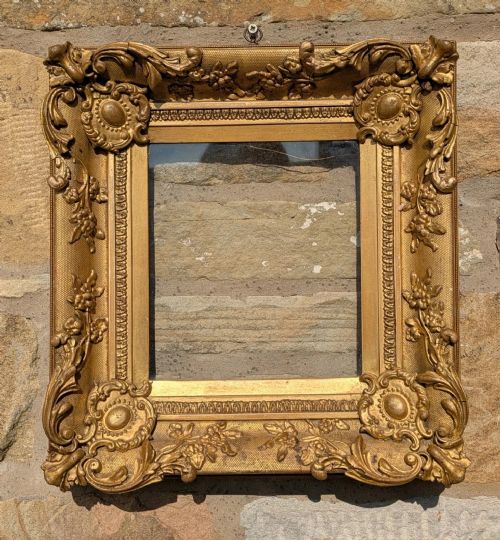
Gesso and composition ornaments are built up over wooden carcases to create intricate acanthus leaves, ripple patterns, and classical motifs. Artisans then applied gold leaf or metallic paint to the prepared plaster grounds, securing a brilliant reflective surface.
Mirror glass is held securely within the rebate, frequently backed by original wooden panels and secured with traditional fixings. Bevelled edges and aged silvering appear across the period output, showing the hand-beveling techniques of the era.
Victorian Moulded Frame Mirror Retail Price Guide 2026
Typical asking prices for victorian moulded frame mirror among the pieces listed under this phrase on Sellingantiques today, from the lower quarter to the upper quarter. They describe what is for sale here now, not the wider market.
The selection includes architectural overmantles, hallway wall mirrors, oval plaster pieces, and deep picture frames adapted to hold glass.
Factors That Determine Quality
Quality rests in the crispness of the moulding and the depth of the carved or composition ornament. Superior examples display sharp relief in the acanthus leaves and clean definition along ripple profiles without softening of detail.
The choice of primary material elevates a piece, with figured walnut, dense mahogany, and genuine gold leaf holding greater presence than secondary pine or plain metallic paint. Original glass plates with honest age enhance the integrity of the object.
Construction methods reveal the hand of the maker through tight corner joints, sturdy backing boards, and well-applied grounds that resist heavy cracking over decades of atmospheric change.
The Victorian Moulded Frame Mirror Glossary
- Gesso
- A plaster mixture applied to wood frames as a base for gilding or painting. It is built up in thin layers and can be carved or stamped with decorative motifs.
- Giltwood
- Timber that has been coated with thin sheets of gold leaf over a prepared bole and gesso ground. This technique creates a warm, enduring metallic lustre.
- Overmantle mirror
- A large horizontal mirror designed specifically to hang above a fireplace mantelpiece. These pieces often feature architectural arches and substantial moulded frames.
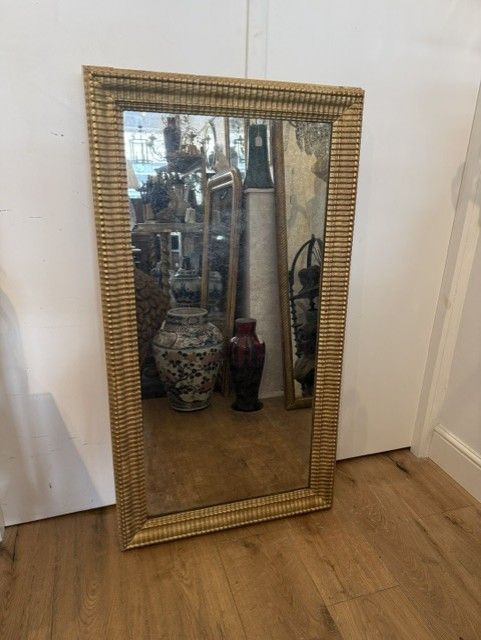
- Ripple frame
- A frame featuring concentric undulating wave profiles created by specialised woodworking machinery in the nineteenth century. It frames the glass with hypnotic, rhythmic wooden ridges.
- Composition
- A moulded mixture of whiting, resin, glue, and oil pressed into metal or wooden dies. It allowed makers to produce intricate decorative ornaments rapidly for Victorian frames.
Victorian Moulded Frame Mirror: Frequently Asked Questions
Are the mirror plates original?
Many Victorian pieces retain their original glass, which often exhibits characteristic foxing, light speckling, or subtle distortions caused by early manufacturing methods. These gentle imperfections confirm the age and authenticity of the piece.
Replacement glass does occur in pieces of this age, usually identifiable by a lack of ageing marks and perfectly clear, modern float glass characteristics.
How should I clean a gilded frame?
Dust gilded gesso surfaces gently with a very soft, dry brush to remove settled particles without disturbing the delicate metallic leaf. Avoid moisture and chemical cleaning agents entirely, as water lifts water-gilt finishes instantly.
Glass panels can be cleaned with a small amount of glass cleaner applied to a cloth rather than sprayed directly, preventing liquid from seeping behind the rebate.
What is the difference between an overmantle and a wall mirror?
Overmantle mirrors are traditionally wider than they are tall, proportioned to sit comfortably above a fireplace hearth and reflect the room's interior. Wall mirrors are more versatile in scale, manufactured in vertical, square, or oval formats to suit hallways and living spaces.
Both share the robust moulded construction typical of the era, but their original placements dictated their distinct proportions.