
Victorian Mirrored Stand
A Victorian mirrored stand brings deep mahogany, polished brass, and clear glass together to reflect light and anchor an entrance or dressing room.
Victorian Mirrored Stand
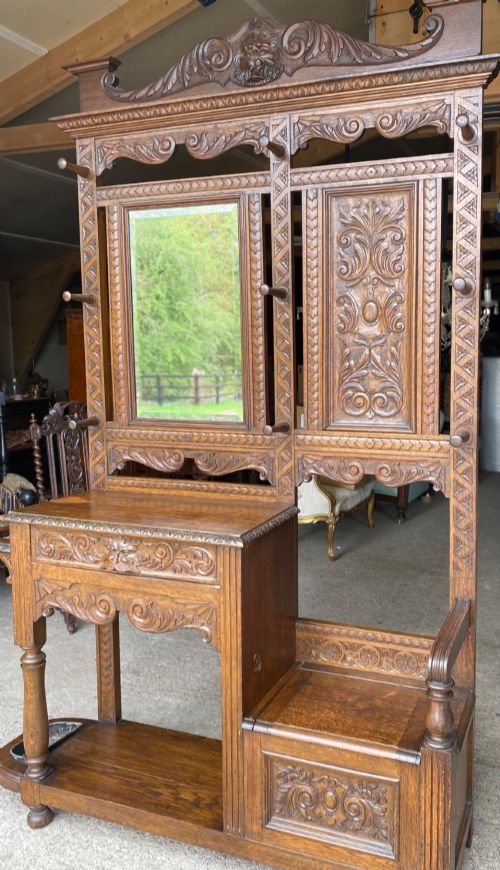
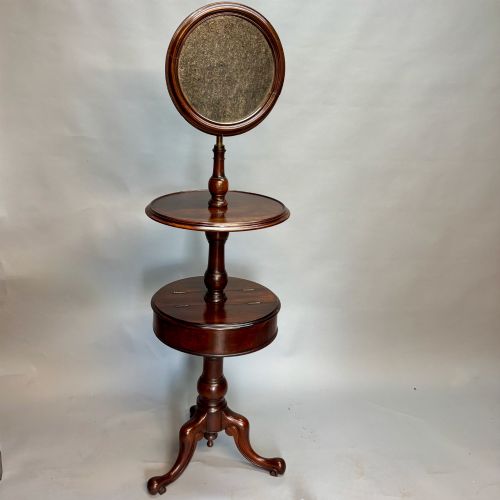
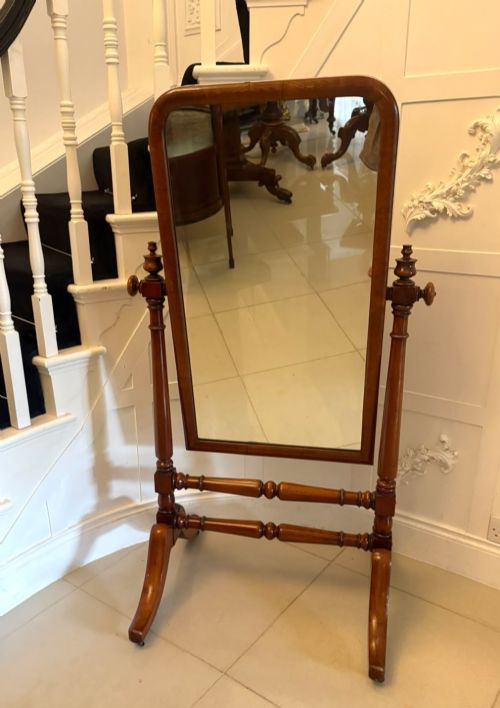
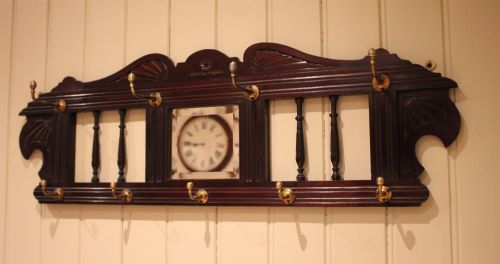
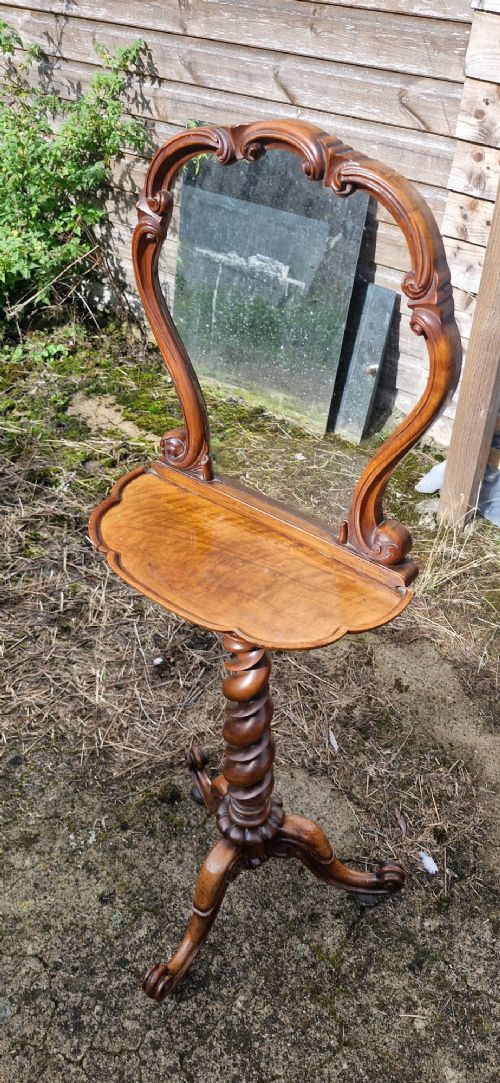
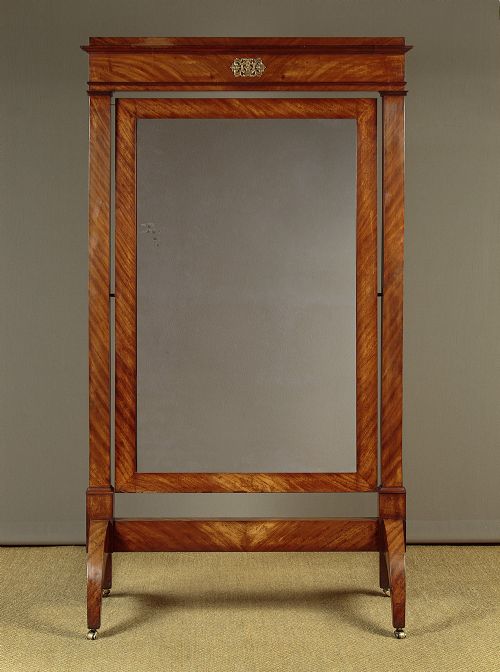
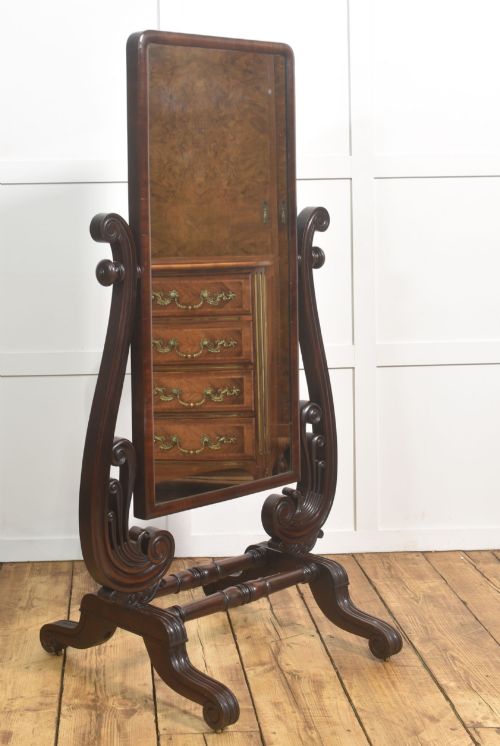
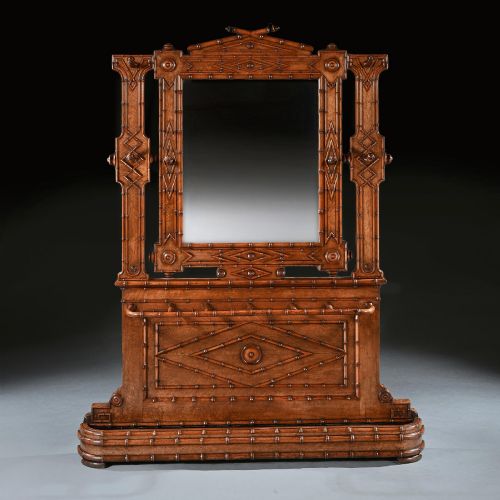
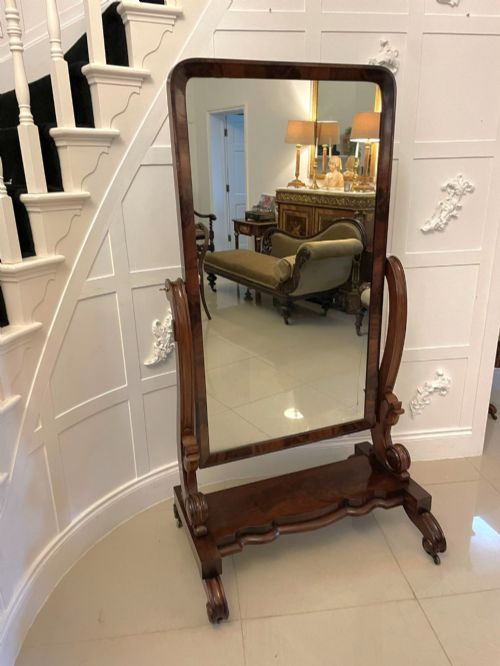
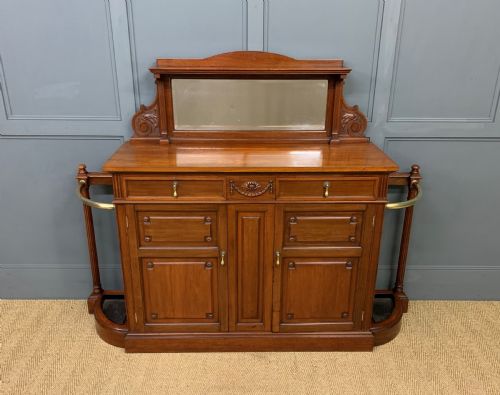
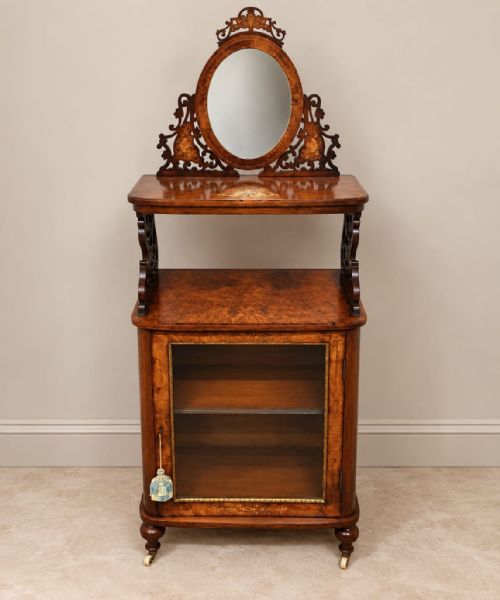
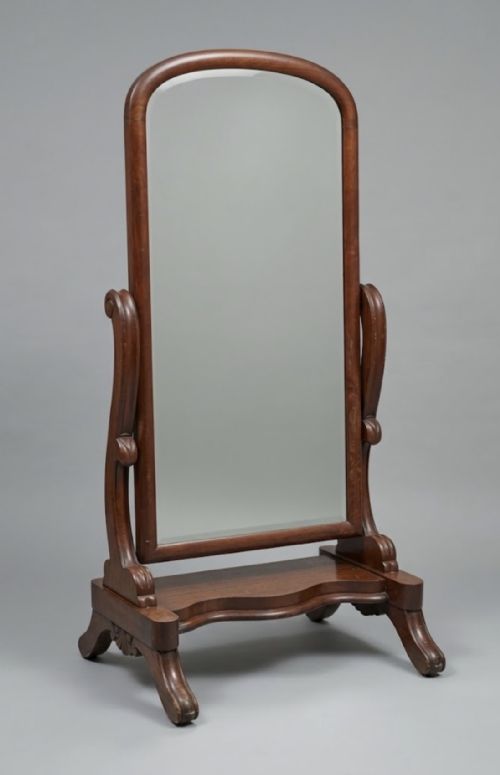
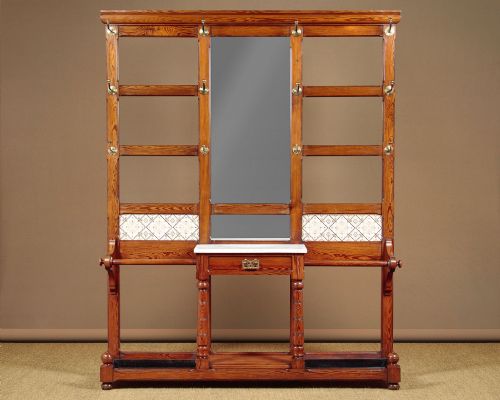
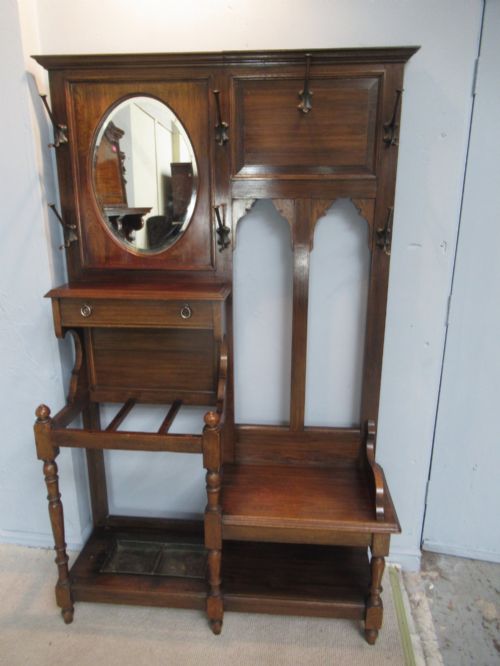
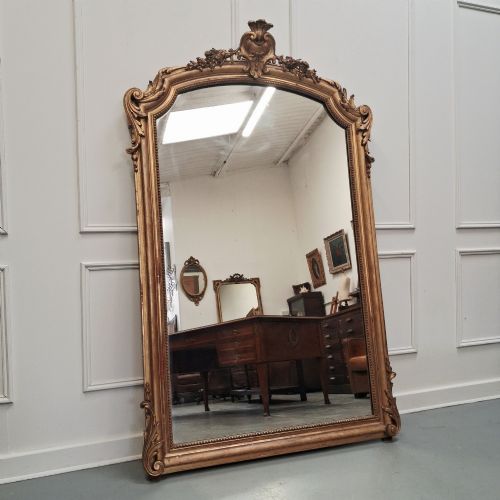
A Victorian mirrored stand combines a functional vertical plate with sturdy timber framing designed to support hats, coats, or personal grooming routines. When you search for a victorian mirrored stand, you encounter hall stands with umbrella holders, tall floor-standing cheval mirrors, and compact shaving tables.
The objects stem predominantly from the nineteenth century, utilising dense hardwoods and reflective glass to serve domestic interiors. Mahogany, oak, walnut, and cast iron dominate the forms, offering practical utility alongside decorative presence.
How they were made
Cabinet makers utilised solid timbers such as mahogany, walnut, and oak for structural integrity, often incorporating burr veneers or carved details to enrich the surface. Joints were traditionally dovetailed or tenoned to withstand daily household use.
Glass plates were bevelled or cast and then set securely into wooden frames or metallic mounts, sometimes supported by brass fittings, champleve enamel, or gilt bronze elements.
Many hall stands include hidden drip trays beneath the umbrella wells to catch rainy British weather.
What varies in quality
The distinction between standard utility items and superior pieces rests on the choice of timber and the crispness of the carving. Finely figured mahogany or burr walnut combined with original silvered mirror glass denotes a higher standard of manufacture.
Makers who supplied prominent retailers paid careful attention to structural proportion and the integration of hardware, ensuring the brass hooks, pivots, and rails complemented the overall design without feeling flimsy.
Shoolbred & Co.·Heal & Sons·Collinson & Lock·Edwards & Roberts
The Victorian Mirrored Stand Glossary
- Cheval mirror
- A freestanding full-length dressing glass mounted in a frame with pivoting side pins. This allows the user to tilt the plate to various angles.
- Hall stand
- A piece of hallway furniture combining hooks for coats and hats, umbrella wells, and an integrated mirror. These often include a small glove box or bench seat.
- Champleve
- An enamelling technique where recessed areas are gouged out of a metal surface and filled with vitreous paste before firing. It frequently appears on decorative tabletop and dressing mirrors.
- Japonisme
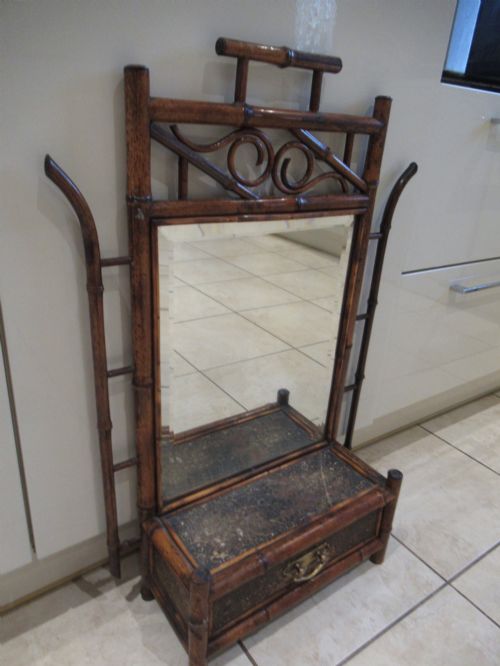
- A late nineteenth-century artistic style influenced by Japanese art and design. It manifests in bamboo-turned frames and asymmetrical decorative motifs.
- Ormolu
- Gilt bronze ornamentation applied to furniture mounts and mirror surrounds. The technique creates a rich golden finish on metallic details.
Victorian Mirrored Stand: Frequently Asked Questions
Where should I place a Victorian mirrored stand?
These pieces suit entrance halls where the reflective glass brightens dark corridors and the hooks hold daily outerwear. They also function effectively in bedrooms as dressing accessories.
Ensure the floor is level so that freestanding cheval designs and tall hall units remain stable against the wall.
How do I care for the mirror glass?
Clean the reflective surface gently using a soft cloth and a mild glass cleaning solution. Avoid spraying liquid directly onto the frame to prevent moisture damage to the surrounding timber or foil backing.
Inspect the retaining pins or backing boards periodically to ensure the heavy glass remains secure within its frame.
Are these stands suitable for small hallways?
Compact hall stands and wall-mounted variations fit narrower spaces without blocking walkways. Their vertical orientation provides storage for hats and coats while taking up minimal floor space.
Choosing a lighter wood or bamboo design can also help an entryway feel more open and less crowded.
How can I tell the period of a mirrored stand?
Examine the timber species, construction methods, and hardware style to determine the era. Victorian pieces frequently utilise solid mahogany, walnut, or oak with hand-cut joinery and heavy cast brass hooks.
Look for signs of age in the mirror plate, such as minor foxing or hand-bevelled edges, which indicate older manufacturing techniques.