
Victorian Mirror Stands
Victorian mirror stands are functional and decorative furnishings built to support glass plates for dressing, shaving, and hallway use.
Victorian Mirror Stands
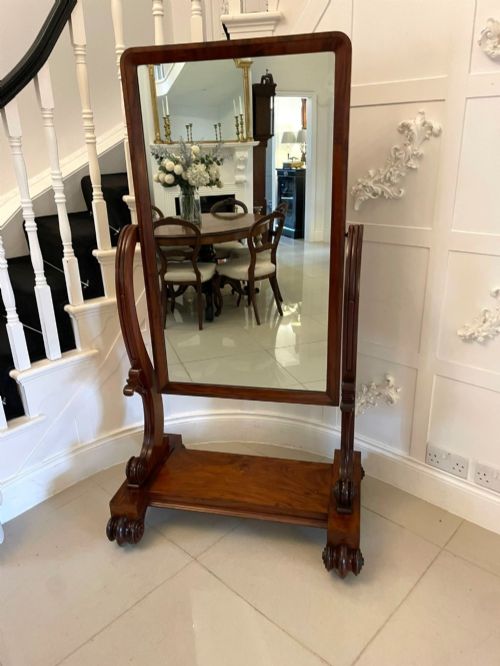
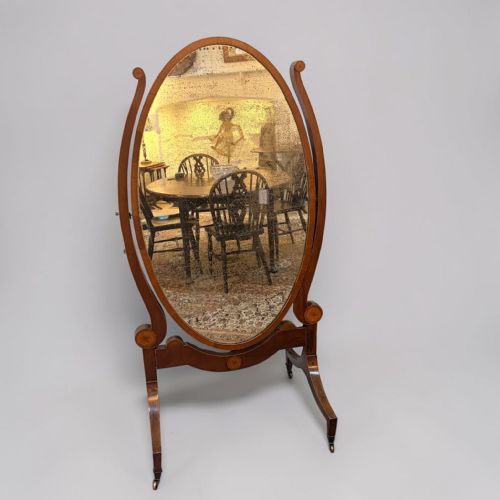
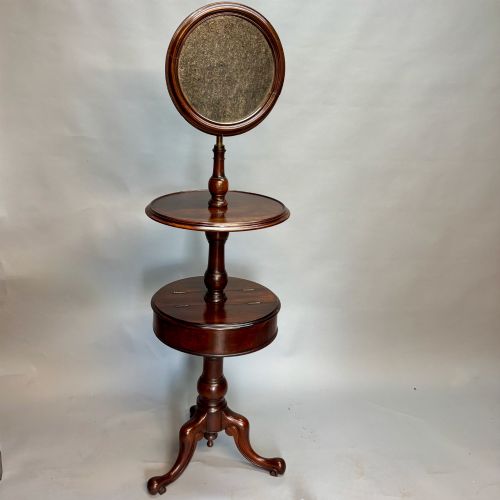
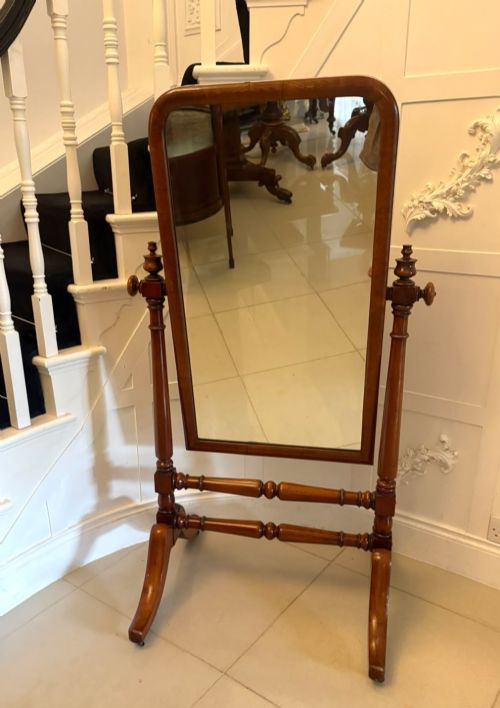
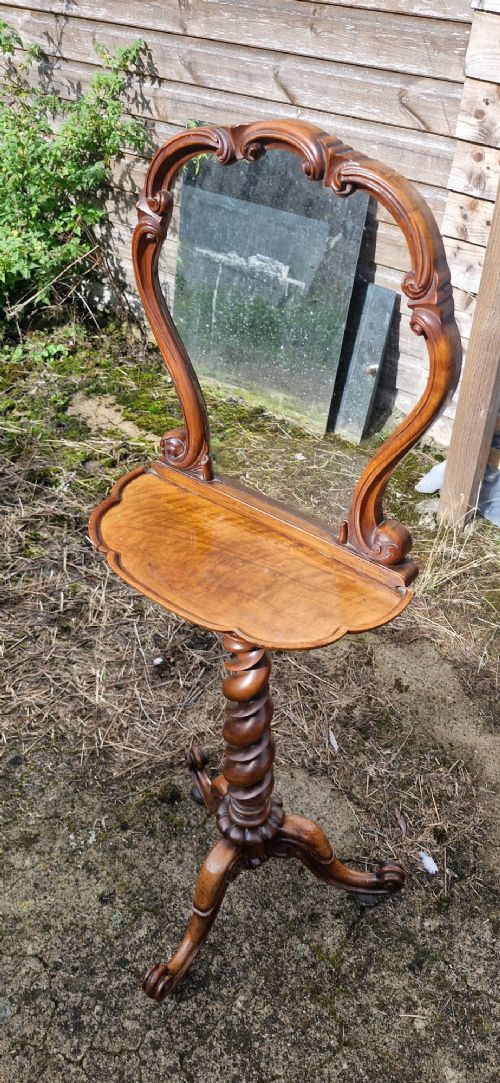
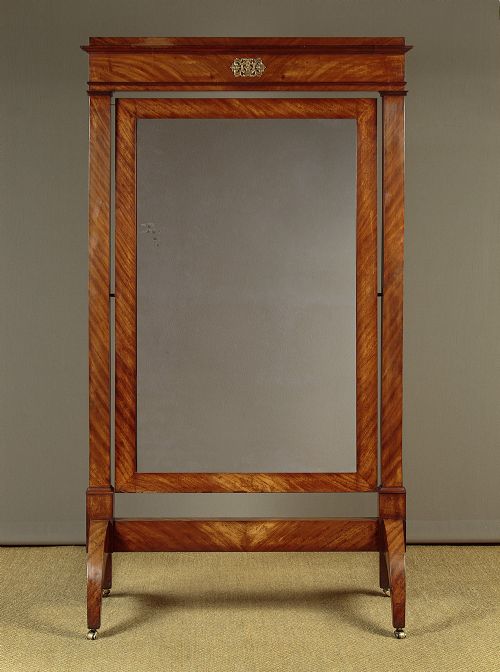
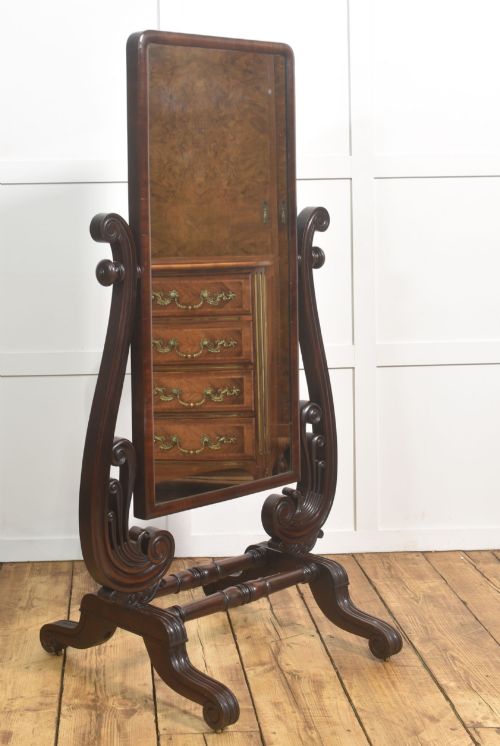
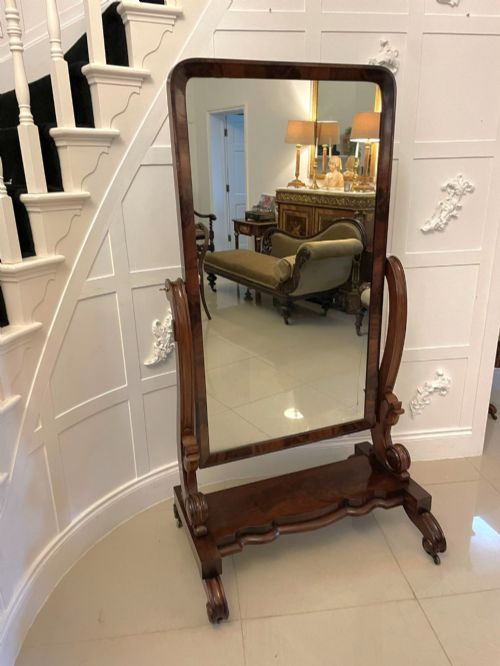
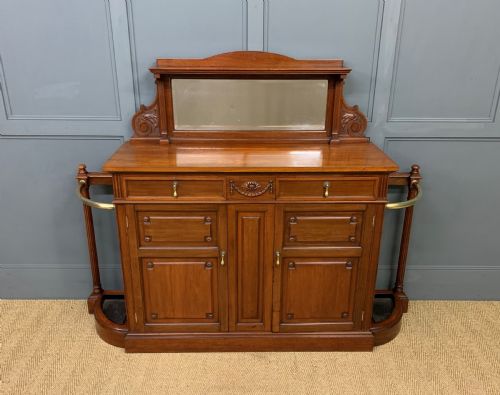
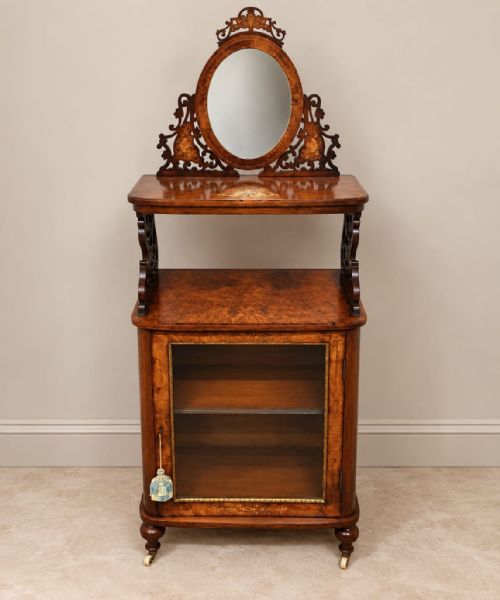
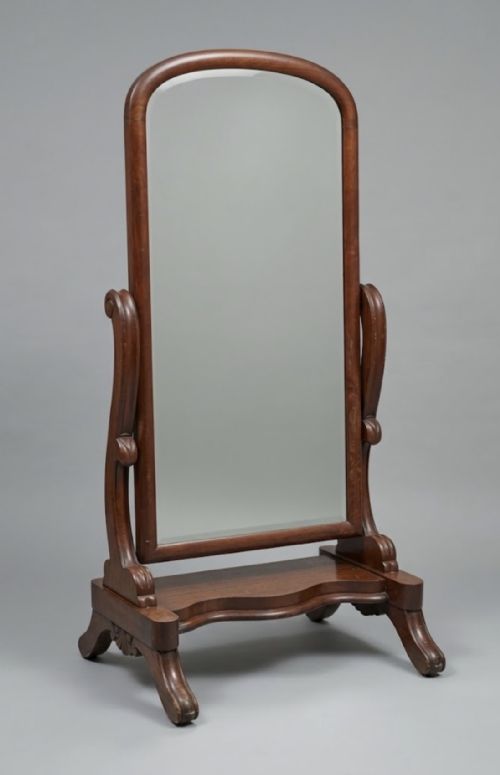
When you search for Victorian mirror stands, you encounter a varied group of floor-standing, table-top, and hall-furnishing objects designed during the nineteenth century. The selection ranges from large freestanding cheval mirrors in mahogany and walnut to adjustable shaving stands and hall stands incorporating mirror glass.
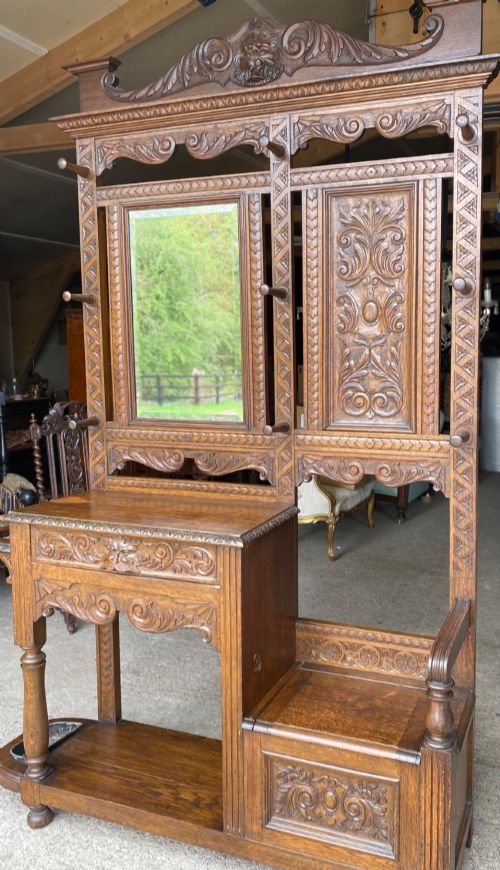
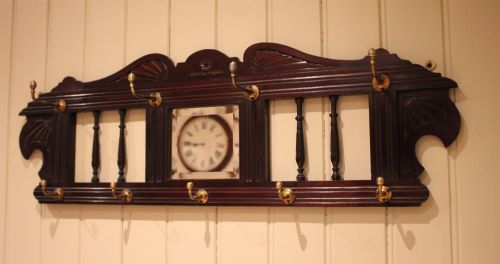
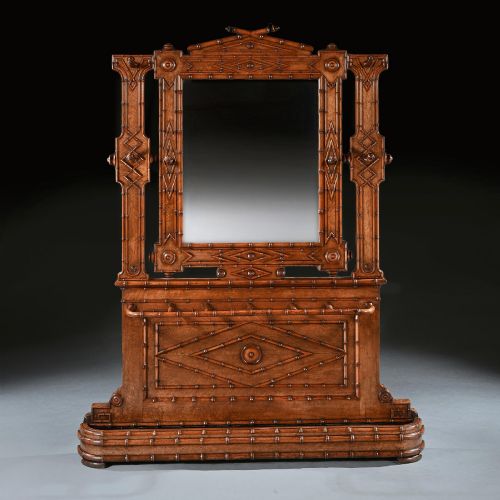
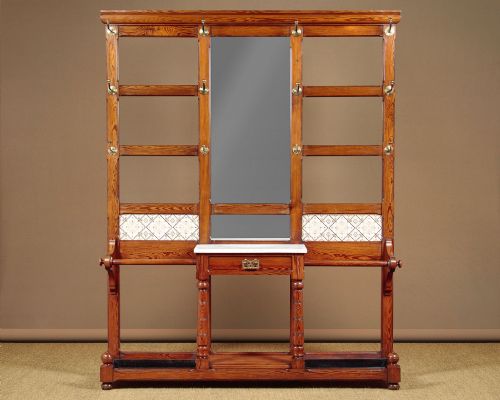
The most common forms on this page are mahogany and walnut cheval mirrors alongside oak or mahogany hall stands fitted with coat hooks and umbrella wells. These pieces served domestic duties in bedrooms, dressing rooms, and entrance halls, combining timber framing with functional glass plates.
Makers and manufacturers utilised regional timbers like oak, satin birch, and pine alongside imported hardwoods, shaping them into styles spanning from strict Victorian utility to Aesthetic Movement and Rococo Revival.
Construction and Materials
Makers built these pieces primarily using solid and veneered hardwoods such as mahogany, walnut, rosewood, and oak, supported occasionally by cast iron or gilt bronze in specialised forms. Timber frames were joined using traditional methods and finished with hand-polished surfaces that highlight the natural grain.
Mirror plates were held securely within adjustable or fixed wooden frames, often supported by brass pivots, brackets, or telescopic brass columns that allowed users to alter the angle of reflection.
Judging Quality
Quality rests on the selection of timber figures, such as burr walnut or figured mahogany, and the structural integrity of the frame joints and supporting stands. Superior pieces exhibit refined carving, substantial brass hardware, and well-balanced proportions that ensure stability during adjustment.
The sophistication of secondary details, including inlaid stringing, cast brass mounts, and original mercury or silvered mirror glass, distinguishes standard domestic utility pieces from exhibition-grade examples.
Shoolbred & Co.·Heal & Sons·Collinson & Lock·Edwards & Roberts
The Victorian Mirror Stands Glossary
- Cheval mirror
- A large, freestanding dressing mirror suspended on vertical pivots within a floor-standing frame, allowing the glass to swing freely. This form became popular in bedrooms during the nineteenth century.
- Shaving stand
- A specialised small-scale table or pedestal mirror featuring adjustable height or angle mechanisms. They often incorporate small drawers or trays for grooming accessories.
- Hall stand
- A multi-functional piece situated in entrance halls, combining a mirror, coat hooks, umbrella holders, and sometimes a seat or small storage box. They were constructed in oak, mahogany, and cast iron.
- Aesthetic Movement
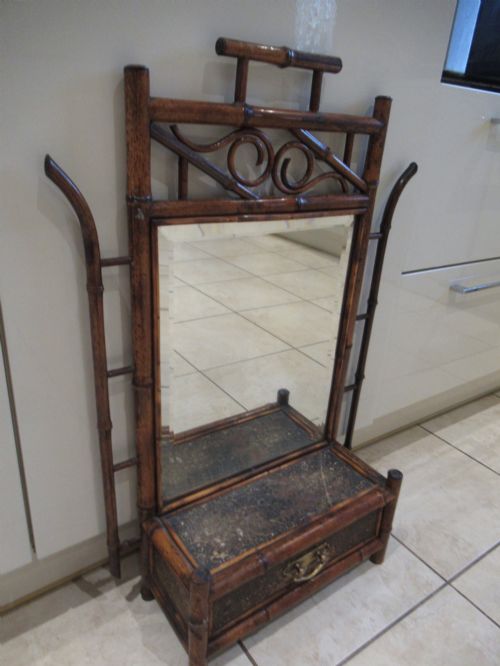
- A late nineteenth-century design style emphasising simplicity, artistic refinement, and influences from Japanese art. Pieces in this manner often utilised bamboo or ebonised wood.
- Ormolu
- Gilded bronze applied as decorative mounts on furniture and mirror frames. It adds metallic contrast to dark timber surfaces.
Victorian Mirror Stands: Frequently Asked Questions
What is a cheval mirror?
A cheval mirror is a full-length dressing glass mounted on vertical pivots between two upright posts, allowing the user to tilt the plate to various angles.
These freestanding pieces were designed for bedrooms and dressing rooms to provide a complete view of attire.
How do I date a hall stand?
Dating relies on timber choice, construction methods, and stylistic cues such as applied carvings or brass hardware.
Victorian examples frequently utilise solid mahogany or oak, while late-period pieces introduce cast iron or bamboo.
Were shaving stands adjustable?
Many Victorian shaving stands feature telescopic brass columns or pivoted joints that raise, lower, or tilt the glass.
This adjustability accommodated users of different heights during morning grooming routines.
What woods were commonly used?
Cabinetmakers utilised a variety of domestic and imported timbers, primarily mahogany, walnut, oak, and rosewood.
Finer examples occasionally display burr walnut veneers, satin birch, or exotic decorative elements.