



Victorian Miniature Ceramics
Victorian miniature ceramics are small-scale porcelain, earthenware, and pottery pieces from the nineteenth century that bring cabinet-size charm to any collection.
Victorian Miniature Ceramics
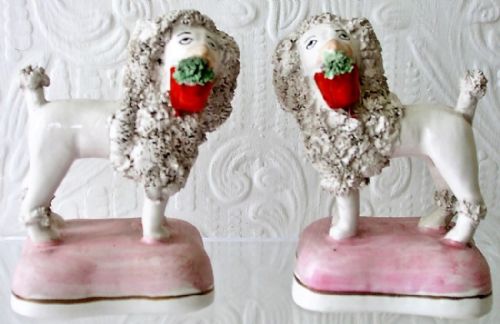
Victorian miniature ceramics encompass a diverse range of small-scale functional items and decorative objects produced throughout the nineteenth century. These pieces include diminutive Staffordshire poodles, tiny teapots, child's services, and hand-painted porcelain plaques.
The versions most commonly met on this page span styles from Victorian folk art and Imari patterns to Dutch Delftware and Rococo revival pieces. Makers utilised various ceramic bodies, creating scaled-down domestic wares and ornamental figures that reflect the manufacturing breadth of the period.
How they were made
Potters and manufacturers shaped these items using porcelain, earthenware, and ironstone, often applying detailed hand-painted decoration and blue and white transfers. Skilled artisans combined traditional throwing and moulding techniques with delicate enamel painting.
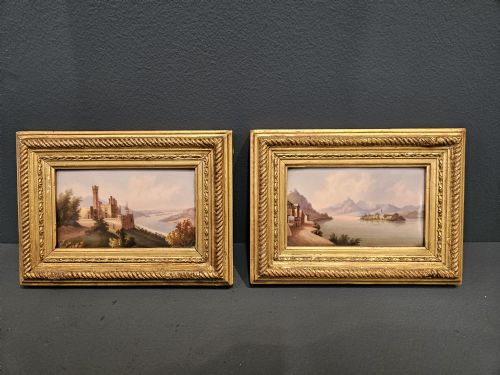
Gilding, gold leaf, and specialised glazes such as flow blue finish many of the finer examples. Certain porcelain plaques also incorporate carved giltwood or ormolu frames to house the painted ceramic works.
Victorian Miniature Ceramics Retail Price Guide 2026
Typical asking prices for victorian miniature ceramics among the pieces listed under this phrase on Sellingantiques today, from the lower quarter to the upper quarter. They describe what is for sale here now, not the wider market.
A tiny iron on a stand proves even Victorian laundry required miniature dedication.
What varies in quality
The division between standard production and superior craftsmanship rests upon the precision of the hand-painting and the clarity of the ceramic transfer work. Pieces featuring signed miniature artwork or detailed polychrome brushwork demonstrate higher artistic investment.
The complexity of the form and the integrity of the glaze application further distinguish the pieces. Examples paired with original fittings, such as ormolu frames or complete miniature services, command closer attention from serious collectors.
Masons·Doulton Lambeth·Wedgwood·Coalport·Royal Worcester·James Dudson·Royal Crown Derby·K P M·Berlin
The Victorian Miniature Ceramics Glossary
- Flow blue
- A cobalt-blue transfer printing style on white earthenware that intentionally blurred during kiln firing to create a soft, rich effect. This technique gained widespread popularity in nineteenth-century Staffordshire pottery.
- Staffordshire pottery
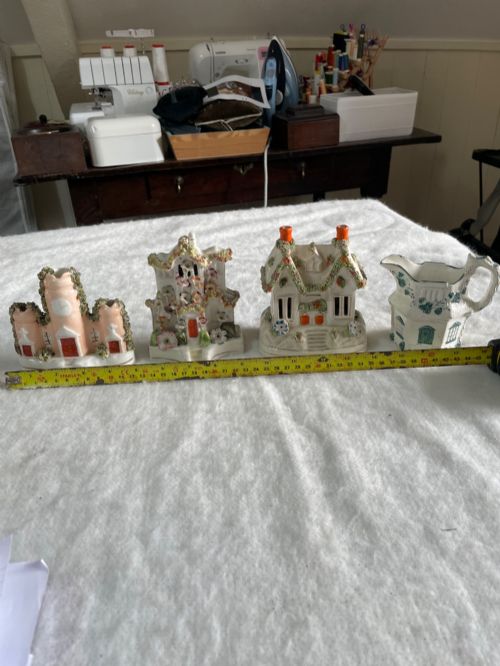
- Earthenware produced in the industrial region of Staffordshire, known for figure groups, animals, and miniature cottages. These popular ceramic items often served as chimney ornaments or children's toys.
- Prattware
- Earthenware characterised by underglaze multi-coloured painting, typically utilising blue, ochre, brown, and green. The technique appeared frequently on nineteenth-century children's sets and commemorative wares.
- Porcelain plaque
- A flat sheet of ceramic body painted with enamel colours and fired to create a durable miniature artwork. These pieces were frequently mounted in decorative frames for wall display.
Victorian Miniature Ceramics: Frequently Asked Questions
What are Victorian miniature ceramics?
These pieces are small-scale ceramic items produced during the nineteenth century, ranging from decorative figures and painted wall plaques to miniature teapots and children's dinner services.
Potters created them as cabinet display pieces, toys, or technical demonstrations of skill in miniature moulding.
How were miniature ceramics used?
Victorian households displayed small figurines, vases, and framed porcelain plaques on mantelpieces, in cabinets, or on specialised miniature furniture stands.
Many child's sets and toy services were also utilised for play or as educational table settings for children during the nineteenth century.
How do I identify different periods?
Dating relies on material types, stylistic influences such as Rococo revival or Dutch Delftware, and manufacturer marks stamped or painted on the base.
Nineteenth-century pieces often incorporate characteristic transfer printing methods like flow blue or specific regional earthenware bodies.
How should I display them?
Cabinet display offers protection for delicate porcelain plaques, miniature teapots, and fragile earthenware figures from accidental damage.
Grouping items by maker, such as Doulton Lambeth or Royal Crown Derby, creates a coherent visual arrangement in a collection.