

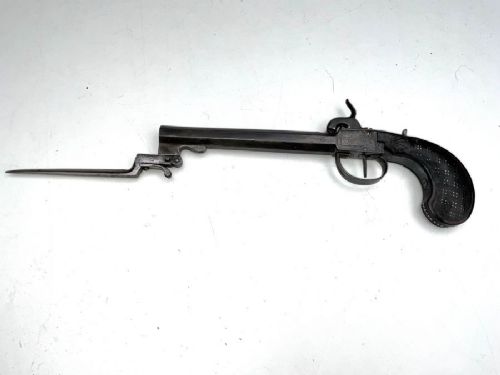


Victorian Military Firearm
A victorian military firearm is a piece of 19th-century history, bringing functional steel and walnut engineering straight to a collection.

Victorian Military Firearm
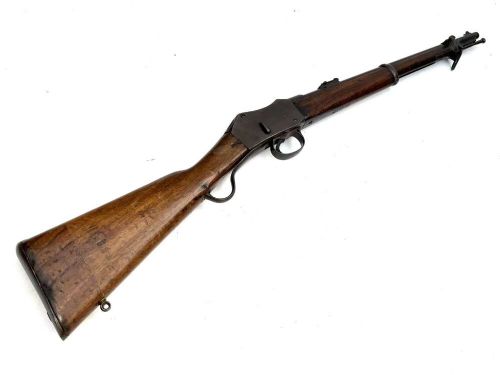
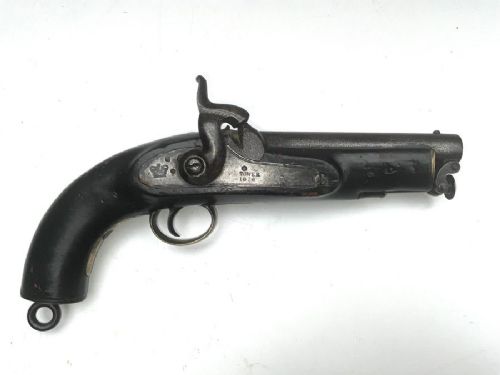
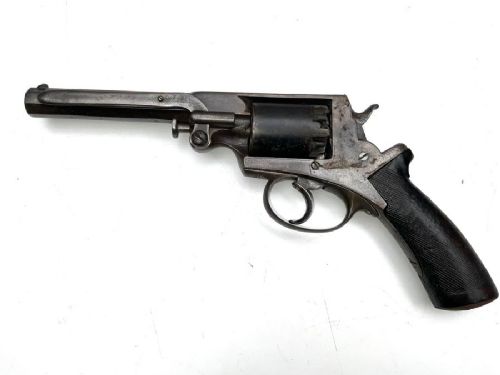
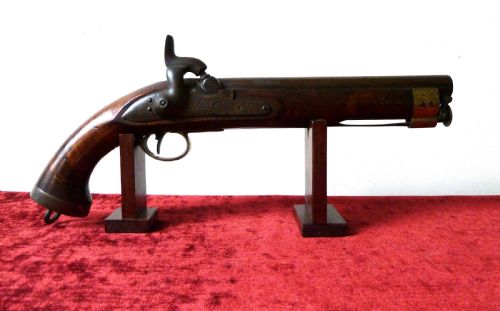
A victorian military firearm comprises nineteenth-century arms built for service, spanning infantry rifles and cavalry pistols. These pieces originate from the 19th Century, with specific dates recorded from 1850, 1860, and 1870.
The objects listed here take forms such as belt pistols, percussion muskets, and multi-band rifles. Collectors frequently encounter Tower-stamped percussion pieces and Enfield models among the available stock.
Origin details in the evidence point to British Army contexts, East India Company contracts, and volunteer units. Each specimen reflects the standard military production of its specific decade.
Materials and construction methods
Makers built these pieces primarily from steel and iron for barrels and lock mechanisms, paired with durable stocks of walnut and hardwood. Brass components frequently appear as trigger guards, butt caps, and nose bands.
Current listings feature items exclusively from the 19th Century, specifically dated across 1850, 1860, and 1870.
Distinctions in quality
Quality varies according to the crispness of government inspection stamps and Tower markings on the metal plates. Clear maker signatures, such as London markings or East India Company stamps, distinguish standard arms from unmarked specimens.
The preservation of original walnut grain and the tight fit of brass mounts determine the overall integrity of a piece. Mechanics that retain sharp percussion action separate superior examples from worn arms.
The Victorian Military Firearm Glossary
- Percussion
- A lock mechanism that uses a small percussion cap struck by the hammer to ignite the powder charge. This system replaced flintlocks in the nineteenth century.
- Tower
- A designation referring to the Tower of London, where many official British military arms were manufactured and stamped. These stamps verify government origin.
- Smoothbore
- A barrel lacking internal rifling grooves, designed to fire spherical lead balls. Older pistols often utilised this bore type before rifled barrels became standard.
- Bayonet
- A bladed weapon designed to fit onto the muzzle end of a rifle or pistol. Several listed pieces include bayonets or foldaway bayonet attachments.
- Rifle
- A firearm with spiral grooves cut inside the barrel to spin the projectile for greater accuracy. Models from 1850 and 1870 showcase this development.
Victorian Military Firearm: Frequently Asked Questions
How do I clean a victorian military firearm?
Wipe metal components gently with light oil to prevent oxidation without removing historical patina. Keep wood stocks treated with traditional wax formulations.
Avoid harsh chemical solvents or abrasive pads on stamped markings or brass fittings. Store pieces in dry environments to protect iron and steel elements.
Are these firearms safe to shoot?
These nineteenth-century pieces are historical artefacts intended for display and collection rather than active use. Material degradation over time makes live firing unpredictable.
Consult a qualified professional gunsmith if functional evaluation is required. Most collectors preserve them in inert states.
What is the difference between an Enfield and a Tower piece?
Enfield typically denotes the specific pattern of rifle developed at the Royal Small Arms Factory in Enfield. Tower stamps generally indicate production or inspection overseen by the Ordnance Office.
Many pieces combine both aspects through government markings and standard pattern design. Examining the lockplate stamps clarifies the origin.
How do I identify a cavalry pistol?
Cavalry pistols generally feature shorter barrels and robust construction suited for mounted service. They often incorporate saddle rings or specific belt hook attachments.
Infantry arms tend to be longer muskets or rifles designed for foot soldiers. Inspecting overall dimensions helps separate the intended branch of service.