


Victorian Metal Spark Guard
A victorian metal spark guard protects a room from stray embers while adding warmth and architectural interest to a hearth.
Victorian Metal Spark Guard
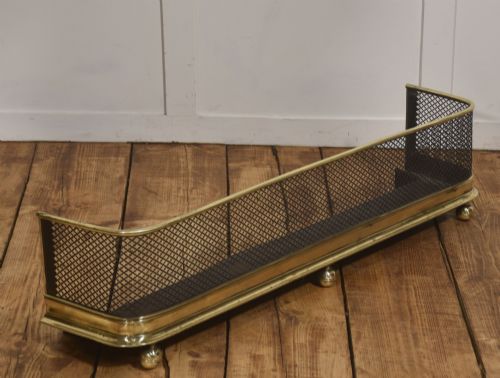
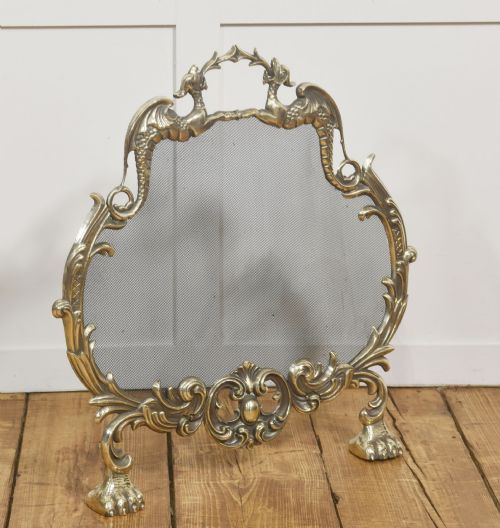
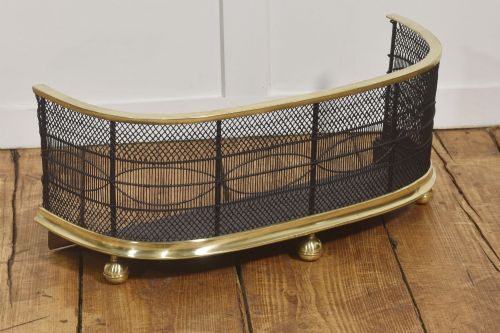
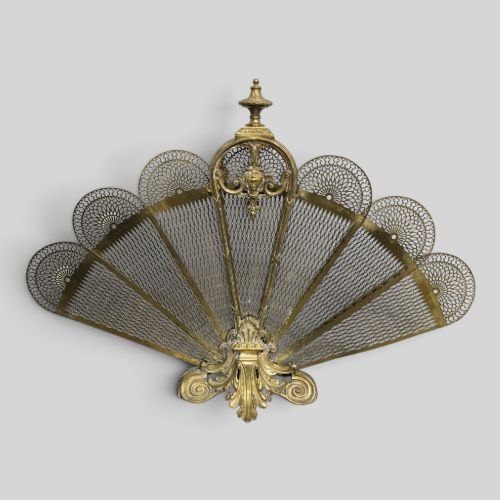
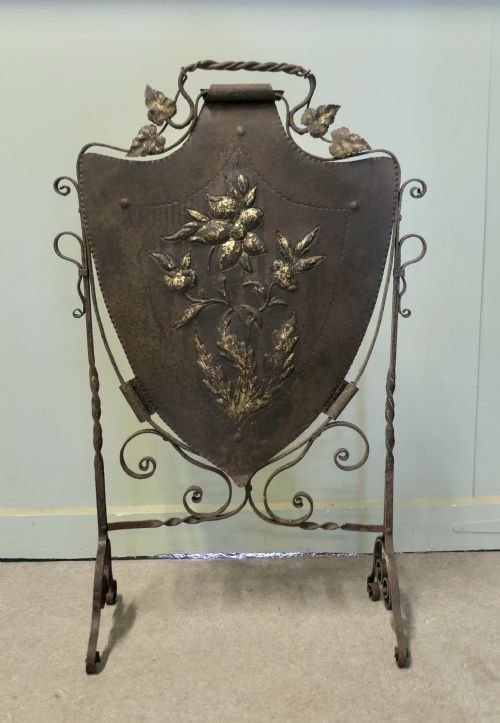
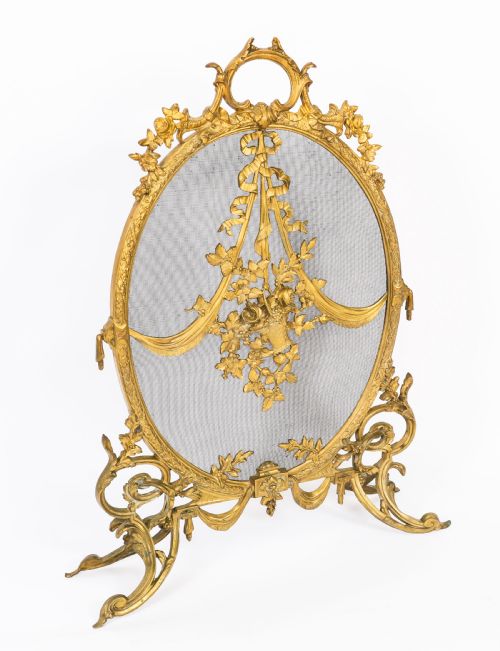
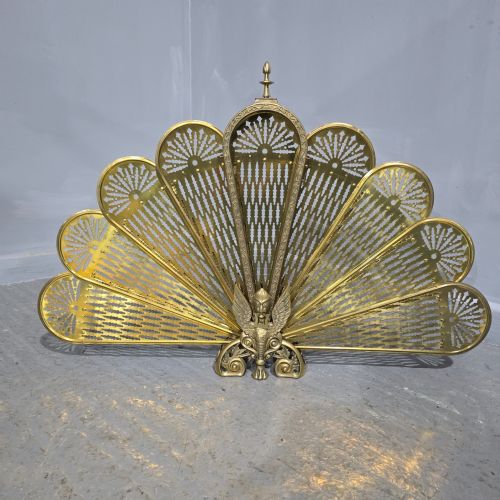
A victorian metal spark guard usually takes the form of a fire screen or nursery fender designed to sit before an active fireplace. These pieces appear in various configurations, from folding fan designs and pierced brass panels to sturdy iron frames set with wire mesh.
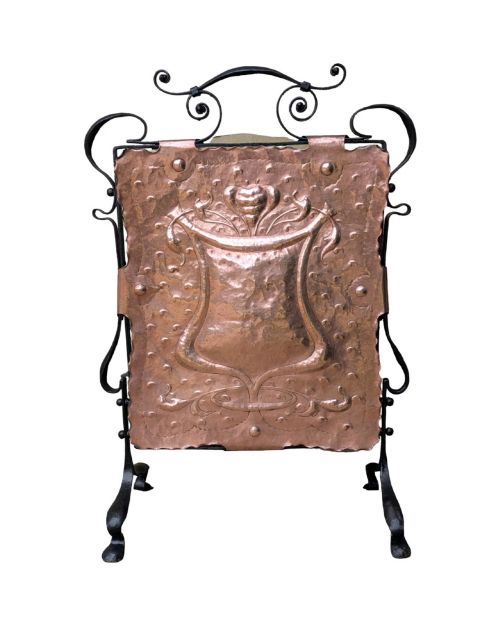
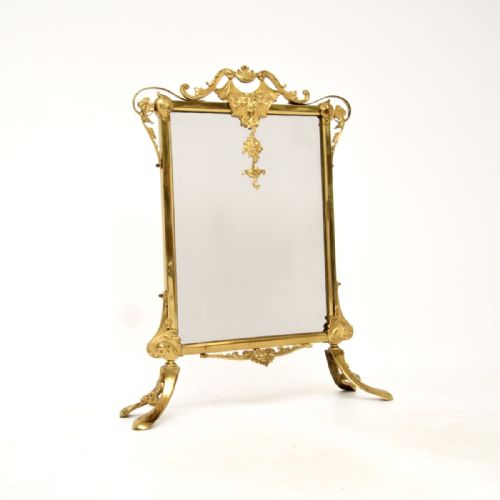
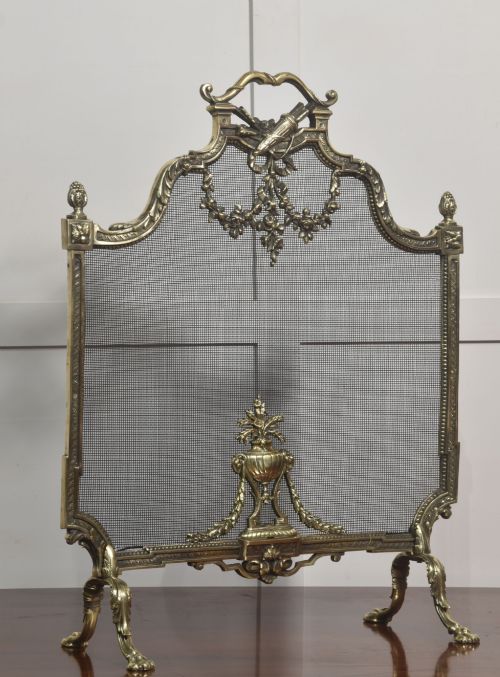
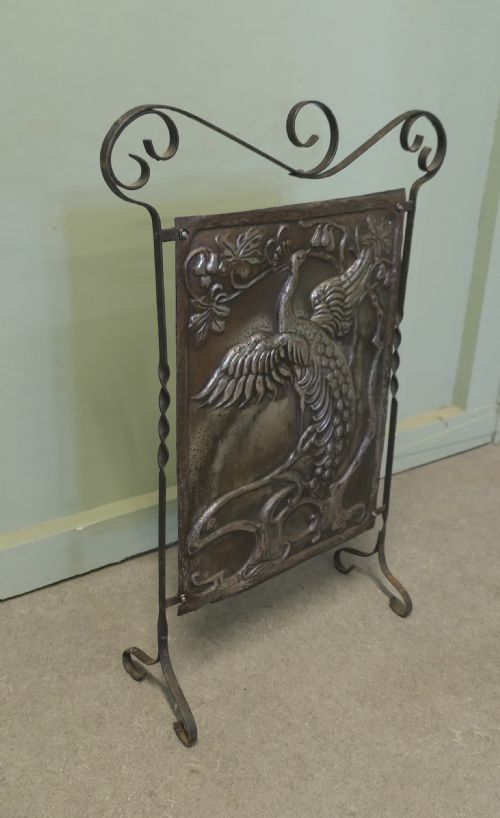
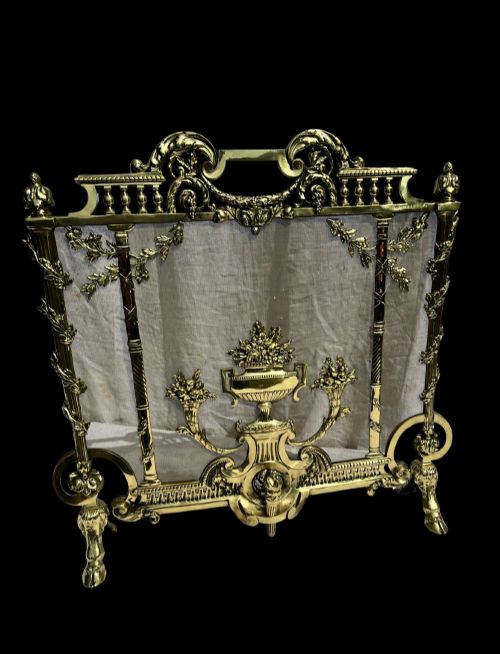
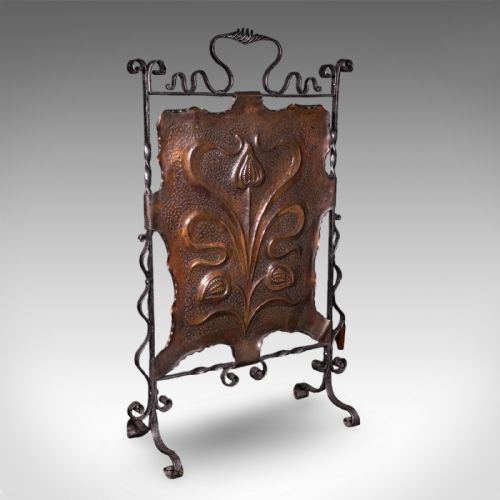
The materials and styles span the nineteenth century into the early twentieth century, incorporating French Rococo revival, Arts and Crafts, and Gothic revival aesthetics. Simpler wire mesh nursery fenders also feature alongside ornate brass and copper screens.
Many examples double as fire screens or reflectors, while others provide enclosed boundaries for domestic safety. The selection reflects both utilitarian nursery equipment and decorative hearth furnishings from the period.
Materials and construction
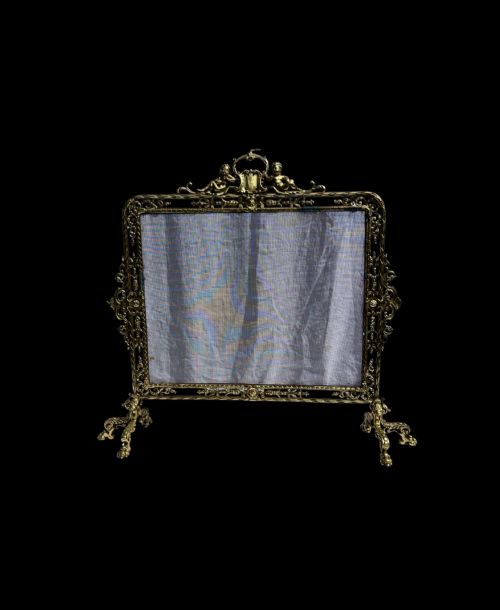
Construction relies heavily on brass, wrought iron, copper, and wire mesh combined to withstand hearth heat. Frames are fashioned from forged iron or cast and spun brass, often finished with pierced metal panels or fine wire mesh screens.
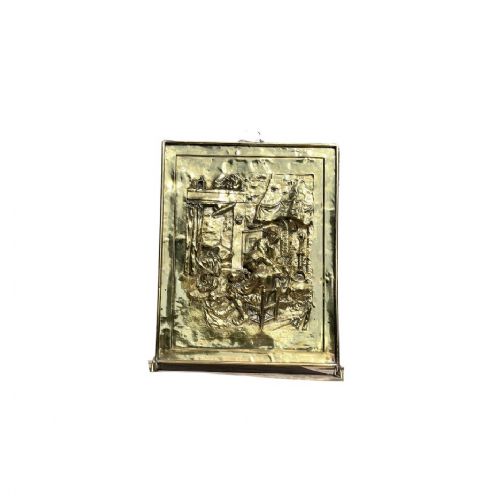
Decorative details involve embossing, chasing, and application of gilt or ormolu finishes, particularly on revival and Arts and Crafts examples. Folding sections and attached rails utilise hinged iron and brass mechanisms.
Victorian Metal Spark Guard Retail Price Guide 2026
Typical asking prices for victorian metal spark guard among the pieces listed under this phrase on Sellingantiques today, from the lower quarter to the upper quarter. They describe what is for sale here now, not the wider market.
Some guards double as clothes drying rails, reminding us that Victorian nurseries tackled laundry right by the coal fire.
Assessing quality in metal spark guards
Quality rests on the weight of the metal and the crispness of any pierced or chased ornamentation. Solid brass frames and heavy wrought iron demonstrate superior durability compared to lighter wire assemblies.
Subtlety in design distinguishes standard hearth guards from exceptional pieces, such as those featuring hand-embossed coats of arms or intricate peacock fan folding sections. The integrity of the mesh and the stability of the folding hinges also indicate the standard of manufacture.
The Victorian Metal Spark Guard Glossary
- Spark guard
- A metal screen or barrier placed in front of an open fire to catch flying embers. These take the form of flat screens, folding panels, or low nursery fenders.
- Nursery fender
- A protective low barrier enclosing a hearth to keep children and pets at a safe distance. They often incorporate wire mesh or iron rails.
- Fire screen
- A movable decorative panel placed before a fireplace when the fire is unlit. They frequently double as spark guards during use.
- Ormolu
- Gilt bronze or brass applied to decorative metalwork for a rich golden finish. It appears on French revival fire screens.
- Chasing
- The art of hammering metal from the front to create raised surface patterns and fine details. This technique defines high-end brass and copper panels.
Victorian Metal Spark Guard: Frequently Asked Questions
How do I use a spark guard?
Place the screen directly in front of the fireplace opening to catch flying embers and sparks while the fire burns.
Ensure the base sits firmly on the hearth to prevent movement and protect surrounding flooring.
What is a nursery fender?
A nursery fender is an enclosed metal barrier designed to surround the entire hearth area for safety.
These pieces often include clothes rails or taller mesh guards to keep children away from hot metal and open flames.
How do I clean brass spark guards?
Dust the metal regularly with a soft cloth and apply appropriate metal cleaner sparingly to maintain the finish.
Avoid harsh abrasives that can damage chased or embossed surface details on antique brass.
Are these screens folding?
Certain models feature multiple folding sections that allow the guard to adjust around the hearth opening.
Rigid single panels and peacock fan designs operate differently, so check the specific construction before purchase.