


Victorian Metal Furniture
Victorian metal furniture brings sturdy cast iron, brass and wrought iron into domestic and garden spaces with enduring industrial strength.
Victorian Metal Furniture
When you search for Victorian metal furniture, you encounter practical items designed for both the interior rooms and the outdoor gardens of the nineteenth century. The selection spans heavy seating, bedroom frames, and utility stands built from robust materials.
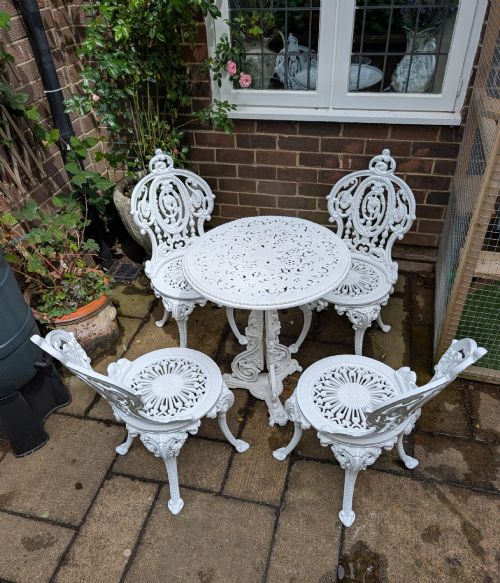
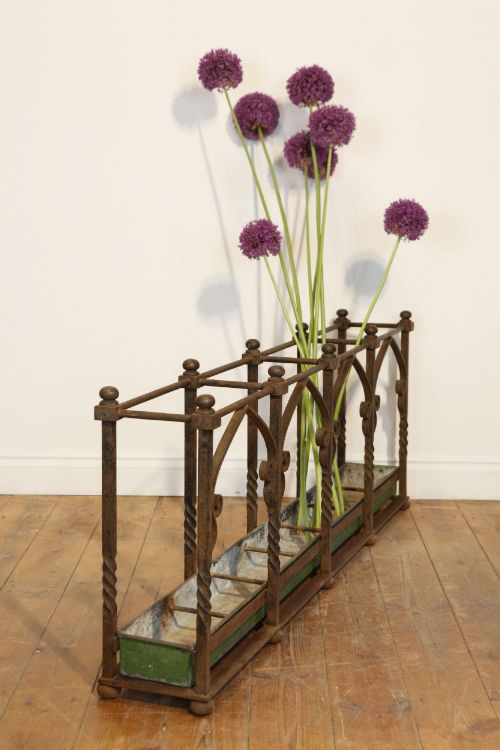
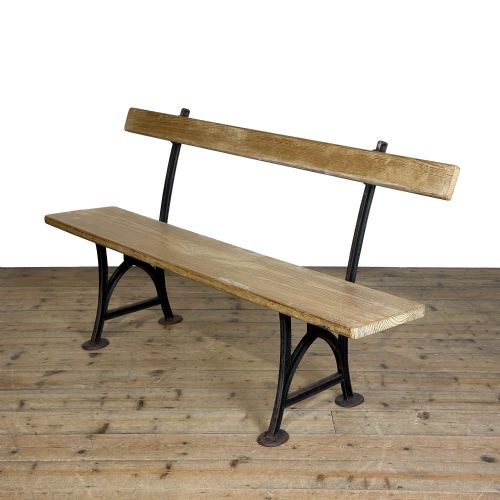
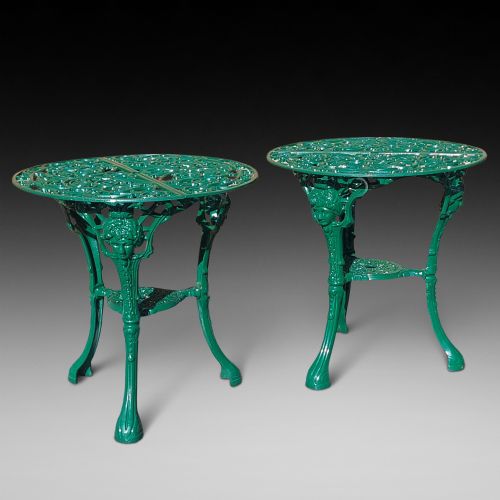
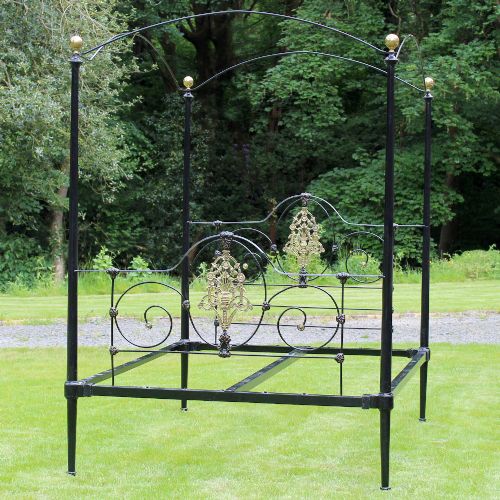
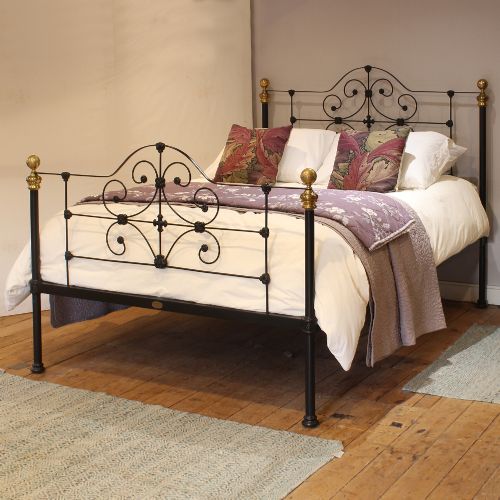
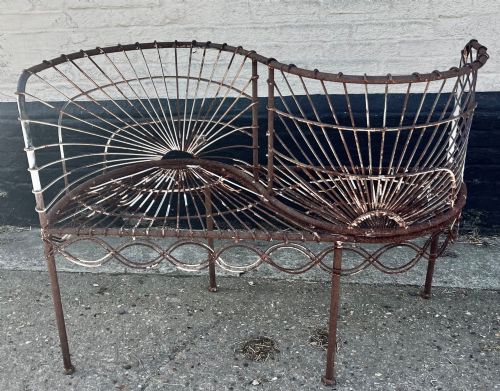
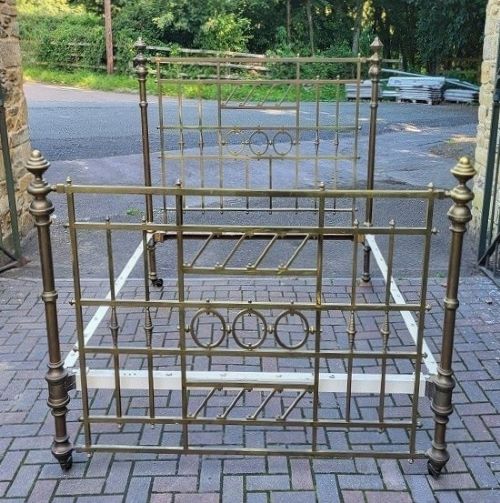
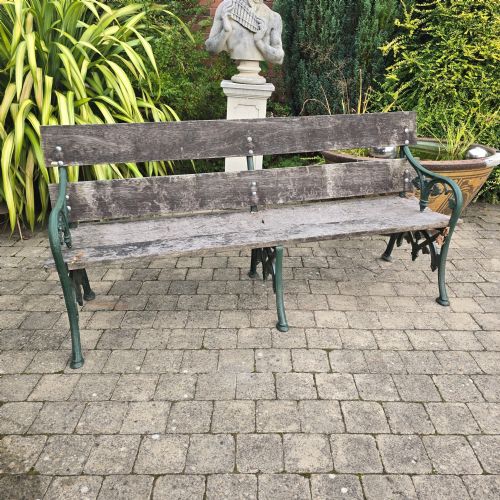
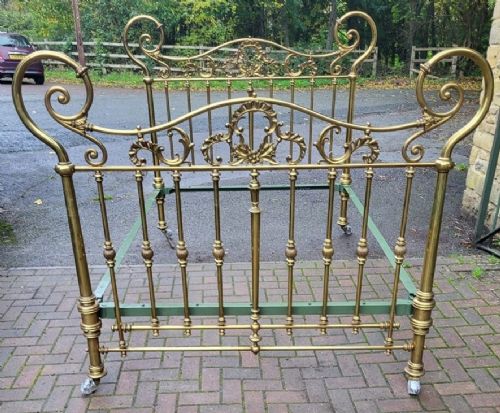
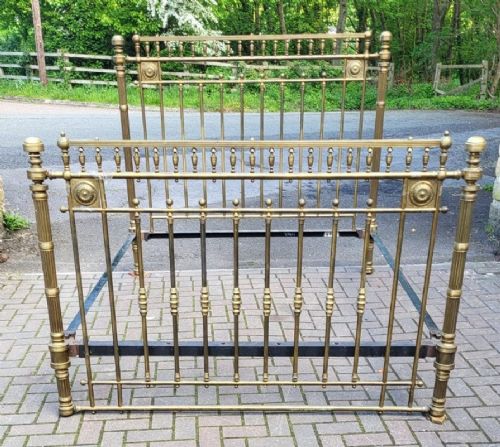
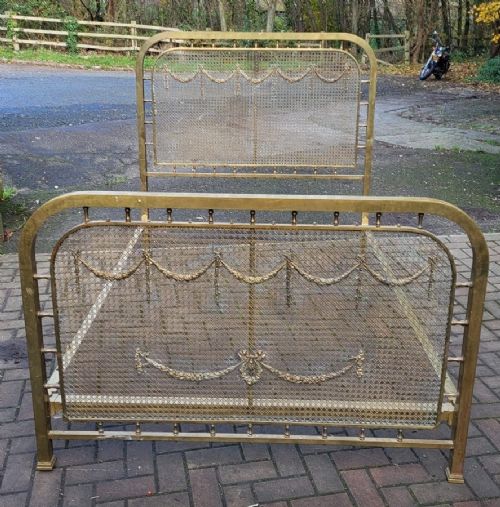
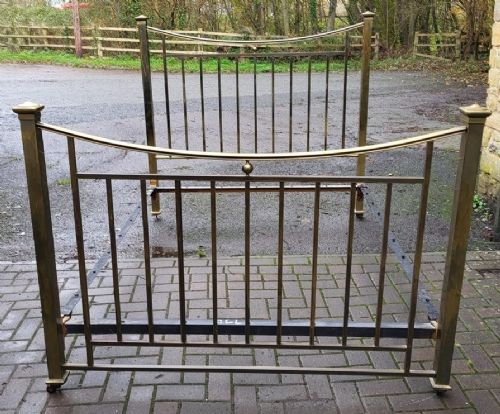
You are most likely to meet garden benches, garden tables, and umbrella stands on this page, alongside various indoor beds and occasional tables. These pieces capture the distinct manufacturing output of the nineteenth century, ranging from simple utility items to ornate exhibition pieces.
The objects bridge domestic utility and garden decoration, utilising metal alloys to create structures that withstand both interior use and outdoor elements. Each form reflects the specific period of its manufacture, moving from early foundational designs to later decorative revivals.
Materials and construction methods
Makers utilised cast iron, wrought iron, and solid brass as primary structural elements, often combining them with wood, fabric, and marble. Cast iron allowed for intricate mouldings and repetitive decorative patterns, whilst wrought iron provided flexibility for hand-forged scrollwork and structural framing.
Foundries poured molten metal into sand moulds to produce detailed garden seats, table bases, and architectural hall stands. Brass elements were polished and assembled with steel components, creating sturdy bedframes and umbrella stands finished with paint or patination.
Victorian Metal Furniture Retail Price Guide 2026
Typical asking prices for victorian metal furniture among the pieces listed under this phrase on Sellingantiques today, from the lower quarter to the upper quarter. They describe what is for sale here now, not the wider market.
A heavy cast iron child's swing from 1860 proves that Victorian childhood involved serious playground engineering.
Judging the quality of metal pieces
The division between standard utility items and the top of the range rests on the crispness of the casting and the presence of named foundry work. Superior pieces display deep, clean relief in the ironwork and careful attention to structural joints rather than crude assembly.
Exhibition quality items feature refined finishing, such as integrated brass details, complex openwork, and sophisticated proportions that elevate simple functional objects into decorative centerpieces.
Christopher Dresser·Coalbrookdale·Maple and Co
The Victorian Metal Furniture Glossary
- Cast iron
- A hard, brittle alloy of iron and carbon poured into moulds to create complex shapes. It forms the backbone of heavy garden seats and table bases.
- Wrought iron
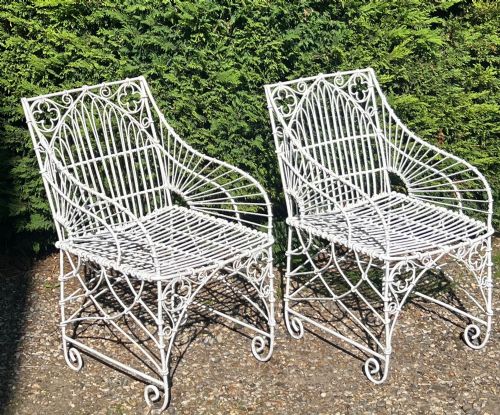
- Iron that is beaten, rolled or bent while hot by a smith to form durable frameworks. This material appears frequently in garden rocking chairs and structural racks.
- Half tester bed
- A bed featuring a partial canopy extending from the headboard over the upper portion of the mattress. These frames often combine brass and iron components.
- Faux bois
- A decorative style mimicking the appearance of natural wood grain in another medium. Foundries like Coalbrookdale applied this technique to cast iron garden benches.
- Strapwork
- Flat bands of metal arranged in geometric or interlaced patterns. This ornamental style appears on benches and tables from the Regency era onwards.
Victorian Metal Furniture: Frequently Asked Questions
How do I care for antique cast iron furniture?
Keep outdoor pieces clean and dry during harsh winter months to prevent moisture damage and surface rust accumulation. Apply a suitable protective wax or specialised paint finish when necessary to preserve the original metal surface.
For indoor items, regular dusting with a soft cloth maintains the condition of the brass or iron without damaging the historical patina. Avoid harsh chemical cleaners that strip away the protective barriers built up over decades.
How can I tell the age of iron garden furniture?
Examine the construction methods, fastener types, and surface textures to determine the manufacturing period of the piece. Earlier nineteenth-century examples often feature hand-finished details and distinct foundry markings associated with specific production eras.
Later Victorian and 1930s variations frequently show standardised components and different patination layers accumulated through decades of use. Comparing the decorative style against known period revivals helps narrow down the timeline.
What is a Coalbrookdale bench?
A Coalbrookdale bench is an iconic piece of nineteenth-century garden furniture produced by the renowned Shropshire ironworks. These items are celebrated for their highly detailed botanical motifs, animal forms, and faux bois textures.
Genuine examples often bear registry marks or foundry stamps confirming their origin. They represent the pinnacle of Victorian metal casting artistry for outdoor spaces.