

Victorian Metal Figure
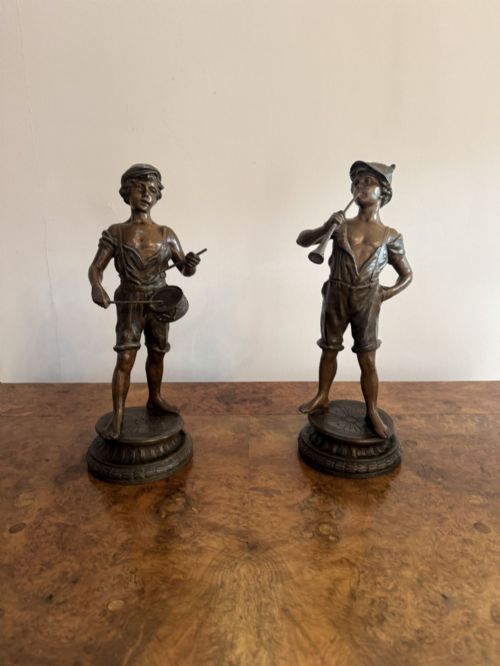
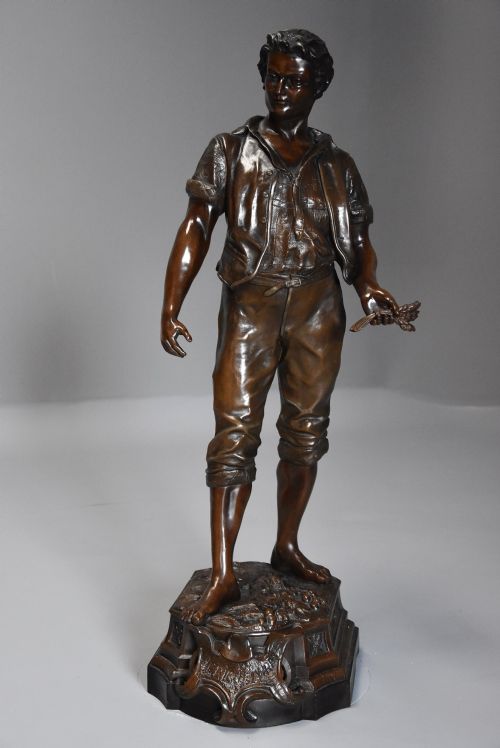
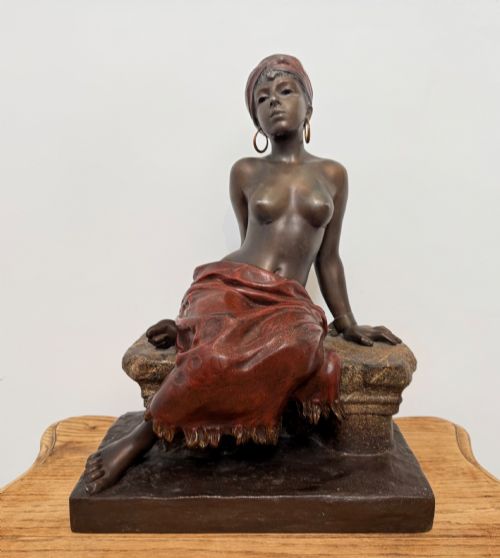
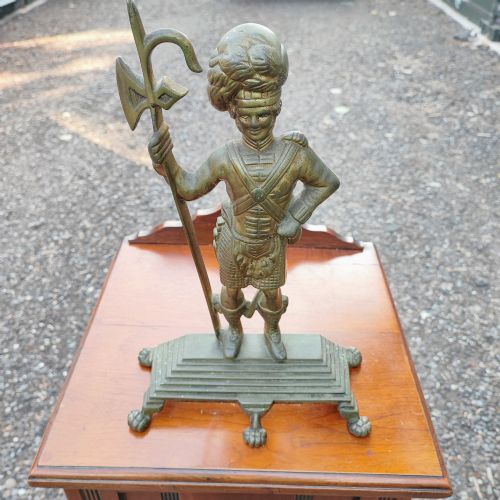
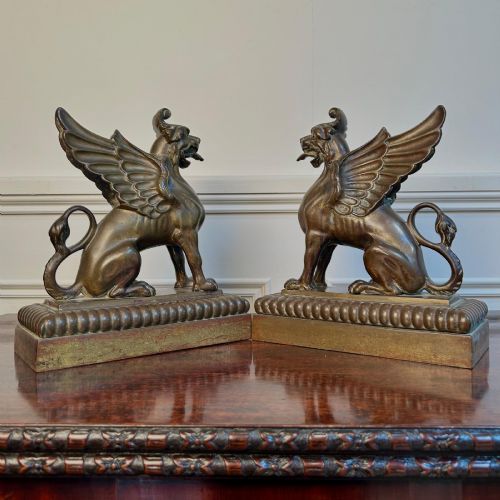
A victorian metal figure brings character and weight to a room through cast bronze, iron, spelter, and brass.
Victorian Metal Figure
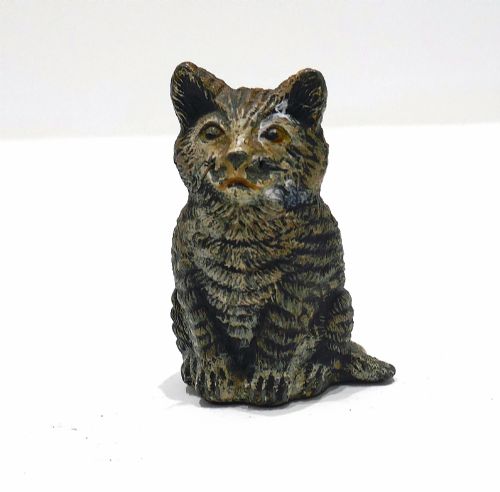
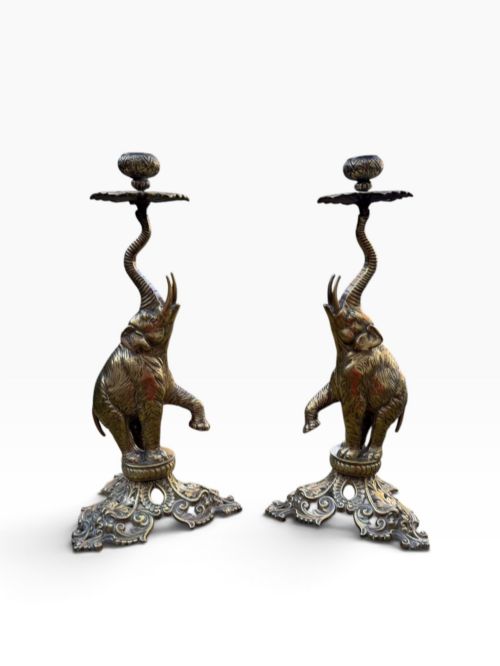
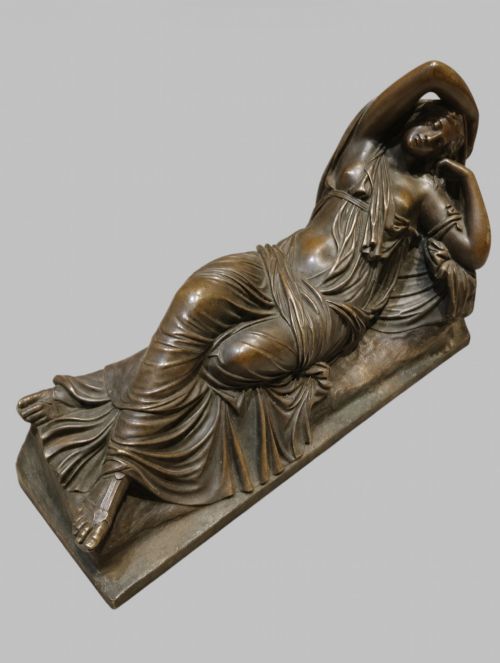
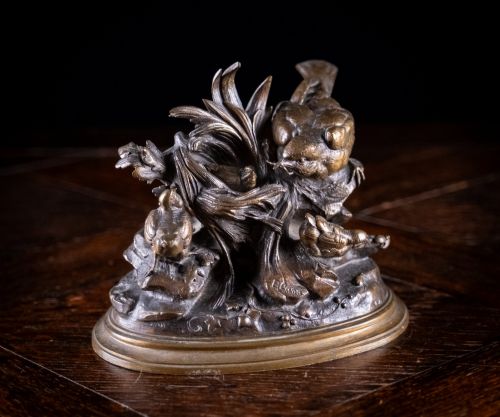
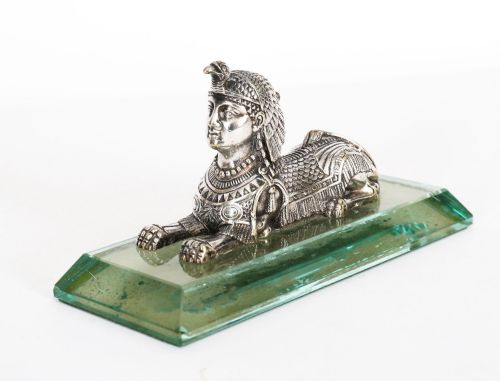
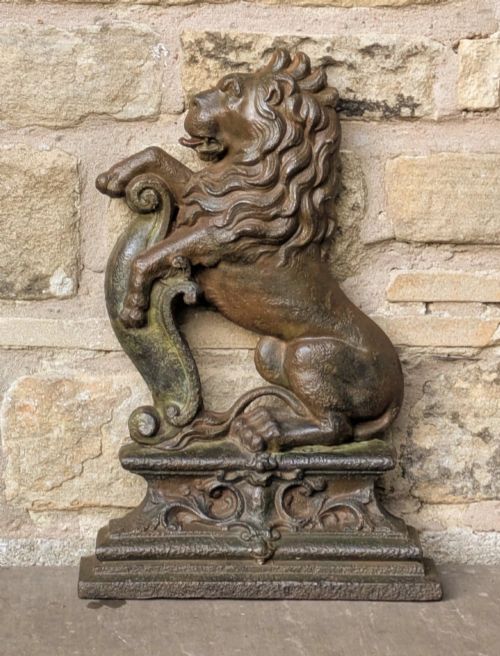
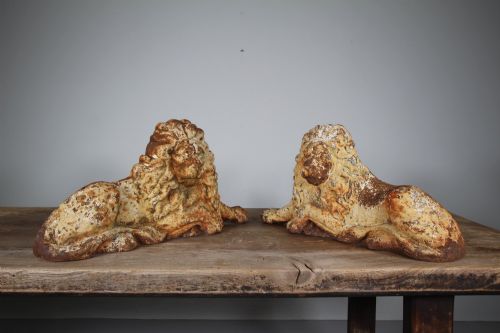
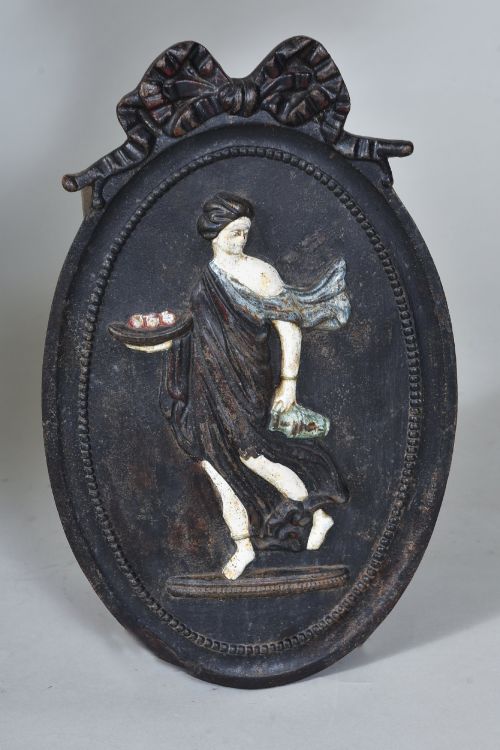
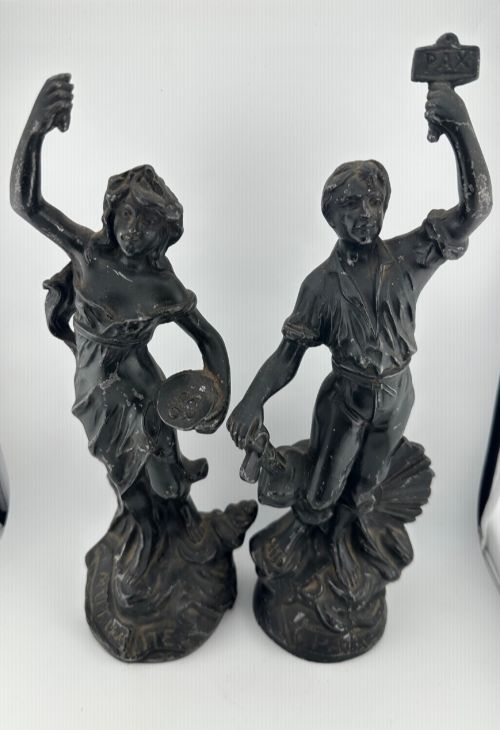
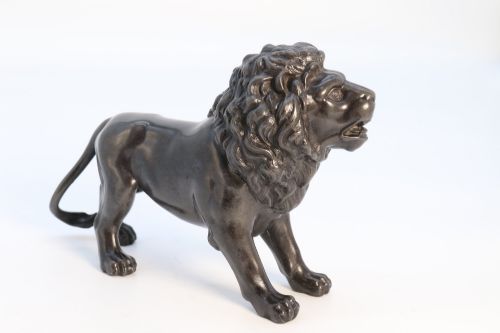
A victorian metal figure encompasses sculptures, doorstops, candlesticks, and wall plaques originating from the nineteenth century up to the early twentieth century. You will frequently encounter animalier studies, classical heroes, allegorical subjects, and everyday characters rendered in solid metal.
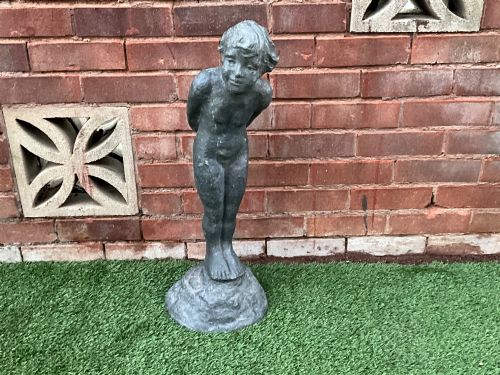
The objects span varied domestic and functional roles, moving from decorative mantel pieces and paperweights to heavy door porters and garden sculptures. French and English origins dominate the selection, showing distinct regional tastes in sculpture and casting.
How They Were Made
Foundry workers utilised bronze, cast iron, spelter, and brass, often applying patination, paint, or gilding to finish the surface. Bronze pieces received careful hot or cold patination, whilst softer spelter frequently carried a bronze-like or painted coating to mimic higher-value materials.
Casting methods combined traditional sand casting for iron doorstops and utility items with finer lost-wax techniques for detailed bronze sculptures and signed works. Many items incorporate secondary materials like marble bases or wooden mounts to provide stability and visual contrast.
Victorian Metal Figure Retail Price Guide 2026
Typical asking prices for victorian metal figure among the pieces listed under this phrase on Sellingantiques today, from the lower quarter to the upper quarter. They describe what is for sale here now, not the wider market.
Cast iron owls and lead pigs wait patiently to guard your garden or paper bills.
What Varies in Quality
The crispness of the chasing and finishing separates standard production items from superior studio work. Finer sculptures retain sharp facial expressions, clear drapery folds, and defined textures in hair and fur.
Signature marks from known sculptors and founders elevate a piece significantly. Heavier metal gauge, secure mounting on marble or wood bases, and original patination rather than later overpainting also distinguish better examples.
Lemoyne·F Milliot·E Villanis·Jean Jules Salmson·Gregoire
The Victorian Metal Figure Glossary
- Spelter
- A zinc alloy commonly utilised as a less expensive alternative to bronze during the nineteenth century. It takes fine detail well but remains softer and lighter than bronze.
- Animalier
- A nineteenth-century artistic style focusing on realistic depictions of animals, particularly lions, horses, and dogs in motion or repose. This genre gained immense popularity across France and Britain.
- Patination
- The natural or chemical surface coloration developed on metal over time or applied by the maker. A good patina adds depth and character to the sculpture.
- Chasing
- The hand-tooling of a metal surface after casting to refine details, clean up seams, and sharpen textures. Master chasings define the top tier of foundry output.
- Doorstop
- A functional heavy cast iron or brass figure designed to hold doors open. These utility items often doubled as whimsical folk art or character portraits.
Victorian Metal Figure: Frequently Asked Questions
How do I spot spelter?
Spelter is noticeably lighter than bronze and softer to the touch. It often shows a grey or white metal colour beneath worn spots on the surface.
Foundries frequently gave spelter a bronze-like finish to mimic costlier materials, but the underlying weight and density remain the clearest indicators.
Were these figures meant for display?
Many figures served purely decorative purposes on mantelpieces, desks, and sideboards as fine art or commemorative portraits. Others combined utility with ornament, functioning as doorstops, paperweights, candlesticks, or flower holders.
Household placement depended on the material, with heavy iron reserved for doors and delicate bronze kept in reception rooms.
How should I clean metal figures?
Dust gently with a soft dry brush to prevent dirt build-up in crevices and recessed details. Avoid harsh chemical cleaners or abrasive cloths that can strip away original patination and finishes.
Bronze and brass tolerate occasional light waxing, but painted or gilded surfaces require particular care to preserve the remaining pigment.
What is an animalier sculpture?
Animalier refers to nineteenth-century works dedicated specifically to the realistic study of animals. Sculptors captured wild and domestic beasts with anatomical precision and dramatic tension.
These subjects range from lions and stags to hunting dogs and horses, often mounted on marble bases.