

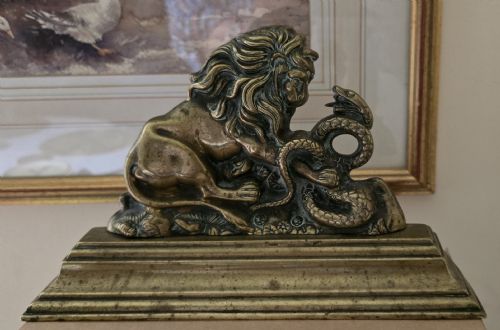


Victorian Metal Door Stop
A victorian metal door stop holds a heavy door open with weight and character, turning a practical necessity into a sculptural piece of hall furniture.
Victorian Metal Door Stop
A victorian metal door stop is a substantial weight designed to keep heavy interior doors from swinging shut in draughty hallways and parlours. These pieces appear in the evidence across the nineteenth century, encompassing Victorian, Late Regency, and Georgian periods.
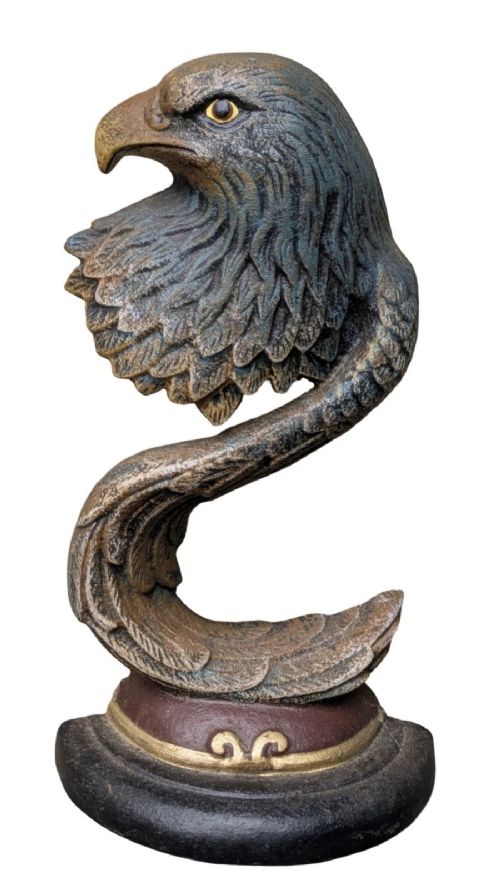
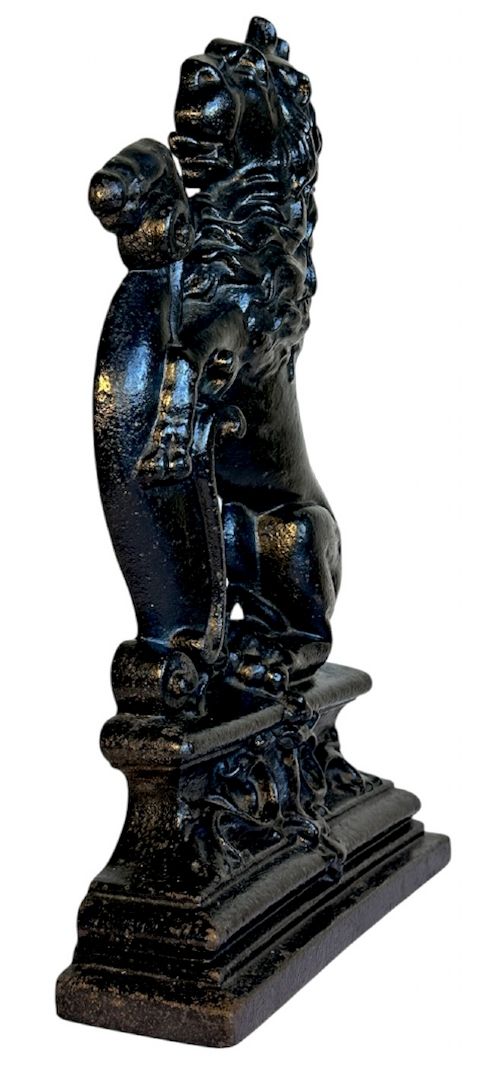
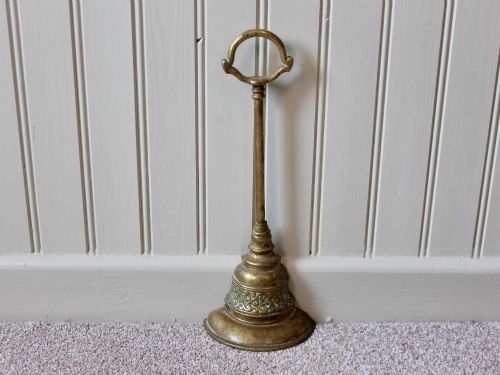
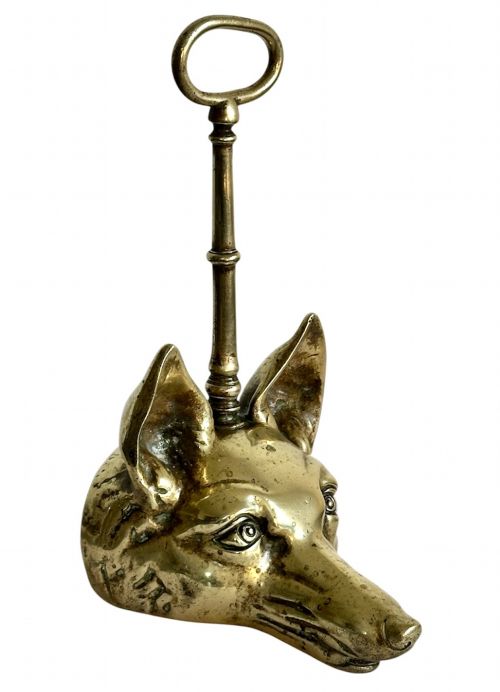
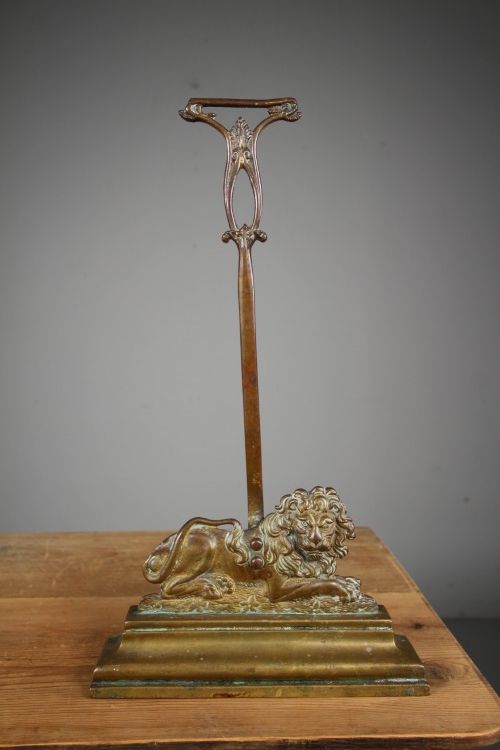
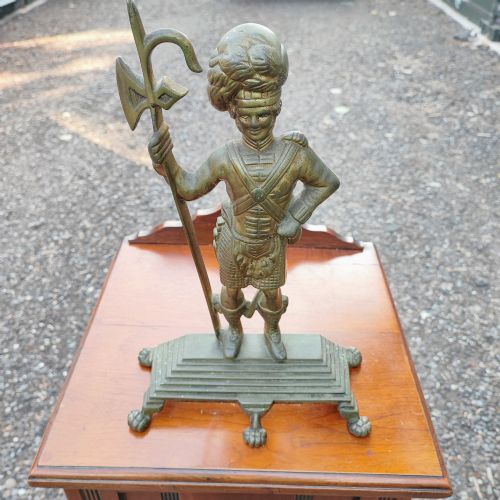
The form is most frequently met as a figurative casting, depicting animals such as lions, foxes, and spaniels, or character figures like Mr Punch and soldiers. Alongside standard doorstops, the evidence records pieces also functioning as door porters and occasionally andirons.
Makers and foundries utilised robust metals to ensure the piece could withstand daily household use. Collectors encounter these heavy objects in hallway settings where their sculptural presence adds traditional English character.
Materials and construction
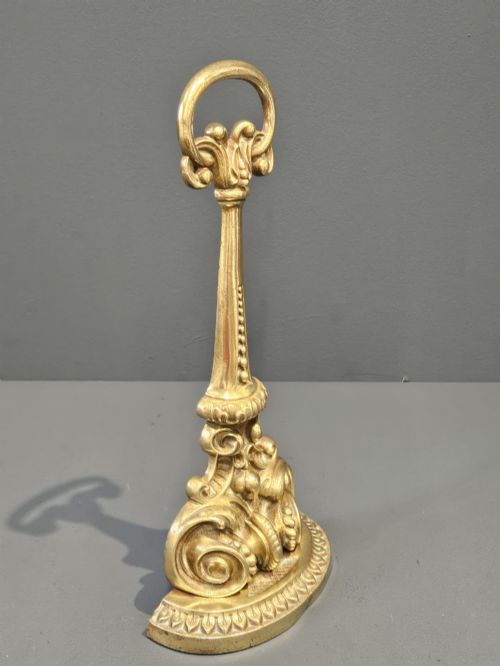
Foundries produced these objects primarily through metal casting, using materials such as cast iron, brass, cast brass, and bronze. Molten metal poured into moulds captured fine details in animal manes, facial expressions, and clothing folds.
Victorian Metal Door Stop Retail Price Guide 2026
Typical asking prices for victorian metal door stop among the pieces listed under this phrase on Sellingantiques today, from the lower quarter to the upper quarter. They describe what is for sale here now, not the wider market.
Figurative forms in the inventory range from rampant lions and fox heads to military figures and Mr Punch.
Assessing quality in metal door stops
The weight of the metal and the integrity of the base determine the piece's practical utility as a door keeper. Heavier, thicker metal sections provide the necessary mass to hold substantial doors securely in place.
Tonks
The Victorian Metal Door Stop Glossary
- Door porter
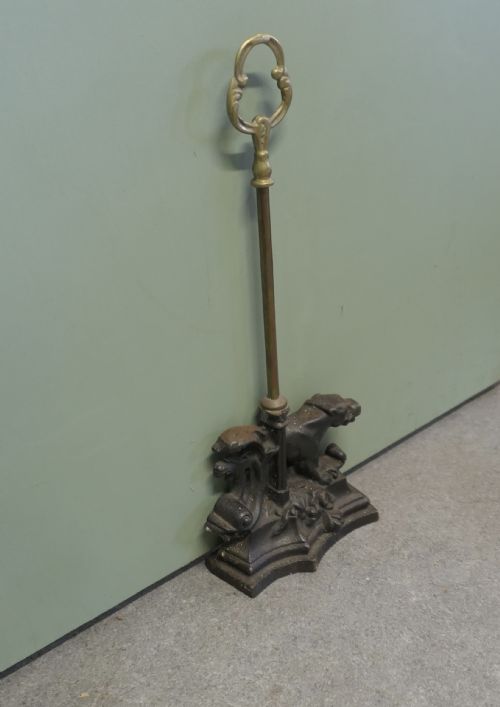
- A heavy vertical door stop featuring an integrated handle at the top, allowing the piece to be lifted and moved easily about the floor.
- Andiron
- A horizontal fire dog used to support logs in an open hearth, though heavier nineteenth-century examples occasionally doubled in function as substantial door stops.
- Figural
- Descriptive of an object shaped to represent a human, animal, or character rather than following a purely geometric or abstract design.
- Recumbent
- Posing an animal in a lying or resting position, often seen in cast iron lion door stops designed to sit flat against the skirting board.
- Foundry
- The workshop or industrial facility where metal was melted and poured into moulds to create these heavy decorative iron and brass objects.
Victorian Metal Door Stop: Frequently Asked Questions
How heavy is a typical metal door stop?
These pieces are cast in solid metals like iron and brass to provide the substantial mass needed to hold heavy interior doors firmly in place.
Because they were engineered purely for utility alongside decoration, their physical weight remains their most defining practical characteristic.
Were these always used just for doors?
While primarily cast to act as door keepers and porters, the heavy metal construction meant some versatile nineteenth-century pieces shared duties with hearth furniture.
Heavier examples recorded in the period occasionally served dual purposes as andirons by the fireplace before finding their way to hallway doors.
What figures are most common?
Animal forms dominate the selection, with lions, foxes, horses, and spaniels frequently appearing across the nineteenth-century listings.
Character figures such as Mr Punch, soldiers, and historical personalities also feature prominently as decorative subjects.
How do I care for cast iron and brass?
Maintenance depends entirely on the original finish, requiring dry dusting for painted cast iron surfaces to preserve any remaining early pigment.
Brass and bronze pieces tolerate gentle cleaning to maintain their metallic lustre without stripping away the character accumulated over decades of domestic use.