





Victorian Metal Bowl
A victorian metal bowl brings heavyweight presence to a room, shifting between utilitarian copper kitchen pans and elaborate brass or bronze display pieces.
Victorian Metal Bowl
A victorian metal bowl covers a wide territory of domestic and decorative objects produced during the nineteenth century. Buyers encounter utilitarian kitchen vessels alongside formal display items designed for the parlour.
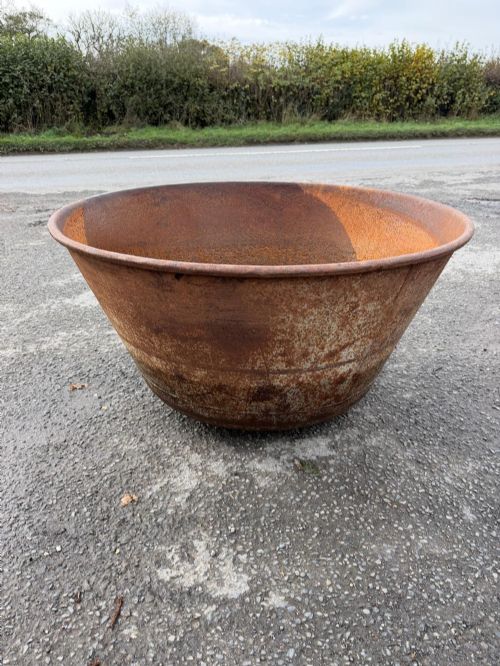
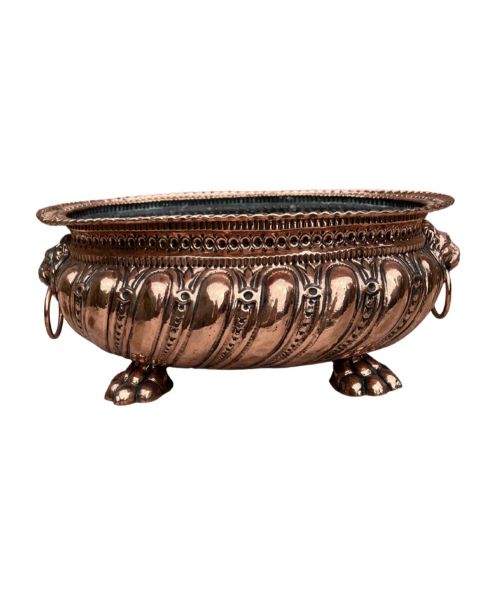
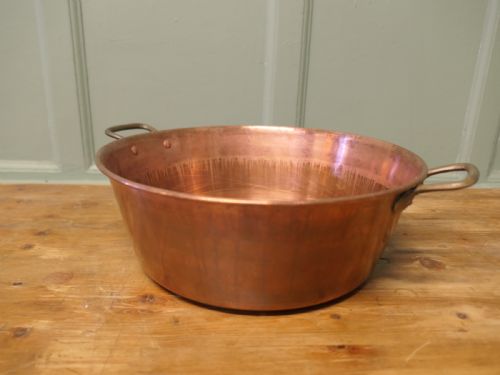
The practical forms include heavy copper preserve pans, jam pans, and grain measures fitted with brass handles. These robust utilitarian items sit alongside ornamental jardinieres, planters, and pedestals.
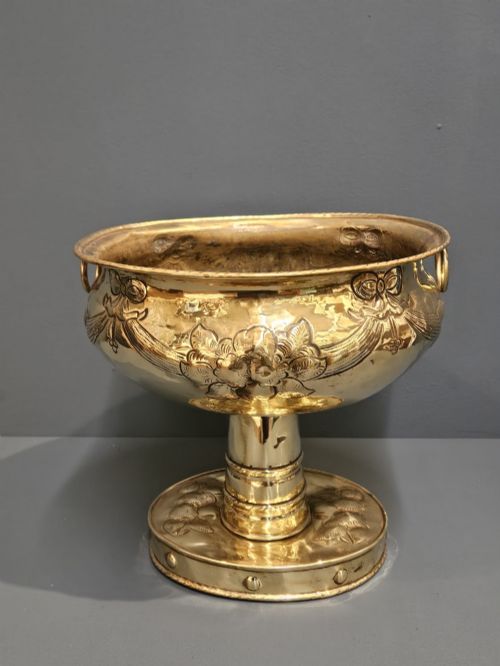
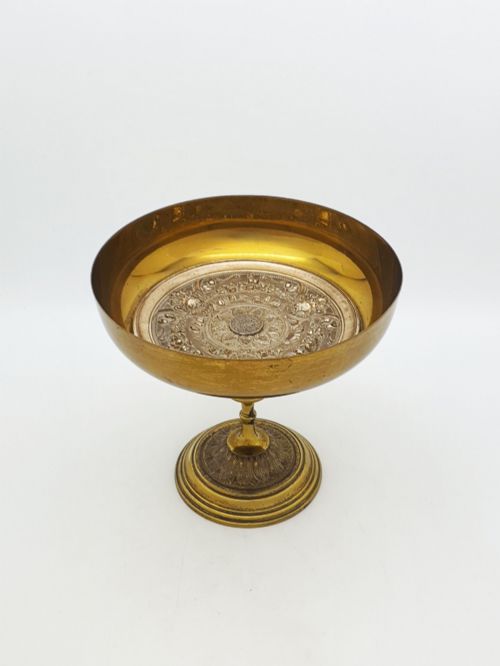
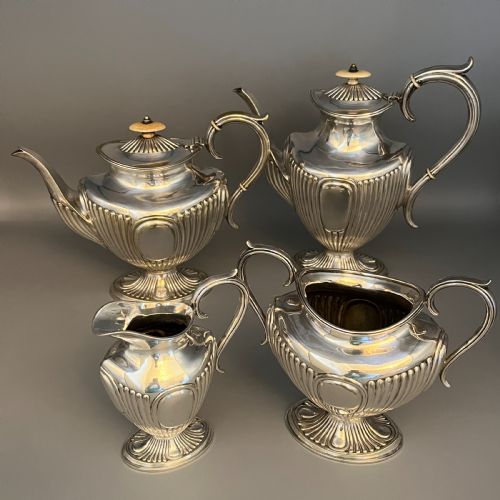
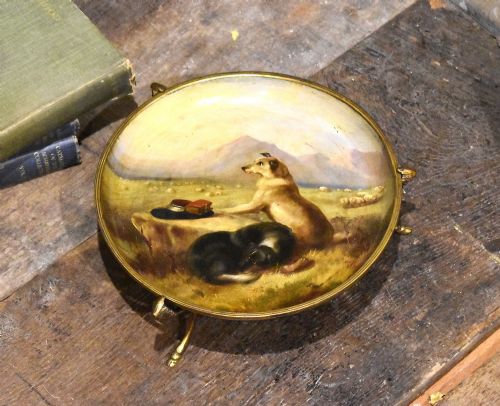
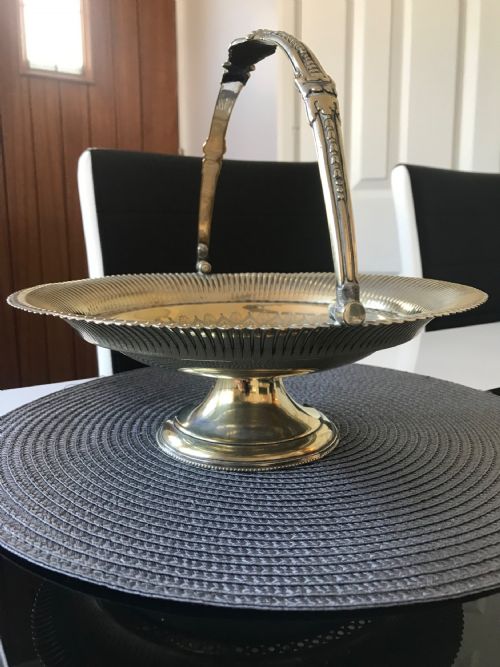
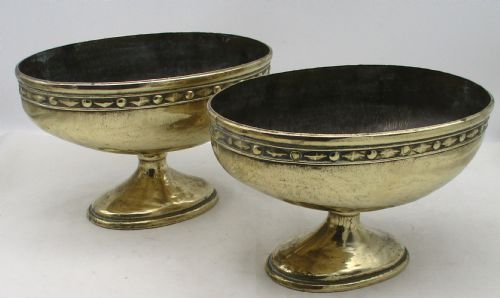
Display vessels take the form of tazzas, centrepieces, and cairoware bowls utilising mixed metals. Origins stretch from British workshops to Indian ceremonial pieces and East Asian bronzes.
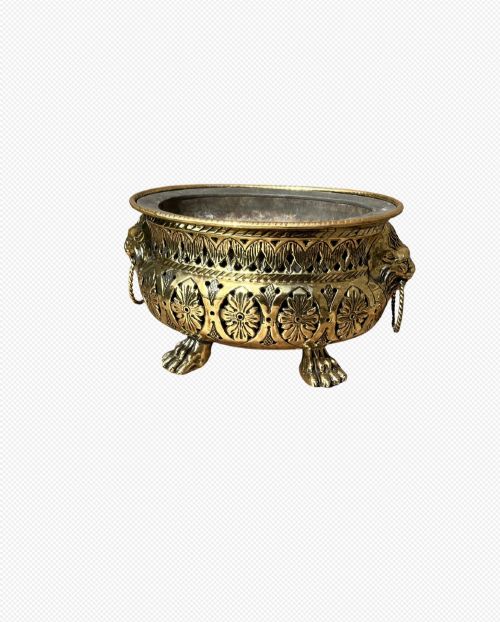
Stylistic influences span neoclassical fruit baskets, gothic brass planters with lion mask handles, and French rococo revivals. The selection reflects both everyday utility and decorative ambition.
Materials and Techniques
Makers utilised copper, brass, bronze, iron, and silver plate to shape these vessels. Heavy copper pans display robust hammering and riveted brass handles built for longevity.
Decorative pieces incorporate champleve, cloisonne enamel, gilt bronze, and inset agate cabochons. Repousse techniques bring texture to brass planters featuring animal heads and engraved patterns.
Cast iron garden urns and lead planters demonstrate heavier moulding techniques for outdoor settings. Combinations of mixed metals appear in cairoware items, merging contrasting tones.
Victorian Metal Bowl Retail Price Guide 2026
Typical asking prices for victorian metal bowl among the pieces listed under this phrase on Sellingantiques today, from the lower quarter to the upper quarter. They describe what is for sale here now, not the wider market.
Some nineteenth-century brass bowls feature fierce lion mask handles, ready to guard the afternoon biscuits.
Assessing the Pieces
Quality rests in the weight of the metal and the crispness of the hand-finishing. Heavy gauge copper pans and solid cast bronzes hold their structural integrity better than lighter counterparts.
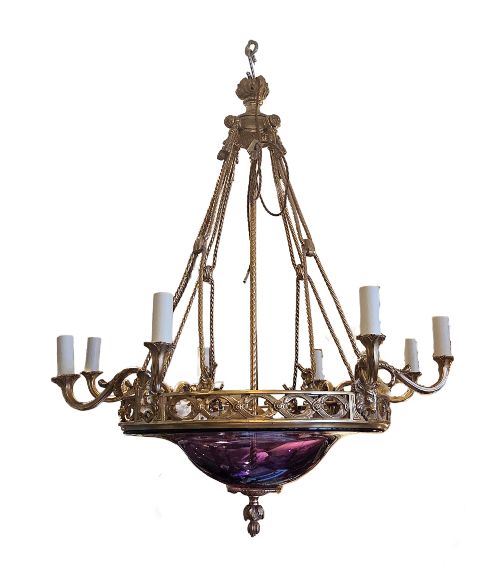
Ornamental detail separates standard production from superior examples. Pierced brass work, sharp repousse definition, and precise enamelling indicate skilled craftsmanship.
Proportion and the integration of handles or mounts determine visual balance. Well-cast handles and secure joints demonstrate deliberate construction rather than rushed assembly.
The Victorian Metal Bowl Glossary
- Jardiniere
- A large decorative pot or stand designed to hold plants or flowers. These items often sit on pedestals or tables in nineteenth-century interiors.
- Tazza
- A shallow ornamental bowl or cup mounted on a stem and foot. They function primarily as centrepieces or display dishes on tables.
- Repousse
- A metalworking technique where the metal is hammered from the reverse side to form a raised design. This method creates textured surface relief on brass and copper.
- Cairoware
- Metalwork produced in Egypt featuring intricate silver and copper inlay on a brass ground. Victorian collectors prized these exotic imported pieces.
- Cloisonne
- An ancient technique for decorating metal object surfaces with enamel compartments. Thin metal strips define the boundaries for coloured paste fillings.
Victorian Metal Bowl: Frequently Asked Questions
What were copper preserve pans used for?
These heavy vessels served kitchens for boiling fruit and sugar down into jams and preserves. Their thick copper walls distributed heat evenly across the base.
Today they function effectively as hearthside log holders or large planters. The substantial weight reflects their original culinary utility.
How do I care for a brass jardiniere?
Dust the surface regularly with a soft dry cloth to prevent grime accumulation. Avoid harsh chemical cleaners that strip historical patination.
If planting directly inside, use a plastic liner to protect the metal from moisture damage. Natural weathering adds character to pieces kept in conservatory settings.
How can I tell a nineteenth-century piece from a later copy?
Examine the construction marks, tool traces, and joins on the metal. Hand-beaten copper displays irregular hammer blows rather than uniform machine rolling.
Patina develops naturally over decades through handling and exposure. Look closely at the fastenings and weight to gauge the manufacturing period.