

Victorian Mechanical Watch
A victorian mechanical watch represents an intricate intersection of nineteenth-century engineering and portable art, prized for its complex internal gear train.
Victorian Mechanical Watch
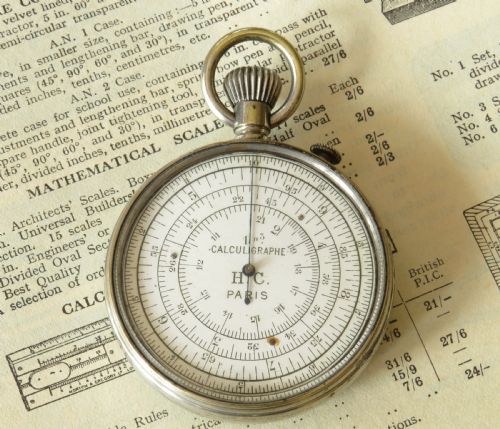
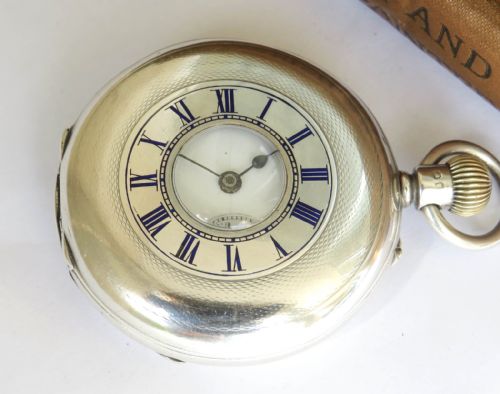
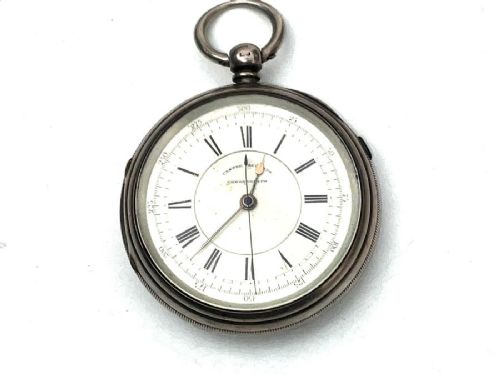
A victorian mechanical watch encompasses portable timepieces and related scientific instruments driven by wound springs and complex gear trains rather than electricity. These items span pocket watches, deck chronographs, half hunters, and specialised calculators dating from the nineteenth century into the early decades of the twentieth century.
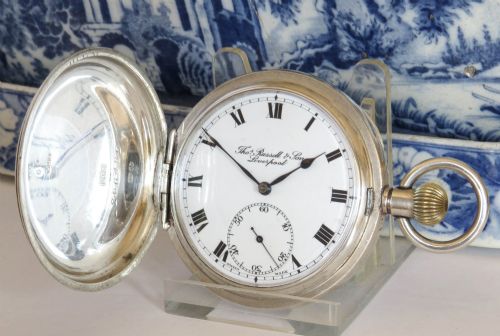
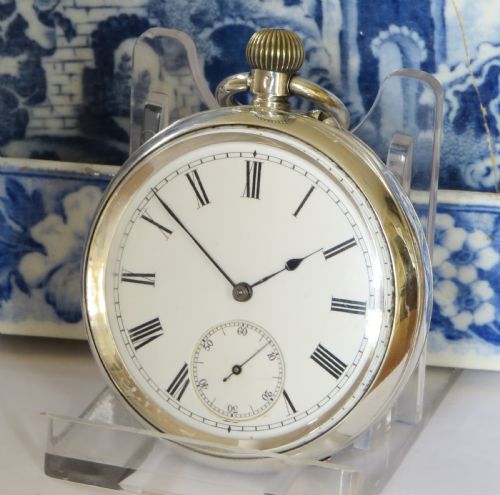
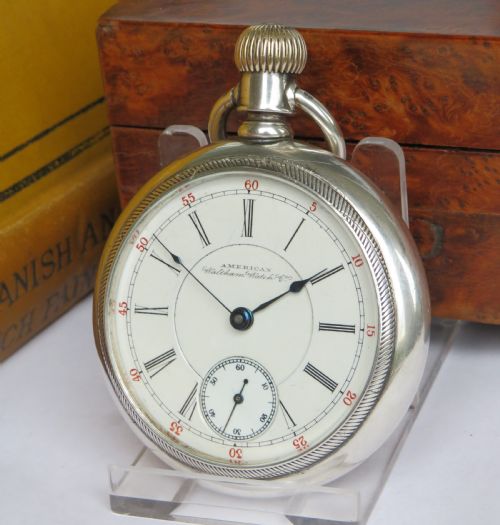
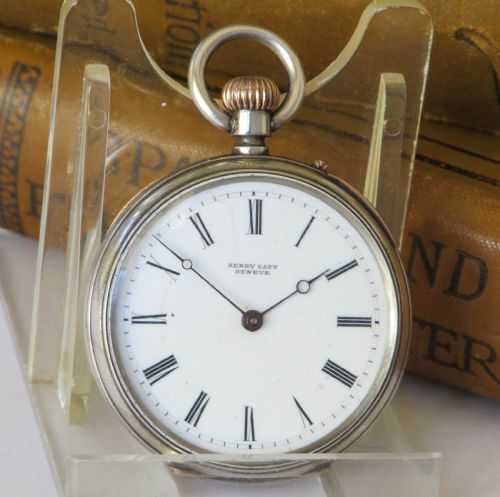
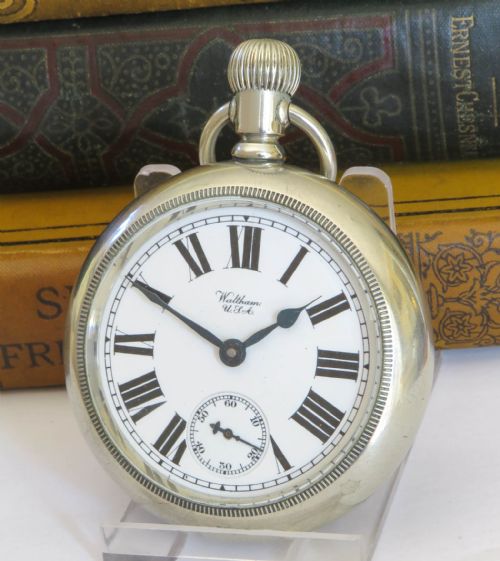
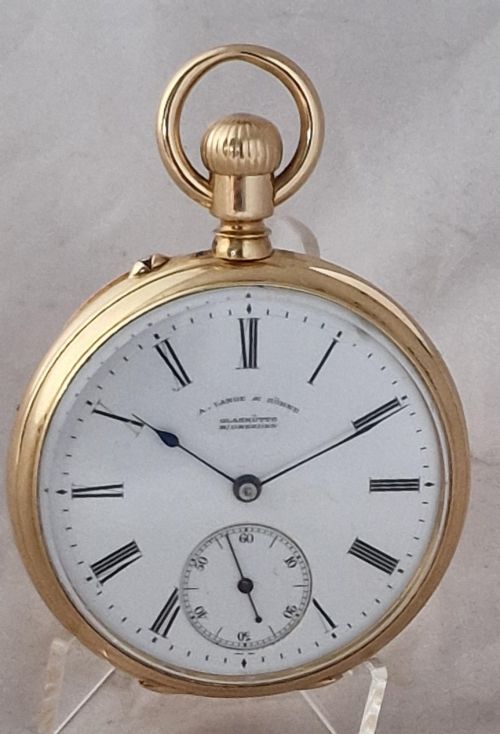
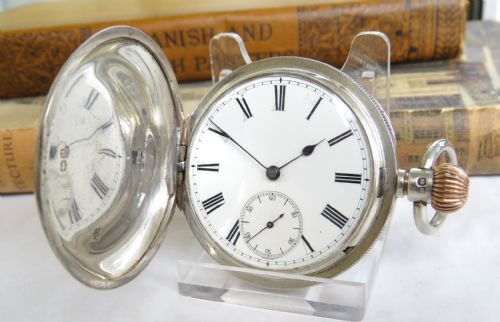
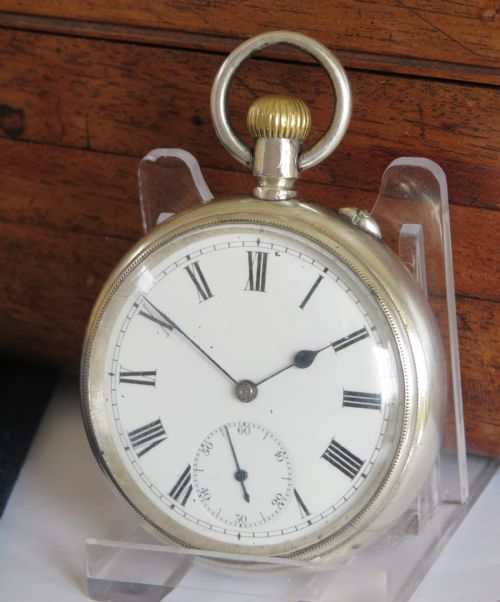
The versions most commonly encountered on this page include silver and gold pocket watches produced by established makers, alongside novelty or railway timepieces. Enamel dials, glass crystals, and metal cases of silver, gold, brass, or gun metal define the physical form of these survivals.
How they were made
Makers utilised precious metals such as eighteen-carat gold, sterling silver, and nickel to house delicate internal mechanisms constructed from steel and brass. Fusee chains, lever escapements, and intricate gear assemblies were assembled by hand to regulate timekeeping.
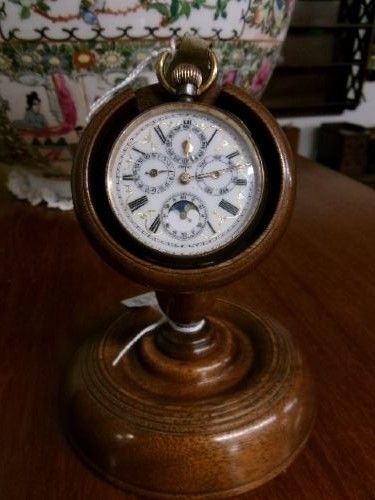
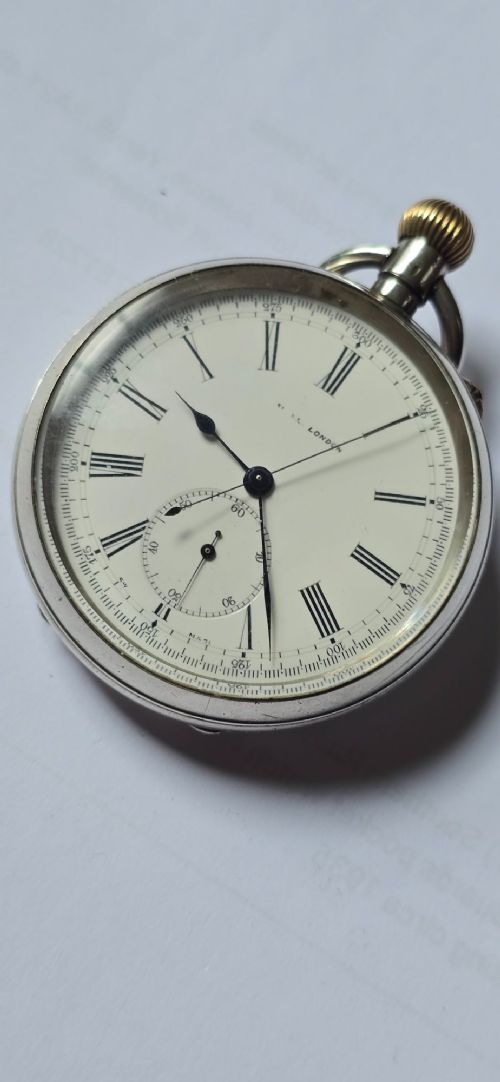
Dials frequently incorporated white enamel with painted numerals, protected by glass crystals and fitted within hinged metal cases. Specialised instruments added steel sliding rules, calendar moonface complications, and split-seconds chronographs to the baseline mechanical framework.
Victorian Mechanical Watch Retail Price Guide 2026
Typical asking prices for victorian mechanical watch among the pieces listed under this phrase on Sellingantiques today, from the lower quarter to the upper quarter. They describe what is for sale here now, not the wider market.
Listings span periods from early Victorian items to the 1930s, utilising materials including enamel, glass, silver, steel, gold, nickel, brass, and gun metal.
What varies in quality
The grade of a victorian mechanical watch depends upon the sophistication of its movement, such as whether it employs a fusee mechanism or a precision lever escapement. Higher tiers feature complex additions like minute repeaters, chronograph functions, or high-count jewel bearings within the gear train.
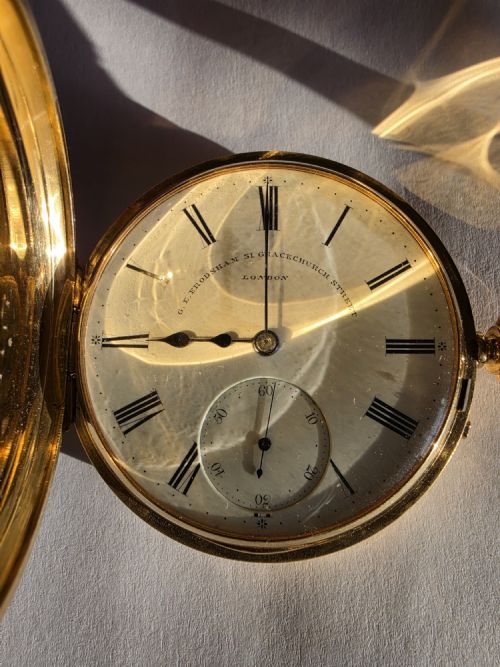
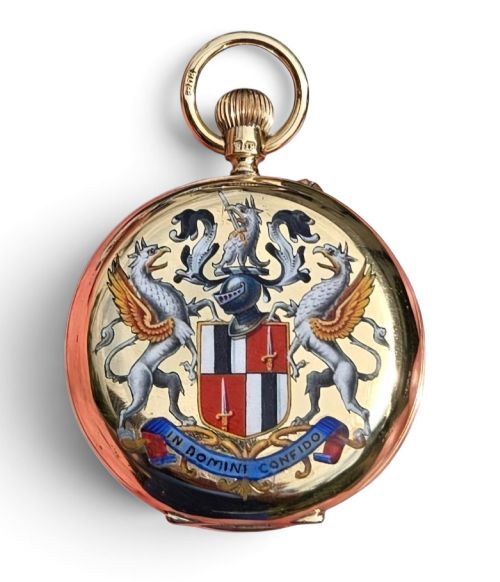
Casing materials and maker reputation also determine quality, ranging from standard nickel housings to heavy eighteen-carat gold cases signed by prominent horologists. The crispness of enamel dials and the preservation of engraved decoration further distinguish standard production from significant pieces.
Thomas Russell·Henry Capt·Waltham Appleton Tracy·George Edward Frodsham·Bickley London·R Stewart Glasgow·Lange And Sohne·Richardson·Longines·Stauffer·H Samuel·Negretti And Zambra·Baume And Co·J Lyndsey·Invicta·Waterbury USA
The Victorian Mechanical Watch Glossary
- Full hunter
- A pocket watch fitted with a protective metal cover over the dial that springs open via a push-piece. This design shielded delicate glass crystals from daily wear.
- Half hunter
- A pocket watch featuring a metal outer cover with a central glass or open aperture. This allows the wearer to read the hands without opening the case.
- Fusee
- A conical pulley used in older timepieces to equalize the diminishing power of the mainspring as it unwinds. It ensures consistent force is delivered to the gear train.
- Escapement
- The mechanism that converts continuous rotational force from the mainspring into controlled impulses. It governs the release of the gear train to drive the hands forward.
- Chronograph
- A watch equipped with a stopwatch function that can be started and stopped independently. Split-seconds versions include an extra hand to time intermediate intervals.
Victorian Mechanical Watch: Frequently Asked Questions
How do I wind a mechanical watch?
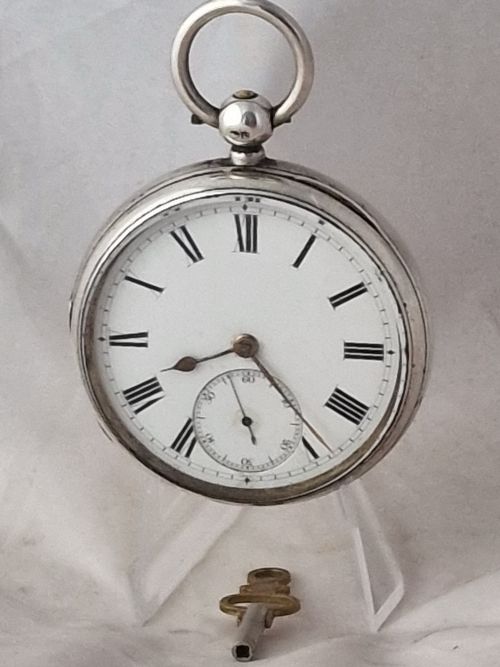
Most pocket watches wind via the crown at the top or through a small key inserted into the back dust cover. Care must be taken not to over-wind the mainspring.
Older fusee models often require a specific key operating through the dial or rear plate to tension the movement.
What is a railway timekeeper?
Railway timekeepers were high-precision pocket watches built to meet strict timing standards required for train operations. They prioritized clear dials and accurate lever movements.
These pieces often bear specific company names or railway titles engraved on the movement or case.
What makes a fusee movement different?
A fusee movement uses a conical drum and a tiny chain to regulate the pull of the mainspring. This compensates for the dropping tension as the spring runs down.
This traditional English method provides more uniform force to the escapement throughout the running cycle.