



Victorian Match Striker Case
These Victorian match striker case examples bring together period silver and novelty forms designed for lighting matches on the move.
Victorian Match Striker Case
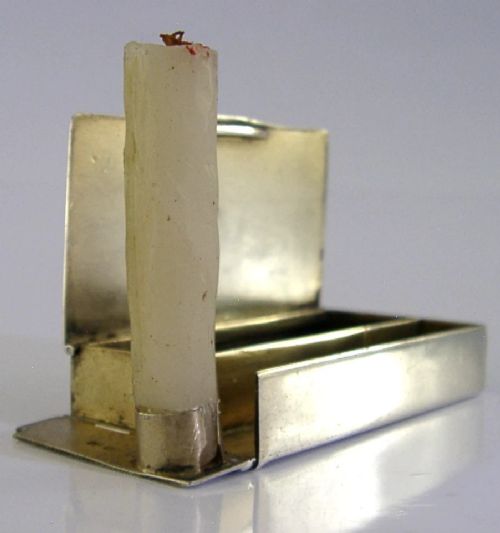
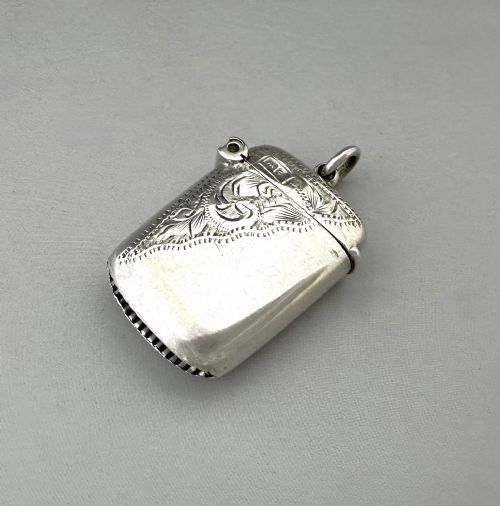
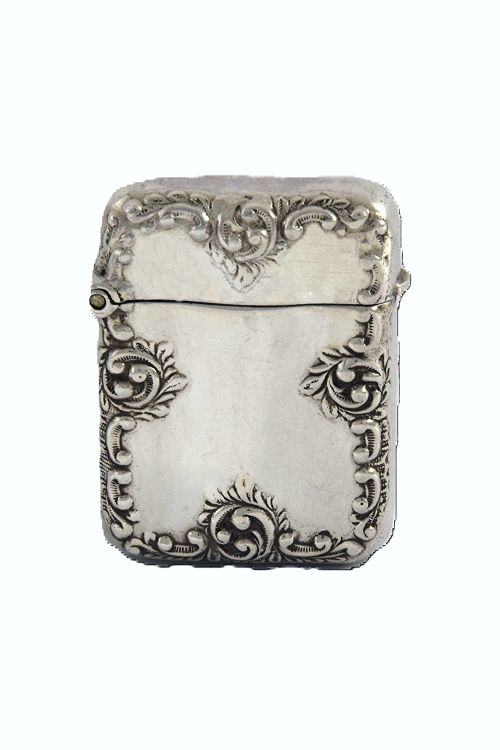
A victorian match striker case serves as a portable container for holding matches while providing an integrated surface for ignition. You will encounter standard pocket pieces alongside figural novelty versions shaped as animals, boots, and everyday objects.
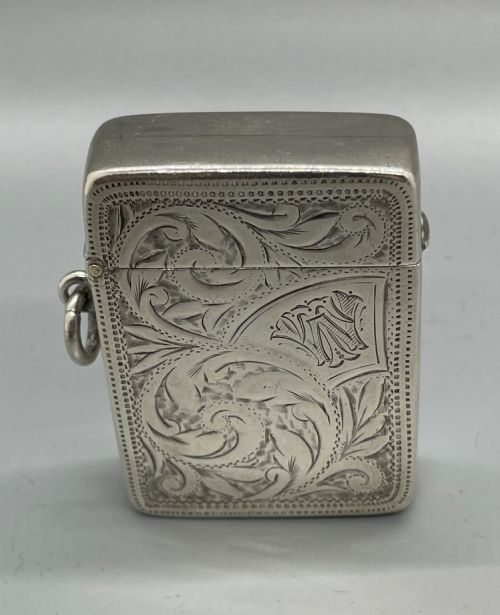
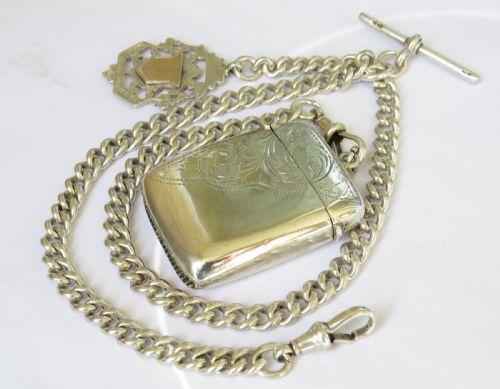
The materials span sterling silver, carved wood, enamel, and pottery, originating mainly from British makers during the nineteenth and early twentieth centuries. Many incorporate hinged lids and suspension loops to attach directly to watch chains or fobs.
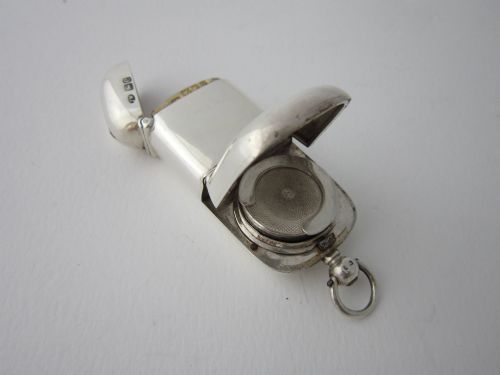
Combination pieces frequently appear in this selection, pairing the match container with sovereign holders, stamp compartments, or photographic frames. These multi-purpose designs reflect the practical demands of daily life before the widespread availability of safety matches.
Materials and construction techniques
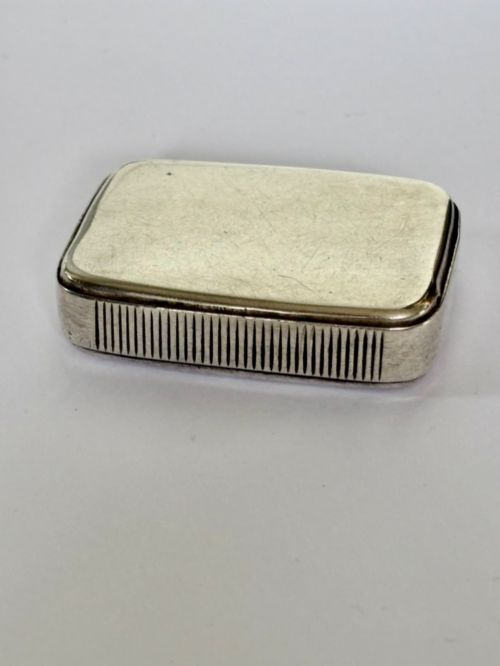
Metals such as sterling silver, brass, and silver gilt form the primary structural body of most pieces, shaped through pressing, casting, and hand engraving. Silversmiths applied textured striation panels to the base or side to generate the friction needed to ignite matches.
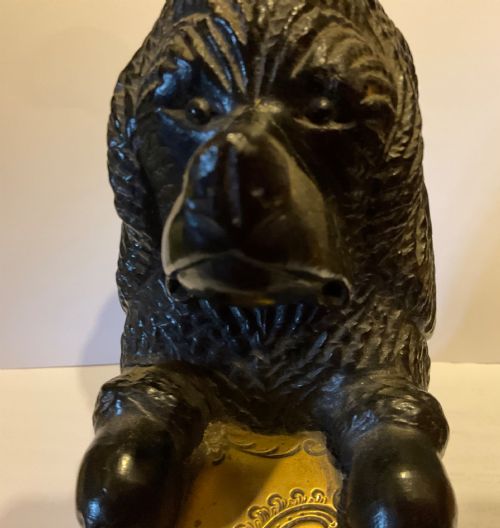
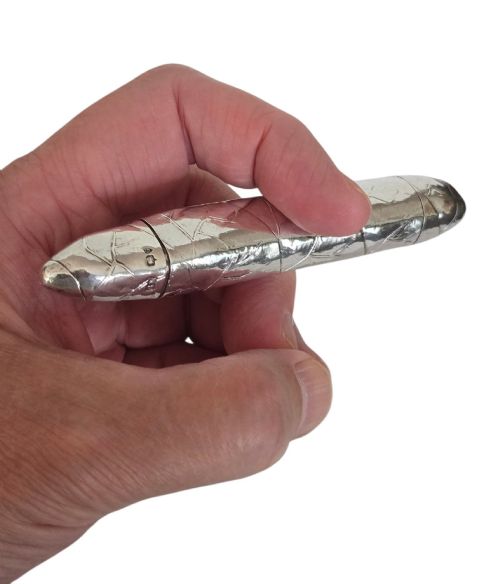
Novelty pieces utilise specialised modelling to capture distinct shapes such as dogs, cats, elephants, and cigars with hinged spring lids. Carved wood and pottery examples rely on traditional sculpting and fired glaze techniques to achieve their sculptural profiles.
The listings feature sterling silver alongside carved wood, enamel, brass, and pottery forms spanning the Victorian and Edwardian eras.
Distinctions in craftsmanship
The fidelity of sculptural form dictates the standard in novelty pieces, where crisp casting and detailed hand chasing distinguish superior examples from plain ones. Pieces shaped as animals or unusual objects rely heavily on the precision of the hinged lid and the alignment of the closure.
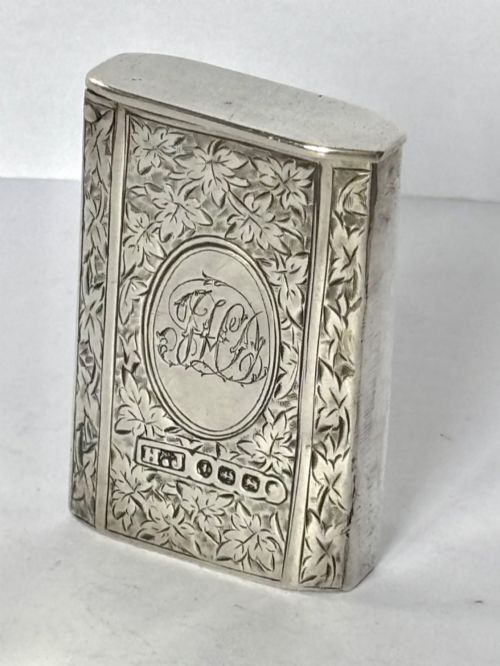
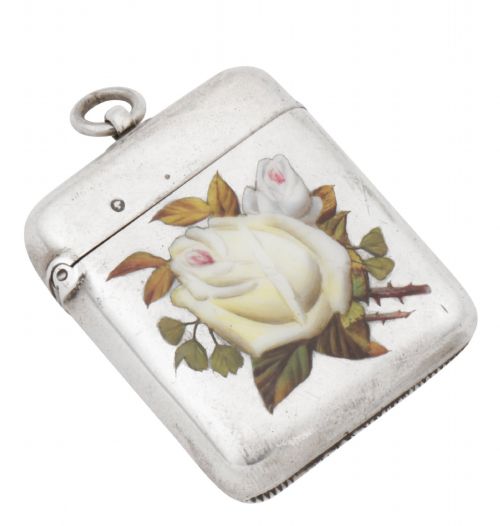
Engraved ornamentation and applied enamel decoration demonstrate the artisan's skill, particularly when handling miniature portraits or floral motifs. Clear hallmarks stamped into the metal provide assurance of origin, metal purity, and date.
Howard James Birmingham·Sampson Mordan Co·A J Zimmerman·William Neale·Minshull Latimer·William Hair Haseler
The Victorian Match Striker Case Glossary
- Vesta case
- A small pocket container designed to hold wax matches, known as vestas, featuring a striking surface on the base. These emerged during the mid-nineteenth century as smoking habits gained popularity.
- Hallmark
- An official stamp applied to precious metals indicating the standard of purity, the assay office of origin, and the year of manufacture. British silver typically displays a sequence of marks including a lion passant and date letter.
- Sovereign case
- A small round container engineered to hold British gold sovereign coins securely on a watch chain. Combination pieces joined this coin storage directly to a match holder.
- Silver gilt
- Silver that has been coated with a thin layer of gold on its interior or exterior surfaces. This technique added a rich colour and protected the underlying silver from tarnishing.
Victorian Match Striker Case: Frequently Asked Questions
What is a vesta case?
A vesta case is a small pocket-sized container manufactured to hold wax matches safely while keeping them dry. They feature a textured striker area on the exterior for lighting the match.
Most examples date from the Victorian and Edwardian eras when smoking pipes and cigars required carrying matches outdoors.
How were match striker cases carried?
Many pieces include a small suspension loop or ring designed to attach directly to a pocket watch chain or watch fob. Gentlemen wore them suspended from waistcoats for immediate daily access.
Others remained loose inside pockets or handbags alongside personal items.
How do I read silver hallmarks?
British hallmarks consist of a series of stamped symbols indicating the maker's mark, metal standard, assay office city, and date letter. These marks allow you to identify the exact year and location of manufacture.
Standard silver pieces usually display a lion mark denoting sterling quality.