
Victorian Marquetry Display Cupboard
A victorian marquetry display cupboard brings warmth and intricate timber work to a room while keeping treasured collections safe behind glass.

Victorian Marquetry Display Cupboard
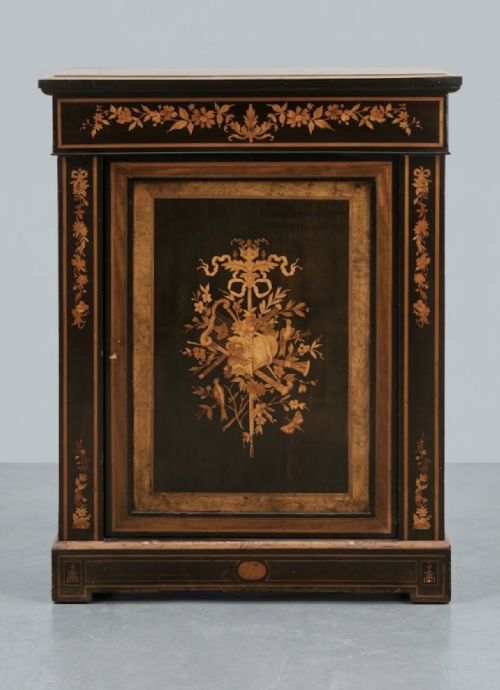
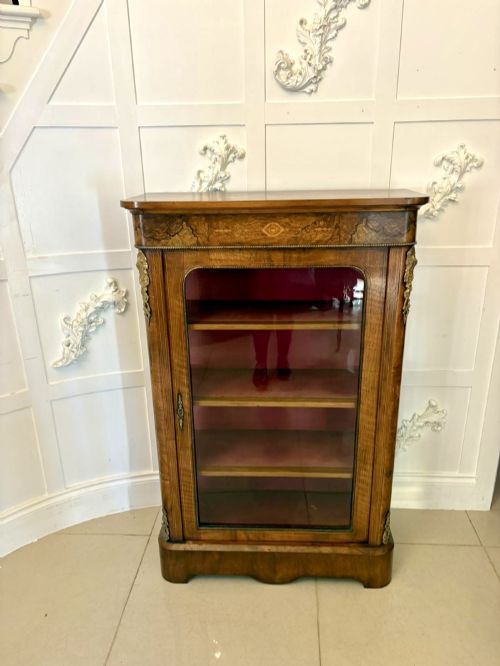
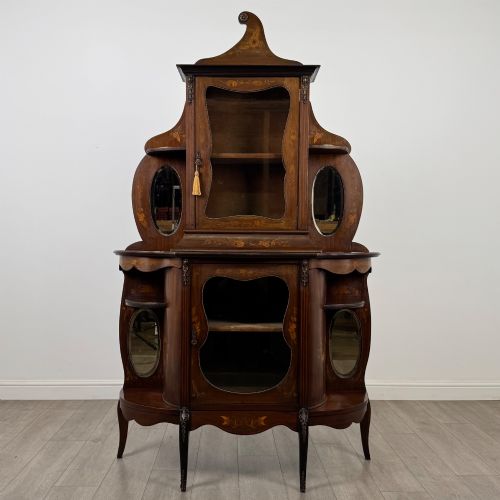
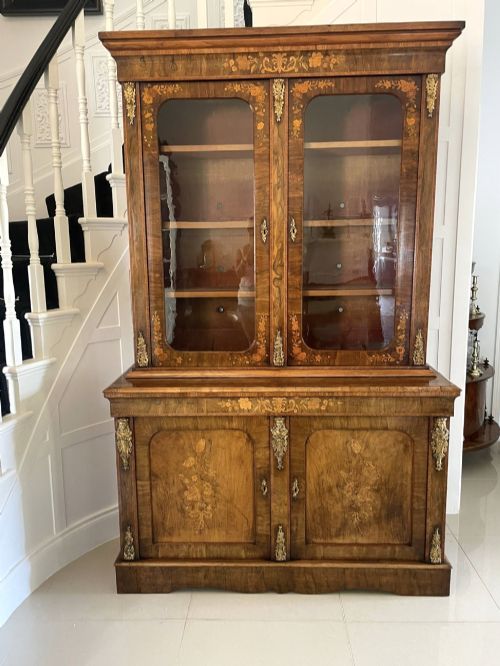
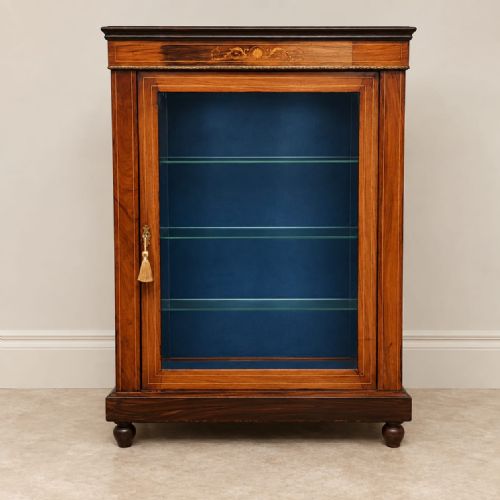
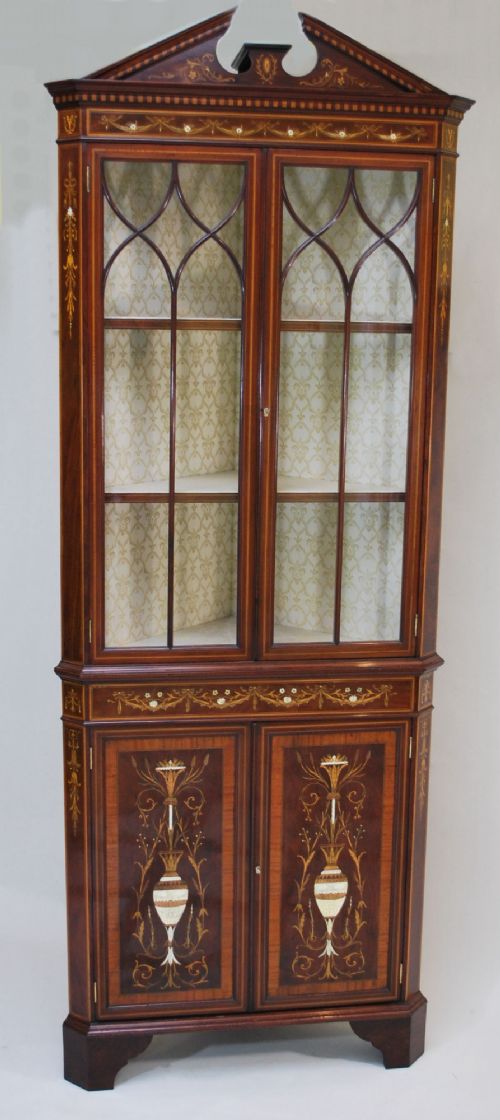
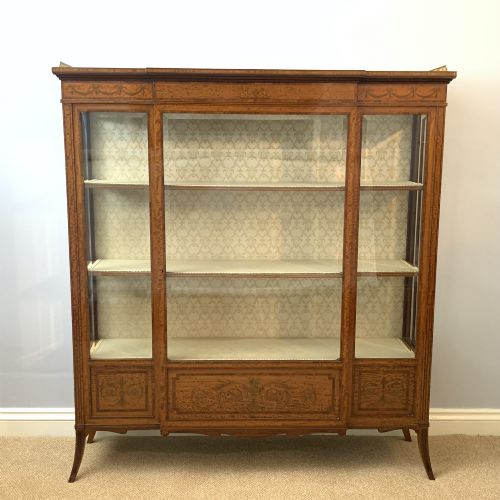
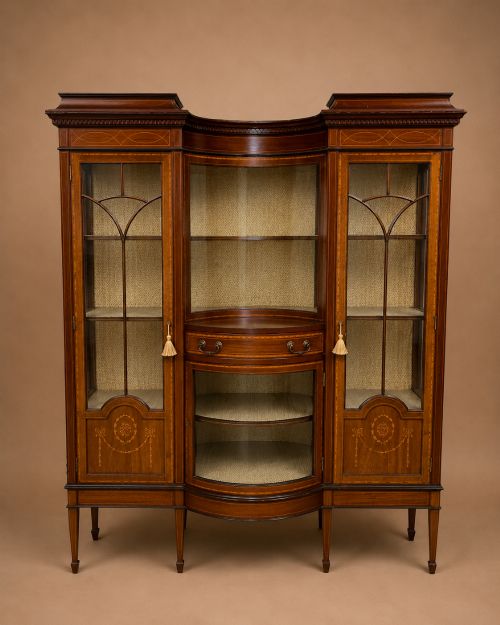
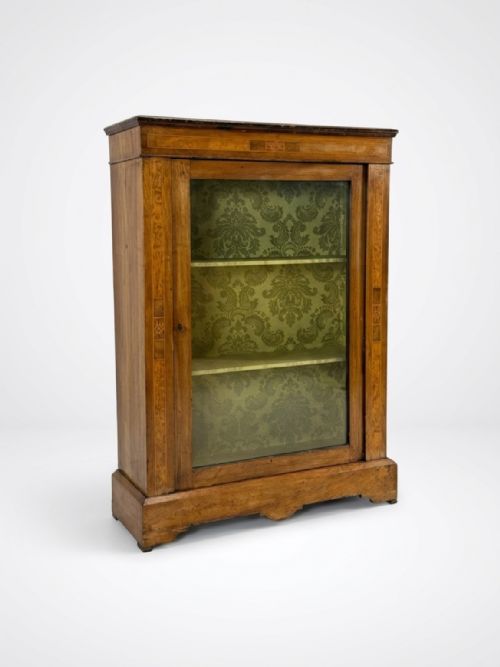
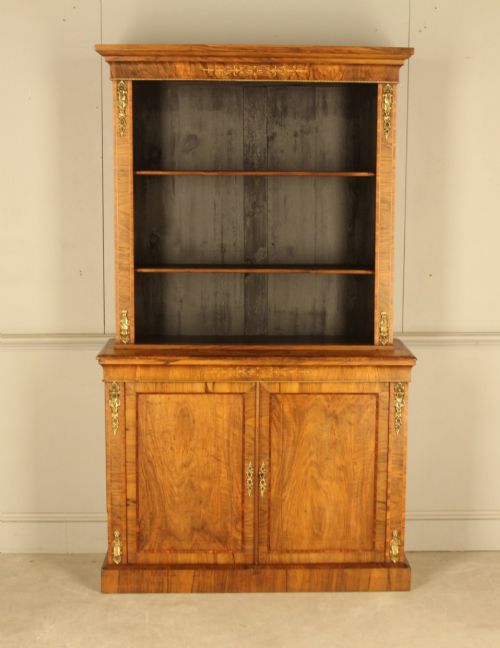
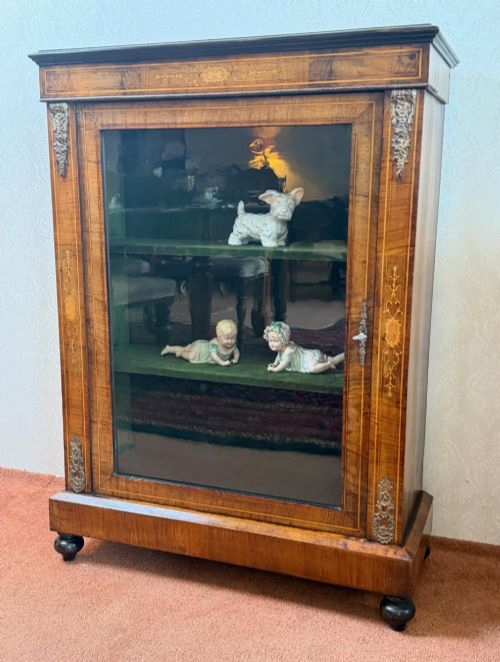
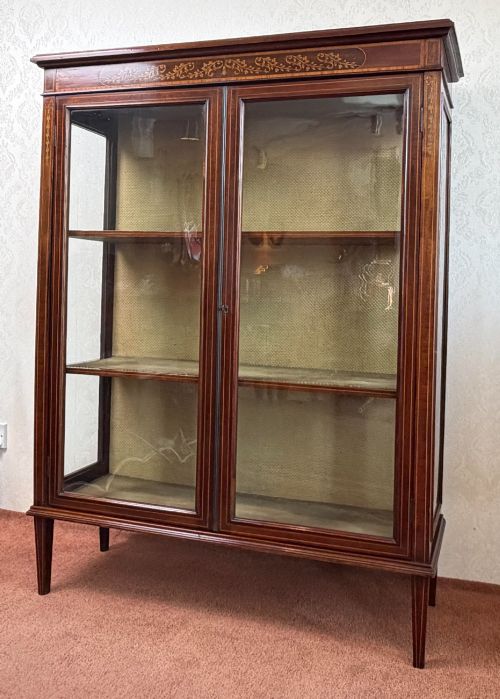
When searching for a victorian marquetry display cupboard, collectors encounter pieces designed to exhibit porcelain, glassware, and small ornaments within a formal reception room. These items typically take the form of pier cabinets, corner cabinets, side cabinets, and glazed bookcases dating from the nineteenth century.
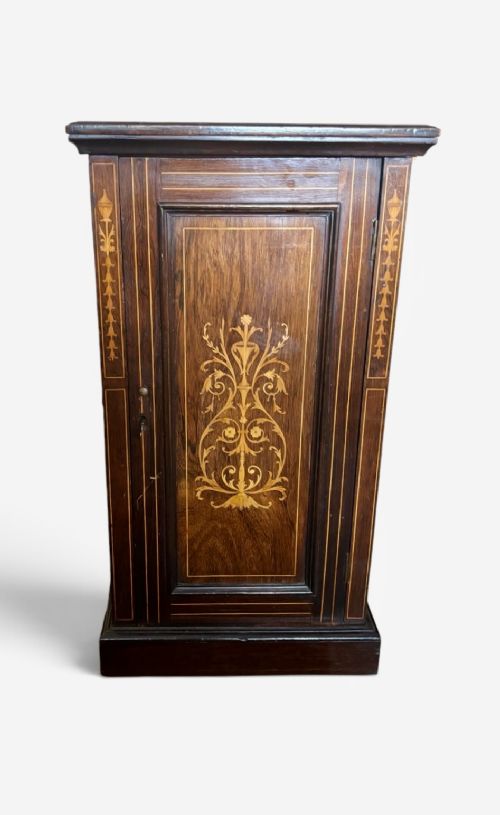
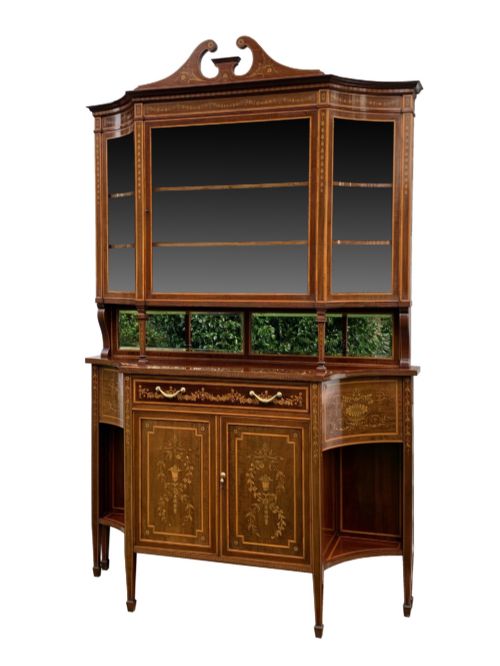
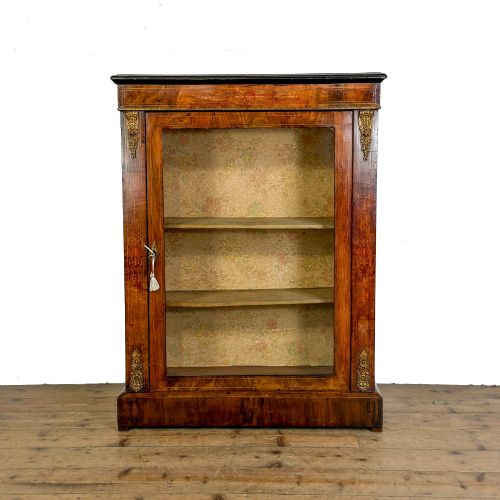
The version most commonly met on this page is the walnut or burr walnut pier cabinet, often accented with marquetry inlays and mounted with ormolu trims. Mahogany, satinwood, rosewood, and birds eye maple variants also appear alongside revival styles such as Sheraton Revival, Napoleon III, and French Revival.
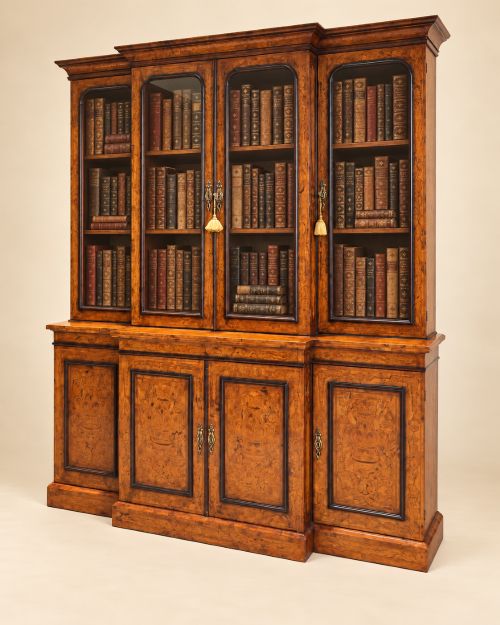
The forms range from narrow single-door freestanding cabinets meant for tight wall spaces to larger breakfront bookcases and credenzas. Makers such as Edwards and Roberts contributed to this tradition, producing refined inlaid furniture for affluent Victorian households.
How they were made
Cabinetmakers utilised dense native and exotic hardwoods such as walnut, mahogany, and satinwood, frequently applying burr walnut veneers to achieve complex grain patterns across the primary surfaces. Marquetry panels were constructed by carefully cutting contrasting timber veneers and fitting them together to form floral, geometric, or pictorial motifs.
Gilt bronze and ormolu mounts were cast and applied to corners, borders, and friezes to accentuate the architectural lines of the cabinet. Glass panes were fitted into timber doors to protect the interior shelves, while brass locks and hinges secured the enclosures.
The furniture spans the nineteenth century, including Victorian, Edwardian, and Regency revival periods.
What varies in quality
The standard of a victorian marquetry display cupboard rests upon the crispness of the timber inlay and the depth of the veneer selection. Pieces featuring finely figured burr walnut or meticulously detailed floral marquetry distinguish themselves from simpler, more plainly veneered alternatives.
The refinement of the cast ormolu mounts and the weight of the brass hardware indicate the original workshop tier. Superior examples exhibit seamless joinery, well-balanced proportions, and harmonious secondary timbers lining the interior compartments.
Edwards and Roberts·Edward Holmes Baldock
The Victorian Marquetry Display Cupboard Glossary
- Marquetry
- The decorative art of applying cut veneer pieces to a structure to form detailed pictures or patterns. It requires immense precision to ensure the various timbers fit together without gaps.
- Ormolu
- Gilded bronze mounts applied to furniture edges and mounts. This French technique adds a golden metallic contrast to the dark wood surfaces.
- Pier cabinet
- A low, freestanding display cabinet designed specifically to fit the wall space between two windows. These pieces often feature glass doors and velvet-lined interiors.
- Burr walnut
- Timber taken from the wart-like growths on walnut trees, producing a turbulent and highly decorative grain. It forms the prized primary surface on many fine nineteenth-century cabinets.
- Breakfront
- A piece of furniture where the central section projects forward from the flanking wings. This architectural arrangement creates depth and shadow on larger bookcases and side cabinets.
Victorian Marquetry Display Cupboard: Frequently Asked Questions
How do I care for inlaid wood?
Keep inlaid wooden furniture away from direct sunlight and heat sources to prevent the veneers from drying out and lifting. Regular dusting with a soft, dry cloth preserves the polished surface.
Apply a quality furniture wax sparingly when the timber appears dry, buffing gently to maintain the soft sheen on the walnut or mahogany.
Were these cabinets used for books?
Many taller examples served as glazed bookcases for leather-bound volumes and family libraries. The glass doors protected delicate paper bindings from ambient room moisture and dust.
Shorter pier and side cabinets were primarily designated for displaying porcelain figures, decorative glassware, and curiosities.
How do I spot a revival style?
Revival pieces incorporate eighteenth-century design motifs, such as the classical symmetry of Sheraton furniture or the ornate marquetry associated with French court pieces. Makers during the Victorian era frequently reinterpreted these historical aesthetics using contemporary machinery and finishing techniques.
Examining the secondary timbers and construction methods helps distinguish a nineteenth-century revival piece from an original eighteenth-century antique.