



Victorian Maritime Trunk
A victorian maritime trunk is a sturdy travel chest built for officers and merchants on the move, offering robust storage with enduring utility.
Victorian Maritime Trunk
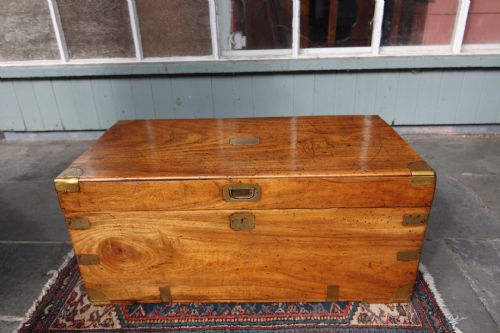
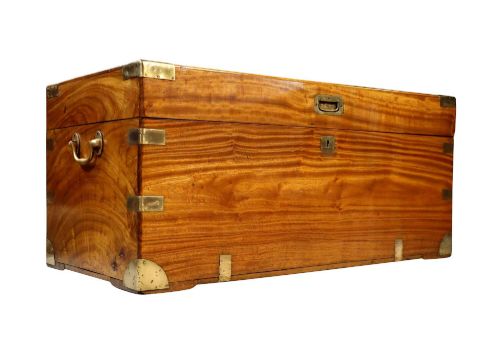
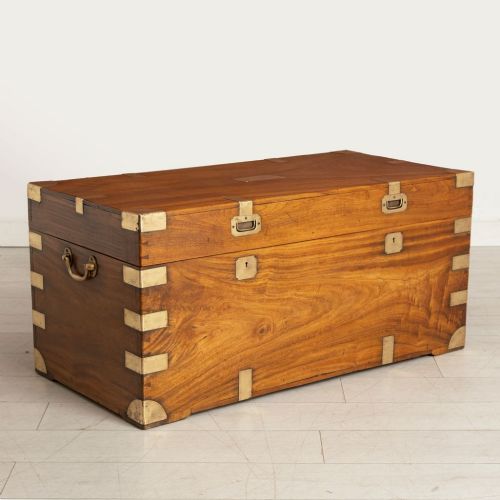
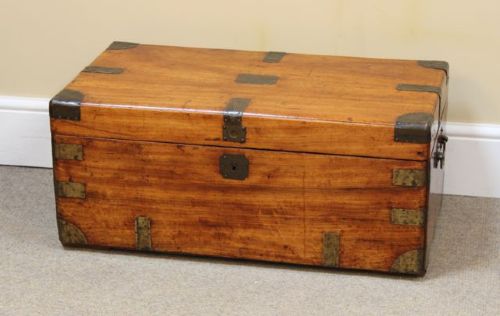
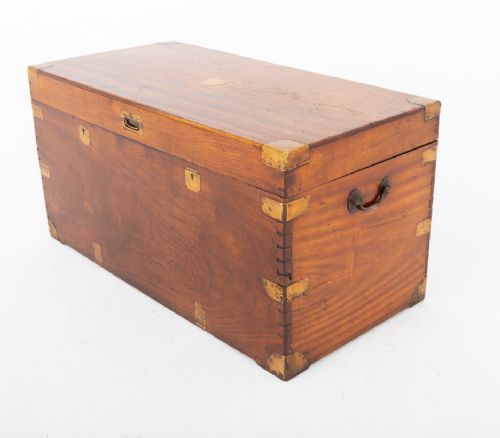
A victorian maritime trunk typically takes the form of a brass-bound camphor wood or teak chest designed for travel and military campaign use. These pieces serve as durable storage boxes, blanket boxes, or travelling trunks shaped by the needs of 19th-century transit.
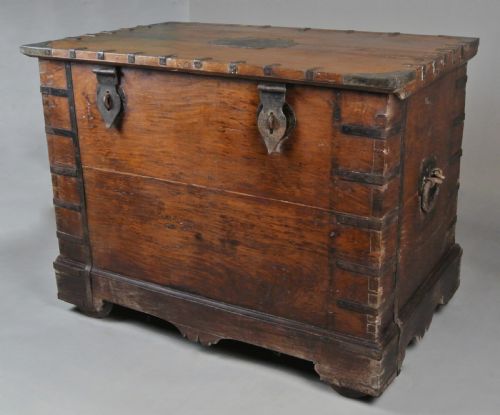
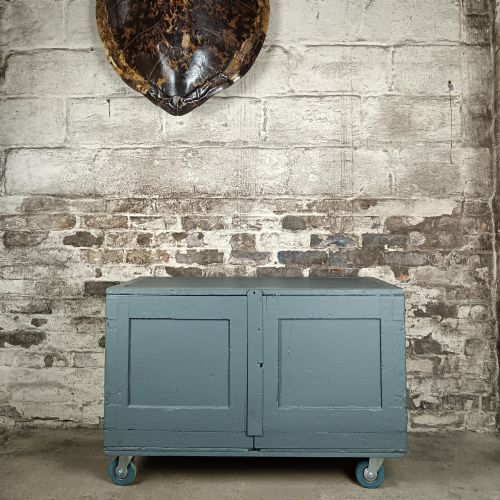
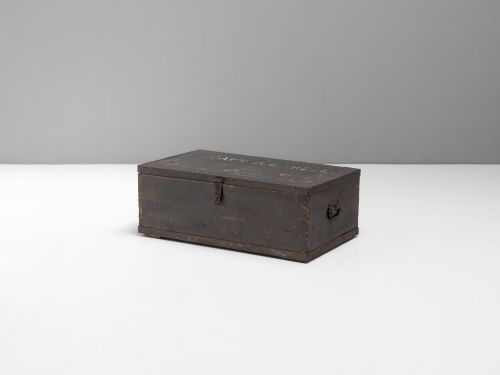
The most common examples on this page are 19th-century camphor wood chests fitted with brass corners and strapping. Alongside these, buyers find teak merchants trunks, pine tool chests, and painted travel chests from the Victorian period.
Makers fashioned these storage chests in styles including Victorian campaign, military campaign, and colonial campaign. Their proportions range from small blanket boxes to monumentally large dowry chests and shipwright tool trunks.
Materials and Construction
Carpenters built these trunks using dense woods like camphor wood, teak, mahogany, walnut, and pine to withstand long journeys at sea and on land. Camphor wood provided a natural deterrent against insects while emitting a distinct aroma within the storage box.
Craftsman secured the corners and edges with heavy brass binding, plates, and fittings to absorb the knocks of transport. Iron straps, steel elements, and rope handles further reinforced the pine and hardwood frames for heavy maritime duty.
Surfaces received various treatments, from polished natural grain and ebonised finishes to painted pine exterior coats. Key mechanisms, brass drop handles, and locking plates completed the construction of these robust military and travel containers.
Many camphor wood chests retain a faint, unmistakable fragrance after more than a century at sea.
Quality Variations
The grade of timber and the weight of the brass fittings dictate the standard of a piece. Thick camphor wood boards and substantial brass bound corners separate utilitarian storage boxes from finer officer pieces.
Original hardware, including working locks with keys and heavy-duty recessed brass side handles, elevates the standing of a trunk. The crispness of the dovetail joinery and the integrity of internal compartments reveal the original maker's skill.
The Victorian Maritime Trunk Glossary
- Camphor wood
- A fragrant tropical timber valued for its insect-repelling qualities and stability in humid climates. It forms the primary material for many campaign chests.
- Campaign chest
- A modular or portable piece of furniture designed to dismantle or travel easily with military officers. These items feature recessed brass handles to prevent snagging during transport.
- Brass bound
- A method of reinforcing wooden chest corners and edges with brass plates and straps. This adds structural strength and protects against travel impacts.
- Shipwright tool chest
- A specialised heavy-duty box utilised by master craftsmen and shipbuilders for storing precision tools. These often feature internal trays and robust pine or ebonised construction.
- Zanzibar chest
- An ornate style of maritime trunk originating from East Africa, frequently constructed in teak with elaborate brass studding and strapping. These pieces reflect trade routes across the Indian Ocean.
Victorian Maritime Trunk: Frequently Asked Questions
What is a victorian maritime trunk?
A victorian maritime trunk is a portable storage chest built from dense woods like camphor or teak for travel at sea. They were utilised by officers, merchants, and craftsmen during the 19th century.
These pieces feature protective brass corners and sturdy handles designed to endure rough transit. Today, they function as practical coffee tables, blanket boxes, or decorative storage in domestic interiors.
How do I clean camphor wood trunks?
Camphor wood requires gentle cleaning with a soft, dry cloth to remove dust without harming the natural grain. Avoid harsh chemical polishes that can alter the timber's historic finish.
If the characteristic scent has faded over time, light sanding of the interior can occasionally refresh the wood. Keep the trunk away from direct heat sources to prevent the timber from splitting.
How can I date a campaign trunk?
Dating relies on examining the construction methods, materials, and hardware styles of the chest. Mid-19th-century examples often feature heavier brass strapping and secret interior drawers.
Later Victorian pieces from the 1880s and 1900s sometimes incorporate machine-cut dovetails and standardised iron or steel fittings. Surviving shipping labels or maker marks also help narrow down the period of origin.