





Victorian Maritime Model
A victorian maritime model brings the romance of the nineteenth century ocean straight into the room.
Victorian Maritime Model
A victorian maritime model encompasses a diverse range of objects created during the nineteenth century, celebrating ships and the sea. Collectors seek these pieces to capture historical nautical craftsmanship in domestic spaces.
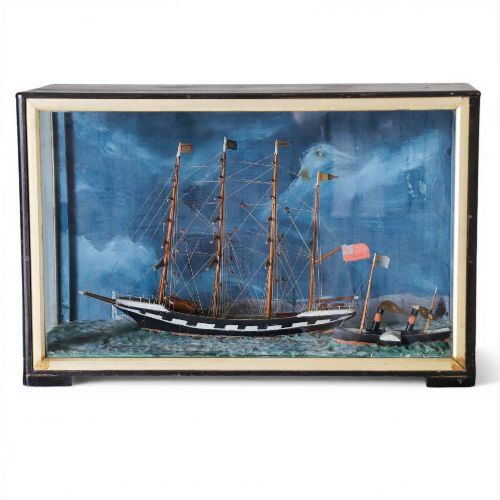
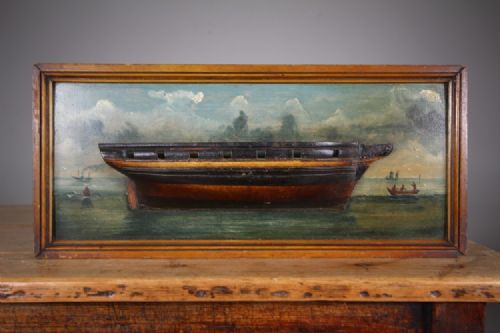
The selections available here lean heavily toward intricate maritime dioramas, scale models, and pond yachts. These forms frequently showcase detailed sailing vessels, clippers, and barques framed in glass or mounted on stands.
Materials and Construction Techniques
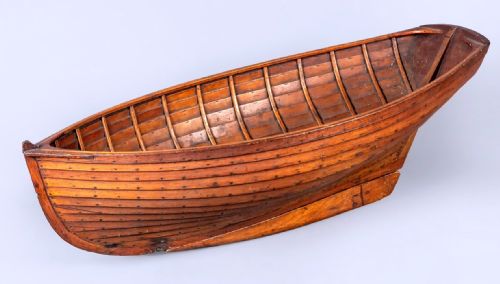
Maker construction relies primarily on wood such as pine, mahogany, and sycamore, shaped into carvel hulls and detailed deck structures. Artisans enhanced these wooden forms using canvas for sails, brass fittings, and painted backdrops.
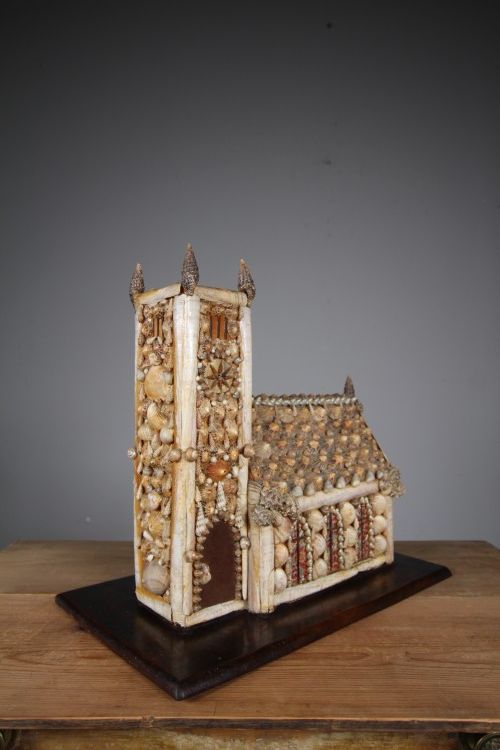
Many shadow box and diorama presentations utilise glass to protect the delicate interior scenes. Specialised folk art examples further incorporate unusual mediums including straw work and shell work to build textured seascapes.
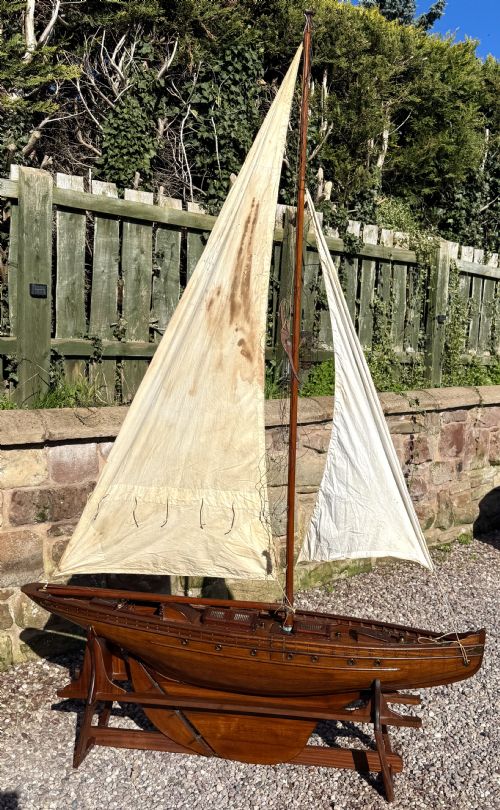
A massive pond yacht stands almost eight feet high, ready for very large puddles.
Assessing Quality and Execution
Quality separates standard decorative items from superior examples through the precision of the scale work and the depth of the diorama background. Higher tier pieces demonstrate careful rigging, realistic painted seascapes, and well-preserved original cases.
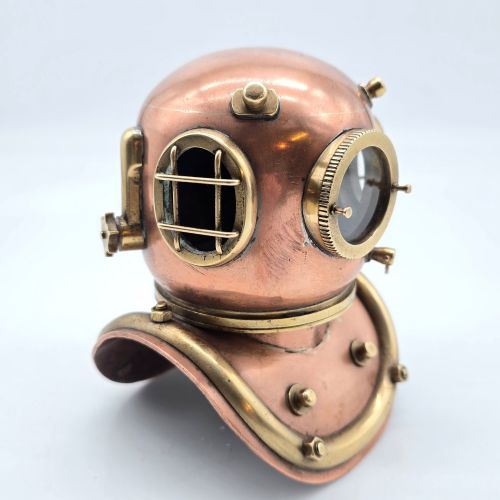
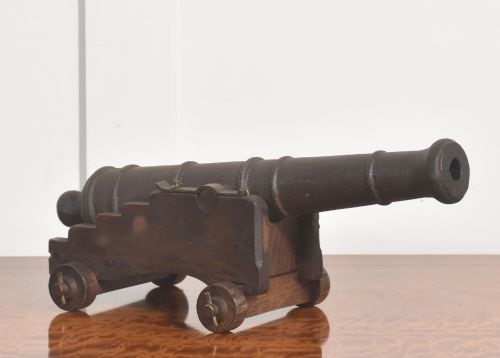
The distinction also lies in the individual maker's hand, where scratch-built models show greater individuality than factory-produced equivalents. The integration of auxiliary materials like brass cannons and marble bases further elevates the status of a piece.
W. Grey & Co·Liverpool Ship Building Co.
The Victorian Maritime Model Glossary
- Maritime Diorama
- A three-dimensional scene depicting a ship at sea, frequently enclosed in a glazed wooden case. These shadow box displays often feature painted backdrops and modelled waves.
- Pond Yacht
- A large-scale model boat designed to be sailed on open water by enthusiasts. They range from simple wooden hulls to complex scratch-built ketch-rigged vessels with canvas sails.
- Carvel Hull
- A shipbuilding method where hull planks are laid edge-to-edge flush with each other. This technique creates a smooth exterior surface on wooden model boats and yachts.
- Half Hull Model
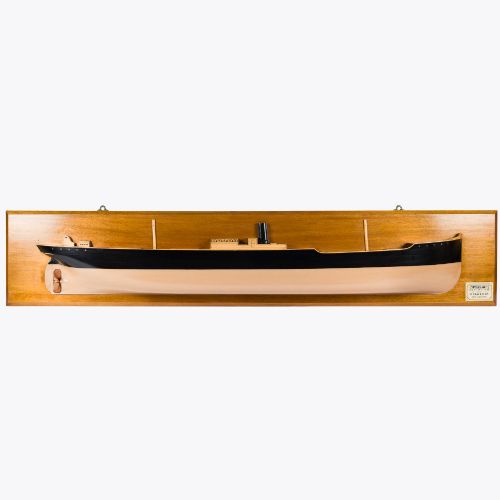
- A representation of one side of a ship's hull mounted on a backboard. Shipyards traditionally used these to study vessel forms and hull proportions.
Victorian Maritime Model: Frequently Asked Questions
What is a maritime diorama?
A maritime diorama is a cased three-dimensional display showing a sailing ship or racing vessels upon the sea. These scenes frequently combine painted canvas backdrops with sculpted water and miniature rigging.
They were built to commemorate specific vessels or general nautical life during the nineteenth century. Today, collectors display them on desks or shelves to preserve maritime history.
How do I care for a cased model?
Cased models and dioramas require protection from direct sunlight and sudden temperature shifts to prevent wood warping and paint fading. The glass enclosures shield the delicate rigging from dust.
Cleaning should be limited to dusting the exterior glass with a soft cloth. The internal components are fragile and best left undisturbed within their original boxes.
Were these models made by professionals?
Makers ranged from professional shipyard workers and engineers to skilled folk art hobbyists. Shipyards produced half hull models and scale replicas for commercial documentation.
Folk artists and sailors created scratch-built pond yachts and shell work dioramas in their spare time. Each piece reflects the distinct skill level and environment of its maker.
How do I identify the period?
Period identification relies on materials, hull construction techniques, and stylistic clues within the diorama or model. Nineteenth-century pieces often utilise specific paint types, pine, mahogany, and traditional brass or canvas elements.
Comparing the ship type to historical vessel registries helps narrow down the decade. Many pieces also carry inscriptions or direct references to named ships.