



Victorian Maritime Glass
Victorian maritime glass captures the visual history of the nineteenth-century sea through engraved vessels, painted coastal scenes, and scientific instruments.
Victorian Maritime Glass
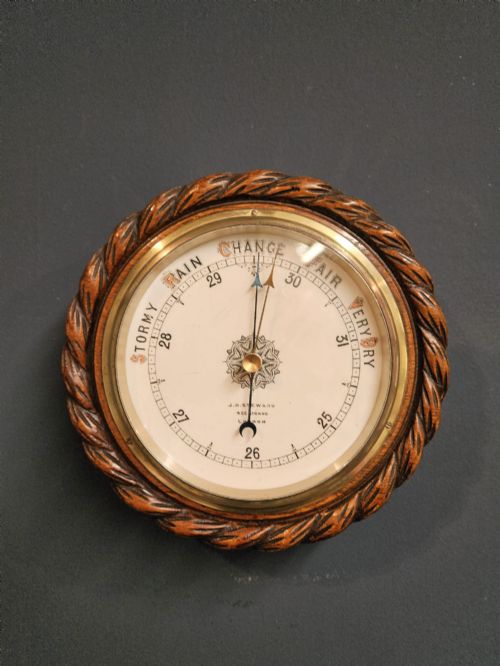
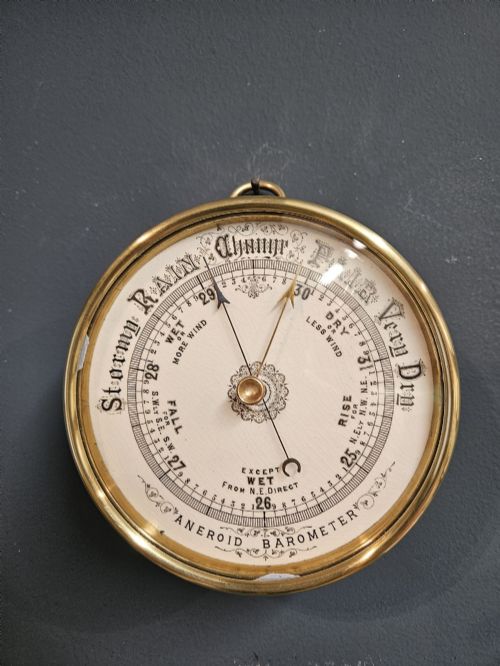
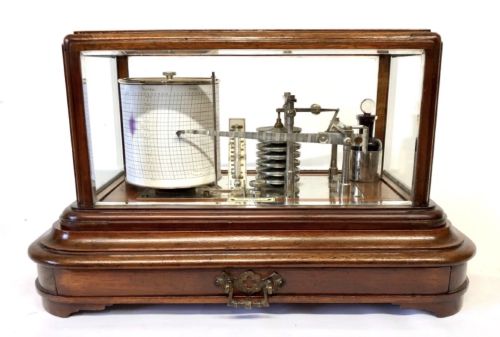
Victorian maritime glass encompasses utilitarian items, scientific instruments, and decorative objects created during the nineteenth century to serve or commemorate life at sea. When you search for Victorian maritime glass, you encounter pieces ranging from engraved drinking vessels and decanters to barometers, pocket spyglasses, and reverse glass paintings.
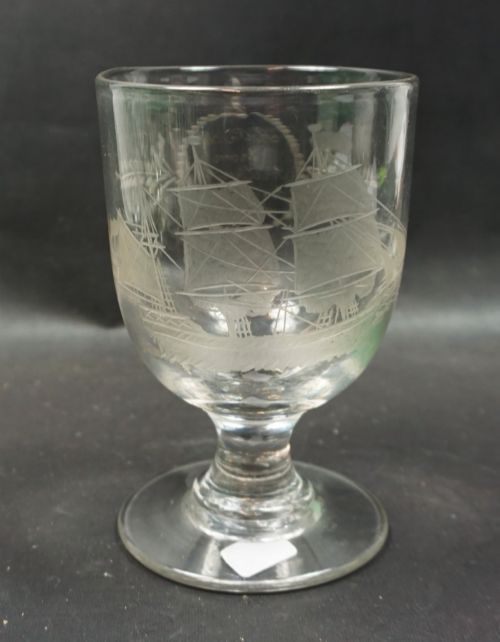
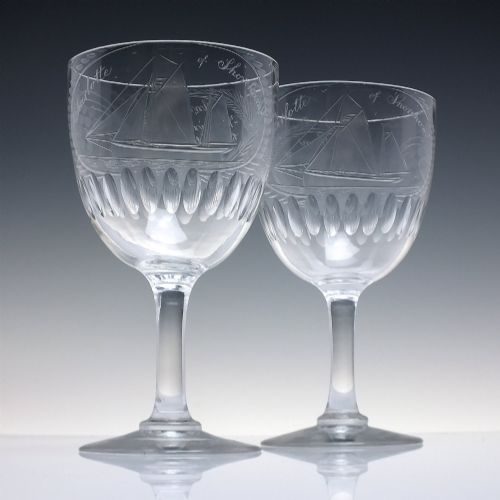
The most common examples on this page combine functional glassware with nautical iconography, such as rummers and wine goblets decorated with detailed engravings of sailing ships. Alongside these tableware items, optical and navigational pieces utilise glass lenses and protective housings to record weather, time, and position.
Materials and construction
The objects combine blown or cast lead glass with supportive structures in brass, oak, and mahogany. Makers mounted glass lenses and dials into heavy brass bezels and wooden cases to withstand damp conditions aboard ships.
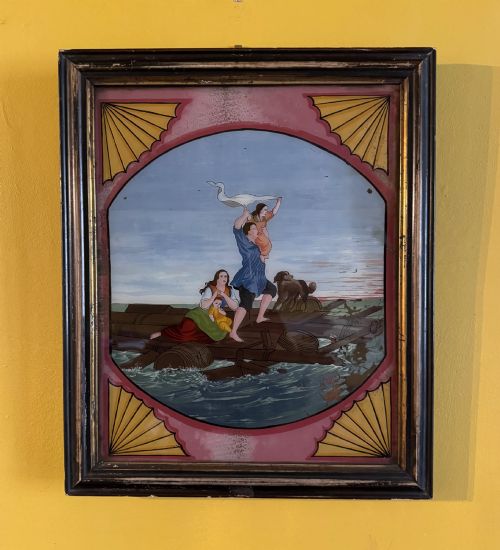
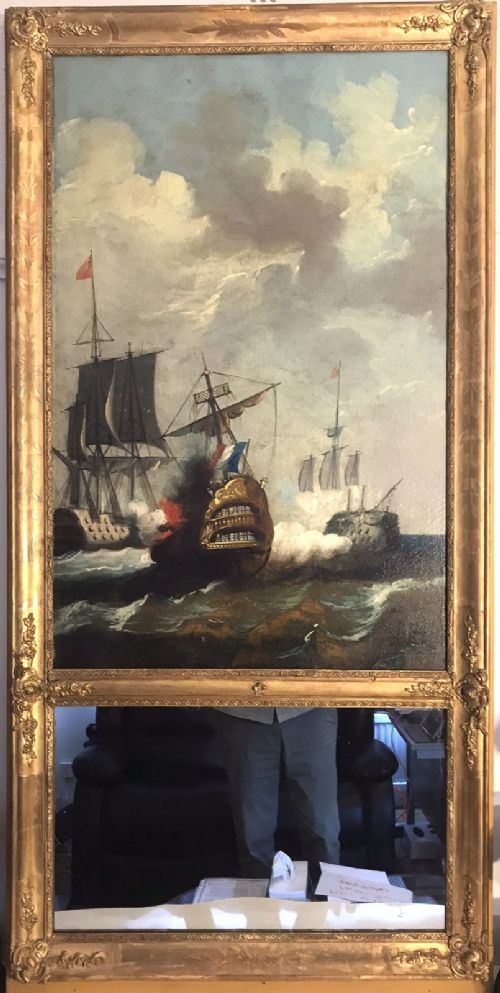
Decoration relied on hand engraving, enamel paint, and reverse painting techniques applied directly to the glass surface. Artisans etched detailed rigging and hull structures onto rummers and goblets, or painted allegorical maritime scenes behind flat glass panels.
Victorian Maritime Glass Retail Price Guide 2026
Typical asking prices for victorian maritime glass among the pieces listed under this phrase on Sellingantiques today, from the lower quarter to the upper quarter. They describe what is for sale here now, not the wider market.
Listings combine nineteenth-century glass with housing materials including brass, oak, mahogany, and painted enamel.
Evaluating quality and execution
Quality rests in the precision of the glass engraving and the clarity of the material itself. Fine examples display crisp, confident wheel-cutting that renders the rigging and proportions of sailing vessels with anatomical accuracy, whereas lesser pieces show shallow or blurred surface marks.
The standard of mounting also dictates value, particularly in instruments where brass cases, fitted wooden boxes, and maker signatures indicate professional workshop production. Enamelled and painted details reveal quality through secure adhesion and steady brushwork that maintains fine detail under close inspection.
Steward·GAUPP AND CO·Elliott Brothers·John Lilley and Son·Admiral Fitzroy
The Victorian Maritime Glass Glossary
- Glass rummer
- A heavy, short-stemmed drinking glass popular in the nineteenth century, often engraved with commemorative inscriptions or coastal scenes. These stout vessels were designed for hearty toasts in taverns and coastal homes.
- Reverse glass painting
- An artistic technique where the image is painted directly onto the back of a glass pane so the viewer observes it correctly through the front. This method protects the pigment and yields a polished surface sheen.
- Artificial horizon
- An optical instrument used with a sextant on land or calm water to measure angles, utilising a dark reflective surface. Black glass sets provided a stable mirror for navigation calculations.
- Lead glass
- Heavy glass containing lead oxide, known for its high refractive index and brilliance. It offered a clearer, heavier medium for detailed engraving than standard soda-lime glass.
- Spyglass
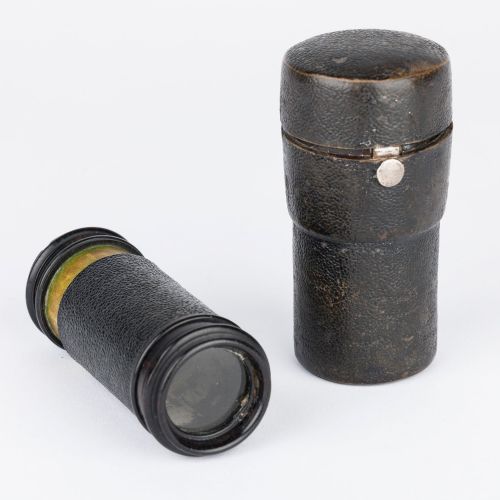
- A small, portable refracting telescope used for sighting distant ships or landmasses. They typically featured brass draw tubes and glass lenses housed in leather or bare metal.
Victorian Maritime Glass: Frequently Asked Questions
What is Victorian maritime glass?
Victorian maritime glass refers to nineteenth-century objects that incorporate glass elements with nautical themes, including engraved drinking vessels, scientific instruments, and decorative paintings.
These items reflect the period's deep economic and cultural ties to the sea, combining utility with commemorative folk art and craftsmanship.
How were engraved rummers used?
Engraved rummers served as festive drinking vessels for ale, punch, or wine, frequently commemorating specific vessels, towns, or maritime events.
Owners displayed them on sideboards or used them during social gatherings to toast local maritime achievements and seafaring relatives.
How do I care for antique glass?
Care for antique glass by dusting gently with a soft cloth and avoiding harsh chemical cleaning agents that might damage delicate enamel or painted surfaces.
Keep pieces away from direct sunlight and areas subject to sudden temperature shifts to protect both the glass and any fitted wooden or brass components.
How can I date these items?
Dating relies on stylistic markers, engraved dates, specific maker marks on associated brass housings, and the composition of the glass itself.
Nineteenth-century pieces often display registration marks, specific font styles in inscriptions, or mechanical patents tied to known instrument makers.