

Victorian Mantel Ornament Figure
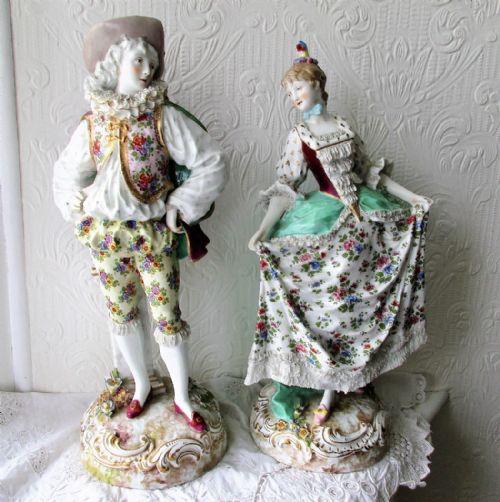
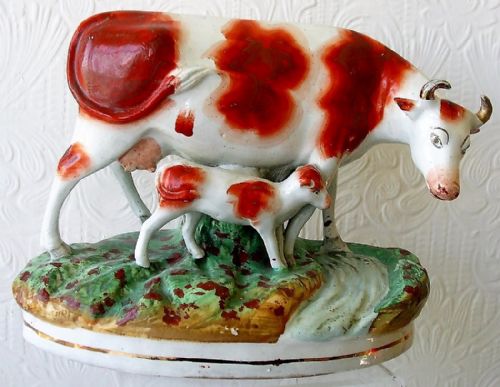
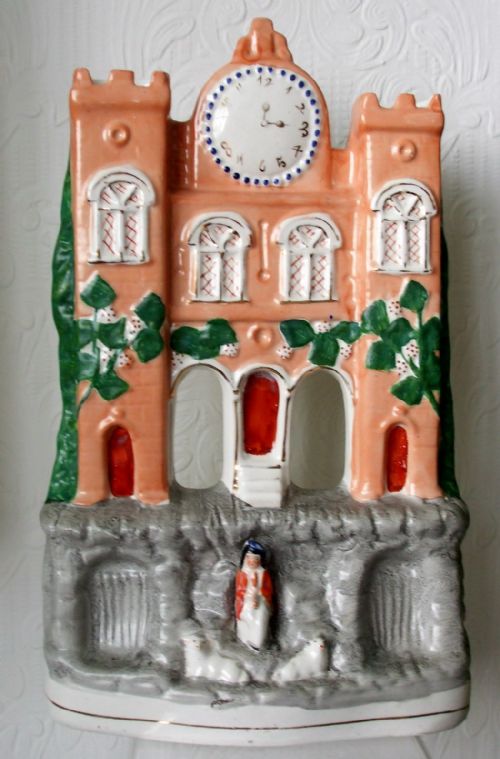
These pieces of a victorian mantel ornament figure bring domestic portraiture and pastoral scenes into living spaces through earthenware and glaze.
Victorian Mantel Ornament Figure
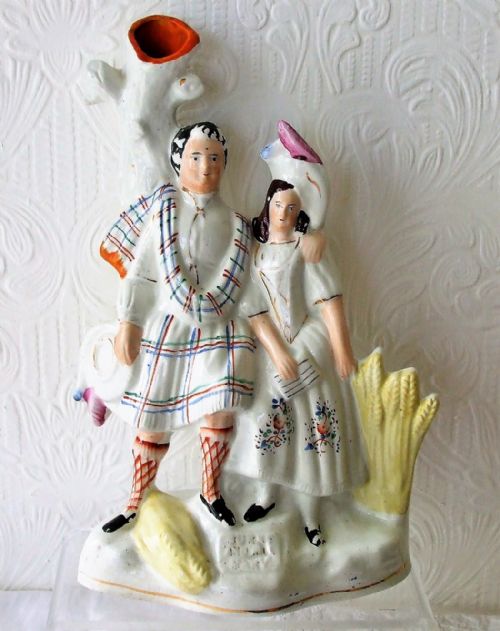
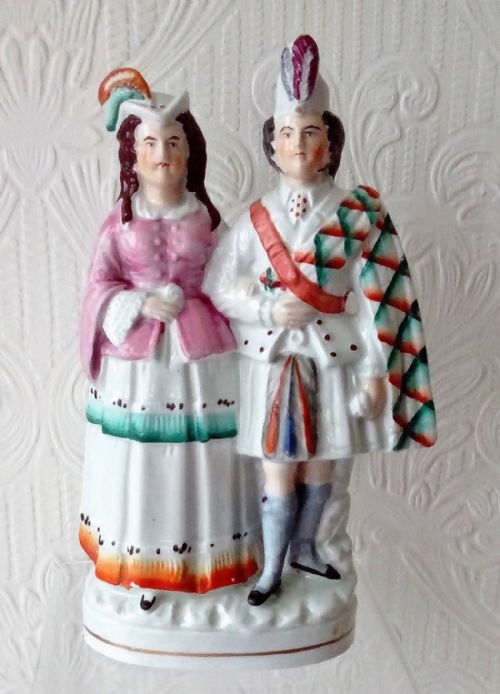
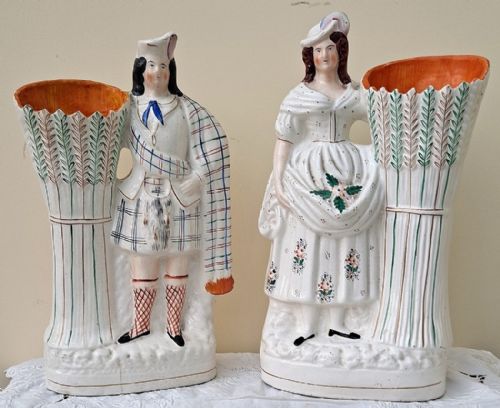
When searching for a victorian mantel ornament figure, buyers encounter earthenware pottery produced in nineteenth-century England designed specifically for display on fireplace shelves. These objects take the form of flatback figures, spill vases, pairs of dogs, and royal portrait groups.
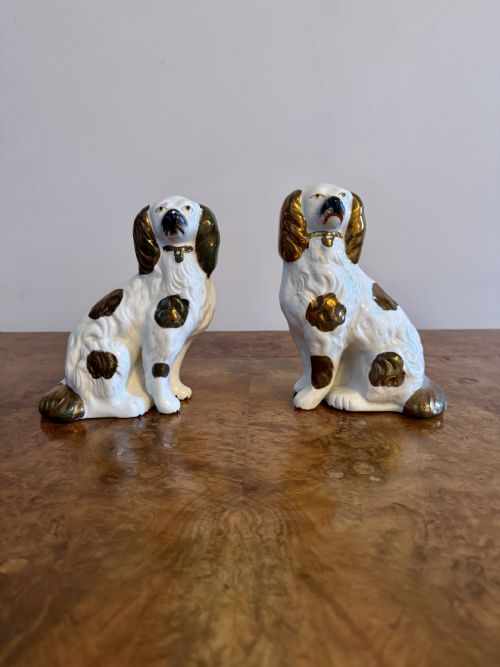
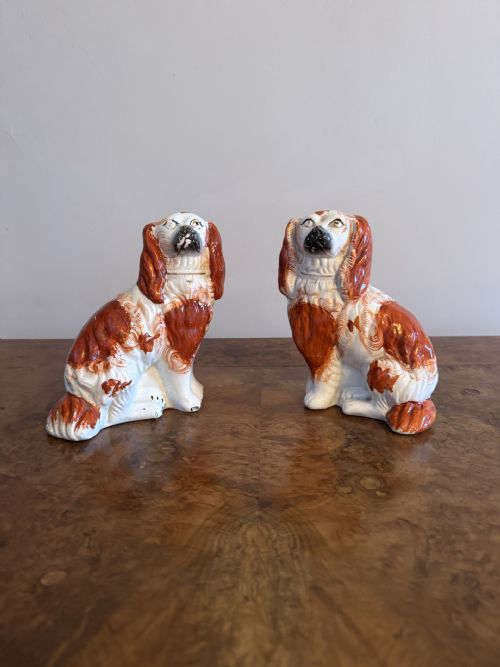
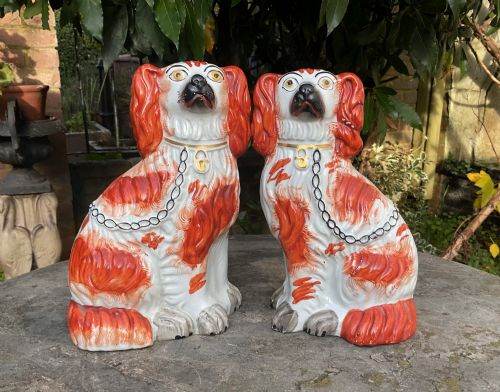
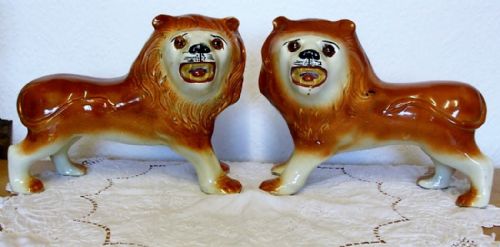
The version most commonly met on this page is the Staffordshire pottery figure, often modelled as seated spaniels, lions, literary characters, or historical personalities. Such pieces combine utility with decoration, functioning simultaneously as mantel displays and functional spill holders for hearth lights.
Materials and Construction
Makers utilised earthenware bodies shaped by moulding and finished with lead glaze to create a smooth, reflective surface suitable for domestic interiors. Artisans applied enamel colours by hand over or under the glaze, often adding gold leaf highlights to accentuate details like uniforms, hair, and clothing.
The construction of flatback figures involved a hollow-pressed method that saved material and reduced weight while allowing the piece to sit flush against a wall. Detail work relied on skilled painting rather than intricate moulding, giving each ornament an individual character within mass-produced batches.
Victorian Mantel Ornament Figure Retail Price Guide 2026
Typical asking prices for victorian mantel ornament figure among the pieces listed under this phrase on Sellingantiques today, from the lower quarter to the upper quarter. They describe what is for sale here now, not the wider market.
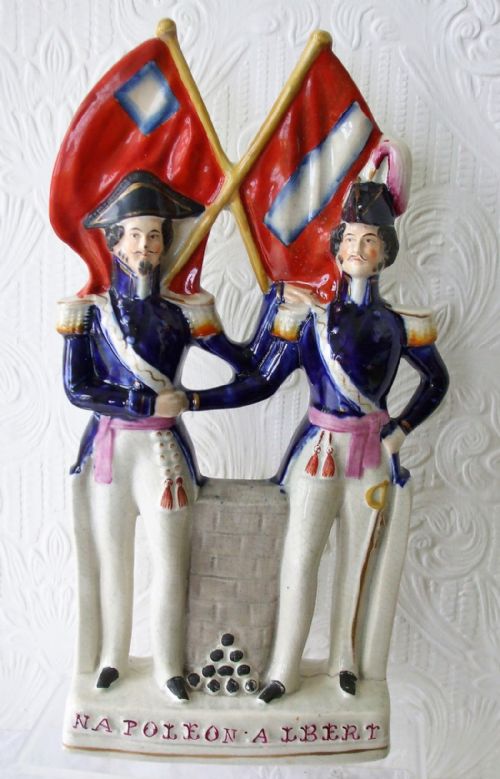
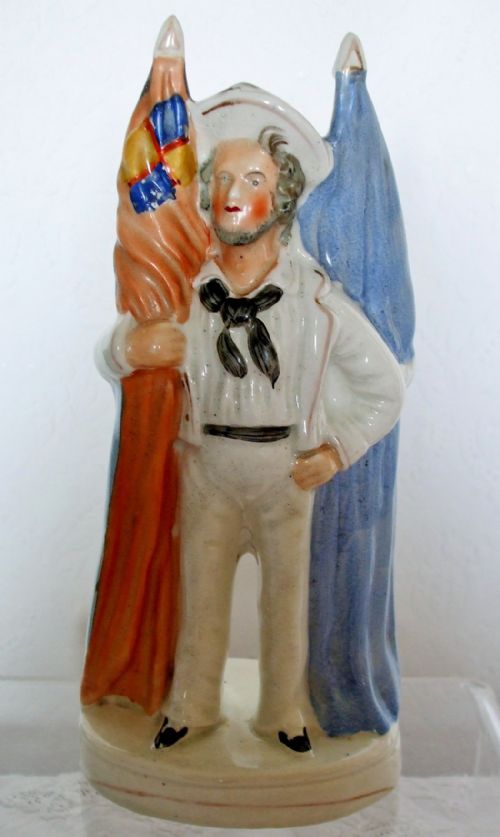
Napoleon and Albert share mantel space as royal portrait figures.
Distinctions in Quality
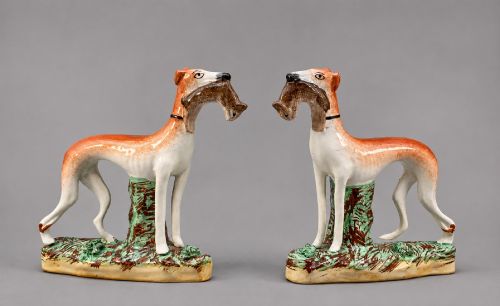
The expression and stance of animal pairs, such as spaniels or greyhounds, separate standard production from superior output. Well-executed figures maintain proportional balance and naturalistic posture despite the stylistic conventions of the period.
Thomas Parr
The Victorian Mantel Ornament Figure Glossary
- Flatback
- A ceramic figure designed with a finished front and sides while the rear remains unglazed and flat. This construction allowed the ornament to sit closely against a mantelpiece wall.
- Spill vase
- A hollow ceramic cylinder incorporated into a figure group designed to hold wooden spills for lighting pipes or fires. These vessels combine decorative sculptural scenes with practical hearth utility.
- Lead glaze
- A glossy coating containing lead oxide applied to earthenware to seal the porous clay body. This treatment produces a smooth, shiny finish that protects the underlying enamel pigments.
- Comforter spaniel
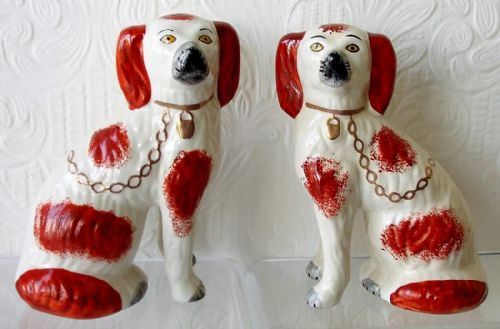
- A ceramic representation of a seated dog, typically displayed in pairs on Victorian mantelpieces. These popular ornaments depict gentle lap dogs decorated with copper lustre or painted patches.
Victorian Mantel Ornament Figure: Frequently Asked Questions
What is a mantel ornament?
A mantel ornament is a decorative ceramic or bronze figure designed to stand upon the shelf above a fireplace. These objects served as domestic focal points in Victorian rooms.
Pottery figures and spill vases brought colour and narrative interest to the hearth. They often commemorated royal events, literary tales, or domestic animals.
How were spill vases used?
Spill vases held thin wood splinters known as spills, which were used to transfer fire from the hearth to lamps or pipes. The vase integrated the practical need for kindling storage into a decorative sculptural group.
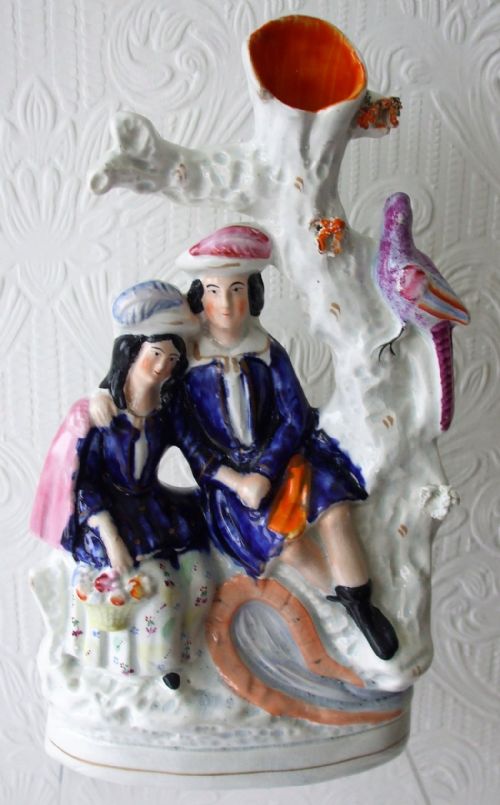
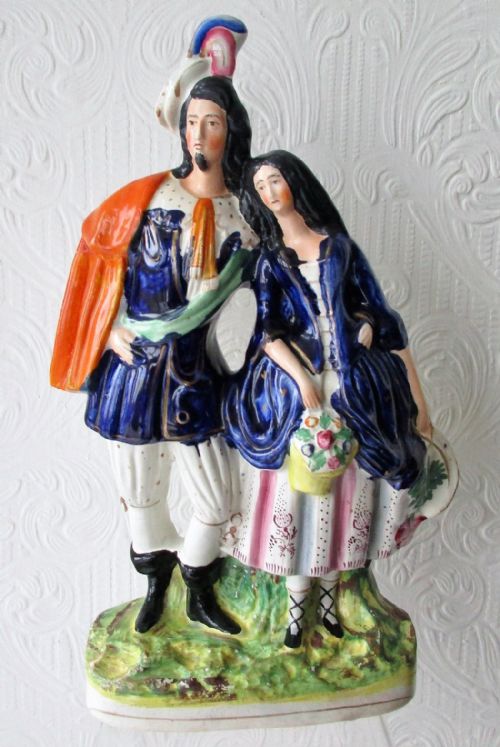
These combination pieces frequently depicted pastoral scenes, hunting dogs, or romantic couples. The vase section stood behind or beside the main figural grouping.
Why are spaniel figures found in pairs?
Spaniel figures were traditionally manufactured and displayed as symmetrical pairs facing inward toward each other on the mantelpiece. This balanced arrangement suited Victorian interior design conventions.
Known as comforter spaniels, these ceramic dogs often guarded the ends of the mantel shelf. Their markings and sizes varied according to the pottery workshop of origin.
How can I identify Victorian figures?
Nineteenth-century Staffordshire figures are identified through their earthenware bodies, characteristic lead glazes, and hand-painted enamel colours. Flatback construction is common among pieces intended for mantel display.
Subjects often include historical portraits, literary characters, and domestic animals dating from the mid to late nineteenth century. Unmarked pieces rely on stylistic details and material composition for attribution.