

Antique Royal Portrait Pottery
These antique royal portrait pottery pieces record sovereigns and statesmen in earthenware and stoneware, bringing historical figures directly onto domestic mantelpieces.
Antique Royal Portrait Pottery
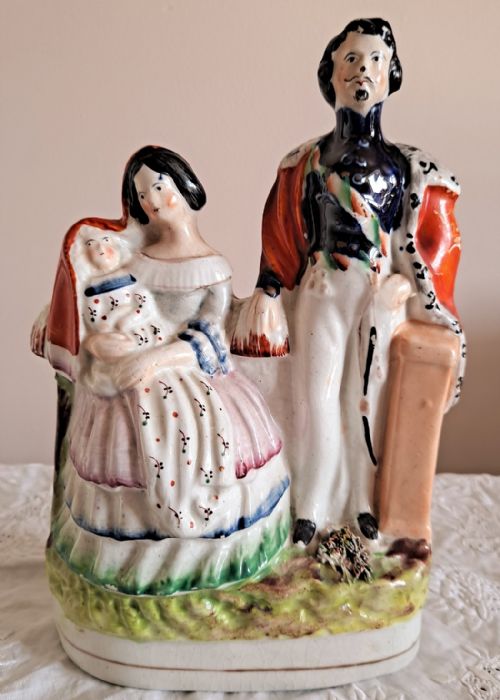
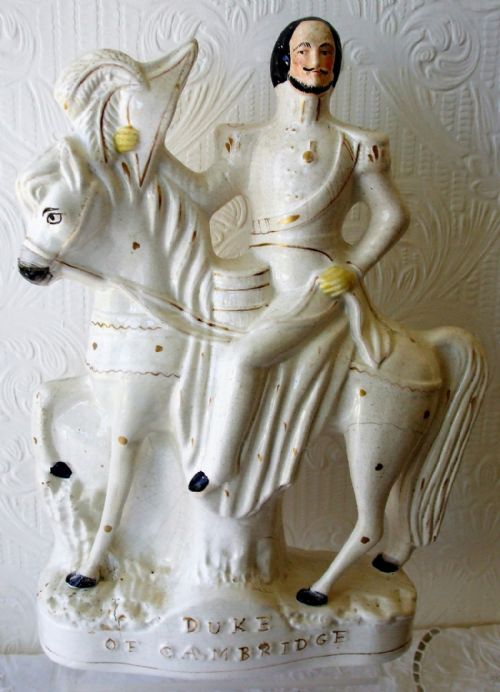
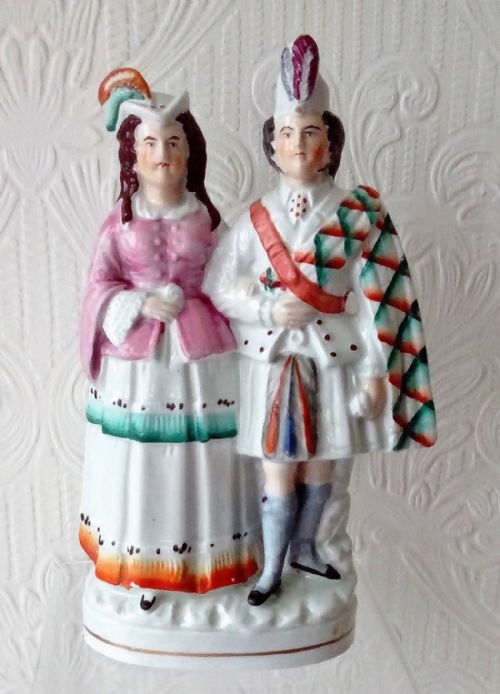
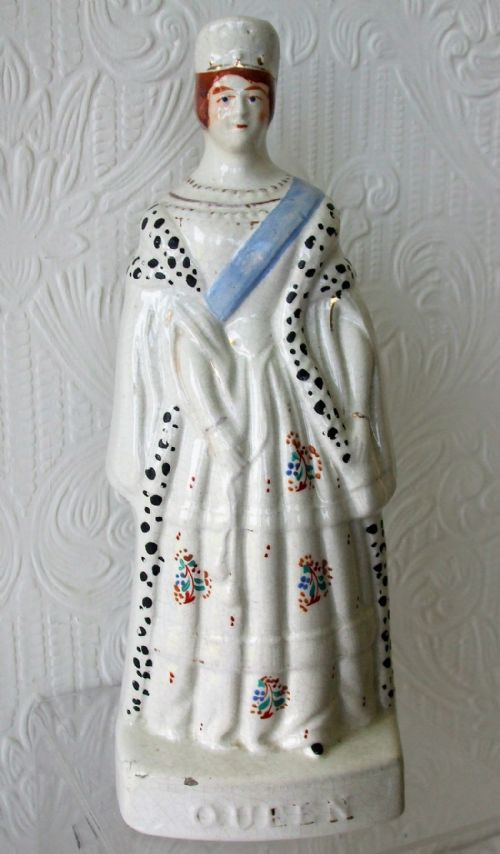
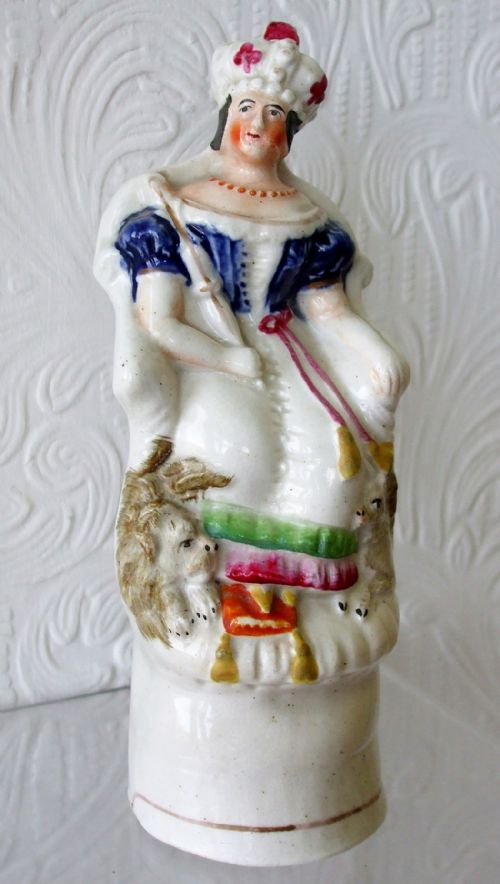
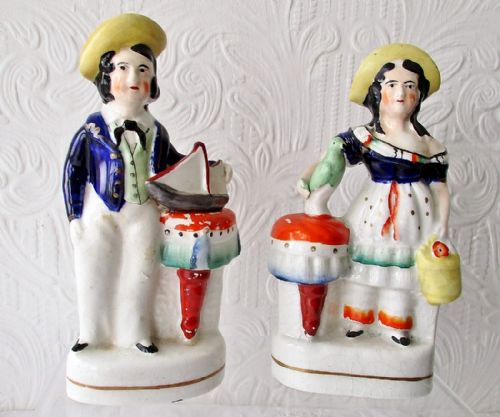
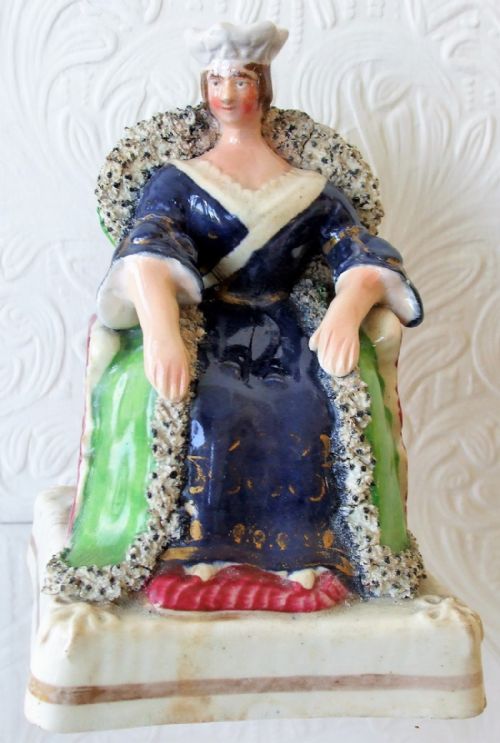
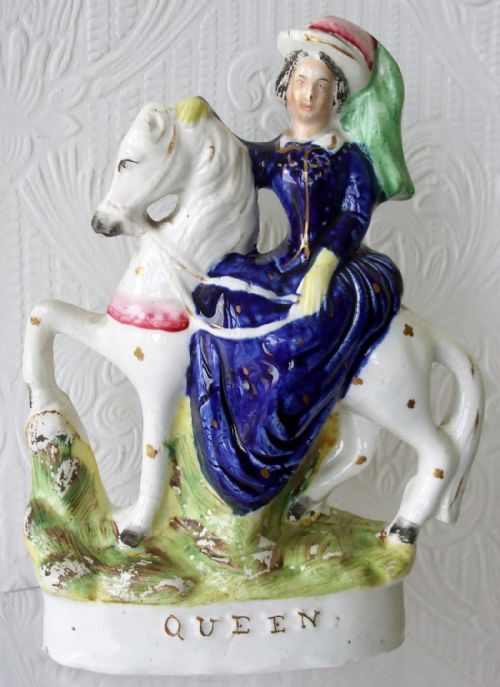
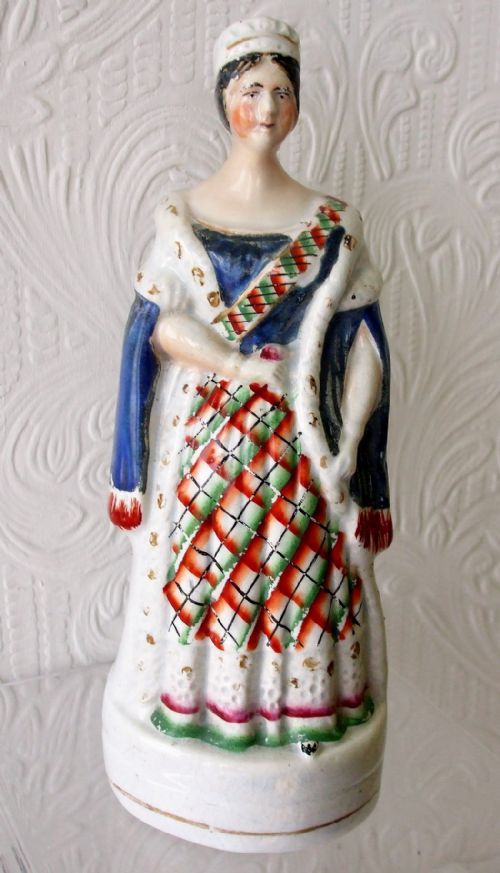
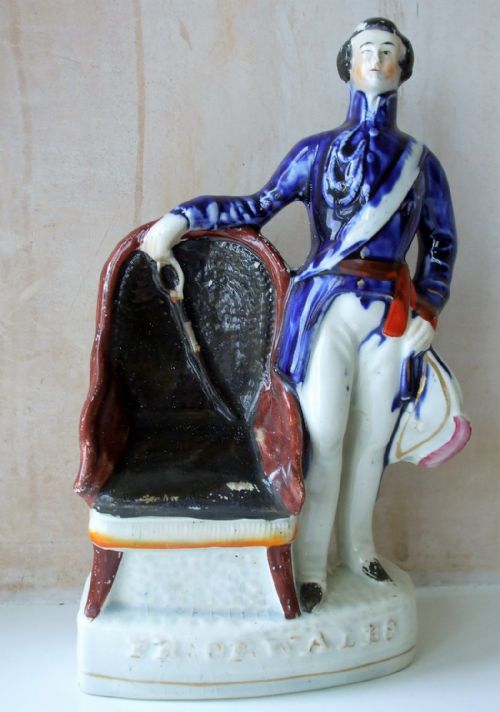
When you search for antique royal portrait pottery, you encounter ceramic figures, plates and jugs that commemorate monarchs, royal marriages and political alliances from the seventeenth to the nineteenth centuries. The majority of pieces on this page originate from nineteenth-century Staffordshire potteries, capturing British and European royalty in distinct decorative formats.
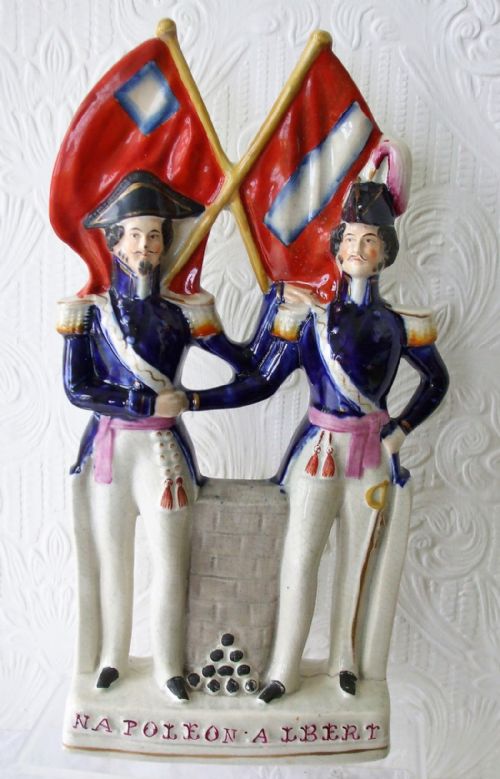
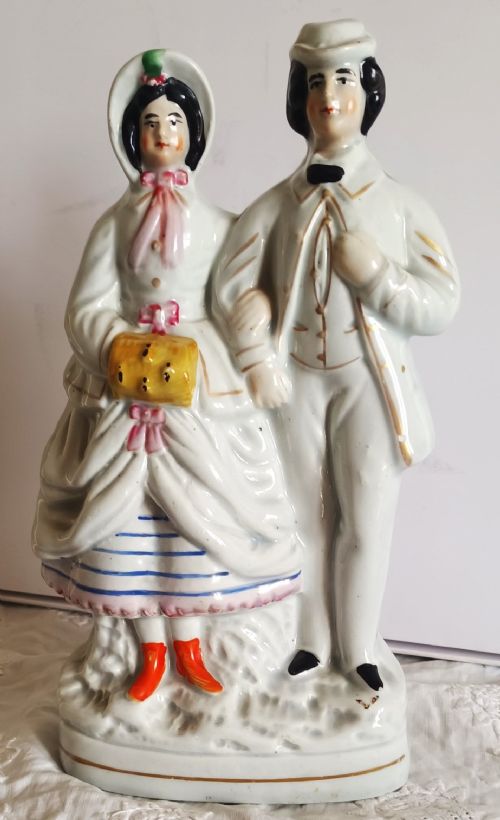
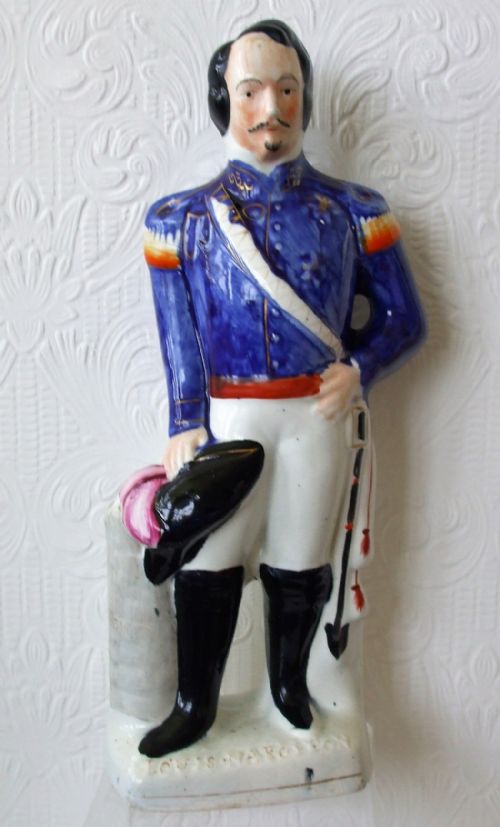
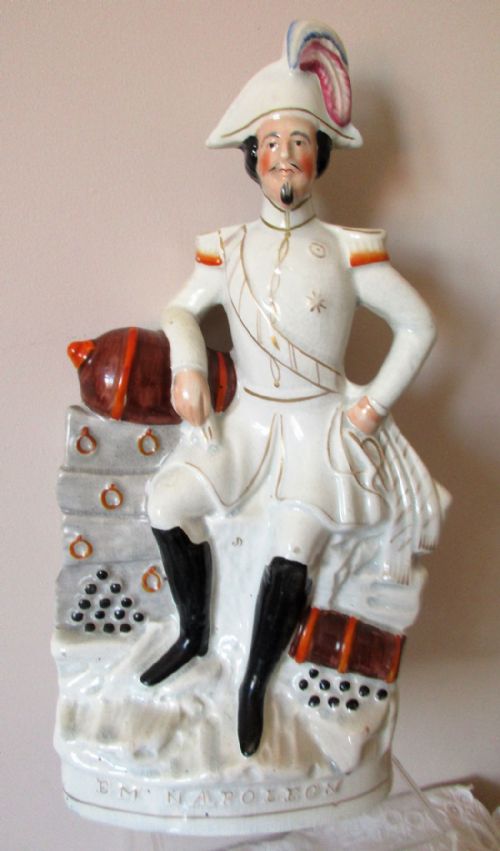
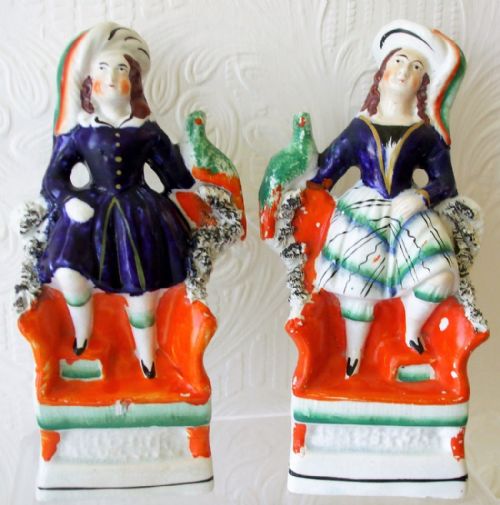
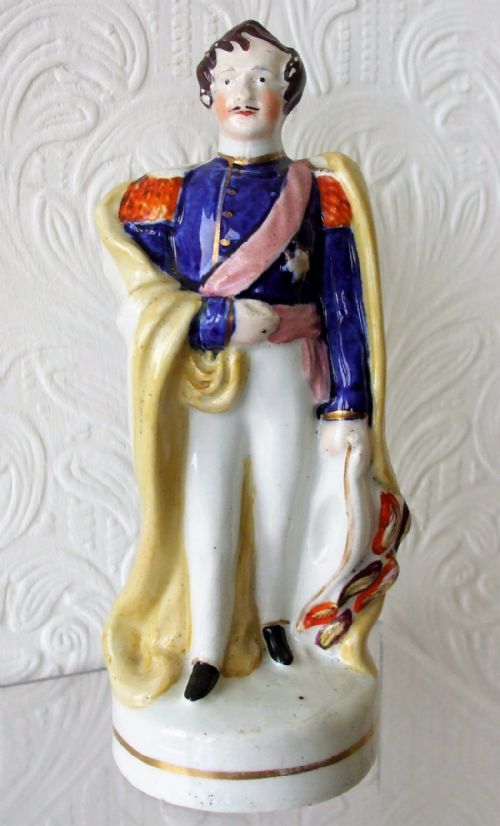
The inventory ranges from individual figures of Queen Victoria and Napoleon III to multi-figure groups like the alliance of Turkey, England and France. Earlier examples include creamware plates depicting William V Prince of Orange and Westerwald stoneware jugs from the William III period.
Most items take the form of flatback figures designed to stand against a wall on a shelf or mantel. Collectors also find commemorative jugs and plates produced for jubilees, weddings and coronations.
Materials and production methods
Potters relied primarily on earthenware, creamware and ceramic bodies finished with lead glazes or enamel colours. Figures were shaped in moulds, whilst specific forms such as salt-glazed stoneware jugs utilised traditional German potting techniques.
Antique Royal Portrait Pottery Retail Price Guide 2026
Typical asking prices for royal portrait pottery among the pieces listed under this phrase on Sellingantiques today, from the lower quarter to the upper quarter. They describe what is for sale here now, not the wider market.
Napoleon III shares shelf space here with British royalty, immortalised in glazed ceramic alongside his wife Eugenie and the princes of Europe.
Assessing craftsmanship and detail
Quality rests upon the crispness of the mould impression and the precision of the hand-painted enamels. Finer items exhibit clean facial expressions, legible naming inscriptions and carefully applied gilt highlights rather than hurried, blurred brushwork.
The complexity of the subject also differentiates standard figures from superior examples, such as multi-figure portrait groups depicting historical alliances compared to simple single figures. Early salt-glazed stoneware and creamware pieces derive their standing from the sharpness of the incised or moulded relief work.
Doulton Lambeth
The Antique Royal Portrait Pottery Glossary
- Flatback figure
- A ceramic figurine modelled with a detailed front and a flat, unpainted back. These pieces were designed specifically to stand flush against a wall on a mantelpiece.
- Creamware
- A refined earthenware developed in the eighteenth century with a pale yellowish straw-coloured lead glaze. It provided a smooth surface for commemorative printing and painting.
- Lead glaze
- A glossy coating containing lead oxide applied to pottery before firing. It produced a lustrous finish that sealed the porous earthenware body.
- Stoneware
- A dense, impermeable pottery fired at high temperatures until the clay vitrified. It allowed makers to produce durable jugs with incised decorations.
- Enamel
- Opaque coloured glass fused to the ceramic surface during a secondary low-temperature firing. Potters used enamels to add vibrant hues to royal garments and hair.
Antique Royal Portrait Pottery: Frequently Asked Questions
What is antique royal portrait pottery?
These pieces comprise ceramic figures, jugs and plates depicting kings, queens and political leaders from the seventeenth to nineteenth centuries. They served as patriotic home decorations and commemorative souvenirs for significant royal events.
Most surviving examples originate from Staffordshire potteries, depicting figures like Queen Victoria, Napoleon III and various princes and princesses. They capture public interest in European dynastic politics through domestic art.
How were Staffordshire flatback figures displayed?
Staffordshire flatback figures were specifically designed to sit on mantelpieces, shelves and sideboards inside nineteenth-century homes. Because the backs were left plain and unglazed, the figures stood flat against the wall.
This method of construction allowed makers to save on materials and production time whilst ensuring the front-facing portrait made a striking visual impact in a domestic room.
How do I tell nineteenth-century figures apart?
Nineteenth-century figures are identified through their named bases, subject matter, and distinctive Staffordshire flatback construction styles. Rulers like Queen Victoria appear alongside family members such as Prince Albert and the Prince of Wales.
Political alliances, including figures representing Turkey, England and France, provide specific historical markers for dating pieces to the mid-nineteenth century. Enamel colours and glaze characteristics further distinguish individual workshop outputs.
How do I care for antique ceramic figures?
Care for these pieces involves keeping them out of direct sunlight to prevent enamel fading and dusting them gently with a dry, soft brush. Avoid using water or liquid cleaners, which can damage delicate lead glazes and nineteenth-century enamels.
Placement should be stable and secure away from high-traffic areas, as earthenware and ceramic bodies remain vulnerable to accidental knocks and drops.