

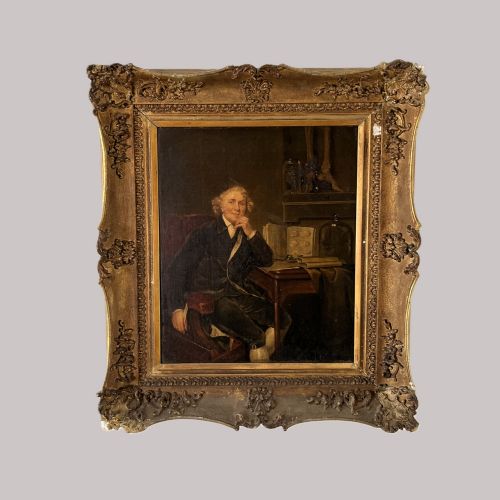


Victorian Male Oil Portrait
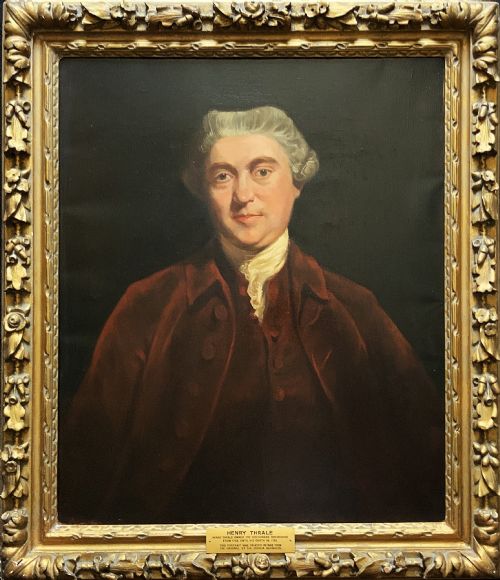
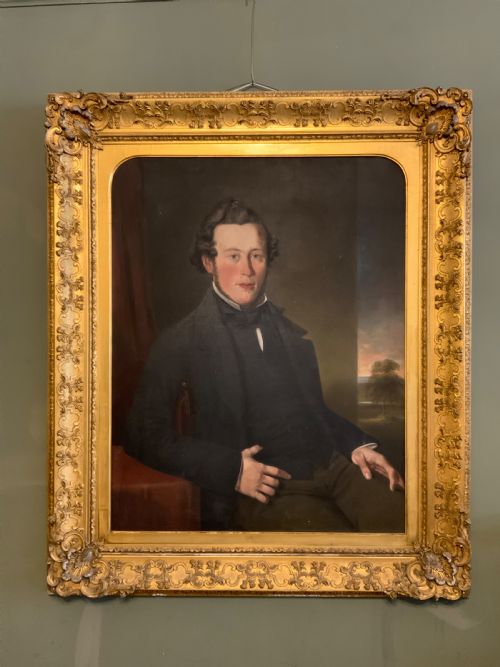
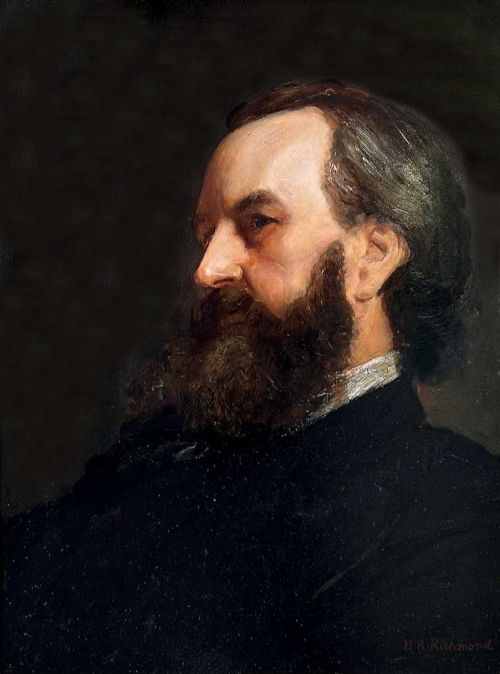
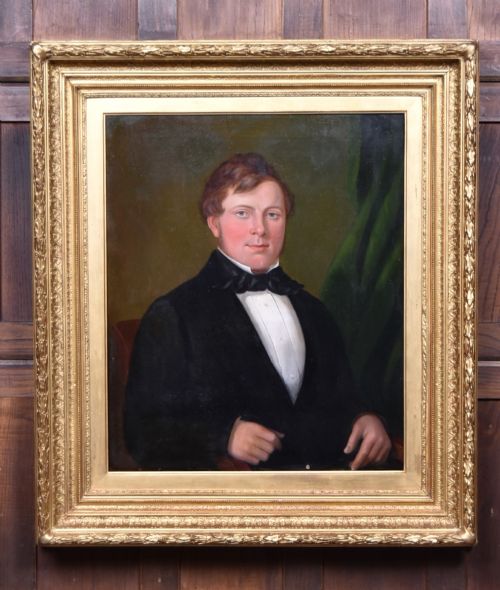
A victorian male oil portrait captures the gravitas of a bygone era, offering tangible history and distinguished character for your wall.
Victorian Male Oil Portrait
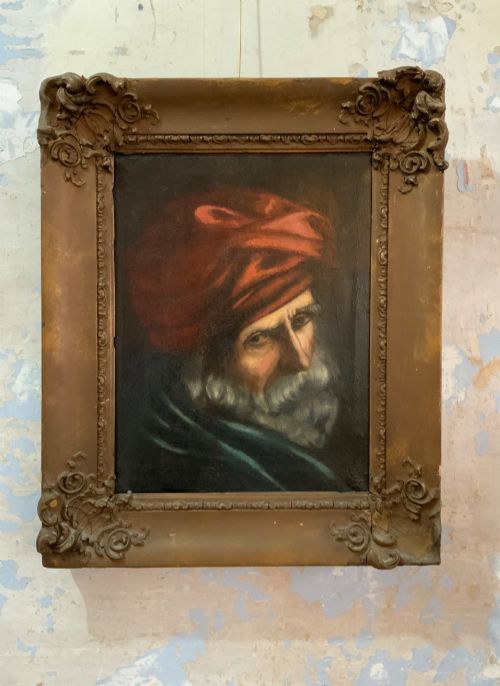
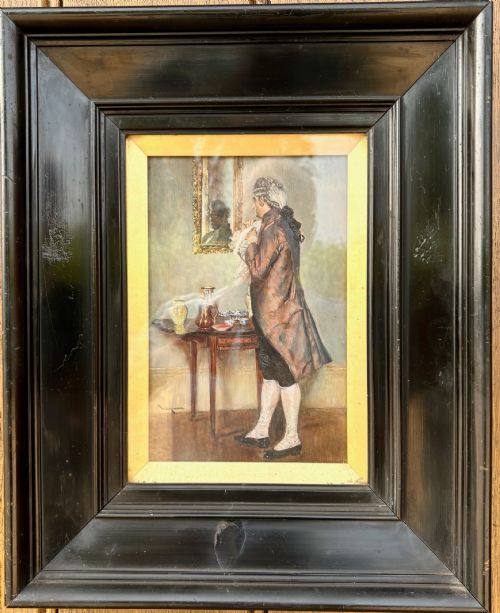
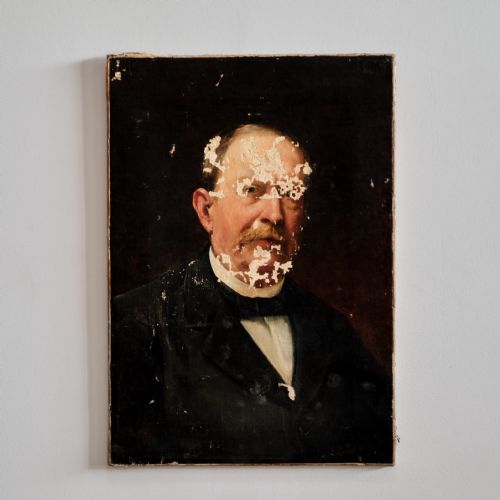
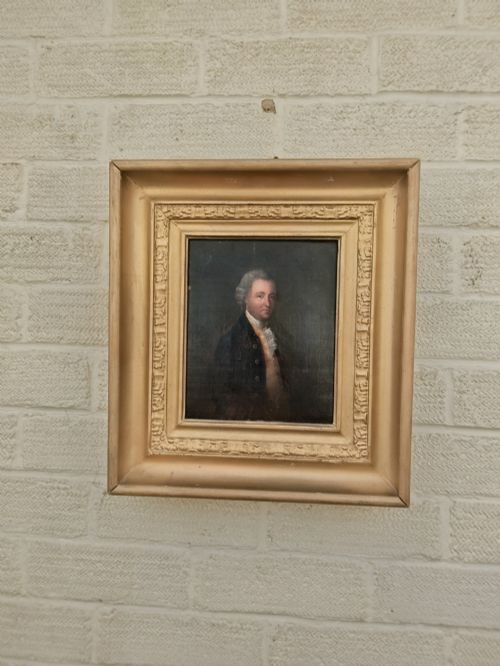
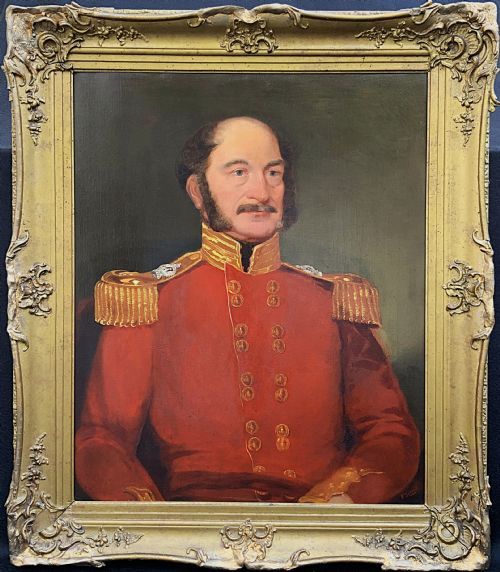
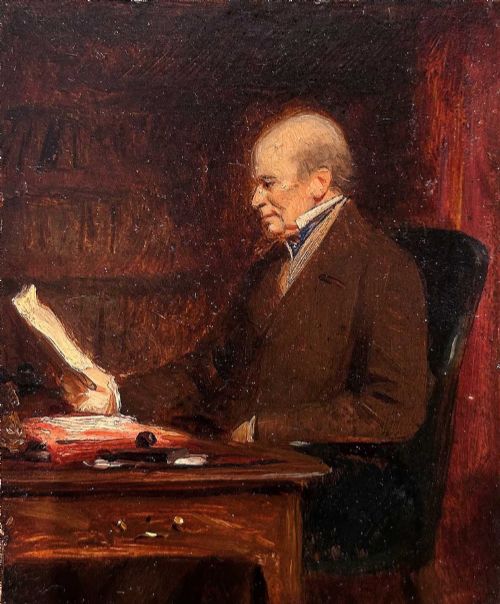
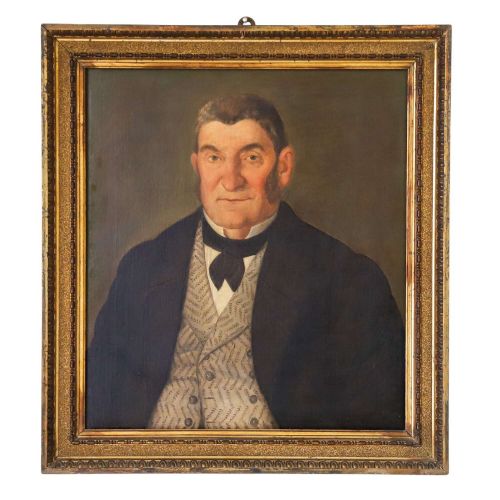
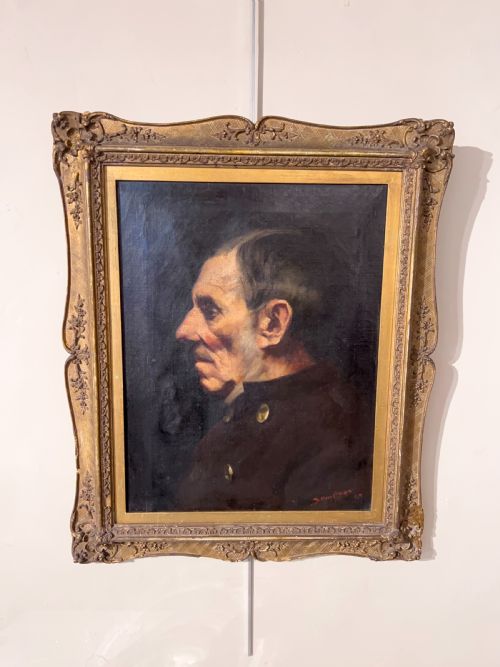
Buyers will encounter various formats, ranging from intimate cabinet pieces to large scale canvases framed in giltwood and gesso. Many canvases remain housed in their original heavy frames, showing the authentic wear of their age. The subjects span from engineers and noblemen to unnamed sitters recorded simply as gentlemen or blacksmiths.
Materials and construction
These works rely on oil paint applied to stretched canvas or wooden panels, utilising the rich pigments available during the period to build depth in skin tones and dark garments. Painters built up the surface through successive layers of oil, allowing for subtle tonal gradations in the depiction of waistcoats, cravats, and facial hair.
Surrounding the canvases are heavy frames constructed from wood and finished with moulded gesso, often gilded with gold leaf to provide a contrasting border. The physical support frequently reveals period framing techniques, wood stretchers, and occasional back inscriptions naming the sitter or the artist.
Victorian Male Oil Portrait Retail Price Guide 2026
Typical asking prices for victorian male oil portrait among the pieces listed under this phrase on Sellingantiques today, from the lower quarter to the upper quarter. They describe what is for sale here now, not the wider market.
Subjects documented in the inventory range from military officers and civil engineers to distinguished gentlemen and noblemen.
Evaluating the standard of work
Quality in a victorian male oil portrait rests primarily upon the skill of the brushwork in capturing the anatomical structure and psychological presence of the sitter. Superior examples demonstrate a confident handling of light on cloth and flesh, whereas lesser works rely on stiff proportions and formulaic application.
The sophistication of the accompanying frame also influences the overall integrity of the piece, with deep relief giltwood and gesso mouldings indicating higher workshop standards. Furthermore, documented provenance or an identified subject elevates the historical interest beyond that of an anonymous sitter.
Sir Joshua Reynolds·W.D. Almond·Stephen Pearce·Bertram Priestman RA·Hans Temple·William Robert Dickinson·Henry William Pickersgill·Charles Robert Leslie RA
The Victorian Male Oil Portrait Glossary
- Giltwood
- Wood carved and coated with gold leaf or a gold coloured finish. It provides a reflective, ornate border typical of period picture frames.
- Gesso
- A plaster mixture applied to wood framing before gilding or painting. It allows craftsmen to carve intricate decorative mouldings.
- Oil on Canvas
- Pigment mixed with drying oil applied to a woven fabric support. This technique defined traditional painting throughout the nineteenth century.
- Regency
- An architectural and design period spanning the early nineteenth century. Works from this era often precede standard Victorian output while sharing similar portraiture conventions.
- Provenance
- The documented history of ownership of an artwork. It establishes authenticity and connects the portrait to its historical context.
Victorian Male Oil Portrait: Frequently Asked Questions
How do I identify a period frame?
Period frames typically utilise heavy wood construction finished with moulded gesso and gold leaf gilding. They show authentic signs of age, such as shrinkage cracks in the plaster and minor losses to the gilt surface.
Closer inspection of the reverse often reveals old corner joints, handmade nails, and remnants of historical labels or stamps from nineteenth-century framers.
Were these portraits always painted from life?
Many sitters sat directly for the artist over multiple sessions, particularly when commissioning formal likenesses. However, some works were produced posthumously using earlier sketches, photographs, or existing paintings as reference.
Inscriptions on the reverse or historical records sometimes clarify whether a work is an immediate life study or a later commemorative interpretation.
What do the various costumes indicate?
Clothing serves as a primary indicator of the sitter's social standing, profession, and the decade in which the portrait was painted. Frock coats, formal evening wear, and academic robes point to professional or upper-class status.
Military uniforms, such as those associated with the Madras Presidency Service, denote specific service branches and can help narrow down the date of creation.
How should I care for an oil painting?
Keep the canvas away from direct sunlight and maintain stable room humidity to prevent the oil paint and wood stretcher from warping or cracking. Dust the surface and frame gently with a soft, dry brush without applying moisture or cleaning solutions.
Professional cleaning and restoration should be left to conservators to avoid disturbing the original varnish layers and underlying pigment.