
Victorian Majolica
Victorian majolica brings brilliant coloured lead glazes and naturalistic animal forms to nineteenth century earthenware.
Victorian Majolica
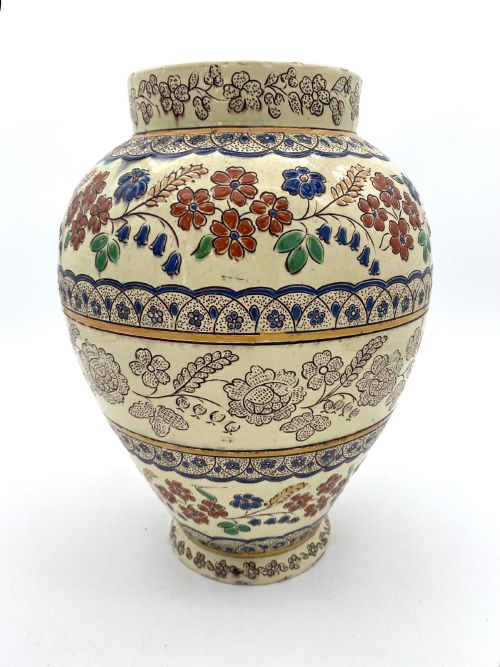
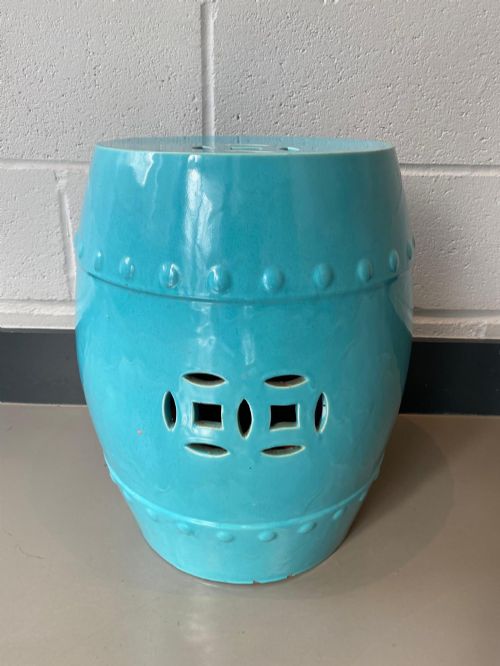
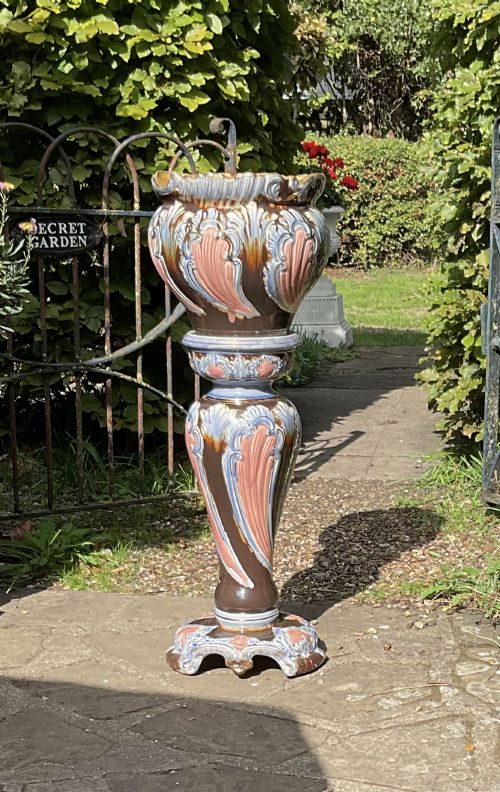
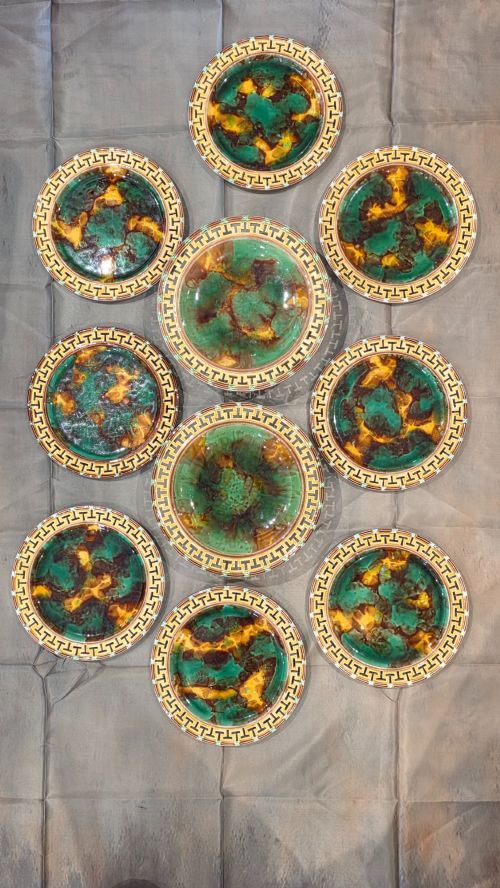
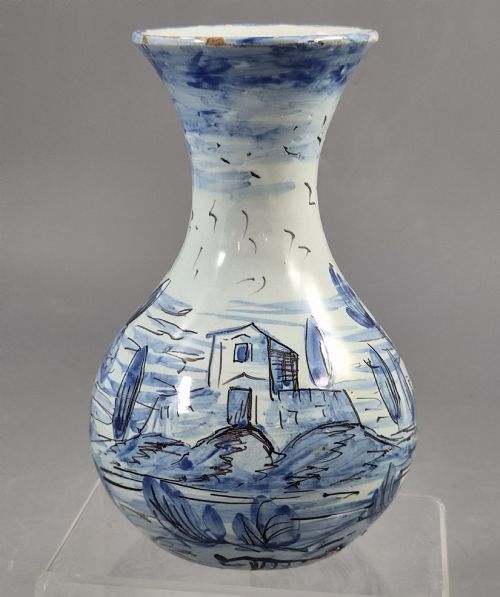
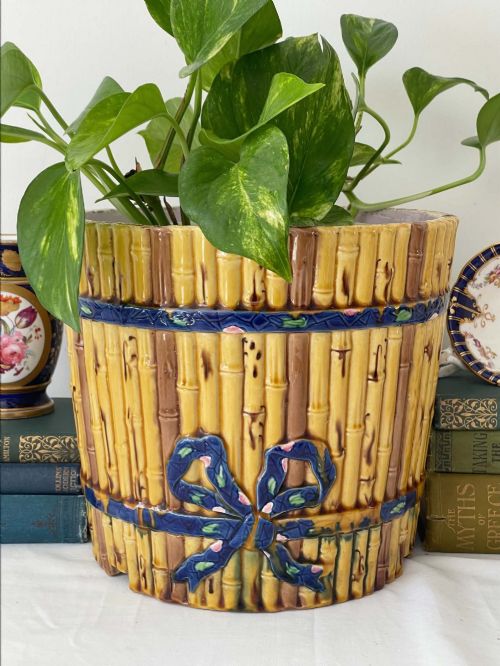
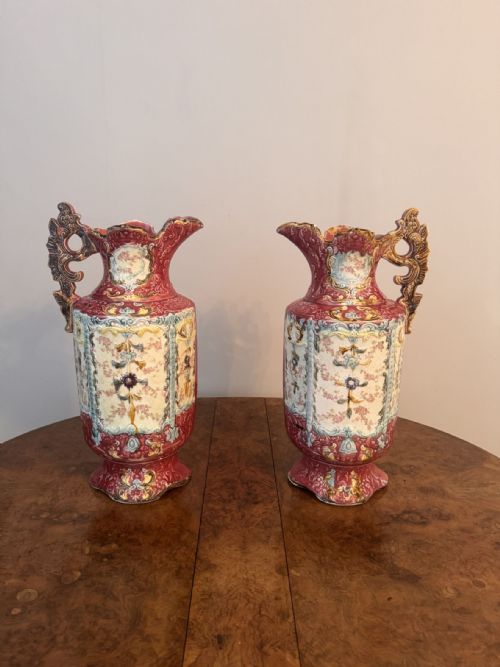
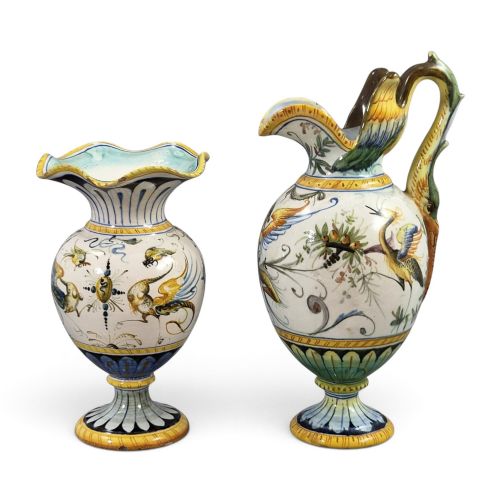
When you search for victorian majolica, you enter a world of richly coloured nineteenth century ceramics spanning the Victorian and Edwardian eras. The selection on this page ranges from large jardinieres and garden seats to intricate cheese domes, tureens, and decorative ewers.
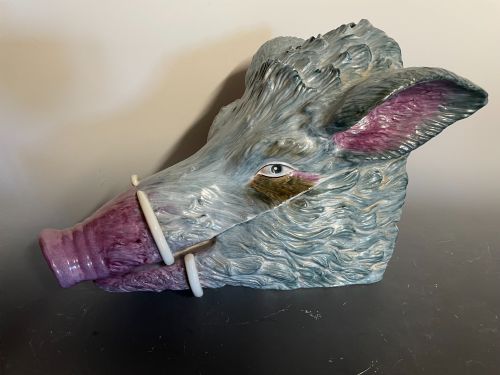
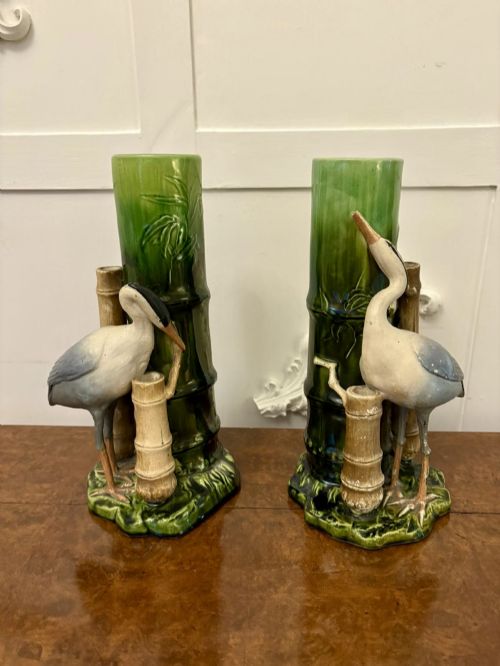
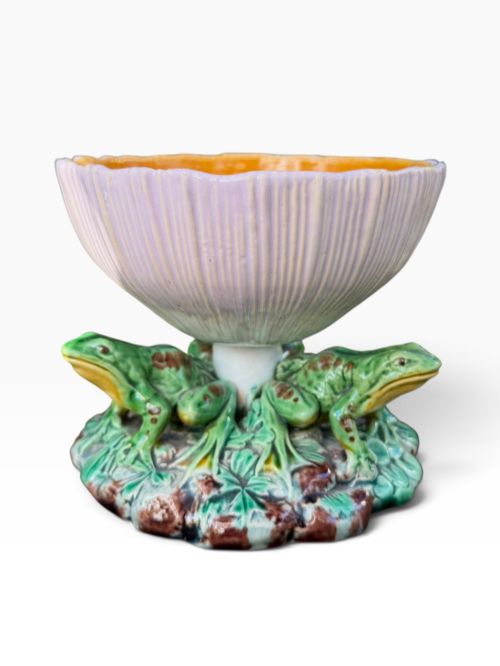
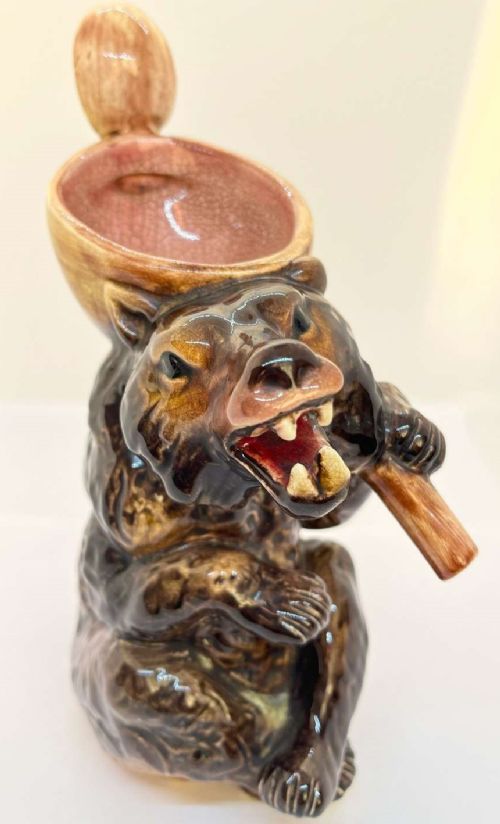
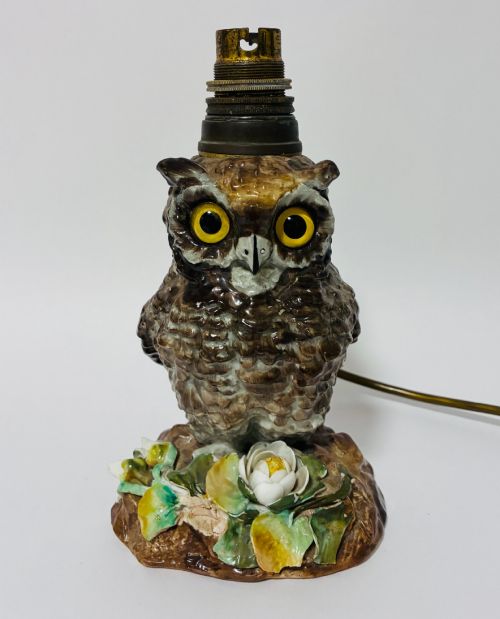
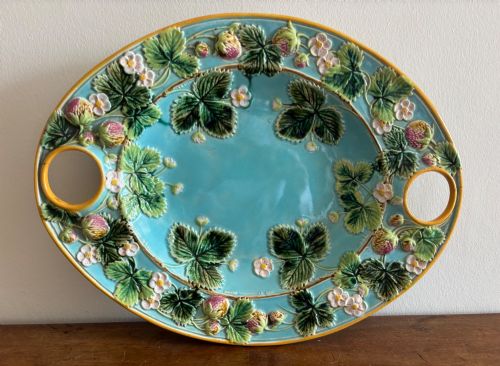
Makers in England and on the continent produced these heavy earthenware vessels, incorporating whimsical figures like frogs, bears, and owls alongside botanical motifs such as bamboo and begonia leaves. You will frequently encounter table wares, table lamps, and wall brackets designed to bring vivid texture into domestic interiors.
How they were made
Potters shaped earthenware and terracotta bodies before applying coloured lead glazes directly onto the porous clay or over an opaque tin glaze. This technique allowed multiple metal oxide pigments to run and pool together during firing, creating the characteristic lustrous and vibrant surface sheen.
The sculptural forms often relied on detailed mould pressing to achieve complex naturalistic shapes like game pie dishes, fruit baskets, and animal figures. Artisans then hand-finished the pieces prior to firing, ensuring sharp definition in feathers, fur, and floral patterns.
Listings feature earthenware and terracotta materials shaped into nineteenth century forms including cheese domes, garden seats, and animal tureens.
What varies in quality
The success of a piece depends heavily on the crispness of the moulded relief and the control of the coloured lead glazes during the kiln firing. Superior examples display clean separation of vibrant tones without muddy overlapping, alongside finely detailed modelling that brings animals and botanical subjects to life.
Larger forms such as jardinieres on stands and monumental ewers demand exceptional structural stability and an even glaze coverage across vast surfaces. Pieces that retain their original matching covers, stands, or serving servers command greater attention from collectors.
Minton·George Jones·Holdcroft·Wedgwood·Cantagalli·Bretby·Burmantofts
The Victorian Majolica Glossary
- Majolica
- A type of earthenware decorated with coloured lead glazes fired over a white tin glaze or directly onto the clay body. This method produced the bright, glossy palette seen throughout the nineteenth century.
- Earthenware
- Porous pottery fired at lower temperatures than stoneware or porcelain. It formed the heavy foundation for the vibrant lead glazes characteristic of this ware.
- Jardiniere
- A large ornamental pot or planter designed to hold growing plants. These often rested on matching pedestals or stands in nineteenth century parlours.
- Comport
- A raised bowl or dish used for serving fruit or dessert at the table. They frequently featured botanical motifs like begonia leaves.
- Lead glaze
- A glossy coating containing lead oxide that melted during firing to fix metal oxide pigments onto the ceramic body. It created the distinctive translucent shine on these pieces.
Victorian Majolica: Frequently Asked Questions
What is victorian majolica?
Victorian majolica is a style of nineteenth century glazed earthenware known for its vibrant coloured lead glazes and sculptural naturalistic forms. Potters used metal oxide pigments to create bright greens, blues, pinks, and yellows on functional and decorative objects.
These ceramics drew inspiration from Renaissance pottery and the natural world, resulting in domestic items shaped like animals, fruits, and plants. The style flourished across England and continental Europe during the Victorian era.
How were cheese dishes used?
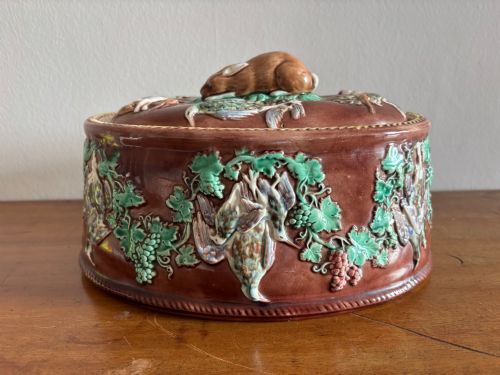
Cheese domes and cheese bells served to keep large blocks of cheese moist and fresh on the dining table during the nineteenth century. The domed cover trapped humidity while resting on a matching ceramic base or plate.
Wealthy households displayed elaborate examples shaped like animals, game heads, or stacked wheels of cheese during dessert courses. These covered dishes combined practical food storage with eccentric tableside decoration.
Where were these ceramics made?
Production centred around major pottery hubs in England, most notably Staffordshire factories such as Minton and George Jones. Other notable English firms like Bretby and Burmantofts also contributed distinct regional interpretations.
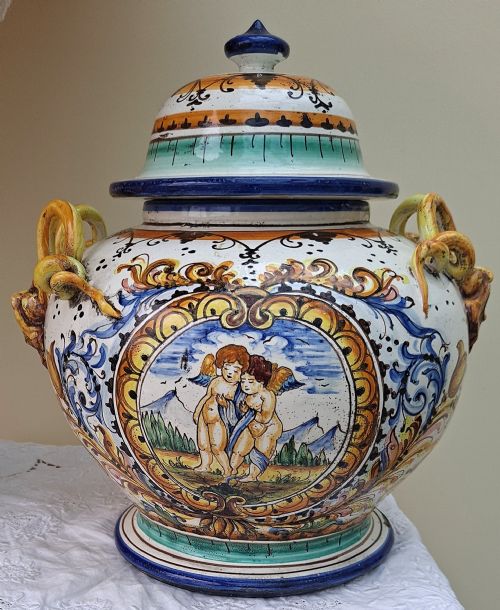
Continental workshops in Italy, France, and Austria produced similar tin glazed and lead glazed wares. Factories like Cantagalli in Florence embraced Renaissance Revival styles, expanding the aesthetic across Europe.
How do I clean my pieces?
Careful dusting with a soft, dry cloth is usually sufficient to maintain the glossy surface of glazed earthenware. Avoid submerging older pieces in water for extended periods, as moisture can seep into microscopic crazing in the glaze.
Harsh chemical cleaners and abrasive scrubbing pads will permanently damage the delicate lead glazes and metal oxide colours. Gentle spot cleaning with a damp cloth preserves the historical surface integrity.