

Victorian Mahogany Tier Table
A victorian mahogany tier table brings multi-level display space and rich nineteenth-century timber into a room.
Victorian Mahogany Tier Table
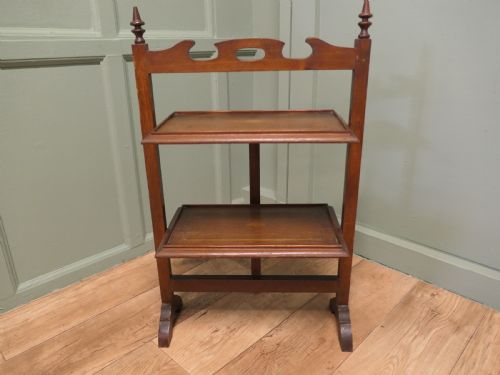
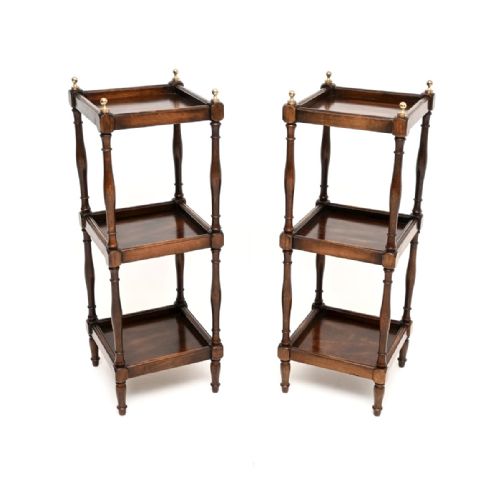
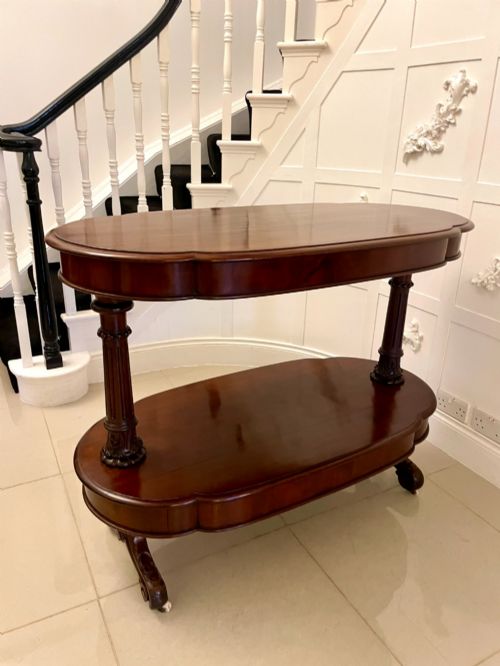
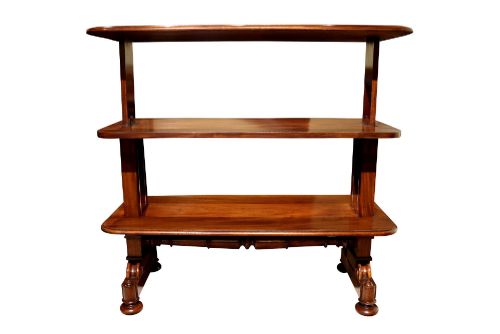
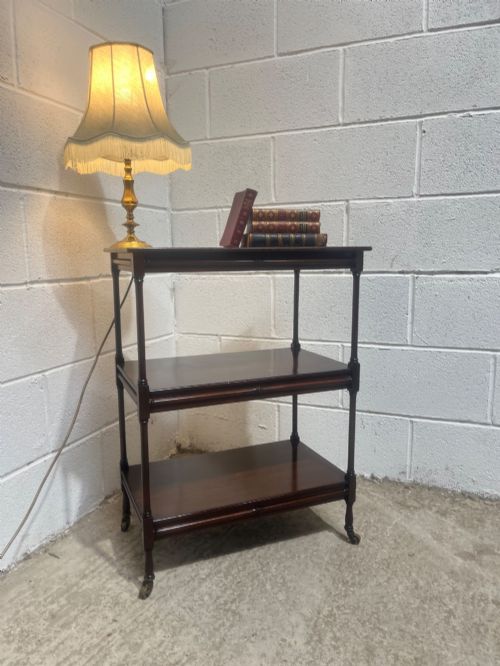
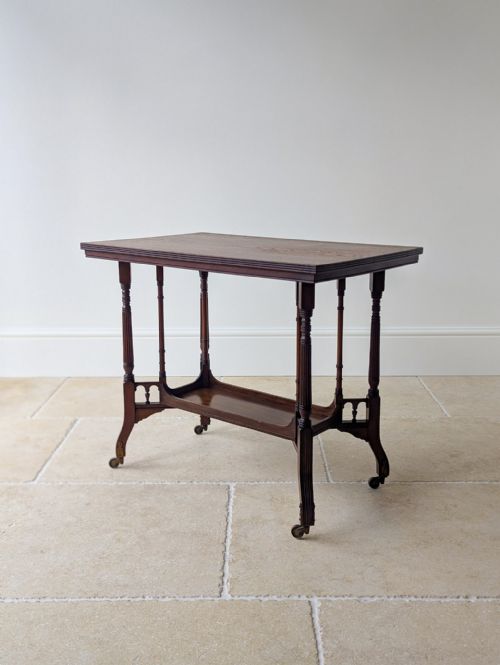
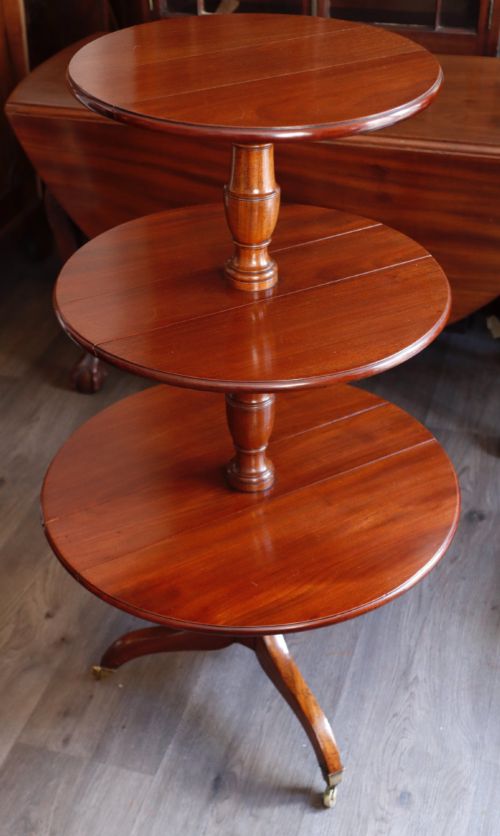
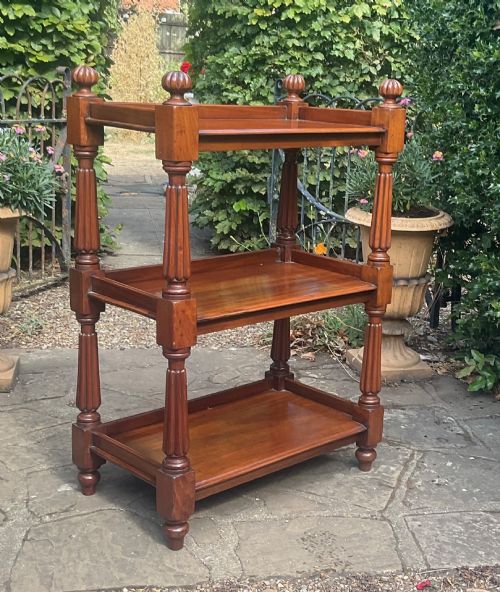
A victorian mahogany tier table offers stacked surfaces designed for display, serving, or holding lamps within a nineteenth-century interior. These pieces appear most frequently as two-tier or three-tier occasional tables, étagères, and dumb waiters originating from the Victorian period.
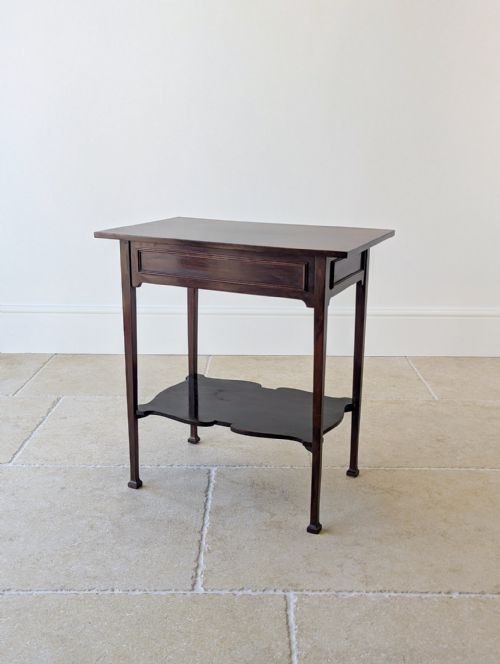
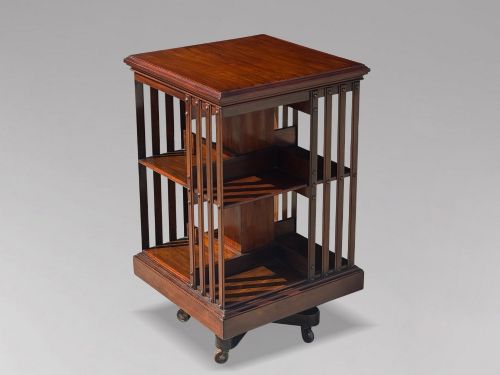
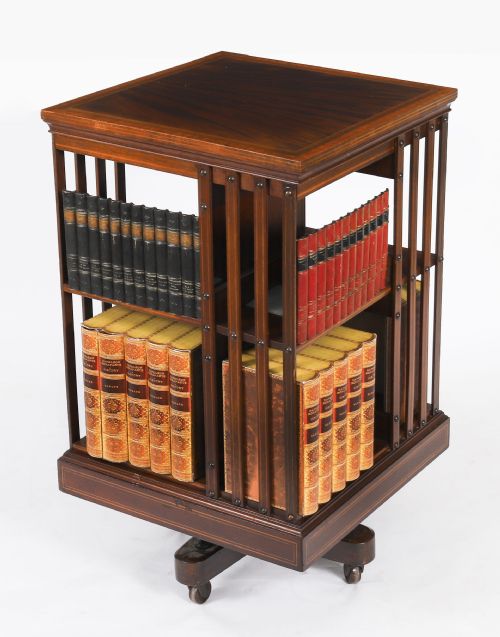
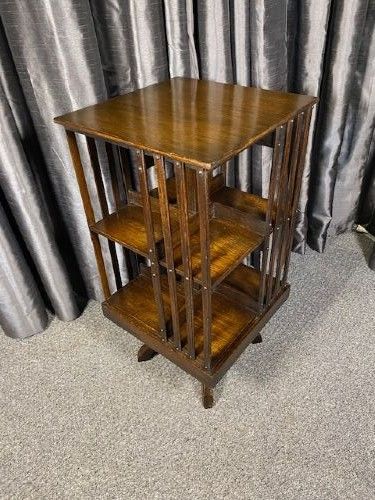
Makers and workshops of the era also produced related multi-level forms such as revolving bookcases, buffets, and side tables incorporating lower undertiers. The listings demonstrate a heavy reliance on mahogany timber across these tiered and stacked formats.
How they were made
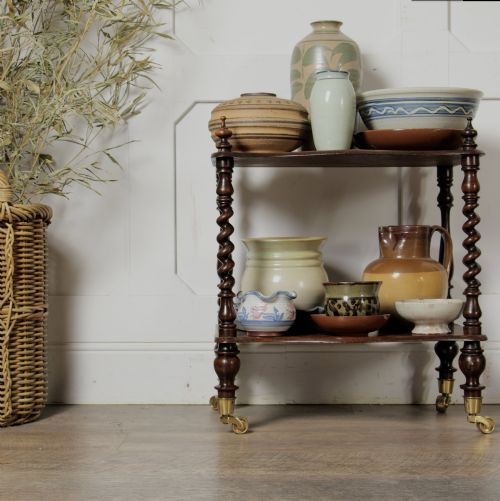
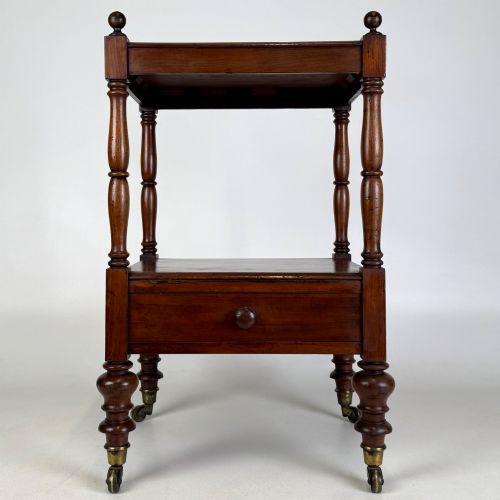
Cabinet makers utilised solid mahogany and flame mahogany veneers, often pairing the primary wood with secondary timbers like satinwood and boxwood for inlay work. Structural hardware frequently included brass castors, iron supports, and ormolu mounts to assist mobility and decoration.
Turned legs, barley twist columns, and hand-carved foliate details define the upright supports that separate the multiple tiers of wood. Joinery techniques of the nineteenth century ensured that stacked platforms remained stable under the weight of books, ceramics, and lamps.
Listings feature periods spanning from William IV and early Victorian epochs through to the late nineteenth century and Edwardian era.
What varies in quality
The distinction between standard utility items and finer cabinet work rests on the selection of timber figures, such as flame mahogany, and the precision of inlaid satinwood or boxwood details. Workshop attribution to known makers adds notable distinction to surviving tiered pieces.
Structural complexity also separates pieces, ranging from simple fixed two-tier side tables to sophisticated revolving mechanisms, rise-and-fall tiers, or original brass castors. The crispness of hand-carved mouldings and turned columns indicates the level of craftsmanship invested by the maker.
Gregory & Co·W. Turner Lord & Co·Maple & Co·Liberty and Co·Collinson and Lock
The Victorian Mahogany Tier Table Glossary
- Tier table
- A multi-level table featuring two or more stacked horizontal surfaces connected by vertical supports. These surfaces provide additional display or storage space without expanding the footprint of the furniture.
- Étagère
- A piece of furniture consisting of a set of open shelves or tiers for displaying small objects and ornaments. The form gained significant popularity during the Victorian period.
- Dumb waiter
- A tiered serving piece or side table designed to hold dishes, glasses, or wine bottles. Some examples include revolving tiers or mechanical rise-and-fall functions.
- Whatnot
- A piece of open shelving with multiple tiers used for books and ornaments. They appear frequently in nineteenth-century interiors.
- Flame mahogany
- A veneer cut from the point where a branch joins the main tree trunk, producing a distinctive rippled, flame-like pattern. It was favoured for high-status cabinet work.
- Undertier
- A lower shelf fitted beneath the main top surface of a table. It provides structural bracing and extra space for books or lamps.
Victorian Mahogany Tier Table: Frequently Asked Questions
What is a tier table used for?
These pieces served multiple domestic purposes in nineteenth-century homes, acting as lamp stands, side tables, or serving stations for dining rooms. The extra shelves provided convenient surfaces for books, plants, and ornaments.
Today, they function well beside armchairs or in hallways where vertical space allows for display without crowding the floor area.
How do I date a victorian mahogany table?
Dating relies on observing stylistic markers, construction methods, and timber choices recorded across the nineteenth century. Pieces from the early Victorian or William IV eras often feature heavier rosewood or mahogany proportions.
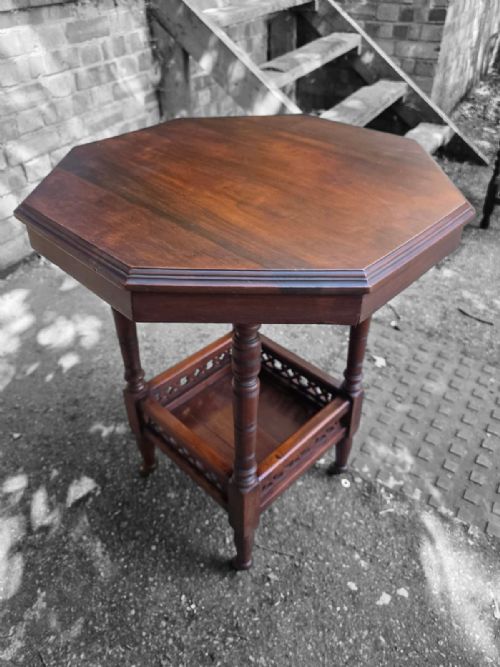
Later examples from the end of the century frequently incorporate Aesthetic Movement design elements, satinwood inlay, or lighter structural forms like octagonal tops.
How do I care for mahogany tier tables?
Maintain the timber by keeping the table away from direct heat sources and strong sunlight, which can dry out nineteenth-century mahogany and veneers. Dust regularly with a soft, dry cloth to protect the polished surface.
Avoid commercial silicone polishes and instead use traditional beeswax sparingly to nourish the wood grain over time.