

Victorian Mahogany Storage
Victorian mahogany storage encompasses robust chests, cabinets and specialist boxes built to hold clothing, music and household goods.
Victorian Mahogany Storage
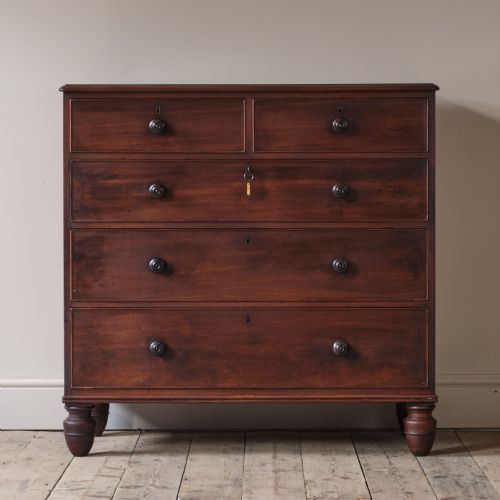
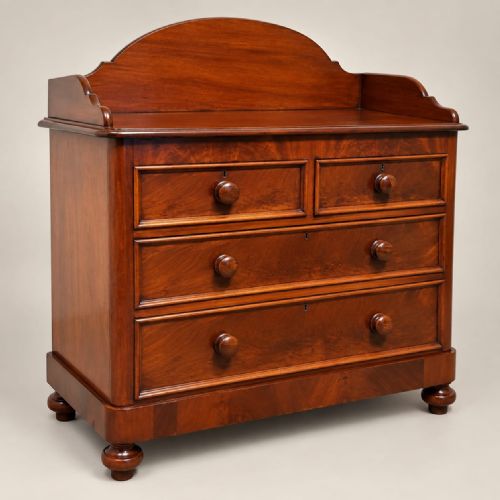
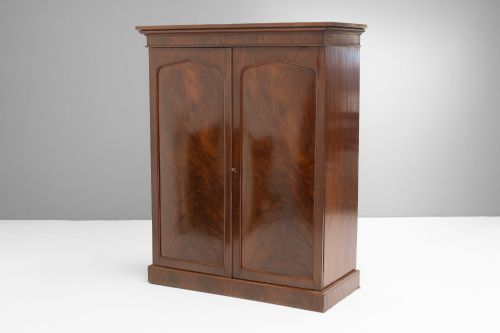
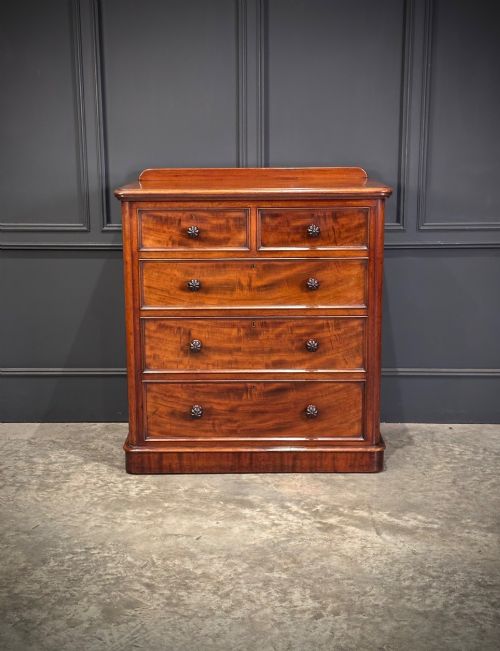
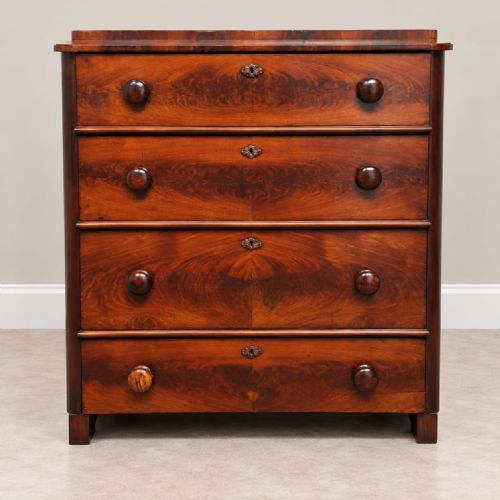
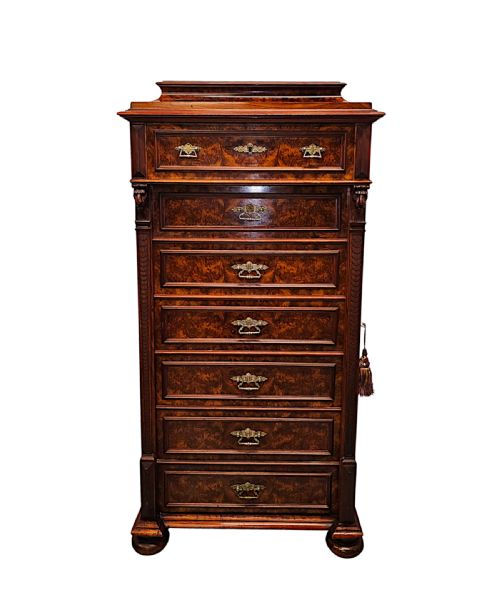
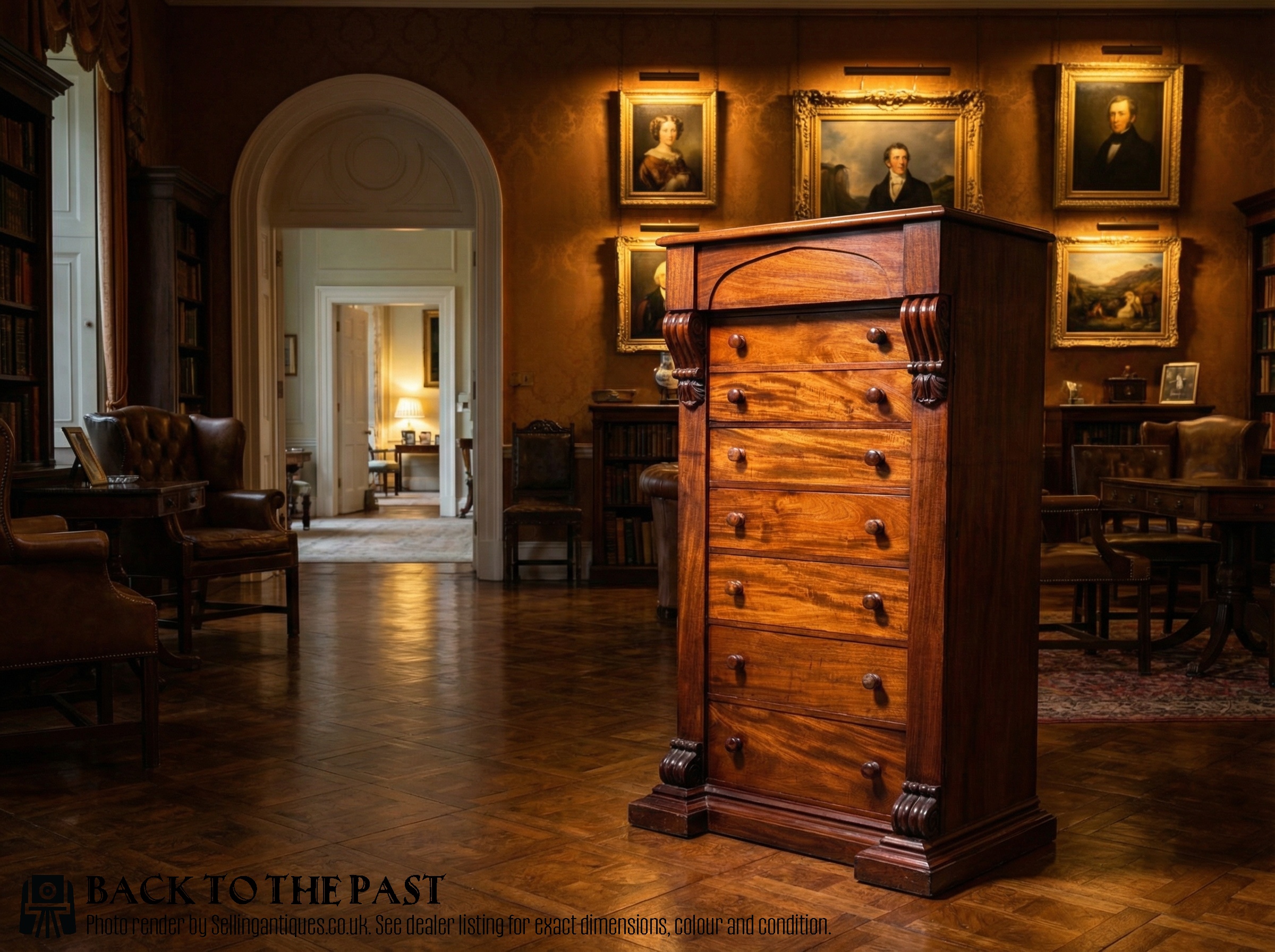
Victorian mahogany storage primarily takes the form of functional household furniture designed to organise personal belongings and domestic items. Chests of drawers dominate the selection, appearing in standard multi-drawer configurations alongside bow front, Scotch, and Wellington styles.
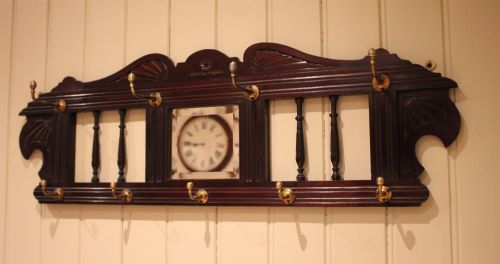
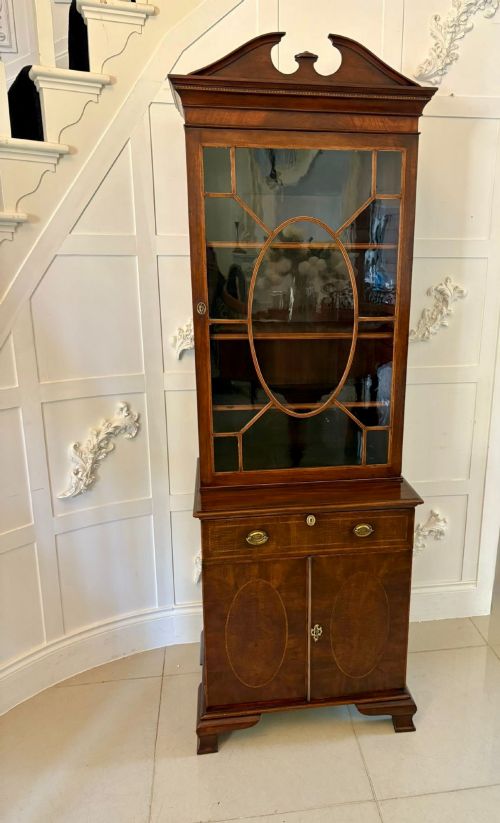
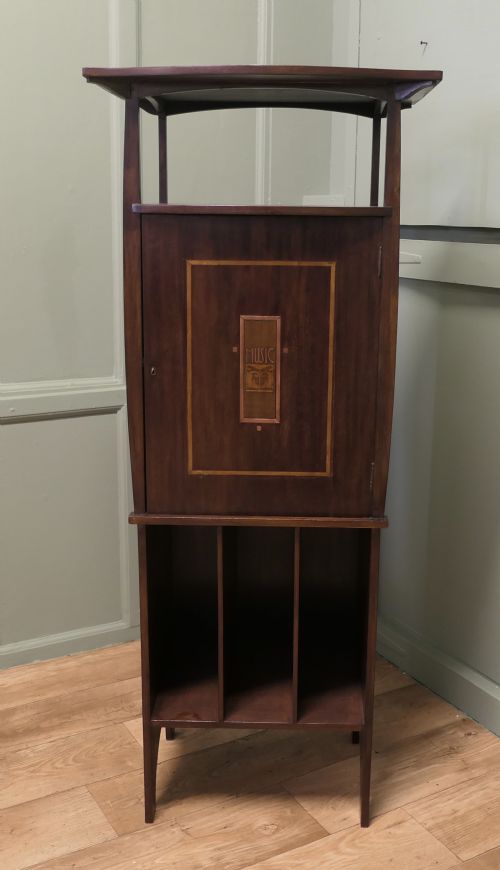
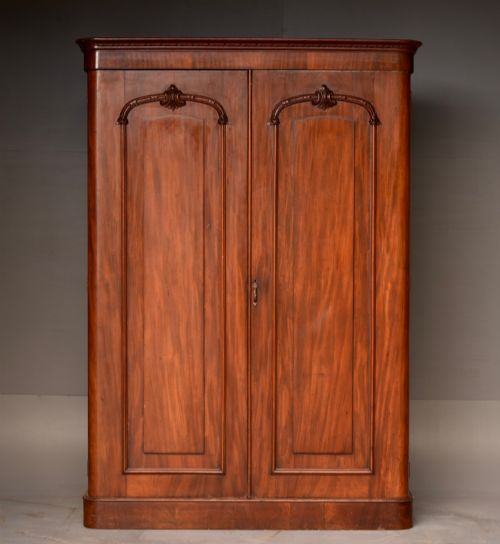
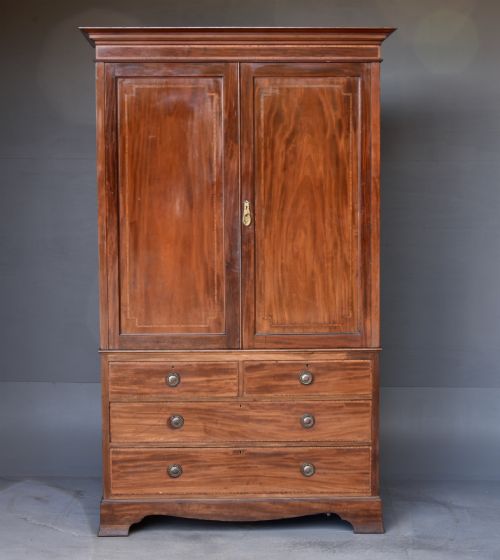
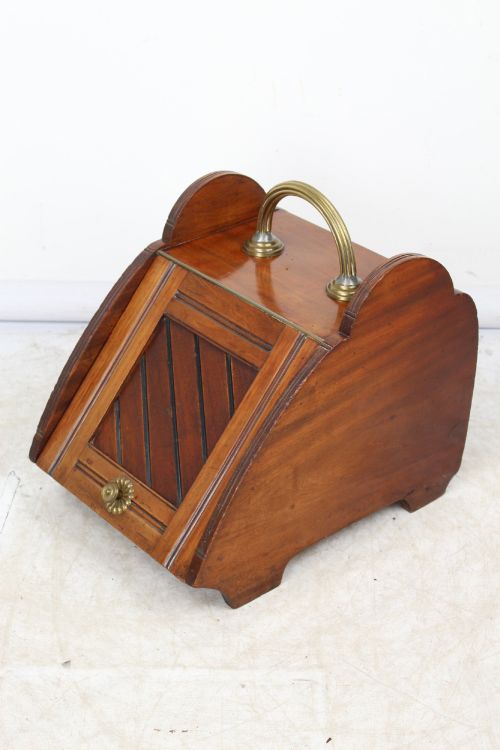
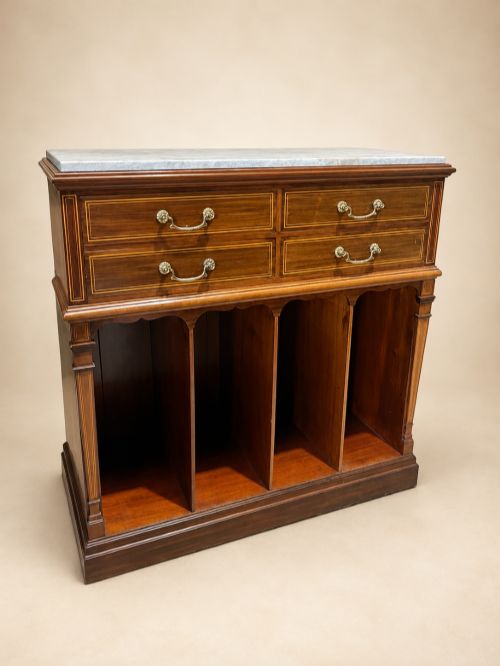
Beyond standard chests, pieces include wardrobes, sideboards, bookcases, chiffoniers, and smaller specialist items such as music cabinets, coal scuttles, and boot racks. Piano stools and sewing tables with integrated compartments also provide compact storage options.
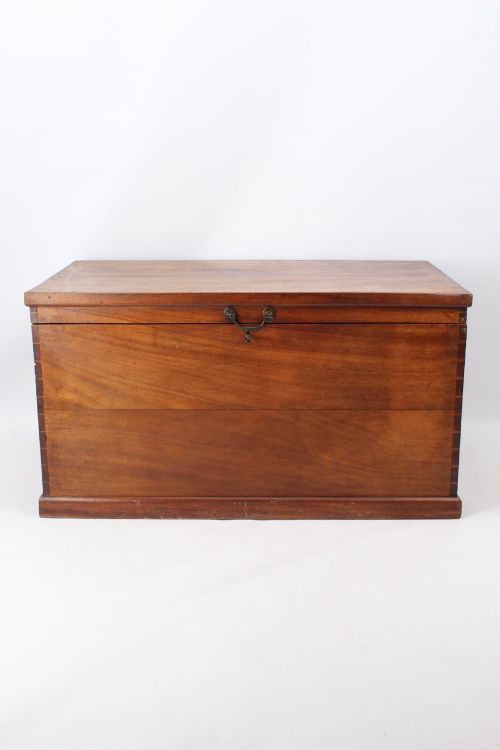
The objects span the nineteenth century, with specific examples carrying dates from the 1840s through to 1900, alongside related pieces produced in Edwardian and later periods. Miniature apprentice chests and trinket boxes represent smaller scale storage solutions.
Materials and construction
Makers utilised solid mahogany and flame mahogany veneer over secondary timbers such as pine, occasionally incorporating satinwood for decorative inlay work. Structural hardware relied on brass handles, hinges, and iron bindings, particularly on military campaign pieces.
Surface details integrated glass panels on bookcases and cabinets, marble tops on sideboards, and leather inserts on campaign writing or storage chests. Internal construction frequently employed tongue and groove joints on drawer linings and backboards.
Victorian Mahogany Storage Retail Price Guide 2026
Typical asking prices for victorian mahogany storage among the pieces listed under this phrase on Sellingantiques today, from the lower quarter to the upper quarter. They describe what is for sale here now, not the wider market.
Several items double as seating, including piano stools and ottomans equipped with hidden compartments for sheet music.
Judging quality and selection
Quality rests upon the selection of timber grain, particularly the use of highly figured flame mahogany veneer across drawer fronts and cabinet doors. Superior examples display precise cabinetmaking in dovetail joints and smooth drawer operation.
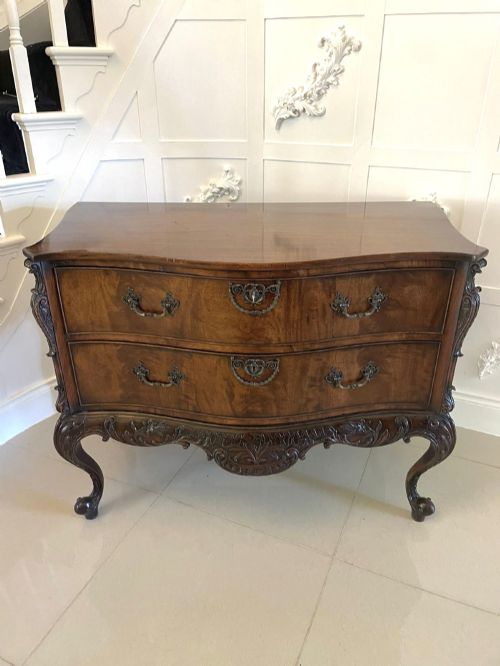
Design ambition separates standard utility items from high-end pieces, visible in serpentine shapes, fine inlay work, and robust brass campaign mountings. Original hardware, intact glass, and well-preserved marble tops contribute to the standing of a piece.
T & G Seddon·GM Elwood·JS Henry·Maples & Co
The Victorian Mahogany Storage Glossary
- Flame mahogany
- A veneer cut from timber fork or bough junctions that produces a distinctive flame-like pattern across the wood surface.
- Wellington chest
- A tall, narrow chest of drawers secured by a locking hinged side pilaster that fastens over the drawer edges.
- Campaign chest
- Portable modular furniture built in sections with recessed brass handles and corner brackets for military transport.
- Chiffonier
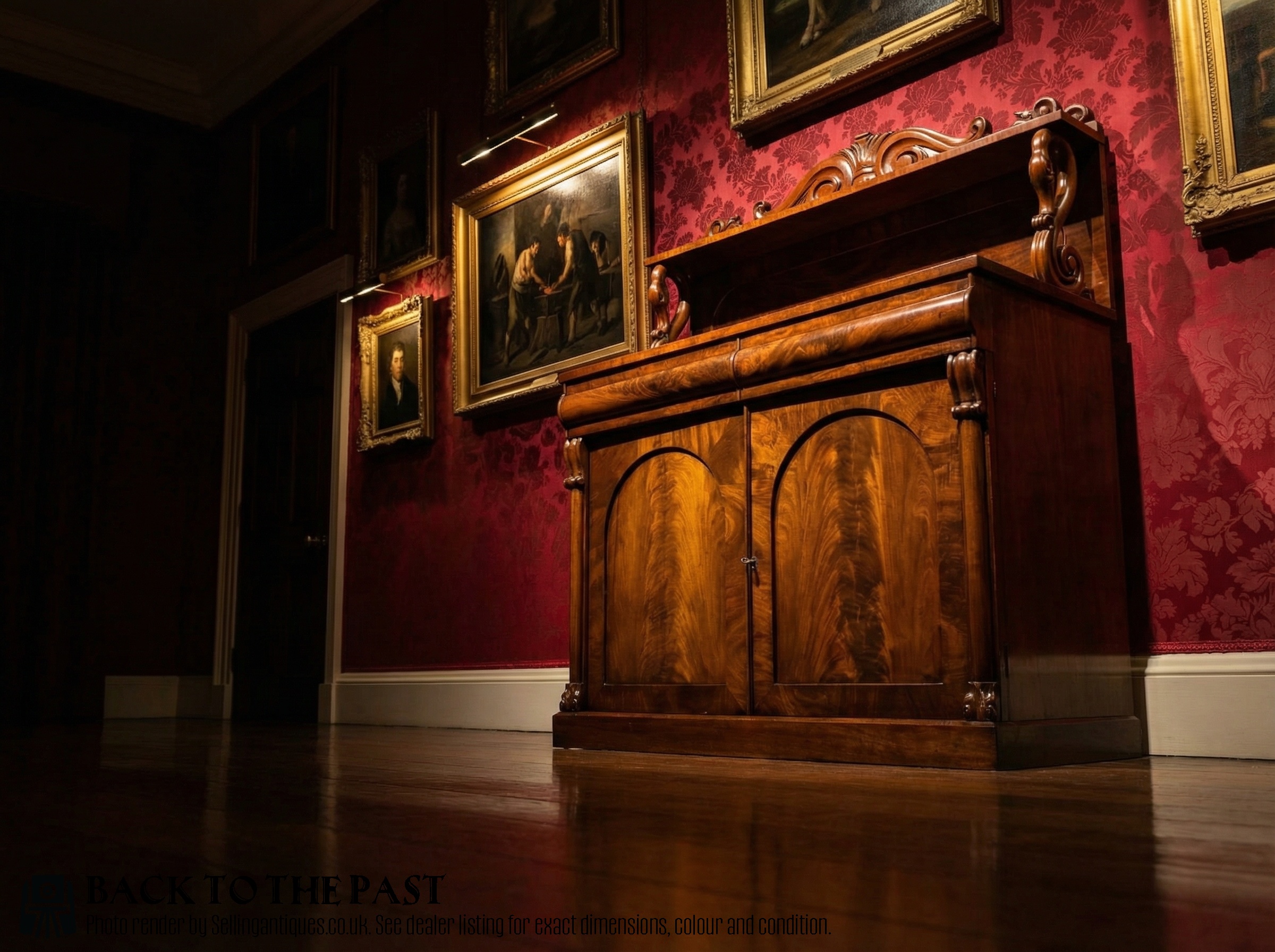
- A compact sideboard or low cabinet typically fitted with enclosed shelving below and a small superstructure or mirror above.
- Apprentice piece
- A small-scale model demonstrating a maker's mastery of techniques required to qualify as a full craftsman.
Victorian Mahogany Storage: Frequently Asked Questions
What is a Wellington chest?
A Wellington chest is a tall, narrow set of drawers characterised by a vertical locking bar on one side that secures all the drawers at once.
This design originated for secure storage and provides a large capacity while occupying a minimal floor footprint.
How do campaign chests work?
Campaign chests are built in two or more separate modular sections with flush brass handles and corner braces to withstand travel.
Officers utilised these sturdy trunks during military campaigns because they stacked securely and packed easily for transit.
What is flame mahogany?
Flame mahogany is a decorative wood veneer sliced from the point where a branch meets the main tree trunk.
This growth pattern creates a rippling, flame-like figure that cabinetmakers displayed prominently on the fronts of chests and cabinets.
Where were chiffoniers used?
Chiffoniers served as dining room or parlour sideboards for holding linens, serving dishes, and daily household items.
Their smaller proportions made them suitable for rooms where a full-sized sideboard would take up too much space.