





Victorian Mahogany Miniature Box
These Victorian mahogany miniature boxes are small-scale storage pieces built for samples, jewellery, and specimens, offering precise craftsmanship on a tiny footprint.
Victorian Mahogany Miniature Box
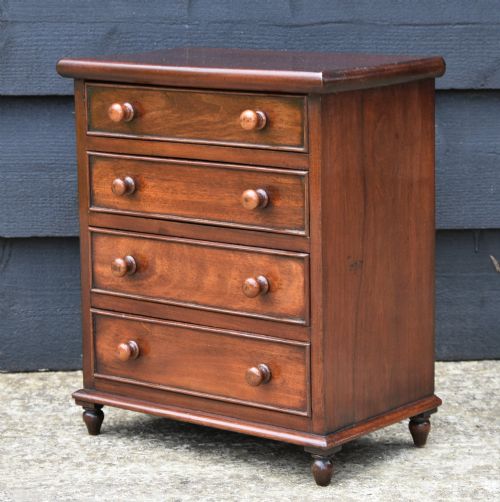
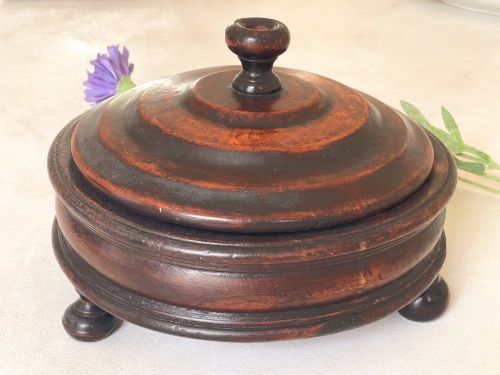
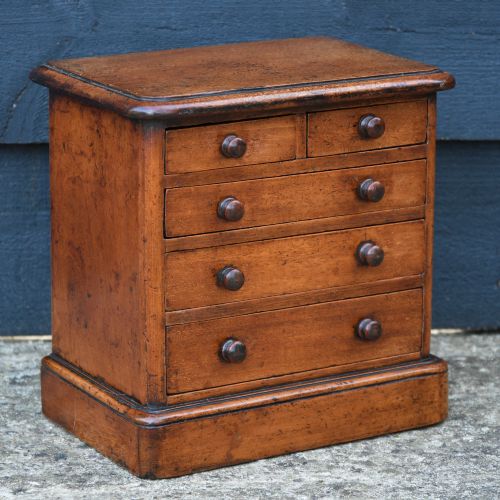
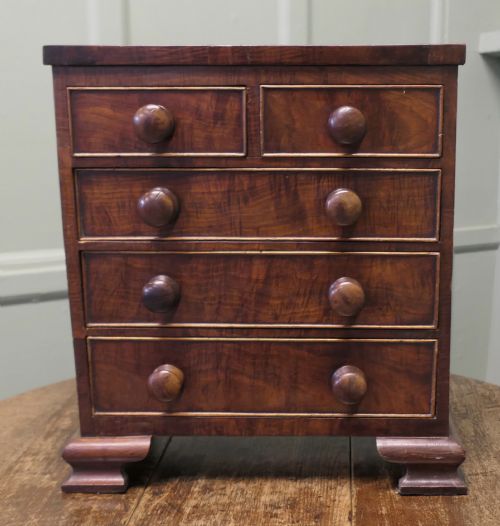
A victorian mahogany miniature box typically takes the form of a small chest of drawers, tea caddy, or tabletop cabinet. These items span the nineteenth century, including specific dates from eighteen fifty to eighteen ninety alongside Georgian examples.
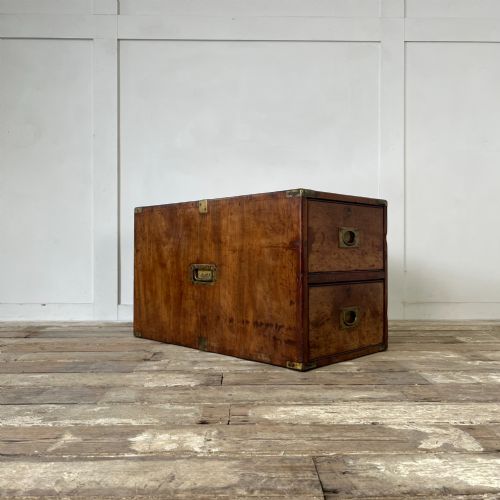
The most common version met on this page is the miniature chest of drawers, often referenced as an apprentice piece or jewellery chest. Other variations include campaign styles, apothecary boxes with original bottles, and multi-drawer collectors cabinets.
How they were made
Construction relies primarily on mahogany timbers, frequently combined with secondary woods such as oak and boxwood. Workshops utilised traditional joinery methods to build these small scales, matching the structural integrity of full-sized furniture.
Surface decoration and functional detailing often incorporate brass hardware, glass elements, bone accents, and velvet linings. Mother-of-pearl inlay and floral motifs appear on select pieces to enhance the exterior appearance.
Victorian Mahogany Miniature Box Retail Price Guide 2026
Typical asking prices for victorian mahogany miniature box among the pieces listed under this phrase on Sellingantiques today, from the lower quarter to the upper quarter. They describe what is for sale here now, not the wider market.
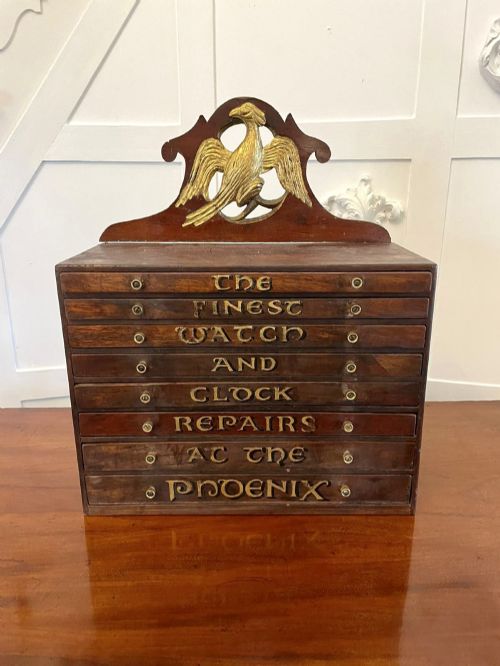
One twenty-eight drawer cabinet holds microscope slides, proving that victorian adults loved tiny filing systems as much as we do.
What varies in quality
Quality differences emerge in the precision of the miniature proportions and the depth of the wood patina. Pieces displaying fine grain selection and careful alignment of multiple drawers sit higher in the range.
The presence of specialised internal fittings, such as original glass apothecary bottles or numerous specialised slides in a collectors cabinet, elevates the standard of execution significantly.
The Victorian Mahogany Miniature Box Glossary
- Apprentice piece
- A small-scale item demonstrated to show a craftsman's skill before gaining master status. These often mirror full-size furniture designs in miniature.
- Campaign chest
- Portable furniture made in sections with brass corners and recessed handles. Designed for easy travel during military service.
- Specimen cabinet
- A specialised storage unit with multiple shallow drawers for holding natural history samples or microscope slides. They feature tight tolerances to protect delicate contents.
- Tea caddy
- A small lidded container designed for storing loose tea leaves. Georgian and Victorian examples occasionally adopt the form of miniature chests.
- Bowfront
- A curved front surface swelling outward in the centre. This shape requires advanced woodworking skill to execute properly on a small scale.
Victorian Mahogany Miniature Box: Frequently Asked Questions
What were miniature boxes used for?
These small pieces served various practical purposes on desks and dressing tables. Owners stored jewellery, tea, documents, or personal collections inside them.
Craftsmen also produced them as demonstration pieces to prove their woodworking proficiency to guild masters.
How do I identify an apprentice piece?
Apprentice pieces replicate standard domestic furniture forms like sideboards and chests of drawers down to a fraction of the usual size. They exhibit serious joinery techniques executed on a reduced scale.
Look for meticulous dovetailing and proportional accuracy that sets them apart from simple decorative toys.
Are campaign boxes different from standard chests?
Campaign boxes incorporate recessed brass handles and reinforced corners for transport. They reflect military styling adapted for desktop or tabletop use.
Standard Victorian boxes prioritise domestic elegance with polished mahogany and delicate inlay work rather than travel utility.
Where should I place these in a room?
Miniature cabinets and chests sit well on larger pieces of furniture, such as sideboards, desks, or chest tops. Their small footprint allows them to occupy desktop spaces without cluttering a room.
Keep them away from direct sunlight and strong heat sources to protect the mahogany polish and internal velvet linings.