


Victorian Mahogany Hall Furniture
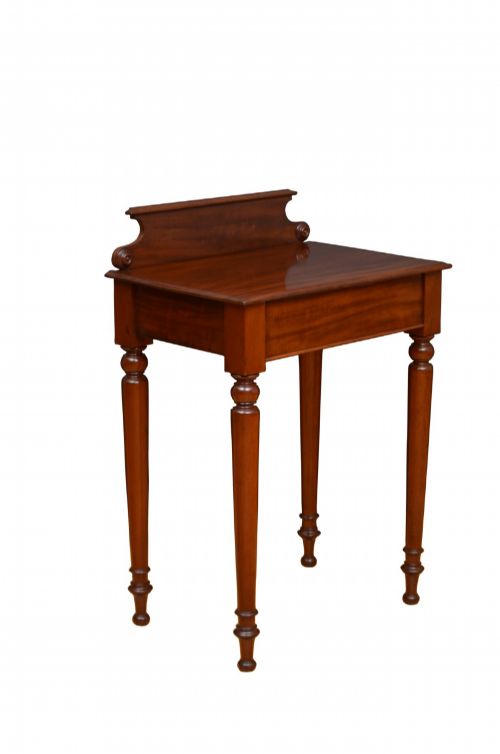
Victorian mahogany hall furniture greets visitors with timber warmth and practical service, spanning substantial stands, sturdy seating, and console tables.
Victorian Mahogany Hall Furniture
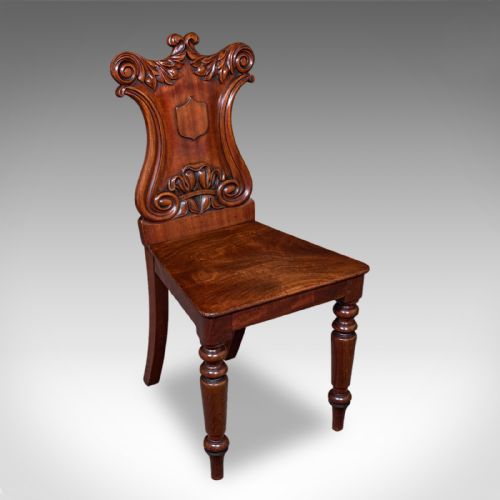
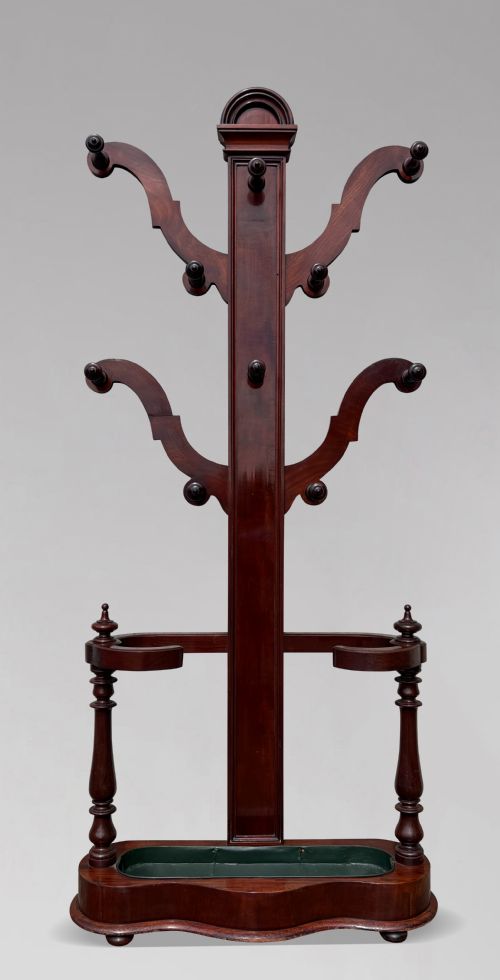
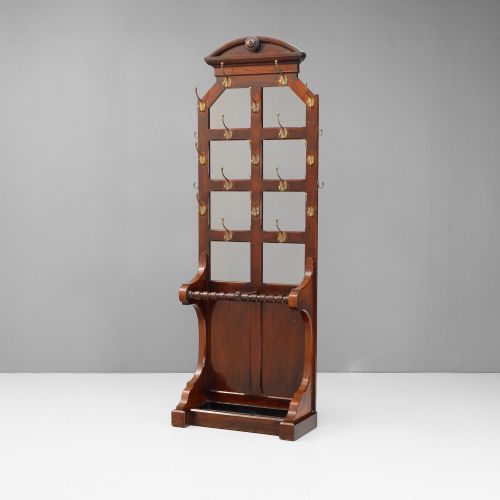
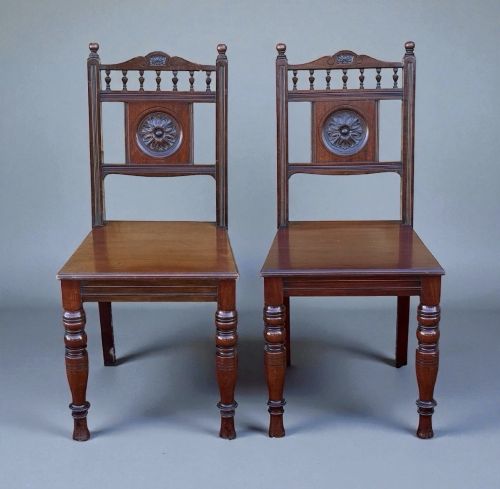
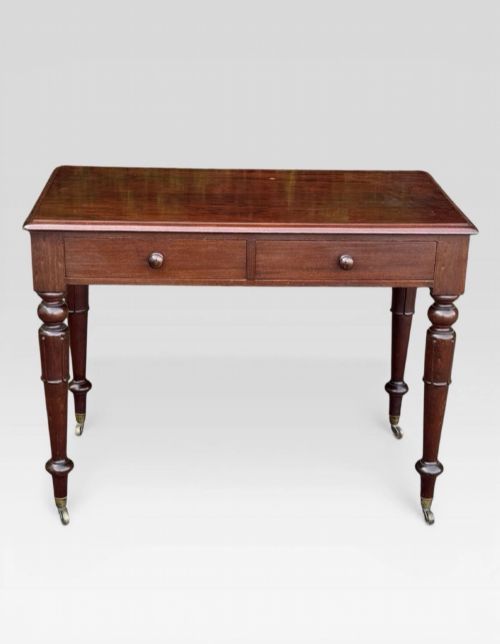
Victorian mahogany hall furniture comprises pieces designed for entrance halls and reception spaces, meeting the practical demands of nineteenth-century households for hat storage, umbrella placement, and seating. The selection here leans heavily toward architectural hall stands, side tables, console tables, and carved hall chairs.
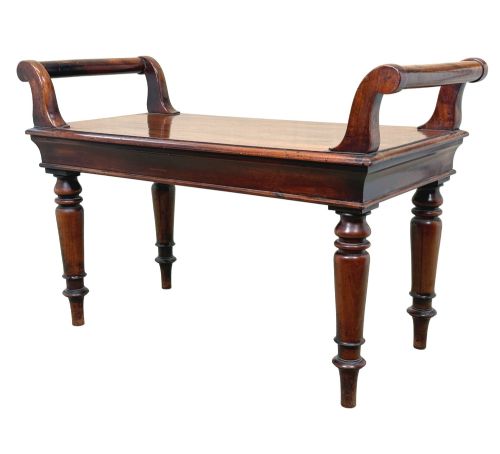
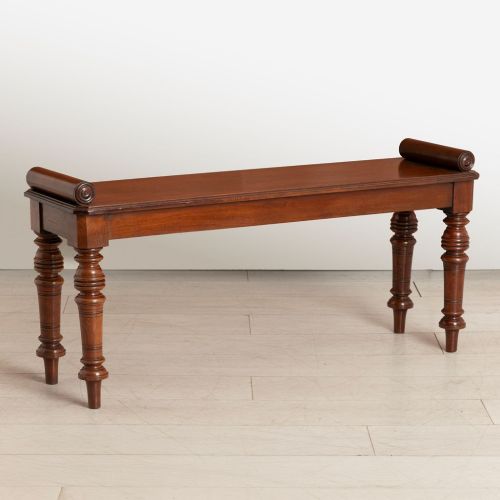
The objects date across the nineteenth century, with particular concentration in the Victorian period alongside related examples from the Edwardian era and the 1930s. Forms vary from simple benches and window seats to elaborate hall trees fitted with mirrors, marble shelves, and brass hooks.
Origin points span English country houses, Scottish workshops, Irish sets, and regional centres such as the Channel Islands. Buyers meet diverse regional interpretations, from military campaign influences to Anglo-Indian details.
Materials and Technique
Makers relied principally upon solid mahogany and flame mahogany veneer, selected for deep grain patterns and structural resilience. Timber construction frequently incorporated carved woodwork, inlay, and polished surfaces.
Functional hardware utilised brass, cast iron, and glass elements, particularly on coat hooks, umbrella troughs, and mirrors. Marble inserts appeared on console tables and hall stands, providing durable surfaces for damp items and visiting cards.
Joinery techniques supported heavy daily use in busy entranceways, combining sturdy frames with decorative carving and bevelled mirror plates.
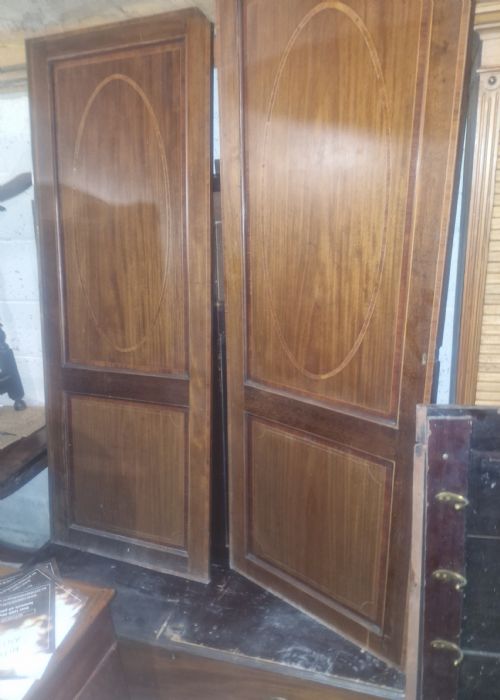
A folding clothes hanging rack hides quietly among the heavy mahogany timber, ready to expand when unexpected visitors arrive.
Judging Quality
Quality rests in the depth of timber selection, particularly the vibrancy of flame mahogany veneer and the crispness of carved details on chair backs and structural cornices. Finer pieces demonstrate superior joinery that conceals structural stress while maintaining stability under heavy loads.
The integration of secondary materials defines the upper tier of production, such as thick bevelled mirror plates, heavy cast brass hooks, and properly fitted marble shelves rather than thin replacements. Maker attribution, through stamped signatures or documented workshop origins, further separates standard production from exceptional examples.
J A Mein Edinburgh·W Williamson & Sons of Guildford·Shoolbred·Druce and Co
The Victorian Mahogany Hall Furniture Glossary
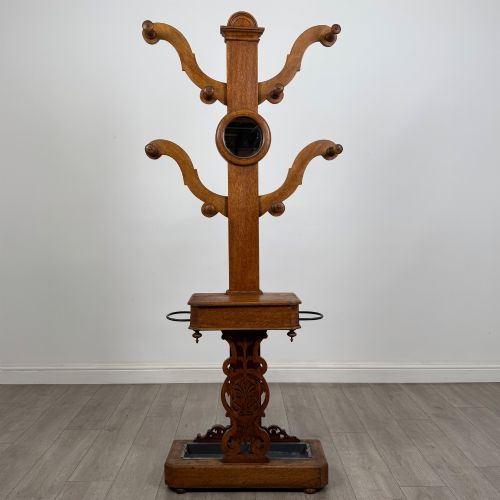
- Hall stand
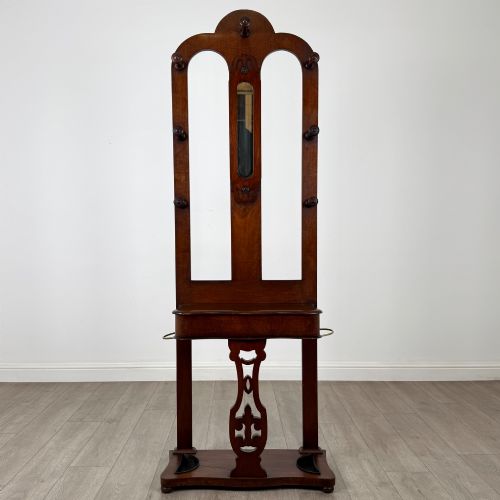
- A tall entranceway piece combining a mirror, coat hooks, umbrella wells, and sometimes a small shelf or glove box. It anchors the hallway by consolidating multiple storage functions into a single timber structure.
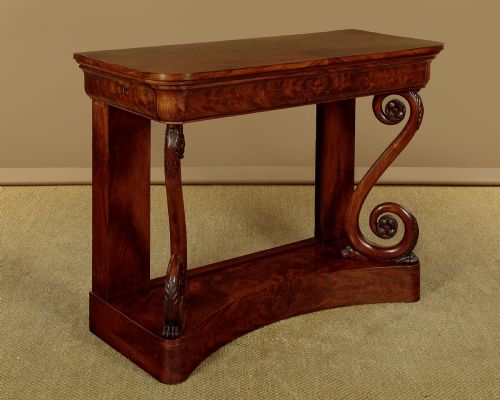
- Console table
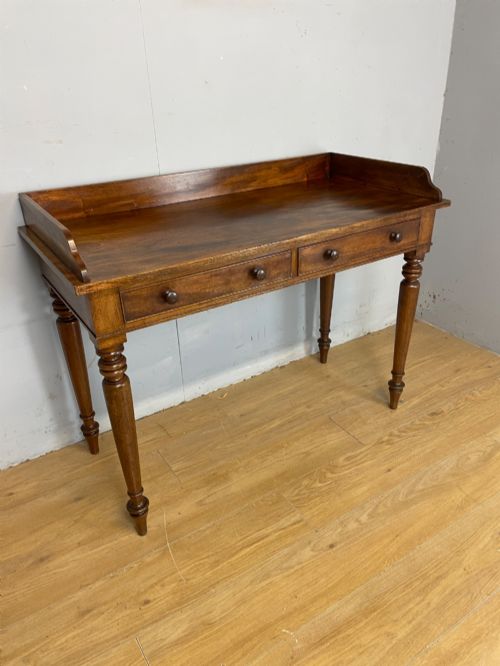
- A table designed to stand against a wall, frequently fitted with one or two drawers and sometimes topped with marble. These pieces served as drop surfaces for post and calling cards in formal entryways.
- Flame mahogany veneer
- A decorative wood slice cut from the fork of the mahogany tree where branches meet the trunk. This produces a distinctive, fiery ripple pattern prized for cabinet fronts and table tops.
- Window seat
- A long, narrow form of seating designed to fit recessed windows or hallways, featuring upholstered or wooden tops. Surviving examples often double as hallway benches.
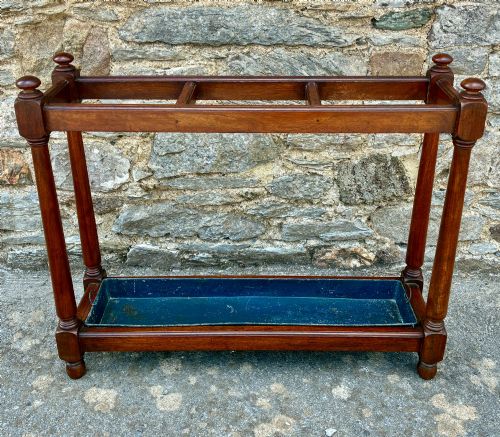
- Stick and umbrella stand
- A dedicated receptacle featuring metal or wooden dividers and a base tray to catch water. They kept wet weather gear organised near the front door.
Victorian Mahogany Hall Furniture: Frequently Asked Questions
What is a hall tree?
A hall tree is an alternative term for a hall stand, providing vertical storage for garments, hats, and umbrellas in an entrance hall.
These pieces typically incorporate a central mirror flanked by timber hooks and lower umbrella troughs.
How were console tables used?
Console tables stood flat against hallway walls to receive incoming visitors, holding visiting cards, letters, or small lamps.
Their narrow footprints made them suitable for transitional spaces without obstructing foot traffic.
Why did hall chairs have wooden seats?
Hall chairs featured rigid wooden seats because they were intended for brief seating rather than prolonged lounging.
Visitors or couriers waited on them briefly, and the unpadded surfaces resisted dust and heavy outdoor wear.
How do I identify a Victorian piece?
Victorian pieces display characteristics typical of nineteenth-century manufacturing, including dense mahogany timber, hand-carved details, and traditional joinery methods.
Makers often utilised brass hardware, bevelled mirror glass, and flame veneer finishes popular during that era.