


Victorian Mahogany Executive Desk
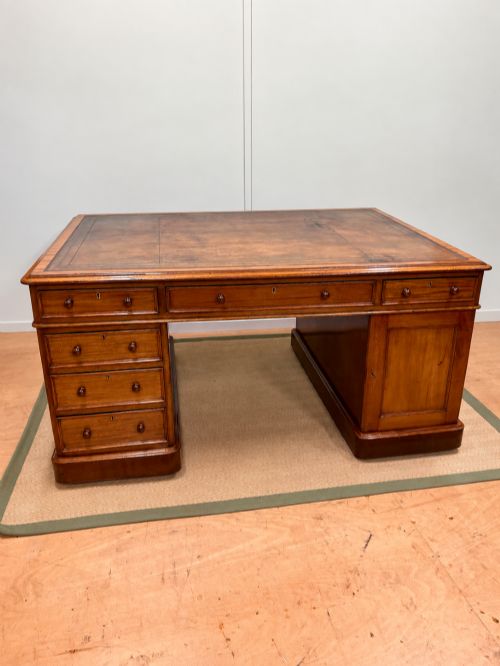
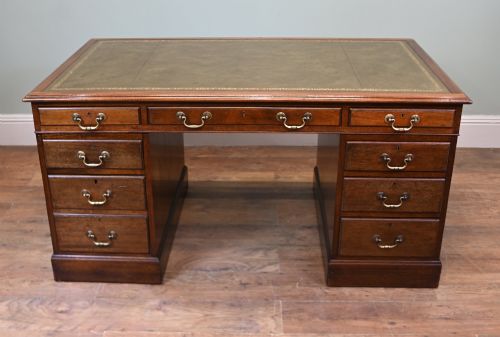
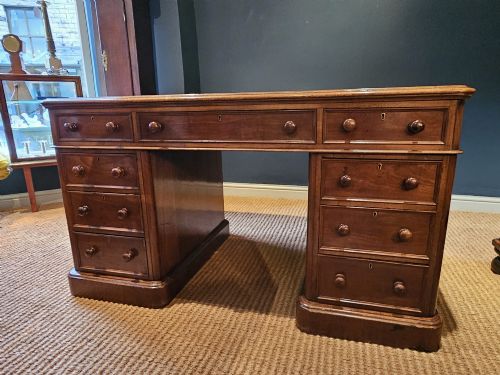
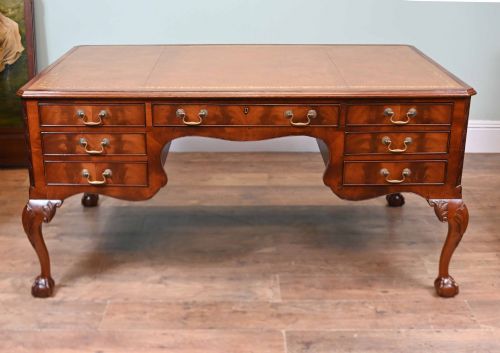
A victorian mahogany executive desk is a substantial nineteenth-century working table built from rich timber, designed to anchor a study with practical authority.
Victorian Mahogany Executive Desk
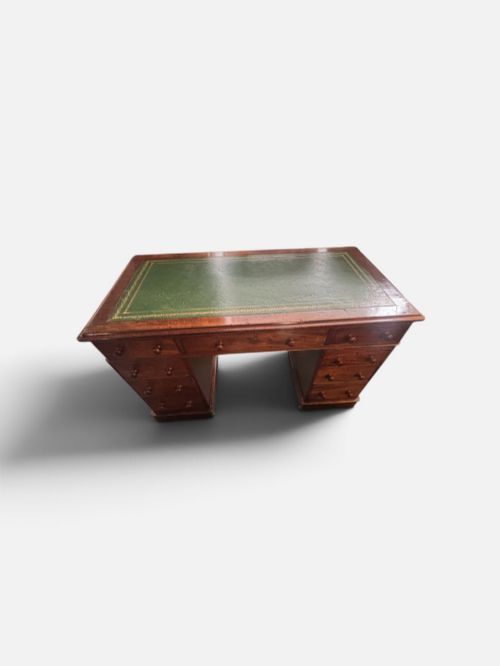
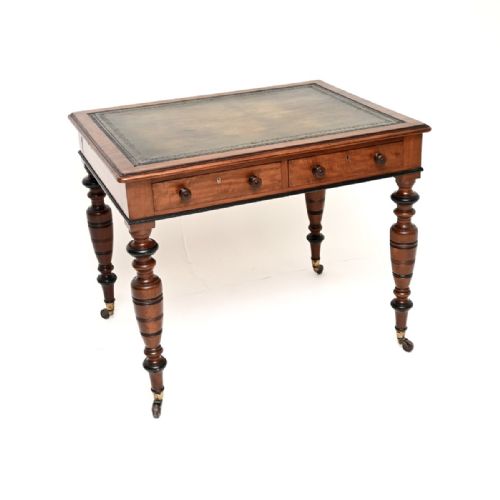
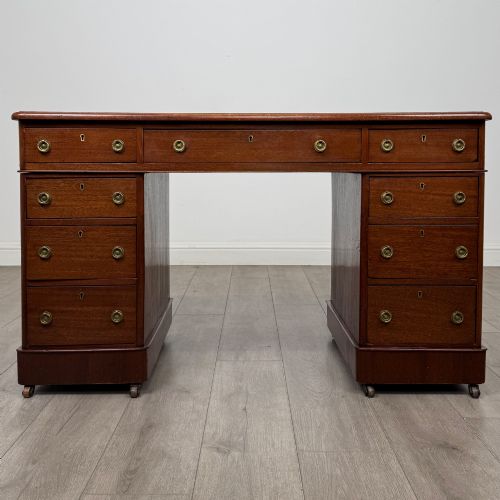
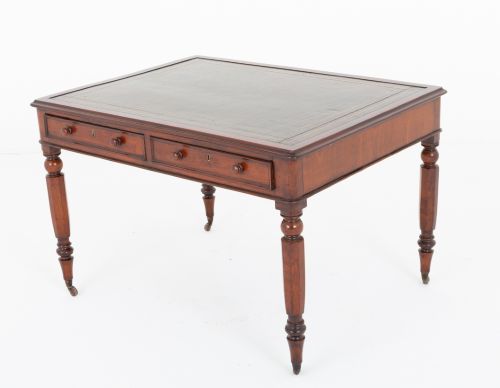
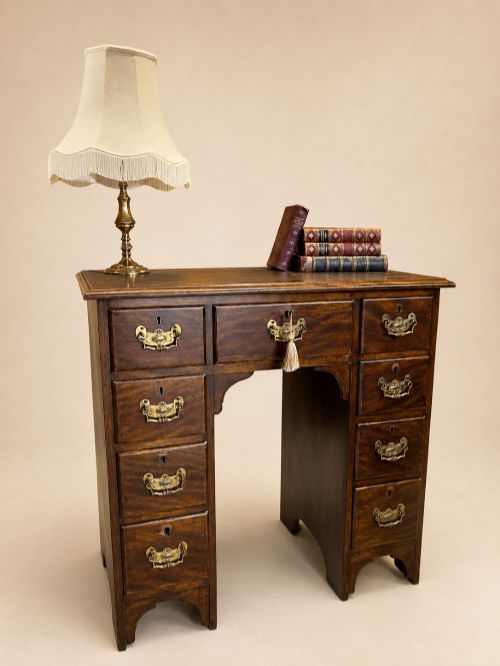
A victorian mahogany executive desk comprises sturdy pedestal forms, partners tables, and kneehole writing surfaces originating across the nineteenth century. These pieces emerge in styles ranging from early Victorian and Georgian revival to late Victorian iterations, often featuring spacious drawers and functional stationery compartments.
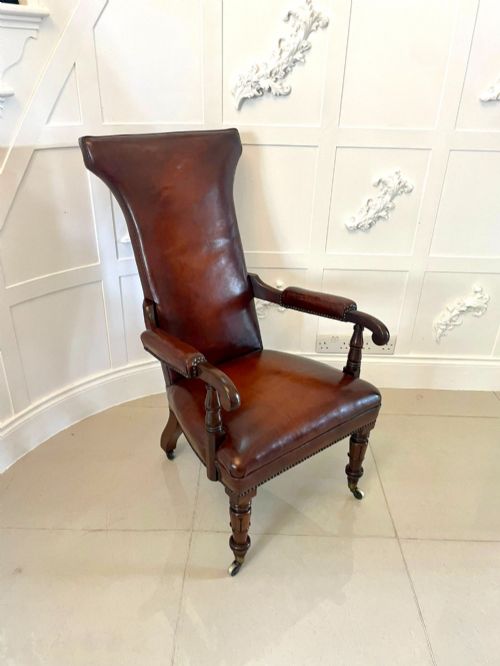
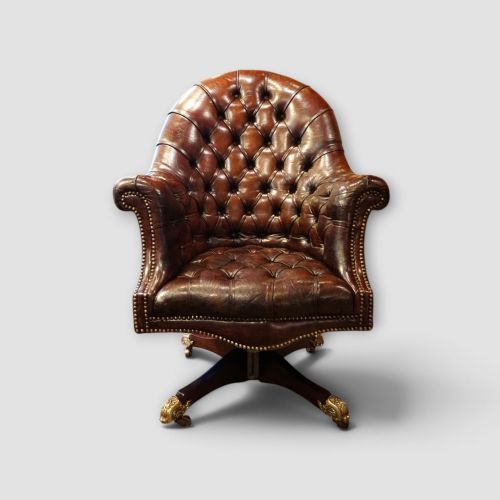
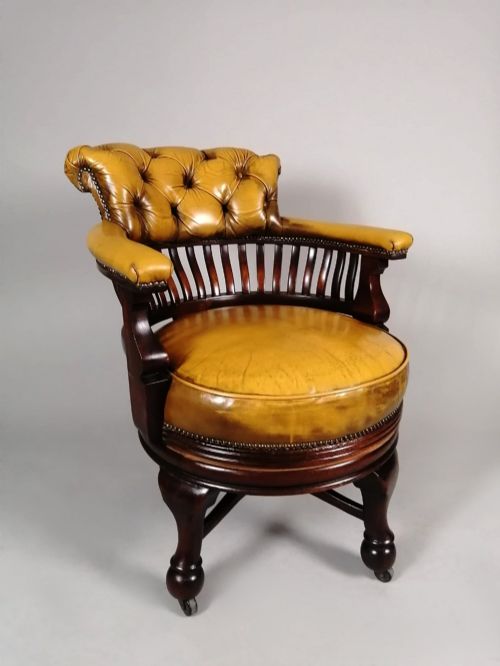
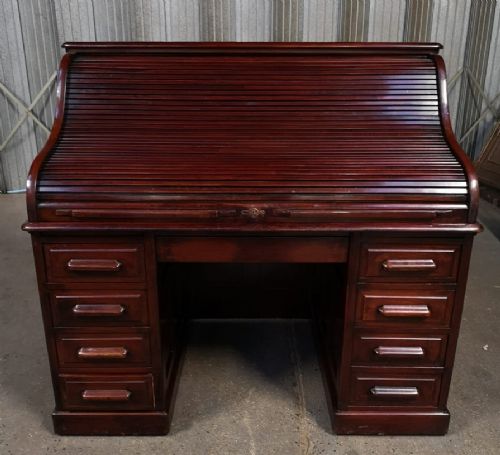
Buyers most frequently encounter twin pedestal configurations and partners desks designed for dual-sided use, accompanied by revolving desk chairs and library writing tables. The forms span structured cylinder desks, roll tops, and expansive library tables constructed from solid timber.
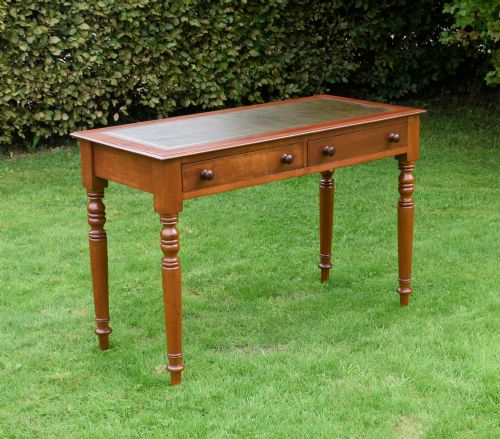
The material palette centres on mahogany, frequently accented with brass hardware, cast iron mechanisms, and inlaid satinwood or ebonised wood details. Leather writing surfaces, often tooled or coloured in shades like olive green, appear routinely across the items seen on this page.
Markers of superior craftsmanship
Quality rests in the selection of the mahogany timber, where well-figured grain patterns and rich natural colouration elevate a pedestal desk above plain utility pieces. The presence of original brass handles and intact tooled leather writing inserts preserves the historical integrity of the piece.
Construction depth dictates distinction, observable in secondary drawer linings, smooth runner operation, and fully finished panelled backs that permit freestanding placement. Maker attribution through stamps or labels further separates standard workshop production from notable cabinet-making firms.
Materials appearing across current inventory include mahogany, brass, leather, cast iron, canvas, satinwood, and ebonised wood.
Trollope and Sons·Edwards and Roberts·Johnstone and Jeanes·Charles Andrea Nosotti·Hobbs and Co·Maple and Co
The Victorian Mahogany Executive Desk Glossary
- Pedestal desk
- A heavy writing desk consisting of two independent pedestals of drawers supporting a single top, connected by a central modesty panel or recessed kneehole.
- Partners desk
- A large double-sided desk designed so two people can sit opposite one another, featuring drawers and cupboards accessible from both faces.
- Writing slide
- A pull-out board positioned above the drawers that extends the usable surface area for temporary paperwork without cluttering the main top.
- Cylinder desk
- A form featuring a quarter-circle rolling wooden shutter that conceals an interior arrangement of pigeonholes, small drawers, and a pull-out writing surface.
Victorian Mahogany Executive Desk: Frequently Asked Questions
What is a partners desk?
A partners desk is a wide, double-sided workspace featuring drawers and cupboards on both faces, allowing two people to sit opposite each other.
These pieces were traditionally built for offices where colleagues or business associates needed simultaneous access to a shared workspace.
How do I care for leather top desks?
Leather top desks require gentle cleaning with a slightly damp cloth followed by a specialised leather conditioner to prevent drying and cracking.
Avoid placing hot cups or direct sunlight onto the leather surface to preserve the original colour and tooled gold borders.
Can these desks stand in a room centre?
Freestanding pedestal desks and partners desks are specifically finished with panelled backs, allowing them to sit proudly in the middle of a room rather than pushed against a wall.
This makes them ideal focal points for studies and libraries where the back of the furniture remains fully visible.
What distinguishes early Victorian from late pieces?
Early Victorian examples often display heavier proportions and simpler lines influenced by late Georgian traditions, whilst late Victorian desks sometimes incorporate revival styles like Louis XIV or richer inlaid satinwood details.
The evolution of hardware and locking mechanisms also helps narrow down the specific decade of production within the nineteenth century.