








Victorian Mahogany Counter
When you search for a victorian mahogany counter, you are looking at substantial retail furniture built to display goods and serve customers in nineteenth-century shops.
Victorian Mahogany Counter
A victorian mahogany counter is a sturdy commercial fixture designed for nineteenth-century retail environments, serving as a primary workspace and display surface for shopkeepers. These pieces range from large freestanding shop counters to compact countertop display cabinets and haberdashery units.
The versions most likely to meet you on this page are timber shop counters, often combining primary mahogany exteriors with secondary pine carcases, alongside glazed display cases and countertop cabinets built for nineteenth-century trades.
How They Were Made
Maker construction relied heavily on solid mahogany for visible framing and display surfaces, paired with secondary timbers like pine for internal carcases and structural backing. Glazing panels and brass hardware were standard for enclosed display cabinets and countertop cases.
Joinery methods prioritized commercial durability, utilising sturdy framing to withstand daily retail use, heavy merchandise, and customer interaction across decades of shop life.
Victorian Mahogany Counter Retail Price Guide 2026
Typical asking prices for victorian mahogany counter among the pieces listed under this phrase on Sellingantiques today, from the lower quarter to the upper quarter. They describe what is for sale here now, not the wider market.
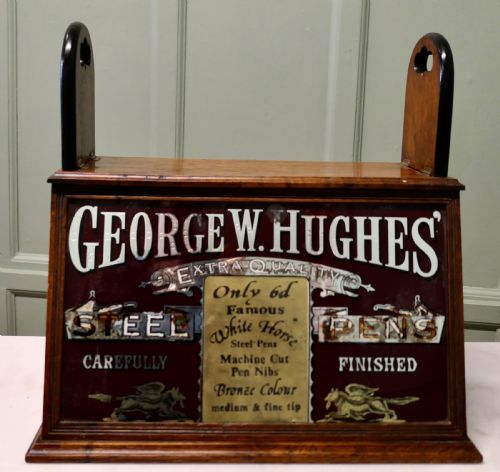
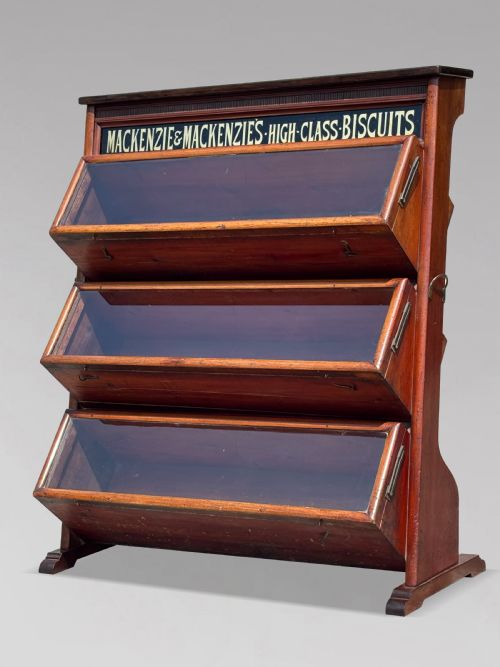
Some counters survive bearing original painted advertising for cocoa, biscuits, and confectionery.
What Varies in Quality
Quality in commercial shop fixtures rests upon the integrity of the original timber, the retention of period glass and hardware, and the degree of commercial alteration over time. Pieces retaining original branding, fitted interior drawers, or untouched manufacturer details stand apart.
Construction heft and proportion also dictate distinction, separating standard utilitarian pine-lined carcasses from finely detailed mahogany display units intended for high-end jewellers or drapers.
G H Gledhill Halifax·John Stow Ltd of Bradford·Parnall & Sons of Bristol·Orme & Sons Manchester
The Victorian Mahogany Counter Glossary
- Mahogany
- A dense, durable tropical hardwood utilised extensively for nineteenth-century furniture framing and polished shop fronts.
- Haberdashery cabinet
- A specialised multi-drawer retail unit designed to sort and display small sewing goods, buttons, and textiles.
- Countertop cabinet
- A glazed display case built to sit atop a main shop counter for secure customer viewing of small goods.
- Pine
- A soft secondary timber frequently employed for internal framing, drawer linings, and concealed carcase construction in commercial counters.
- Vitrine
- A glass-fronted display case or cabinet intended for exhibiting precious items or retail merchandise.
Victorian Mahogany Counter: Frequently Asked Questions
What is a victorian mahogany counter?
A victorian mahogany counter is a heavy commercial shop fixture constructed during the nineteenth century to serve customers and showcase merchandise.
These pieces combine functional storage, such as drawers and shelving, with glazed display areas designed for retail environments.
How were these counters used originally?
Shopkeepers utilised these fixtures as main serving stations, cash-handling desks, and protective display surfaces for delicate goods.
Merchants displayed everything from haberdashery and biscuits to jewellery and apothecary items inside or atop these wooden counters.
How do I fit a counter into a home?
These large commercial pieces function well as kitchen islands, sideboards, or statement hallway tables in modern domestic interiors.
Countertop display versions sit comfortably on existing surfaces to hold collections or small personal items.
How can I tell the period of a counter?
Dating relies on examining construction methods, timber choice, hardware styles, and any accompanying maker plaques or trade lettering.
Nineteenth-century commercial pieces often show specific joinery traits and hardware typical of Victorian shopfitters.