

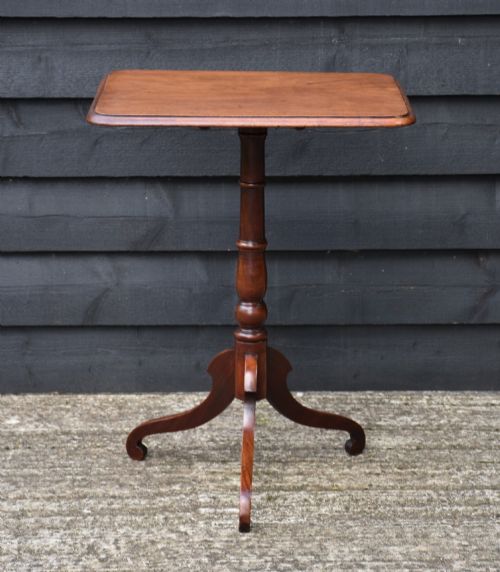
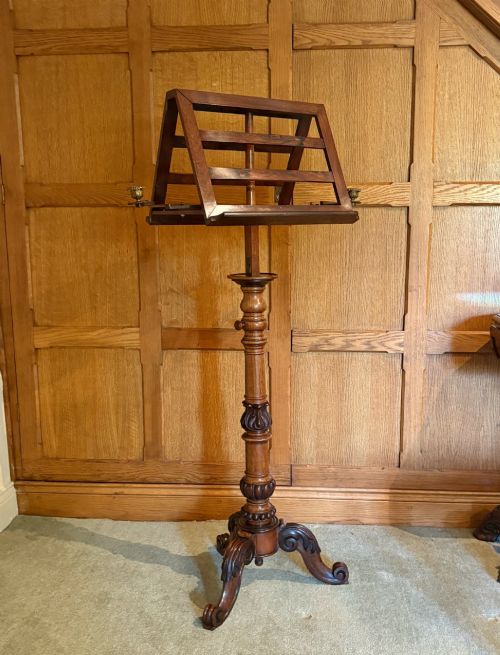

Victorian Mahogany Candle Stand
A victorian mahogany candle stand brings functional timber elegance to a room, offering a compact surface for illumination or display.
Victorian Mahogany Candle Stand
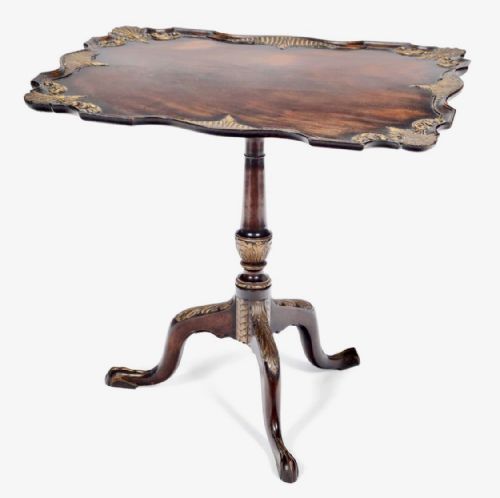
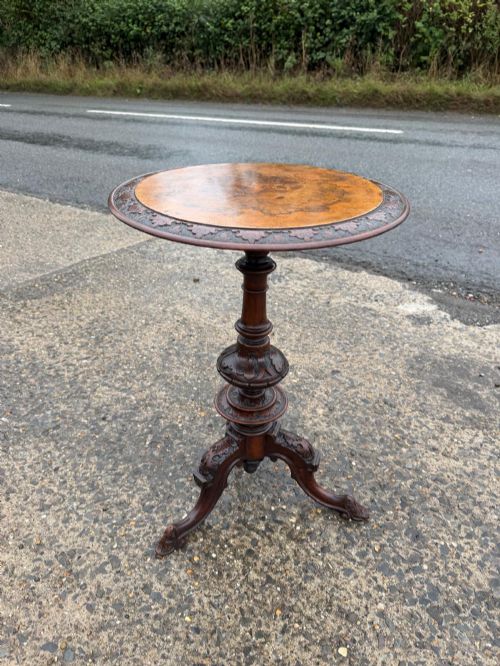
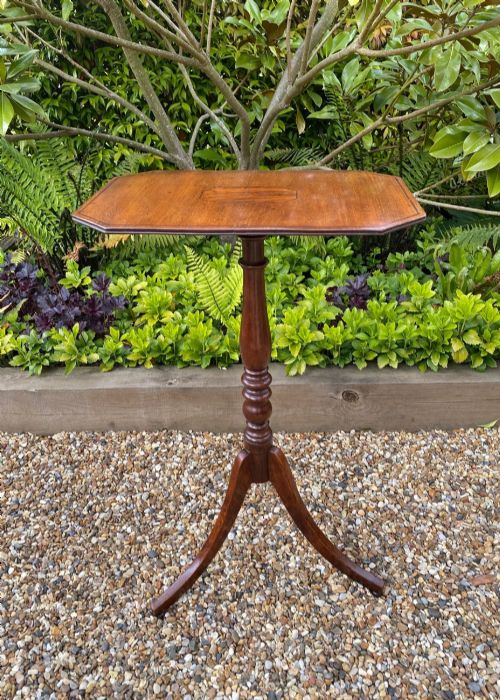
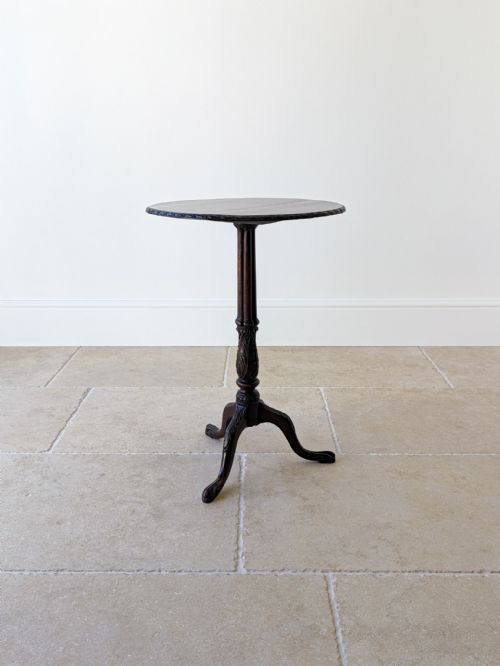
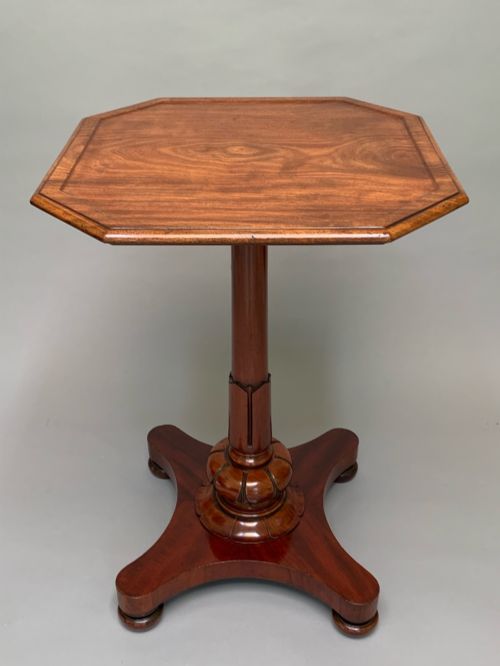
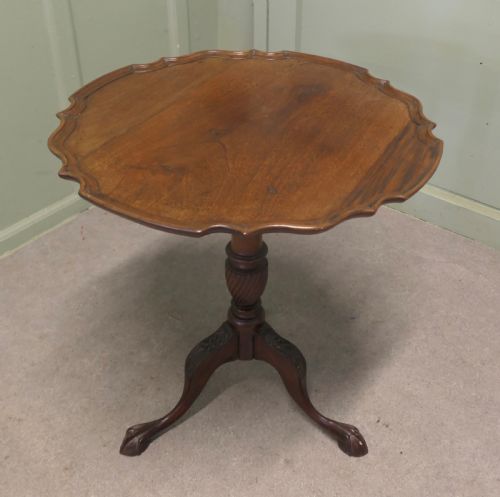
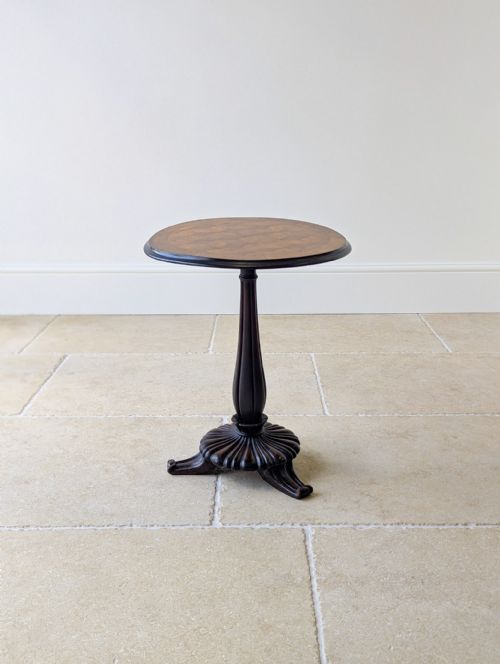
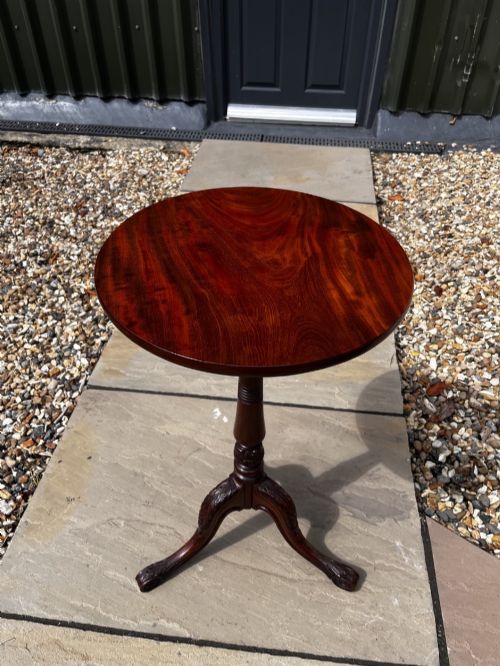
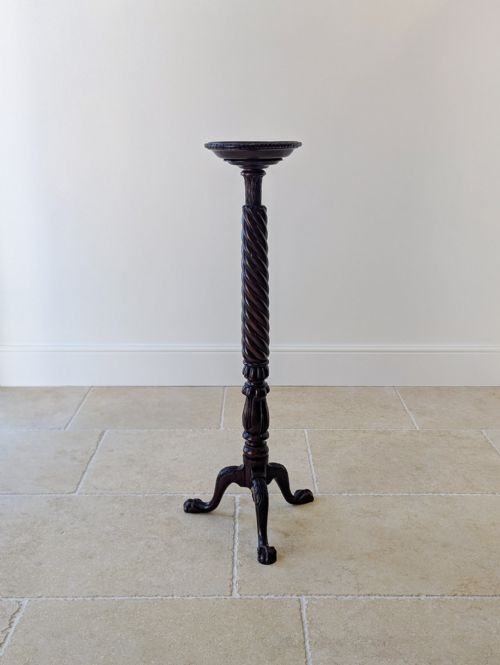
A victorian mahogany candle stand typically appears as a compact occasional table or tripod stand designed to hold a light source or small ornament. You will encounter various forms here, including tilt-top wine tables, tall torchères, and small circular lamp tables spanning the nineteenth century.
The objects bridge practical domestic use and decorative display, often matching related side tables and plant stands. Most examples draw upon nineteenth-century periods, ranging from William IV pieces to later revival styles.
Materials and construction
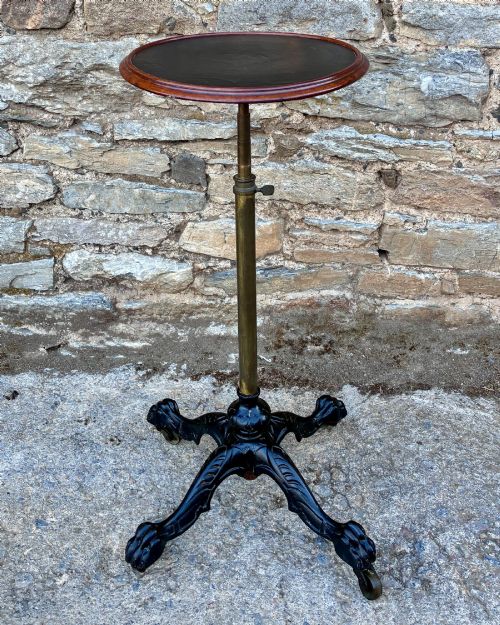
Makers utilised mahogany alongside secondary timbers like walnut, cherry, and oak, frequently pairing the wood with brass fittings or cast iron components. Timber tops often feature burr wood veneers or wood inlay to enhance the grain.
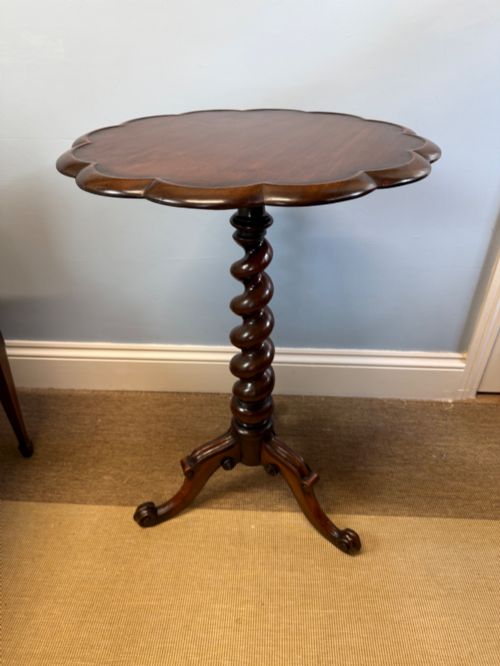
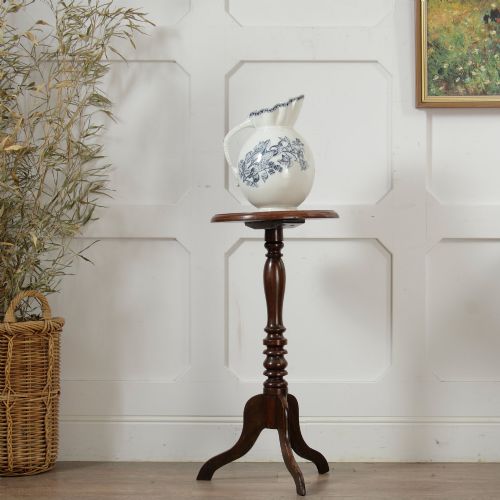
Tripod bases dominate the construction, supporting central pillars that may incorporate barley twist turnings, carved details, or parcel gilt accents. Tilt-top mechanisms appear regularly, allowing the surface to fold vertically when not in use.
Some nineteenth-century makers prudently added a lip around the table edge to stop rolling wine bottles from tumbling onto the rug.
Judging the standard
Quality rests upon the crispness of the carving on the pillar and legs, as well as the choice of mahogany for the top. Finer examples display well-figured timber grains, such as burr wood, and balanced proportions on their tripod bases.
The integrity of the tilt-top mechanism and the weight of the central column separate standard utility pieces from finer decorative stands. Subtle details like brass mounts and tidy joinery distinguish the work of more capable workshops.
Gillows
The Victorian Mahogany Candle Stand Glossary
- Tilt-top
- A table mechanism allowing the wooden surface to pivot upright on its base when not in use. This clever design saved floor space in smaller nineteenth-century rooms.
- Torchère
- A tall, slender stand designed specifically to elevate a candle, lamp, or plant. These pieces reach higher than standard wine tables.
- Tripod base
- A three-legged support structure commonly found beneath small nineteenth-century occasional tables. It provides stable footing on uneven floors.
- Barley twist
- A spiral turning carved into the central pillar of a table or stand. This decorative technique adds vertical movement to the silhouette.
Victorian Mahogany Candle Stand: Frequently Asked Questions
What was a candle stand used for?
These tall, compact stands held wax candles or oil lamps to illuminate specific corners of a nineteenth-century room. Their small surface area meant they could sit close to seating without taking up much floor space.
Over time, owners repurposed them to hold small decorative items, pocket watches, or drinks. Today, they function well beside armchairs as lamp tables.
How do I spot a tilt-top table?
Look underneath the circular wooden top for a wooden or brass catch block fixed to a pivoting mechanism. This hinge allows the surface to swing from horizontal to vertical.
Tilt-tops were originally stored against walls when rooms needed to be cleared for dancing or dining. The mechanism should move smoothly without excessive wobble.
How do I care for mahogany timber?
Keep nineteenth-century mahogany away from direct sunlight and radiators to prevent the wood from drying out and splitting. Dust the surface regularly with a dry cloth.
Apply a traditional beeswax polish occasionally to nourish the grain and maintain the natural lustre of the timber. Avoid using modern aerosol sprays which can build up a cloudy residue.