

Victorian Low Center Table
These Victorian low centre table designs combine rich timbers with low proportions, offering a practical yet decorative centerpiece for modern rooms.
Victorian Low Center Table
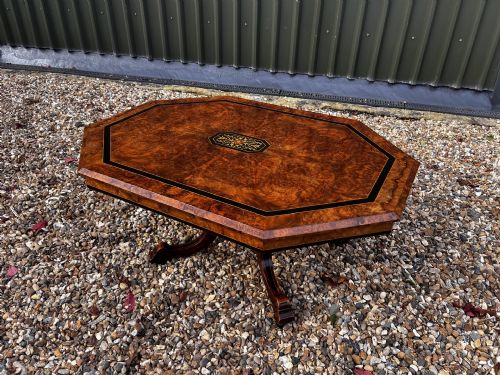
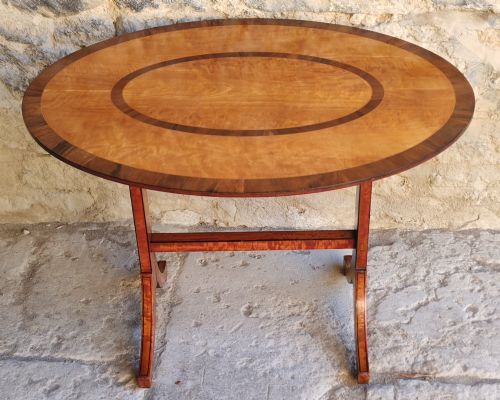
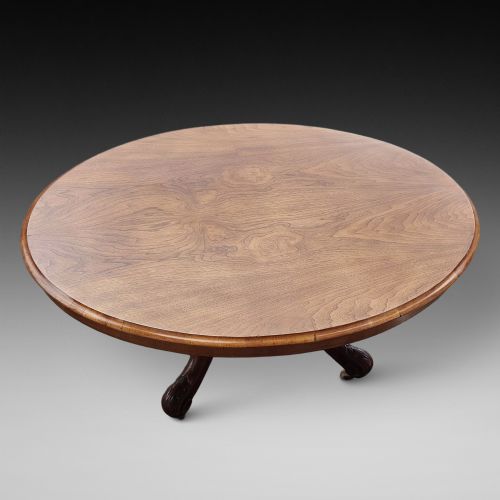
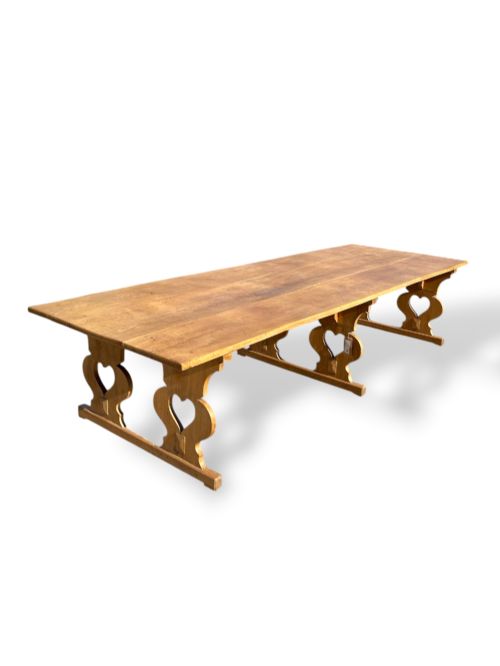
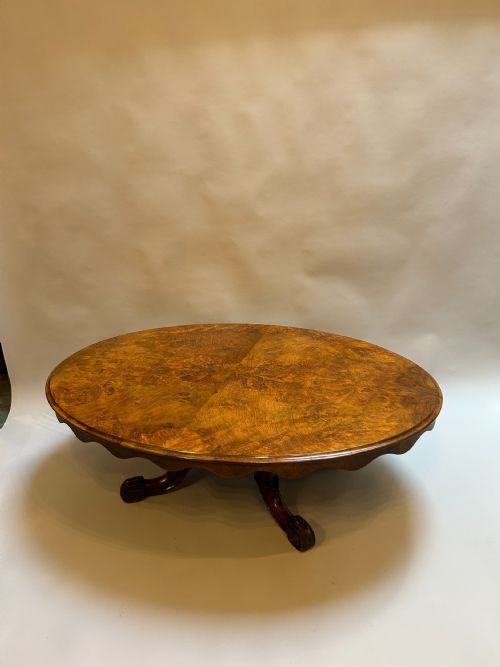
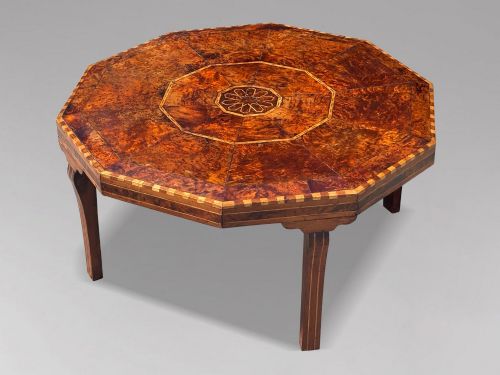
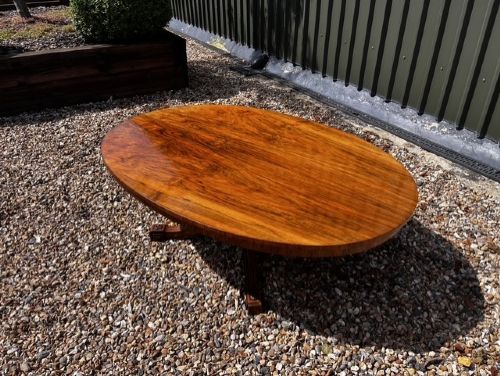
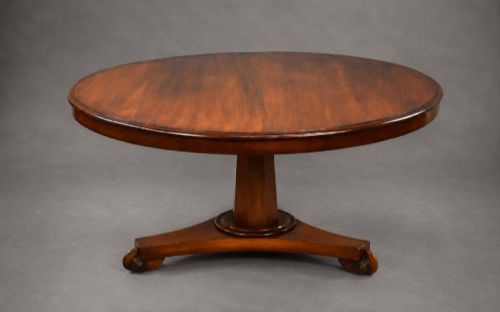
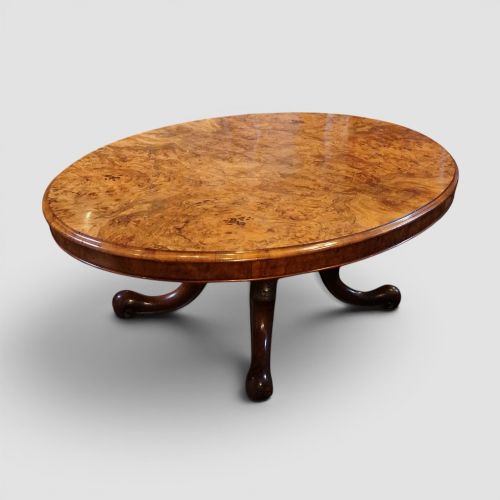
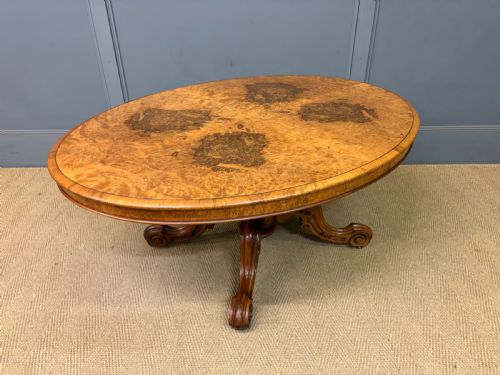
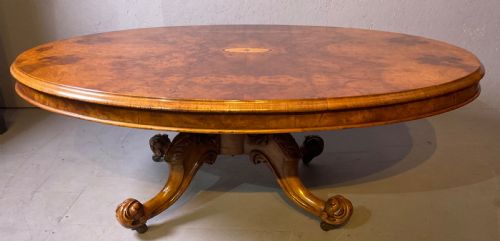
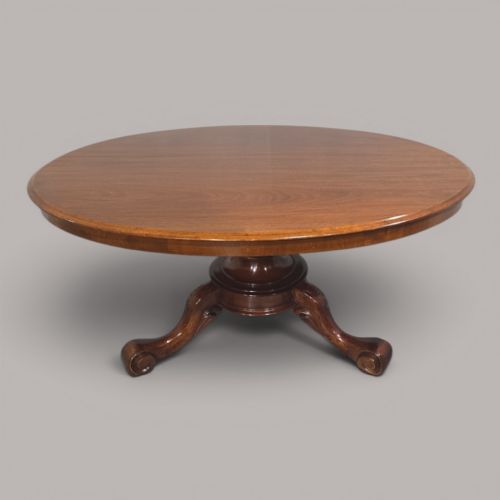
A Victorian low centre table typically presents as a coffee or occasional table, emerging most frequently from the nineteenth century in various timber finishes. Buyers seeking a Victorian low centre table will find round, oval, octagonal, and rectangular shapes designed to sit comfortably among seating.
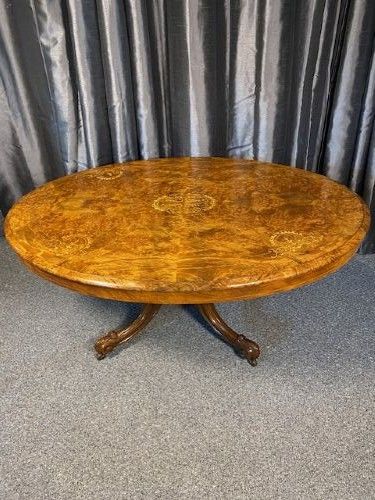
The selections span from the mid-nineteenth century up to later revivals, utilising woods like walnut, burr walnut, and mahogany. Many pieces reflect classic Victorian aesthetics, alongside variations incorporating marquetry inlay, carved bases, or low wooden frames.
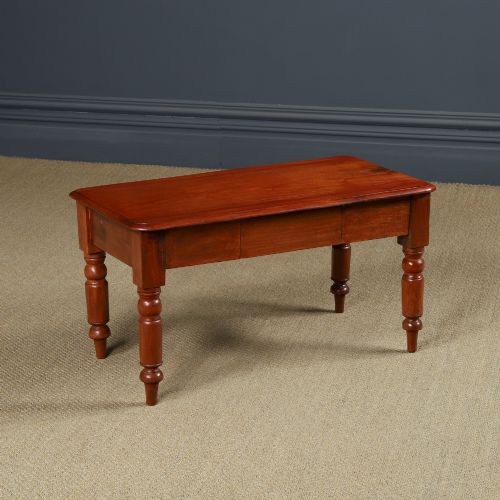
Makers such as Holland & Sons and Gillows of Lancaster appear within the record, alongside pieces showing Anglo-Indian and Italian influences. The forms range from simple turned leg pine tables to large carved walnut examples featuring marble tops.
Materials and construction methods
Cabinet makers utilised dense hardwoods such as mahogany, rosewood, and oak, alongside decorative veneers like burr walnut and burr yew. These timbers were selected for their pronounced grain patterns and durability, providing a stable foundation for intricate surface work.
Construction techniques involved hand-carved wooden bases, turned legs, and specialised joinery suited to supporting heavy stone tops or extensive marquetry inlay. Brass components and boxwood stringing frequently served as decorative accents on walnut and mahogany surfaces.
Victorian Low Center Table Retail Price Guide 2026
Typical asking prices for victorian low center table among the pieces listed under this phrase on Sellingantiques today, from the lower quarter to the upper quarter. They describe what is for sale here now, not the wider market.
Distinguishing quality across examples
Quality rests upon the selection of timber figures, particularly the complexity of burr walnut or yew veneers and the precision of marquetry inlay. Superior examples display careful grain matching across large oval or octagonal tabletops.
The execution of hand-carved elements on bases and legs determines the refinement of the piece, alongside the integration of secondary materials such as marble or brass. Master workshops achieved cleaner lines and more substantial structural integrity than standard commercial output.
Holland & Sons Of London·Gillows of Lancaster
The Victorian Low Center Table Glossary
- Burr walnut
- A figured timber obtained from the warted growths of walnut trees, prized for its swirling, highly decorative grain patterns.
- Marquetry
- The art of applying decorative veneer pieces in various woods to a structure to form intricate geometric or pictorial designs.
- Occasional table
- A small, versatile table intended for light use around a sitting room rather than primary dining.
- Boxwood stringing
- Thin inlay lines of pale boxwood embedded into darker timber surfaces to create contrasting geometric borders.
Victorian Low Center Table: Frequently Asked Questions
What is a Victorian low centre table used for?
These tables function primarily as coffee or occasional surfaces in living spaces, providing a stable platform for books and decorative objects.
Historically, many originated as taller centre tables or games tables that were subsequently lowered to suit modern seating arrangements.
How do I identify a Victorian timber table?
Look for traditional nineteenth-century hardwoods like solid mahogany, oak, or burr walnut veneers applied over sturdy secondary woods.
Hand-carved details, traditional joinery methods, and the presence of boxwood stringing or marquetry inlay typically indicate nineteenth-century production.
Are these tables sturdy enough for daily use?
Constructed from dense nineteenth-century hardwoods such as oak and mahogany, these pieces offer robust daily utility when properly maintained.
Many incorporate heavy pedestals, tripod bases, or sturdy turned legs designed to support substantial weight, including marble inserts.