
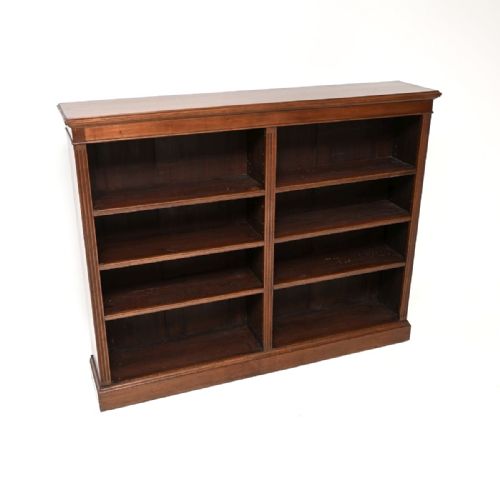
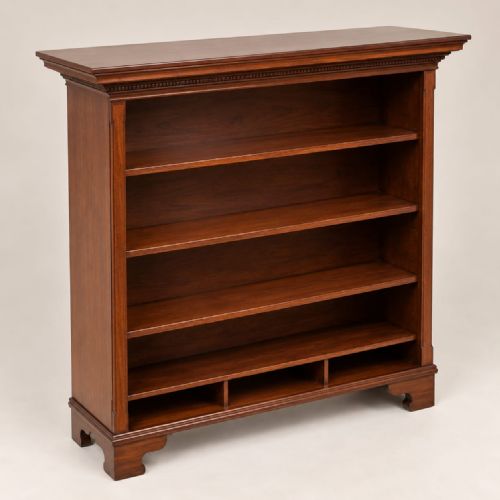
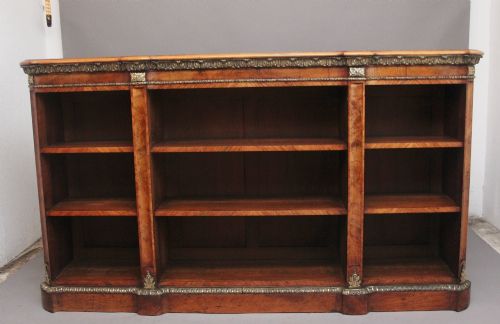
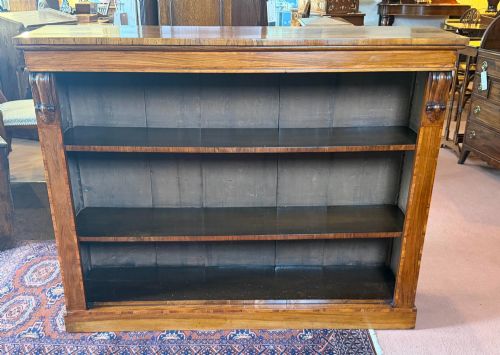
Victorian Low Bookshelf
A victorian low bookshelf brings functional warmth to a room, offering accessible open storage crafted in rich timber.
Victorian Low Bookshelf
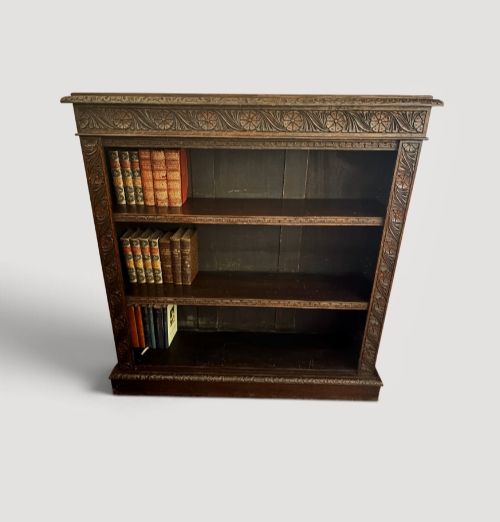
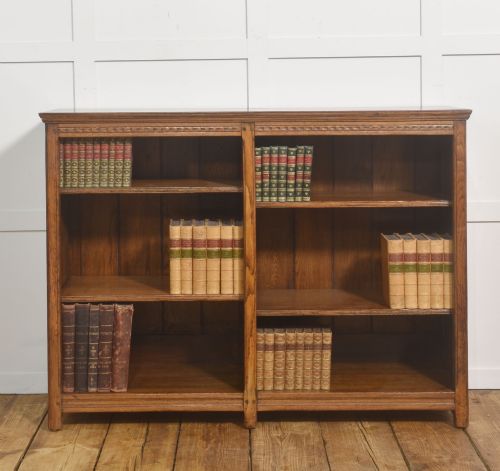
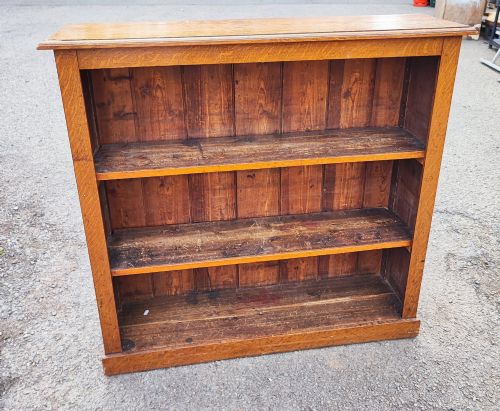
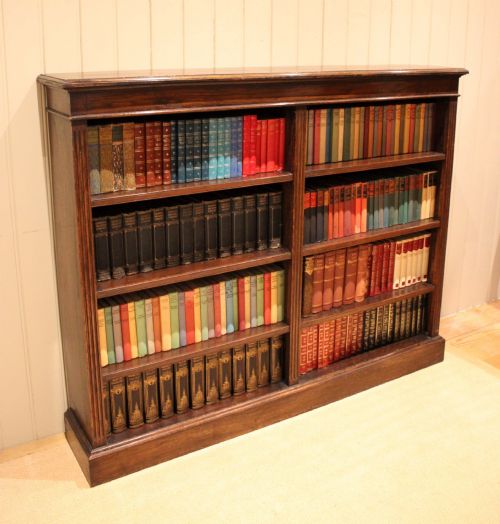
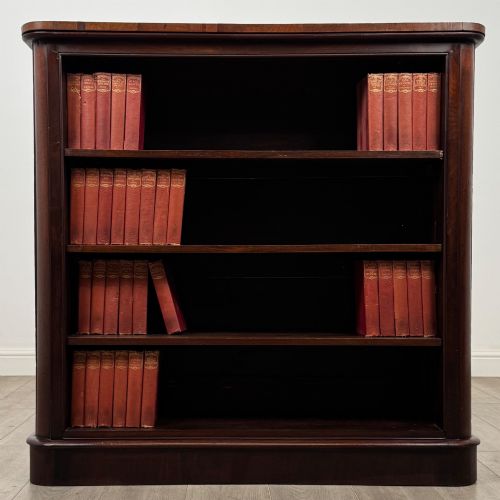
When you search for a victorian low bookshelf, you encounter open-fronted dwarf cabinetry designed for domestic libraries and parlours during the nineteenth century. These pieces sit comfortably below standard window heights, presenting books and decorative items at a convenient reach.
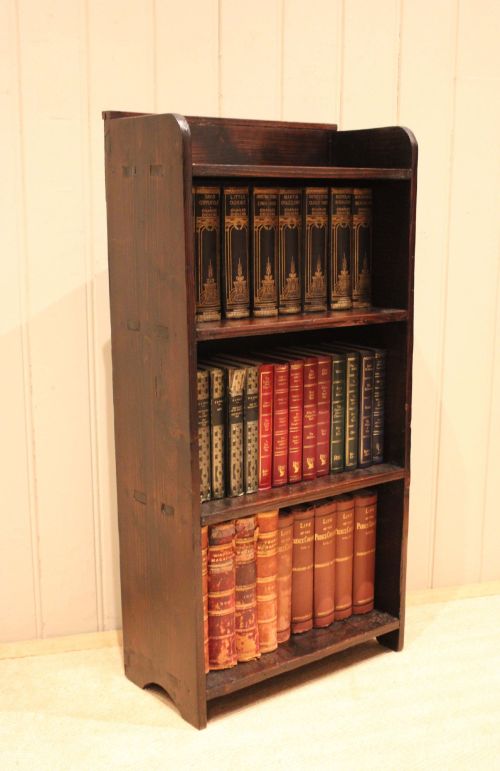
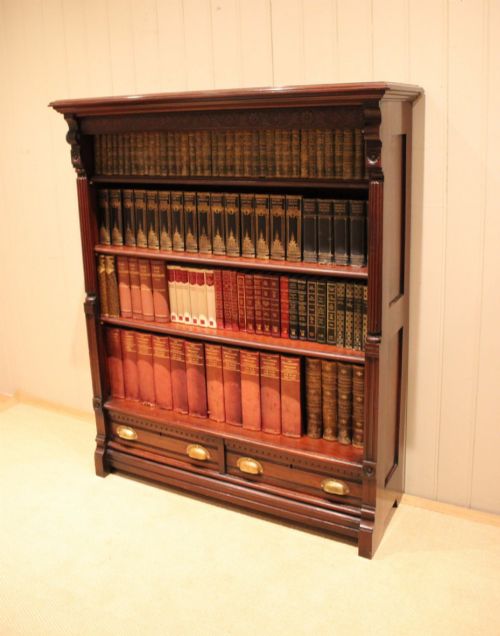
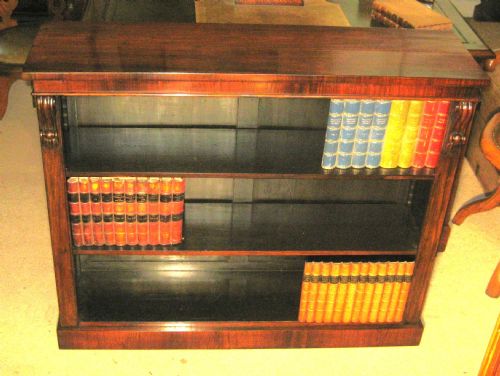
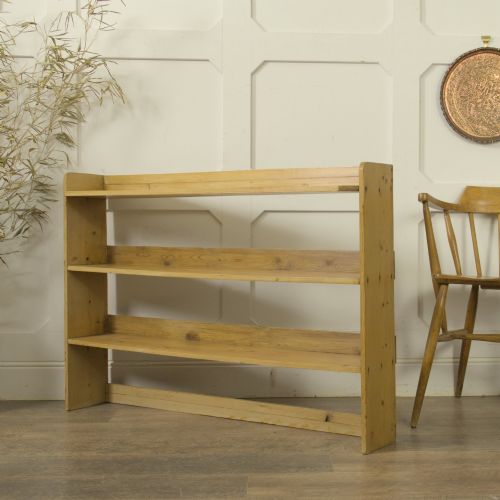
You are most likely to meet mahogany, oak, and walnut examples on this page, reflecting the principal hardwoods utilised by period cabinet makers. The forms range from simple rustic pine to highly figured burr walnut enhanced with ormolu mounts.
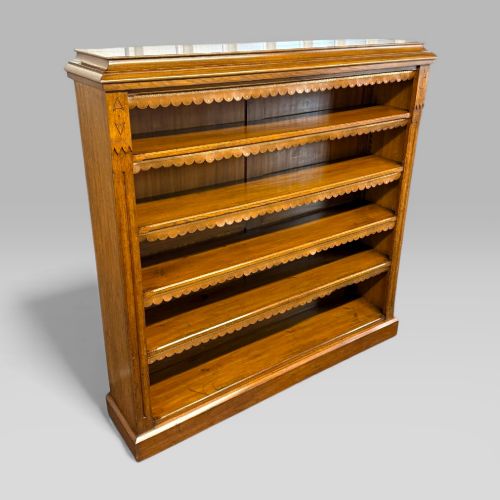
The selection includes variations from the early nineteenth century through to the Edwardian era, spanning styles such as Gothic Revival, Aesthetic Movement, and William IV. Many incorporate adjustable shelves, a practical innovation that accommodated varying volumes.
Materials and construction
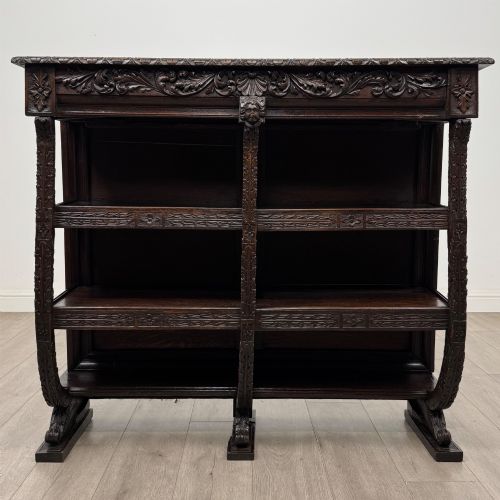
Cabinet makers built these bookcases using solid timbers and decorative veneers such as flame mahogany, rosewood, and burr walnut applied to stable secondary woods. Carved details, brass galleries, and ormolu mounts frequently enrich the primary surfaces.
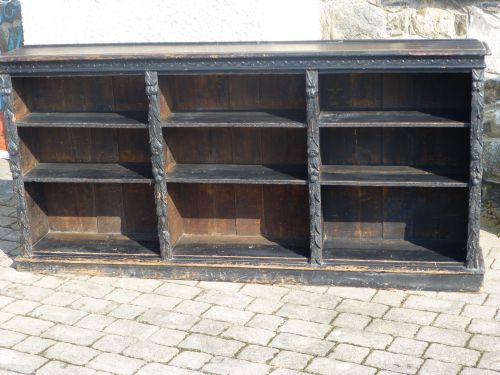
Interior engineering typically involved pegged joints and channelled side panels designed to support moveable wooden shelving. Ebonised finishes and inlaid brass marquetry often distinguish pieces aligned with the Aesthetic and Regency revivals.
Victorian Low Bookshelf Retail Price Guide 2026
Typical asking prices for victorian low bookshelf among the pieces listed under this phrase on Sellingantiques today, from the lower quarter to the upper quarter. They describe what is for sale here now, not the wider market.
An occasional ebonised dwarf bookcase hides a green man carved into the woodwork, keeping a watchful eye over the library.
Assessing craftsmanship
The distinction between standard utility items and exceptional commissions lies in the selection of timber veneers and the crispness of carved ornamentation. Master workshops employed densely figured grain patterns and substantial brass hardware that elevate the architectural presence of the furniture.
Proportion and structural integrity dictate the standing of a piece within its period. Refined examples demonstrate careful timber matching across open facades, precise joinery in the shelving supports, and restrained decorative flourishes that complement the natural grain.
Johnstone and Jeanes
The Victorian Low Bookshelf Glossary
- Dwarf bookcase
- A low open shelving unit designed to sit beneath window level. These pieces allow light to pass across a room while keeping volumes within easy reach.
- Ormolu
- Gilded bronze mounts applied to furniture for decorative contrast. This technique highlights corners and friezes on high-status nineteenth-century cabinet work.
- Adjustable shelves
- Shelving supported by movable pegs or notched interior pilasters. This system allowed owners to alter shelf heights for different book sizes.
- Burr walnut
- Timber taken from the wart-like growth on a walnut tree, producing swirling grain patterns. Cabinet makers prized this wood for high-end Victorian frontages.
Victorian Low Bookshelf: Frequently Asked Questions
How are adjustable shelves constructed?
Period makers used vertical wooden rack strips or brass studs inset into the interior sides of the cabinet. These mechanisms allowed the wooden shelves to be repositioned easily.
Such systems ensure that mixed collections of octavo and quarto volumes fit securely within the open compartment.
Where should I place a low bookcase?
These compact pieces sit well beneath windows or against low parlour walls where taller cabinetry would block natural light. Their modest height creates a balanced room proportion.
They also function effectively as display surfaces for small sculptures, clocks, and ceramic pieces alongside books.
How do I identify a Victorian piece?
Look for characteristic nineteenth-century timber choices such as mahogany, rosewood, and walnut, often paired with traditional joinery methods. Styles range from plain rustic oak to ornate Gothic Revival carvings.
Many examples feature distinct period decorative details like ebonised highlights or neoclassical brass mounts.
What is an ebonised finish?
Ebonising involves staining or treating lighter wood to imitate expensive ebony. This dark, formal finish became popular during the nineteenth century for decorative furniture.
It frequently appears alongside carved green man motifs or gilt accents on Aesthetic Movement pieces.