




Victorian Loveseat
A victorian loveseat offers compact two-seater seating designed for intimate conversation, combining period timber frames with supportive upholstery.
Victorian Loveseat
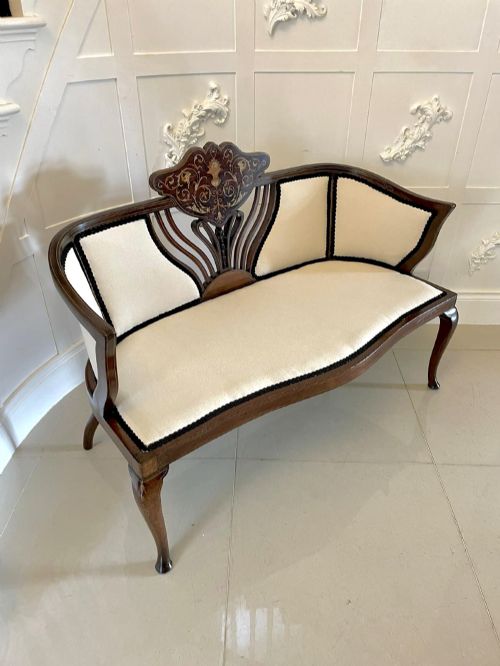
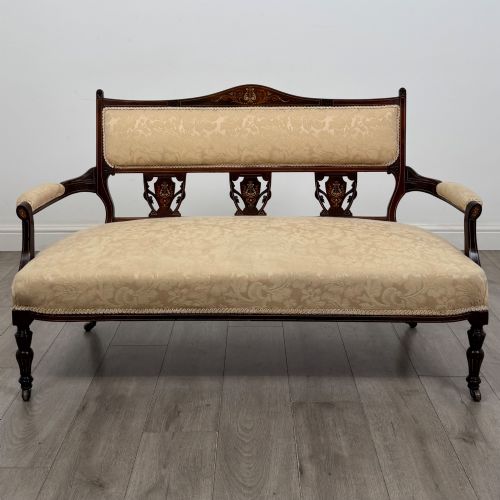
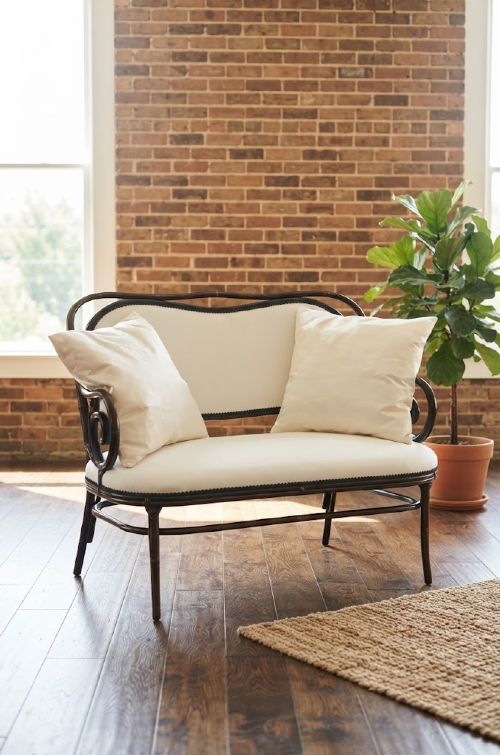
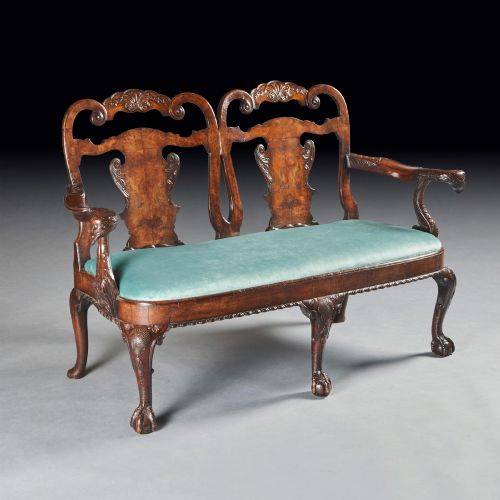
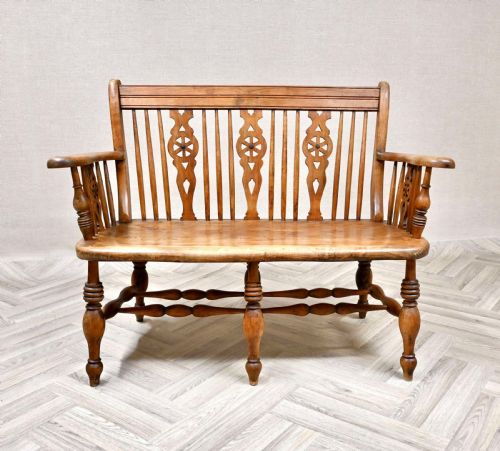
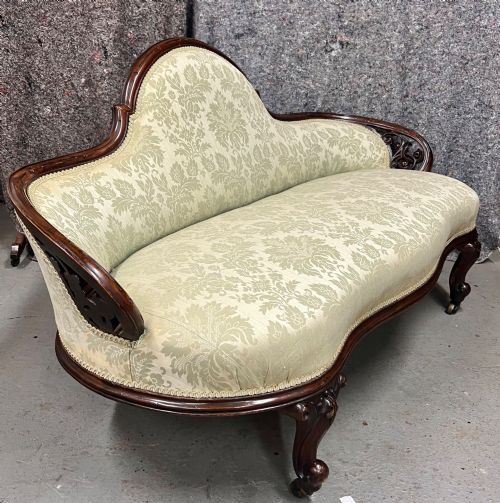
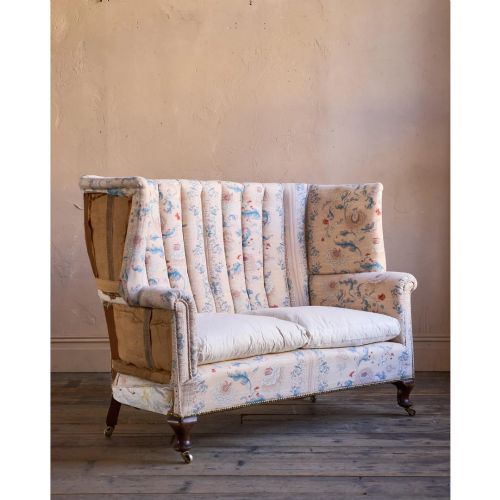
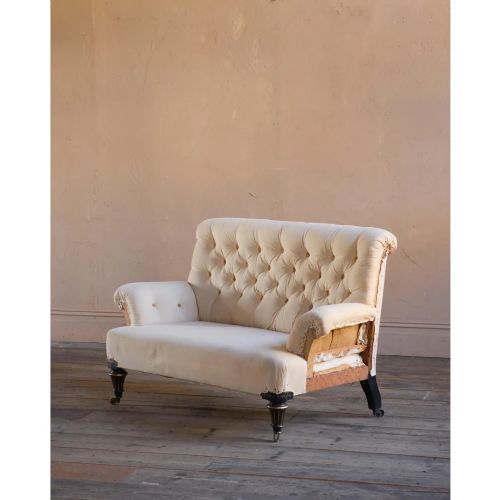
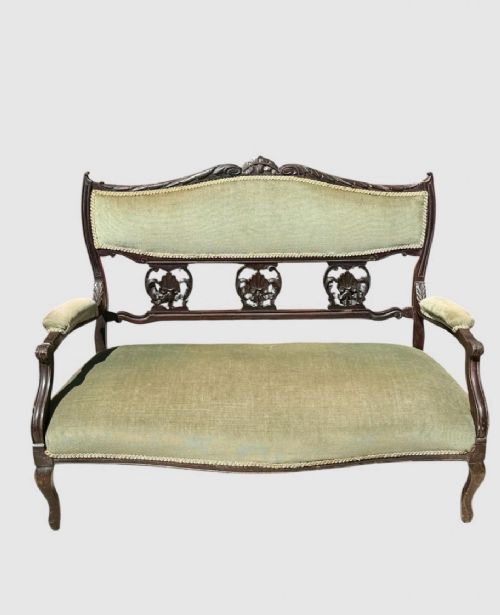
A victorian loveseat is a compact two-seater settee or sofa originating primarily from the nineteenth century, built for smaller sitting rooms and intimate domestic spaces. These pieces appear across various distinct aesthetics, ranging from carved mahogany frames to ebonised wood and inlaid rosewood surfaces.
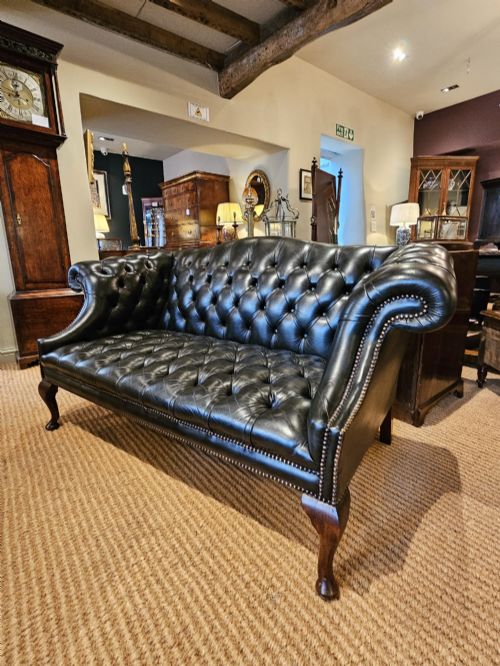
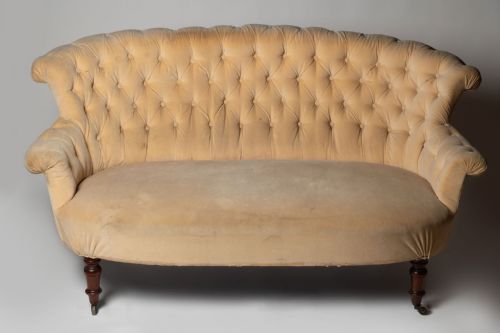
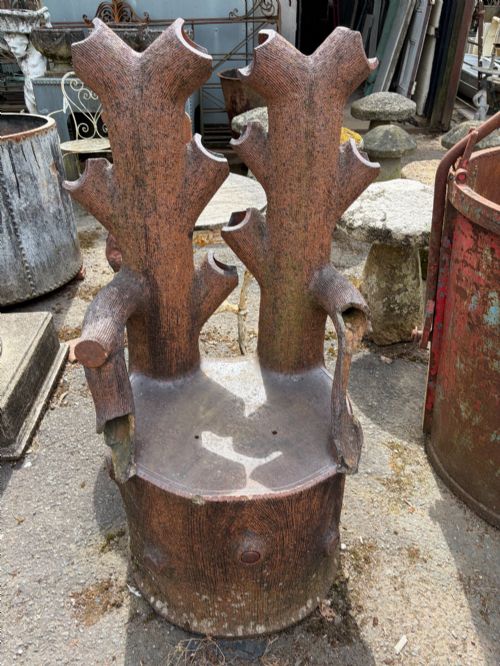
Forms span from salon settees and twin chair back sofas to button back canapes and low garden seats. These seating options combine decorative timber work with traditional padding to create functional parlour furniture.
Assessing Craftsmanship and Distinction
The upper tier of these two-seater sofas is distinguished by crispness in the hand-carving of the woodwork and precision in the timber inlay. Superior frames utilise dense native hardwoods like walnut and mahogany that retain structural integrity without excessive bulk.
Refinement of line dictates the distinction between standard parlour seating and exceptional pieces, particularly where turned legs and carved floral motifs meet balanced proportions. The integration of high-grade upholstery materials, from aged leather to silk velvet, reflects the original tier of commissioning.
Upholstery materials recorded on these frames include traditional horsehair stuffing, velvet, ticking fabric, and hand-dyed brown leather.
Jackson and Graham·Howard and Sons·Thonet
The Victorian Loveseat Glossary
- Canape
- An ornamental sofa or settee featuring an upholstered seat and backrest within an exposed wooden frame. This French term frequently applies to decorative Victorian salon seating.
- Inlay
- A technique where pieces of contrasting timber or decorative material are inserted into recesses within the primary wood surface. This ornamentation defines many mahogany and rosewood salon settees.
- Button back
- An upholstery style where depressions are formed in the padding by pulling buttons deep into the stuffing. This method creates a diamond-patterned texture common on nineteenth-century parlor seating.
- Ebonised
- Wood treated with a chemical or dye to produce a deep black finish mimicking ebony. This dark surface treatment characterises Aesthetic Movement and late nineteenth-century pieces.
- Twin chair back
- A sofa design where the backrest resembles two joined chair backs sharing a continuous frame. This configuration appears on walnut seating influenced by earlier eighteenth-century designs.
Victorian Loveseat: Frequently Asked Questions
How do I identify a genuine period loveseat?
Examine the timber construction beneath the upholstery and look for hand-cut joinery typical of nineteenth-century cabinet making. Period pieces display natural material ageing on the exposed mahogany, walnut, or rosewood frames.
Check for traditional padding materials and hand-turned wooden legs rather than modern synthetic fixings. The presence of period styles like Rococo Revival or Aesthetic Movement further confirms the era of production.
Where were these small sofas placed originally?
These compact two-seater settees were designed primarily for Victorian drawing rooms, intimate parlours, and private bedrooms. Their smaller proportions allowed them to fit into window recesses or beside fireplaces where standard couches were too large.
They also served in dressing rooms and grand hallways as functional seating. Today, their scale makes them adaptable for modern studies, landings, and smaller living spaces.
What is the difference between a settee and a loveseat?
In historical terms, a loveseat is simply a smaller version of a settee or sofa, specifically built to accommodate two people. The distinction rests entirely on scale and proportion rather than construction method or intended function.
Both forms utilise the same range of timber frames, upholstery styles, and decorative carving. Nineteenth-century makers applied the terms interchangeably to describe compact salon seating.
How should I care for antique wooden frames?
Maintain the finish of mahogany, walnut, and rosewood frames by applying a quality beeswax polish periodically to nourish the timber. Avoid placing the furniture in direct sunlight or near heat sources to prevent the wood from drying out and cracking.
Dust intricate hand-carved details regularly with a soft, dry brush to prevent dirt accumulation. Treat leather and fabric upholstery according to their specific textile requirements.