


Victorian Log Box
When you search for a victorian log box, you enter a sturdy world of fireside utility where timber, brass and copper meet the hearth.
Victorian Log Box
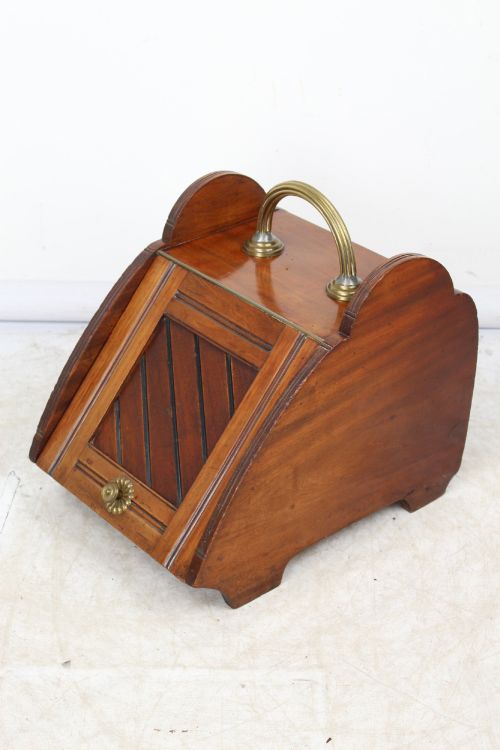
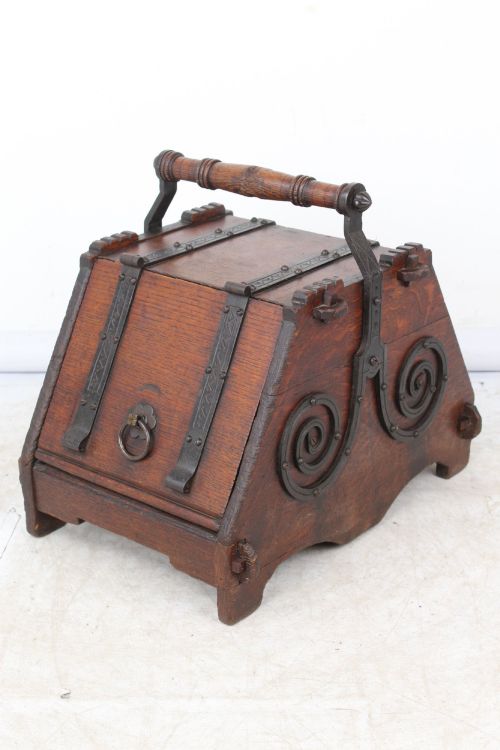
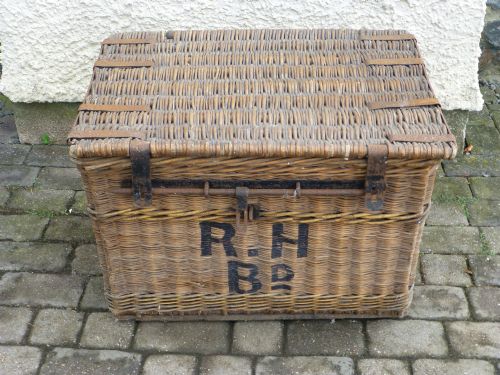
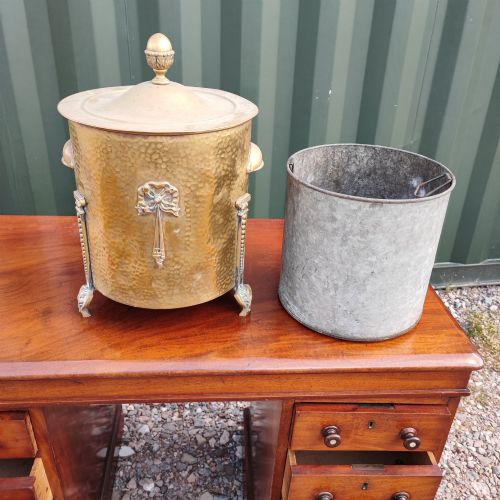
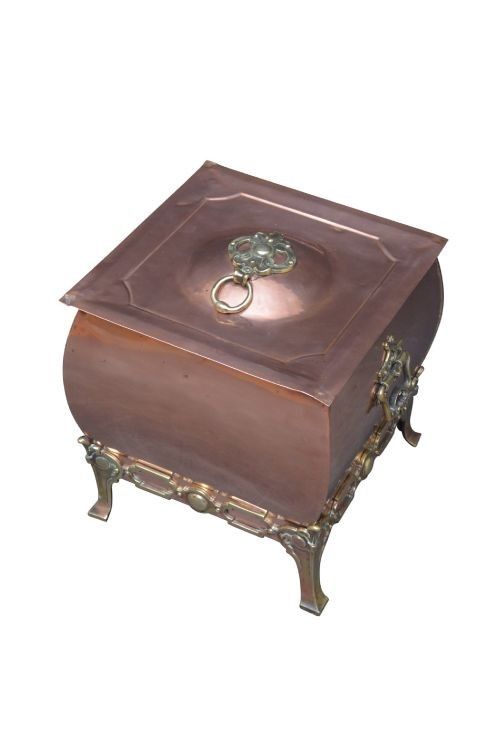
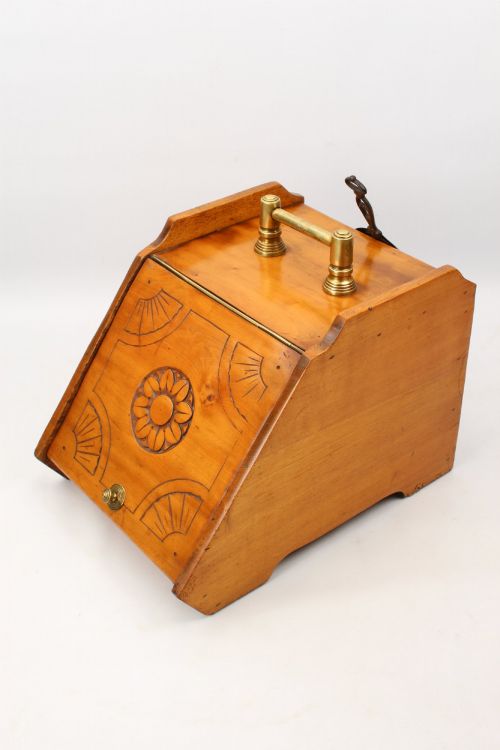
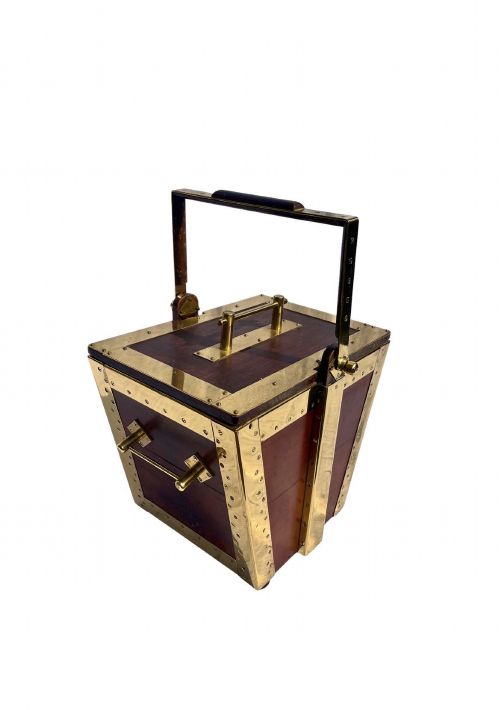
A victorian log box serves as a robust container designed to hold fuel by the fireplace, combining practical hearth storage with domestic craftsmanship. Buyers encounter various forms on this page, ranging from lidded wooden chests and sloping purdoniums to metal bins and coopered tubs.
Most examples originate from the nineteenth century, with walnut, oak and mahogany featuring heavily alongside brass-mounted copper bodies. Makers constructed these items to withstand daily handling while remaining handsome enough for the principal reception rooms of period houses.
How they were made
Cabinet makers utilised dense hardwoods such as walnut, oak and mahogany for the structural boxes, often employing dovetail joints and carved panels. Metal components like brass handles, hinges and linings provided durability against moisture and heavy logs.
Other variants relied on hammered copper, beaten brass and iron banding, sometimes shaped by blacksmiths or produced within the Arts and Crafts tradition. Liners made of metal protected the wooden frames from damp wood and ash.
Listings feature oak, walnut, mahogany and pine alongside hammered copper and heavy brass.
What varies in quality
The standard of a log box depends on the weight of the timber and the gauge of the metal used in its construction. Finer examples display crisp carving, secure dovetailing and substantial brass mounts rather than thin sheet plating.
Interior condition and the presence of original metal liners or matching shovels separate ordinary utility items from superior showroom pieces. Retaining functional hinges and intact handles marks the distinction between well-preserved pieces and neglected survivors.
Christopher Dresser·Henry Loveridge
The Victorian Log Box Glossary
- Purdonium
- A specialised fireside cabinet or box with a sloping front designed to dispense coal or logs. These units frequently housed an internal metal liner and came equipped with a matching shovel.
- Coopered
- A method of construction where narrow staves of wood are joined edge-to-edge and bound with metal hoops, much like a barrel. This technique appeared frequently in round log bins and tubs.
- Toleware
- Metalware painted and japanned in imitation of Asian lacquerwork, occasionally found on decorative fireside boxes. It introduced colour and pattern to nineteenth-century hearth accessories.
- Green Man
- A sculptural architectural ornament depicting a face carved from leaves, vines or branches. Examples occasionally adorned large carved oak boxes from the Victorian period.
Victorian Log Box: Frequently Asked Questions
How were these boxes originally used by the fireplace?
These containers sat beside the hearth to keep logs, coal or kindling close at hand without making a mess on the carpet. Many included metal liners to catch debris and dampness from unseasoned wood.
Servants filled them regularly from larger stores in the cellar or coal hole so the household could tend the fire easily. Some designs doubled as seats or tables when closed.
Can I use an antique log box for modern fires?
These boxes accommodate modern logs and kindling just as they did nineteenth-century fuel. Checking the interior metal liner ensures that any residual moisture from contemporary firewood will not damage the surrounding woodwork.
Placing logs gently inside preserves the interior surfaces and any original metal linings. They function well beside wood-burning stoves and open hearths alike.
What woods were most common in Victorian fireside storage?
Oak, walnut and mahogany formed the primary choices for finer domestic settings. Pine and elm appeared more frequently in country houses or utilitarian workshops.
Cabinet makers selected these dense timbers because they resisted warping near variable heat sources. Dark polishes and patinas developed over decades of polishing by household staff.