

Victorian Linen Cabinet
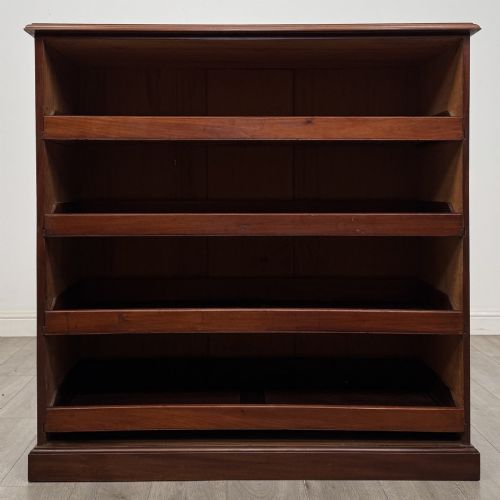
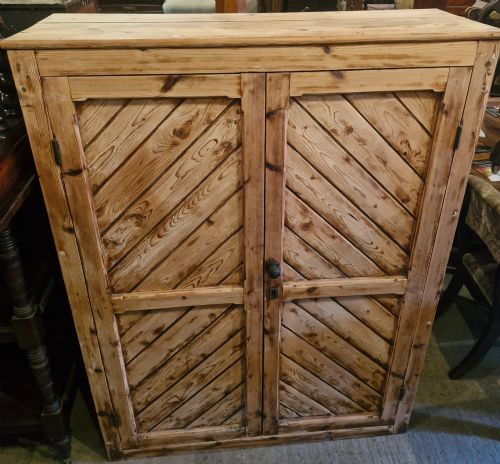
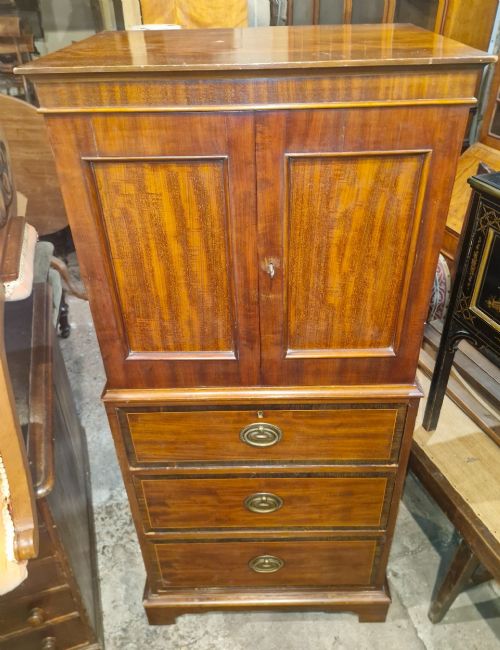
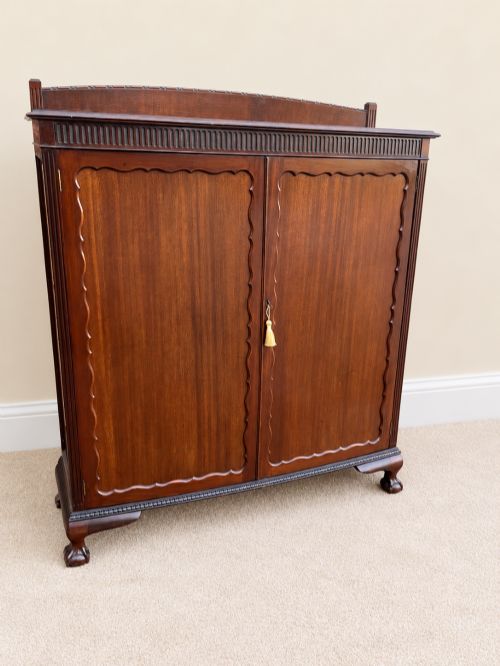
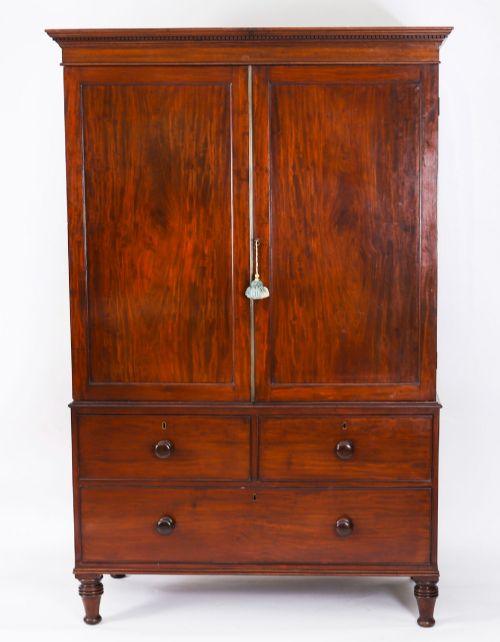
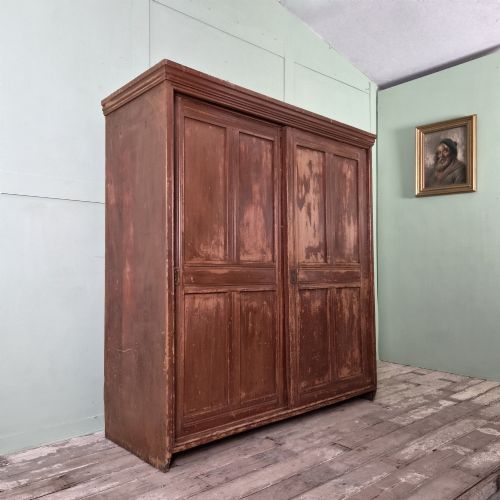
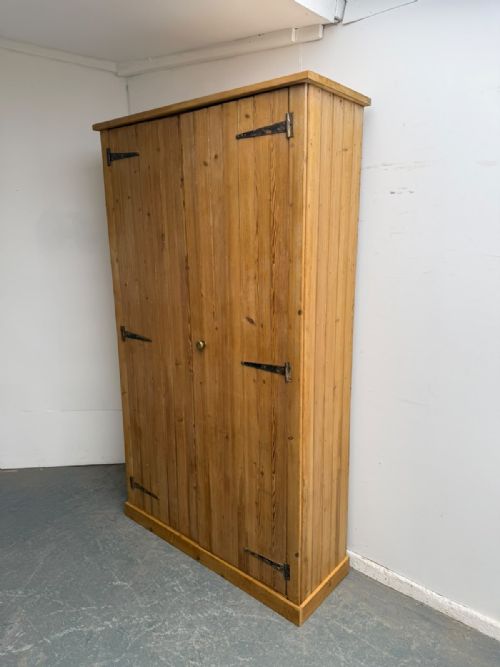
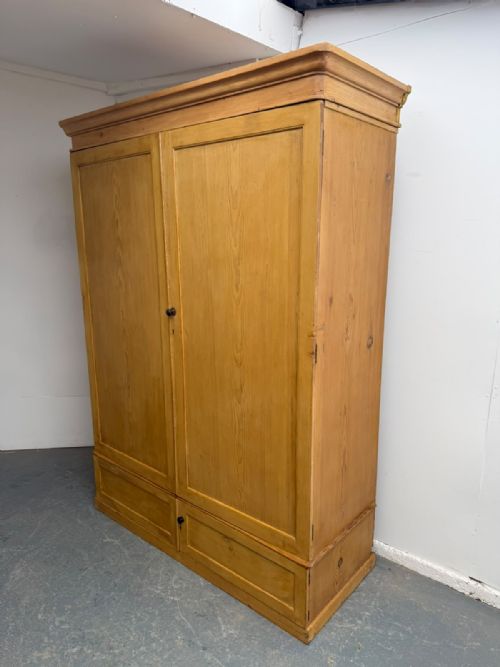
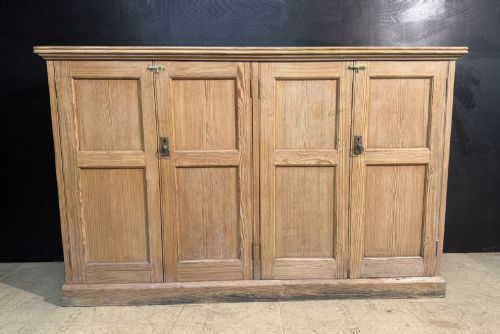
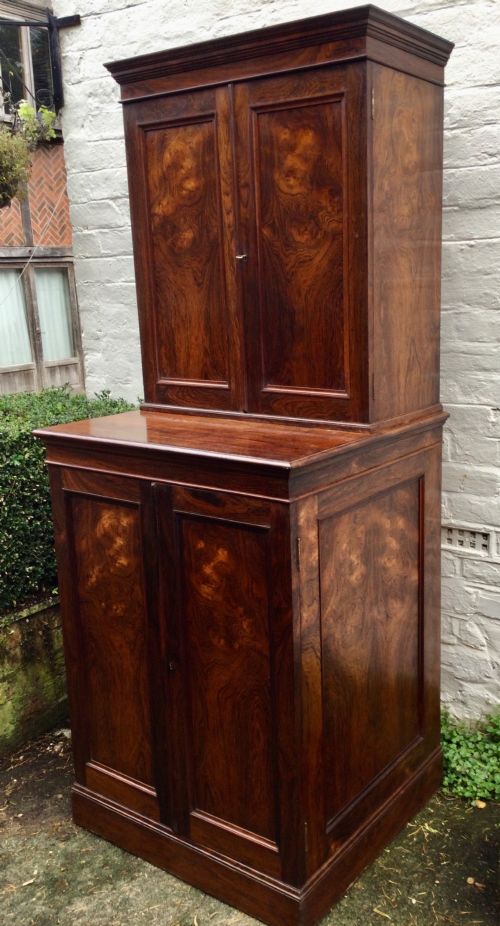
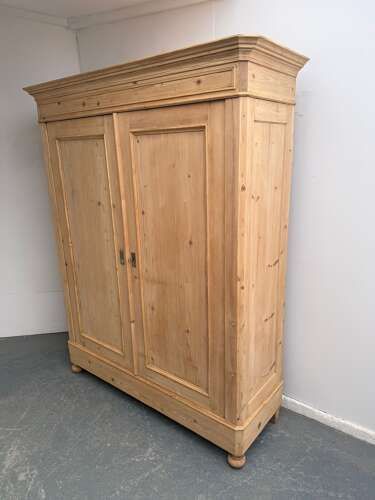
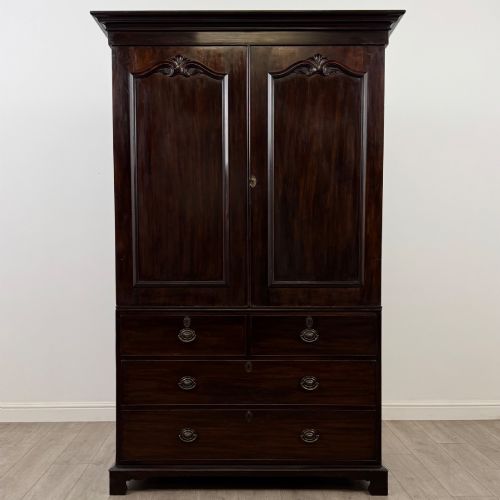
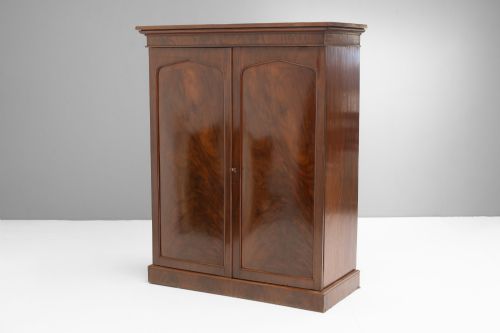
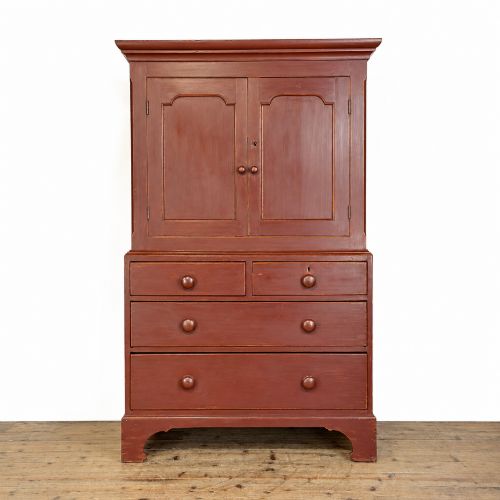
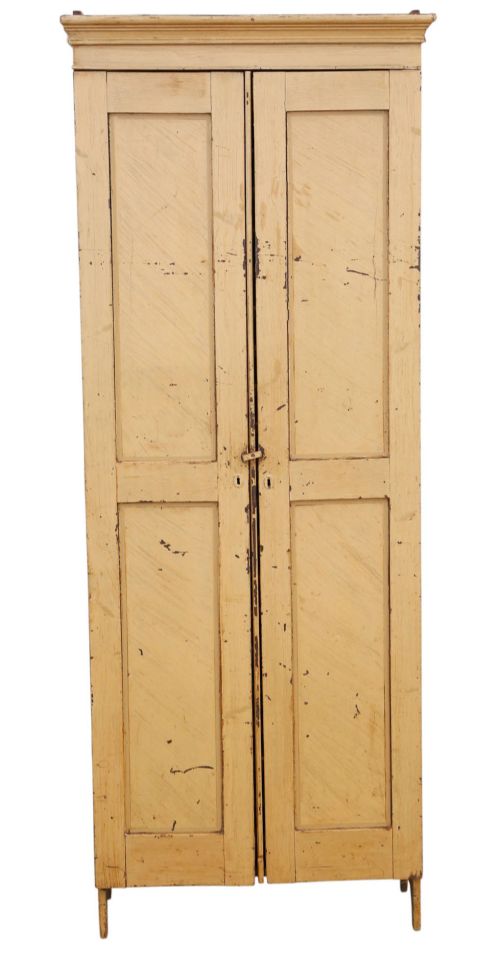
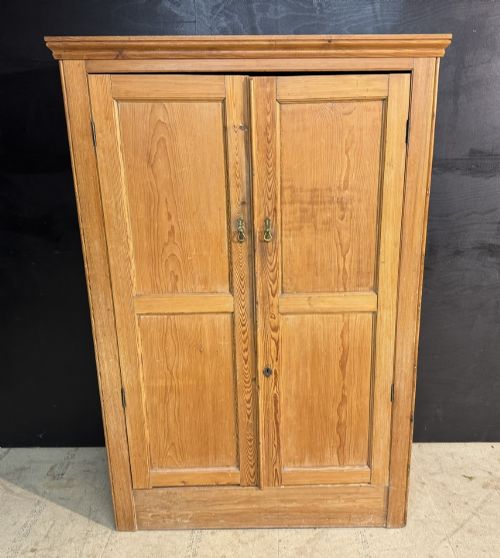
These substantial pieces are a victorian linen cabinet, built to store household textiles and garments with sturdy elegance.
Victorian Linen Cabinet
A victorian linen cabinet encompasses housekeepers cupboards, linen presses, and tall storage units produced during the nineteenth century. These forms vary from utilitarian pine kitchen larders to formal mahogany and burr walnut presses fitted with internal drawers and sliding trays.
Rural examples often emerge in scrubbed or painted pine, while urban workshops favour dense hardwoods like mahogany and oak. Many pieces combine hanging space with linen storage, reflecting the domestic routines of large households.
Regional variations appear across English, Welsh, and French traditions, ranging from simple vernacular cupboards to elaborate pieces with glazed doors or carved pillar panels.
Materials and Construction
Makers utilised solid timbers including pine, oak, mahogany, walnut, and ash, often pairing primary display woods with secondary interior softwoods. Construction methods range from knockdown frames designed for transport to substantial architectural carcases standing on plinths or bun feet.
Surfaces receive diverse treatments, from French polish and wax on figured veneers to historic layers of cream paint, scumble glaze, or plain pine finishes. Brass and iron hardware, such as hinges and escutcheons, secure heavy doors enclosing adjustable shelves or linen slides.
Victorian Linen Cabinet Retail Price Guide 2026
Typical asking prices for victorian linen cabinet among the pieces listed under this phrase on Sellingantiques today, from the lower quarter to the upper quarter. They describe what is for sale here now, not the wider market.
Several kitchen cupboards retain faint traces of flour and dried herbs embedded in their pine floorboards from past rural service.
Gradations in Quality
The hierarchy of these cabinets rests on timber selection and joinery precision, distinguishing utilitarian kitchen storage from formal reception furniture. Figured veneers, burr walnut, and intricate blind fretwork cornices denote ambitious workshop production.
Proportion and intact original surfaces dictate desirability, separating pieces that retain their historic paint or polished timber patination from heavily altered examples. Robust internal fittings, such as original linen trays and working brass locks, elevate the standard of individual pieces.
Edwards and Roberts·Maple and Co·Heals
The Victorian Linen Cabinet Glossary
- Linen Press
- A large storage cupboard featuring upper sliding trays or shelves for textiles above a chest of lower drawers.
- Housekeepers Cupboard
- A tall utilitarian storage unit used in domestic service for provisions, china, and household linens.
- Knockdown
- Furniture constructed with pegged or bolt-together joints that allow the carcase to be dismantled for movement.
- Scumble
- A translucent oil-based glaze manipulated with combs or brushes to imitate the grain of expensive timber over a painted pine base.
- Blind Fretwork
- Carved ornamentation applied to a solid surface in geometric or interlaced patterns without piercing right through the wood.
Victorian Linen Cabinet: Frequently Asked Questions
What is a victorian linen cabinet used for?
These pieces provide deep shelving, hanging space, and sliding trays originally designed to keep household textiles organised and protected from dust.
Today, they adapt readily to modern bedrooms and living areas as substantial wardrobes, kitchen larders, or general storage cupboards.
How do I identify a 19th-century piece?
Examination of construction methods, timber types, and hardware reveals the age of a cabinet. Hand-cut dovetails, stocky proportions, and traditional joinery point to nineteenth-century production.
Secondary woods inside drawers and the presence of historic fasteners or hand-blown glass further confirm the period.
Are pine cupboards stripped or painted?
Many pine examples survive with layers of historic paint, scumble glaze, or plain waxed surfaces reflecting generations of domestic use.
Buyers often choose between pieces retaining original painted finishes and those stripped back to raw pine for a natural wood appearance.
Will a knockdown cabinet fit through doorways?
Many large nineteenth-century wardrobes and presses were built with knockdown frames that dismantle into separate cornices, bases, and side panels.
This construction method allows these massive storage units to be transported and assembled in rooms with tight access.