

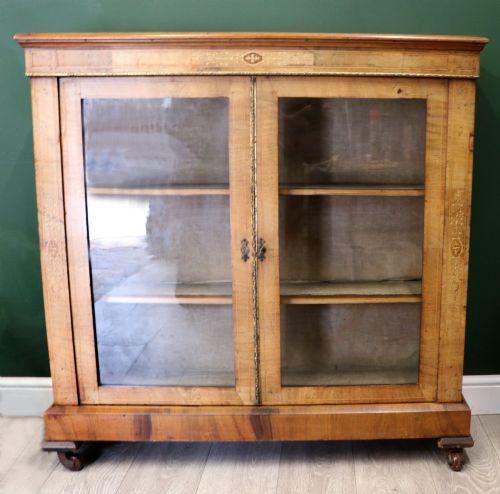
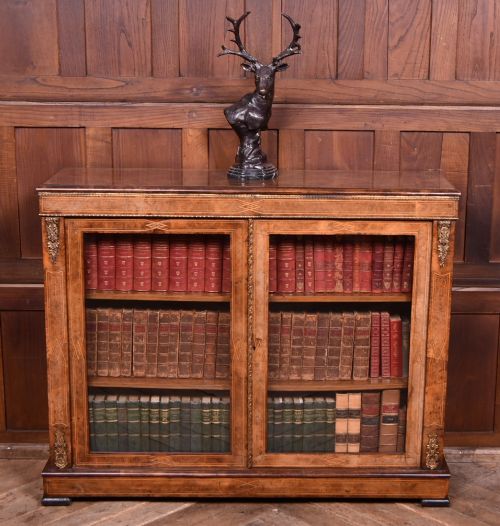
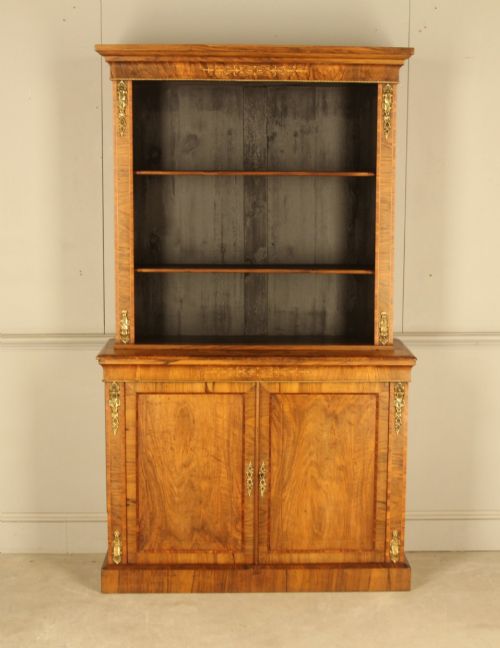
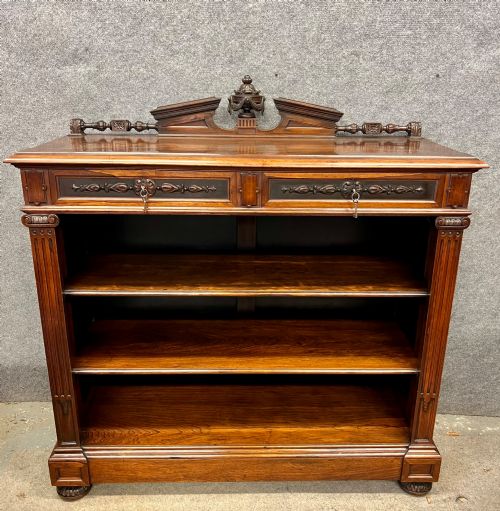




Victorian Library Credenza
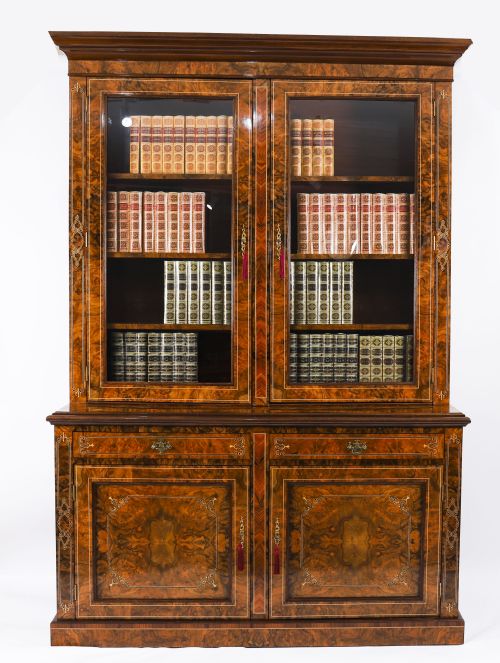
These walnut and mahogany pieces are the grand centrepieces of a period room, offering generous storage for books and display behind glazed or open fronts.
Victorian Library Credenza
A victorian library credenza combines the function of a bookcase with the low proportions of a cabinet, serving as a commanding focal point in a traditional study or drawing room. The pieces found here span the Victorian era, alongside related Regency and early 19th-century examples that share similar architectural forms.
Makers shaped these items primarily as breakfront bookcases, side cabinets, and display units, often incorporating glass doors to protect precious volumes. Walnut, burr walnut, and mahogany dominate the selection, frequently enhanced by decorative timber veneers.
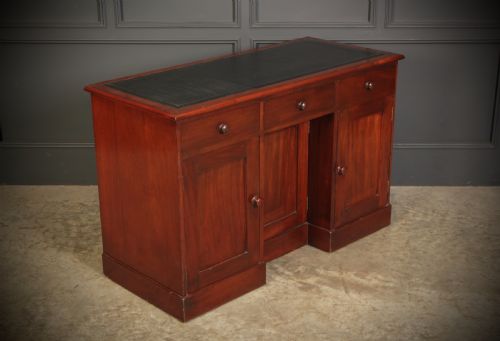
Buyers will encounter both compact side cabinets and large breakfront bookcases designed to fill substantial wall spaces. The selection includes specialist pieces such as kneehole desks and open bookcases, reflecting the diverse storage needs of nineteenth-century libraries.
How they were made
Cabinet makers utilised dense hardwoods such as mahogany and walnut as the structural foundation, often applying highly figured burr walnut veneers to large flat surfaces for visual impact. Boxwood stringing and intricate inlay work frequently accent the primary timber.
Metalwork played a structural and decorative role, with cast brass mounts, ormolu details, and glazed panels fitted to protect the contents within. Skilled joinery united these diverse elements, from breakfront carcases to fitted shelving.
Victorian Library Credenza Retail Price Guide 2026
Typical asking prices for victorian library credenza among the pieces listed under this phrase on Sellingantiques today, from the lower quarter to the upper quarter. They describe what is for sale here now, not the wider market.
Period designations span from Regency revival styles through to late Victorian and 1900 cabinet making.
What varies in quality
The choice of timber grain sets the baseline for quality, with matched burr walnut veneers requiring exceptional skill to apply across wide breakfront surfaces. Plain timber constructions sit at the simpler end of the scale, whilst highly figured grain elevates the piece.
Detailing in the mounts and inlay further distinguishes finer examples from standard workshop production. Finely cast brass or ormolu mounts and precise boxwood stringing indicate superior craftsmanship and greater time invested by the maker.
Robert Strahan·Gillows
The Victorian Library Credenza Glossary
- Breakfront
- A piece of furniture where the central section projects forward from the flanking wings. This architectural layout creates depth and shadow on library walls.
- Burr walnut
- Timber taken from the wart-like growths on walnut trees, yielding swirling, knotty grain patterns. Cabinet makers prized this wood for high-status cabinet doors.
- Ormolu
- Gilded bronze mounts applied to furniture for decorative enrichment. These metallic highlights catch the light against dark walnut or mahogany surfaces.
- Boxwood stringing
- Thin lines of pale wood inlaid into contrasting darker veneers to outline panels and doors. It provides a crisp geometric border.
- Gilt mounts
- Applied metallic ornaments finished with a gold-coloured layer. They accentuate the corners and central friezes of nineteenth-century cabinetry.
Victorian Library Credenza: Frequently Asked Questions
Where should I place a library credenza?
These low cabinets suit principal reception rooms and studies where wall space allows the breakfront proportions to breathe.
Keep them away from direct sunlight and strong heat sources to protect the polished timber surfaces and delicate wood veneers.
How do I care for walnut veneer?
Dust the surfaces regularly with a soft, dry cloth and maintain a stable room humidity to prevent the timber from drying out.
Avoid silicone-based polishes, opting instead for traditional beeswax applied sparingly to nourish the grain.
Can these hold heavy books?
The internal shelving is generally robust, constructed from solid mahogany, walnut, or pine to support substantial volumes.
Distribute heavier folios evenly across the shelves to maintain the integrity of the timber supports.
How do I distinguish early Victorian from later pieces?
Early Victorian examples often utilise rich mahogany with restrained classical proportions and minimal applied ornamentation.
Later nineteenth-century pieces frequently embrace burr walnut veneers, elaborate boxwood inlay, and cast brass or ormolu mounts.