
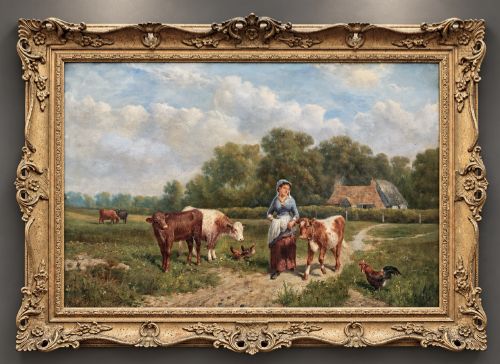
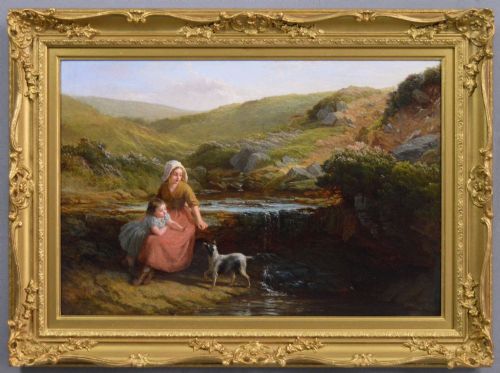
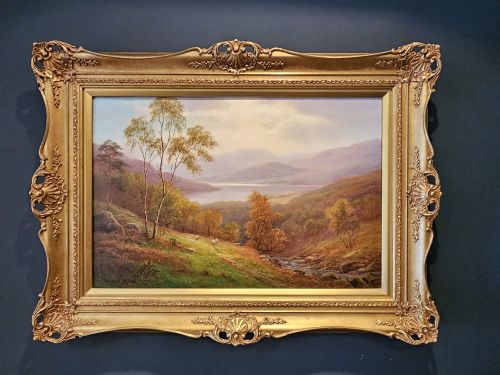
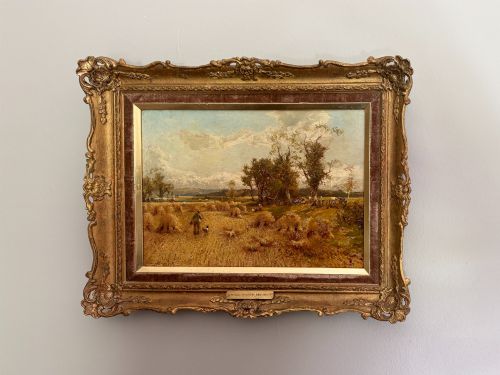
Victorian Landscape Artwork Frame
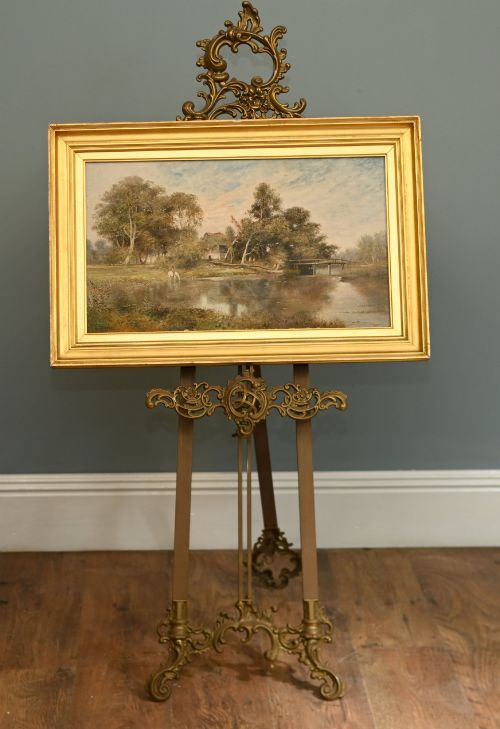
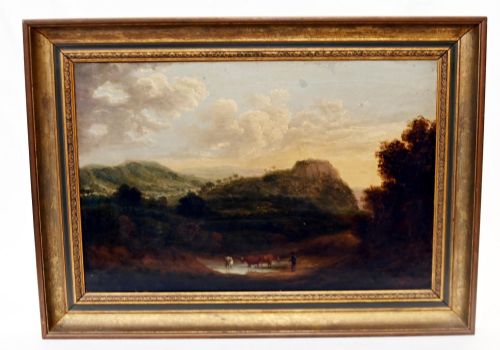
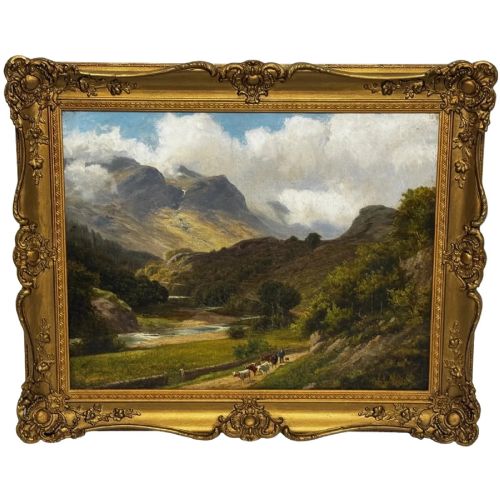
A victorian landscape artwork frame houses pastoral scenes, lochs, and coastal views painted during the nineteenth century.
Victorian Landscape Artwork Frame
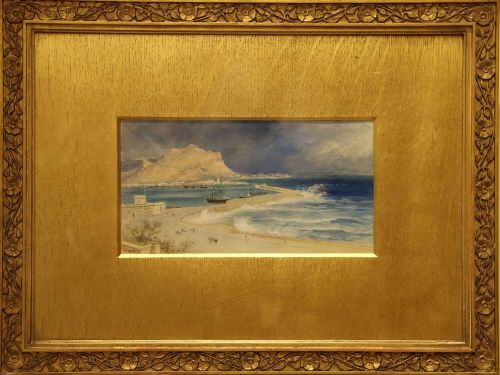
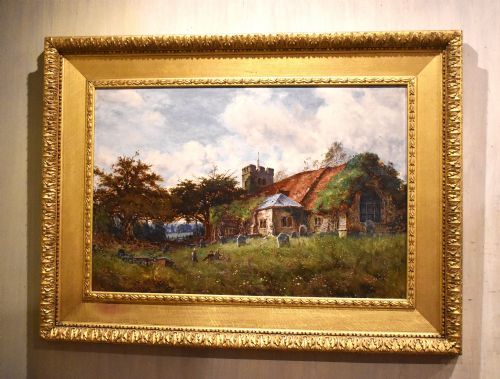
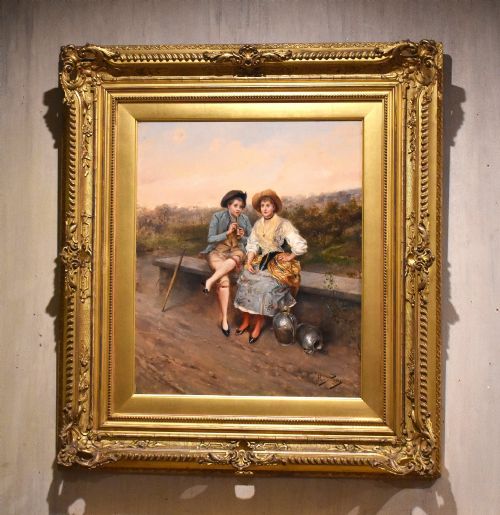
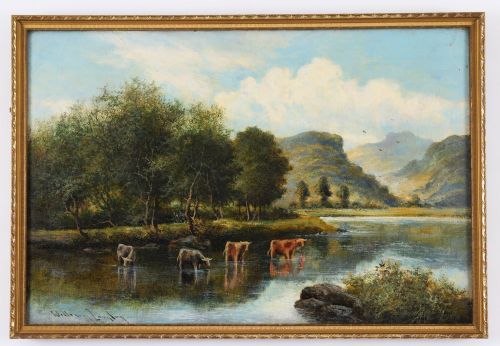
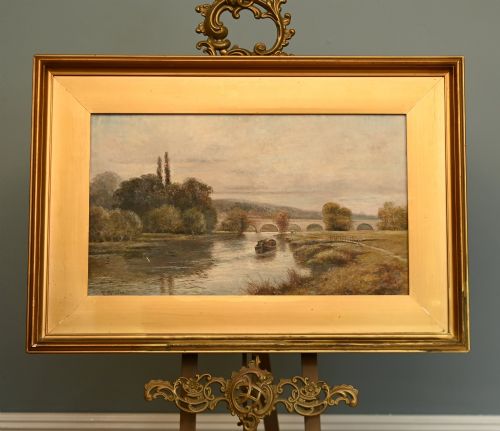
A victorian landscape artwork frame surrounds paintings created during the nineteenth century and the edwardian era. These pieces capture British and European scenery, including woodland views, rural villages, and marine harbours.
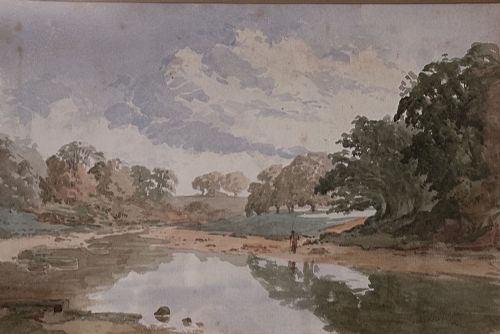
The selections on this page comprise oil paintings on canvas, board, and panel alongside watercolour paintings on paper. Framed artwork forms the primary group meeting this search phrase.
Makers ranged from Royal Academy artists to regional painters working in romantic and pastoral styles. Subjects extend from Scottish lochs to Venetian canals.
How they were made
Painters utilised oil on canvas, oil on board, and watercolour on paper, often set within wooden and giltwood frames. Glass protected works on paper from atmospheric damage.
Canvases and panels provided stable grounds for layered oil pigments, while watercolours relied on fluid washes of pigment upon heavy paper.
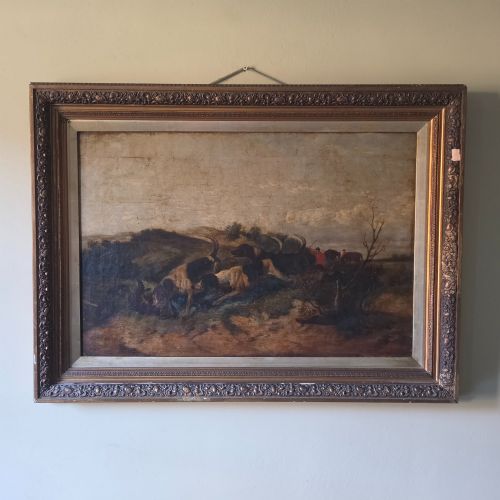
Several sheep, cows, and a very impressive bull managed to wander into these pastoral nineteenth-century landscapes.
What varies in quality
Handling of light, atmospheric depth, and structural drawing distinguish accomplished works from routine topographical recording. The integration of the artwork with its original wood or giltwood frame elevates the integrity of the piece.
Signed works by documented artists command closer attention from collectors than unsigned regional studies.
Eugène Verboeckhoven·Richard Sebastian Bond·William Beattie-Brown·George Fotherly Hargitt·Thomas Miles Richardson Jnr·James Orrock·William Henry Earp·Frederick Marriott·Arthur Wardle·John Horace Hooper·A. Mitchell·John McDougal·Alfred Fontville de Breanski Jr·EJ Letheren·Edward Mills·William Banks Fortescue·Thomas W Lascelles·Robert A. Nottingham·David Bates·Robert John Hammond·Alfred Pollentine·Walter Heath Williams·Robert W. Macbeth·Robert Thorne Waite·Francis Moltino
The Victorian Landscape Artwork Frame Glossary
- Giltwood
- Wood carved and coated with gold leaf or metallic powder. This material frequently appears on nineteenth-century picture frames.
- Watercolour
- A painting method using water-soluble pigments on paper. These works require glass protection to preserve the delicate paper surface.
- Panel
- A flat wooden board utilised as a painting support instead of woven canvas. Panels offer a rigid surface for detailed brushwork.
- Pastoral
- A style of art depicting rural life, shepherds, and agricultural landscapes. These subjects reflect nineteenth-century romantic ideals.
Victorian Landscape Artwork Frame: Frequently Asked Questions
What periods do these paintings date from?
These works primarily date from the nineteenth century, the Victorian period, and the early edwardian era around nineteen hundred. Certain pieces reflect nineteenth-century romanticism and pastoral traditions.
Dates are often established through artist signatures, biographical records, and framing styles associated with the period.
Are the frames original to the artwork?
Many pieces retain wood or giltwood frames characteristic of the nineteenth century. Surviving frames complement the period and style of the painting.
Distinguishing original frames involves examining joinery, surface wear, and the fit of the canvas or paper.
How should I care for watercolour paintings?
Watercolour paintings on paper require protection from direct sunlight to prevent fading. Displaying them behind glass safeguards the delicate pigments from moisture.
Stable indoor humidity levels help preserve both the paper support and the surrounding wooden frame.
What subjects are common in these landscapes?
Common subjects include Scottish lochs, woodland scenes, harvest fields, and coastal fishing harbours. Artists frequently included figures, animals, or cottages to establish scale and narrative interest.
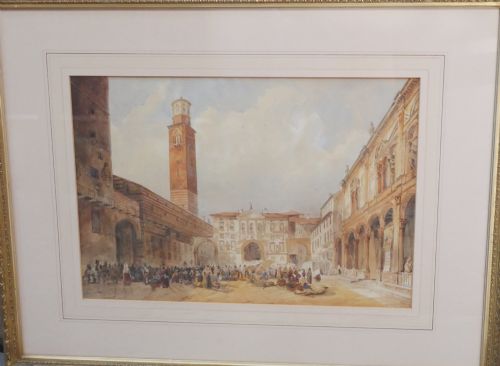
Italianate views and Venetian canals also appear among nineteenth-century European works.