



Victorian Lacquer Cabinet
A victorian lacquer cabinet brings distinct Chinoiserie and Aesthetic Movement pattern into a room through finished wood and polished surfaces.
Victorian Lacquer Cabinet
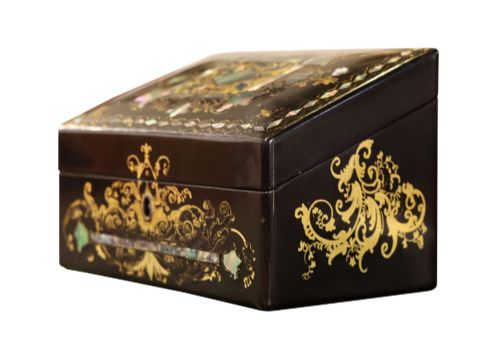
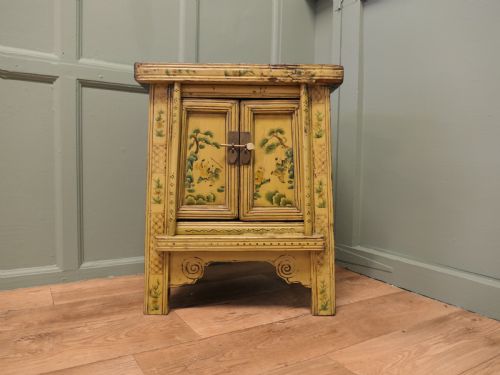
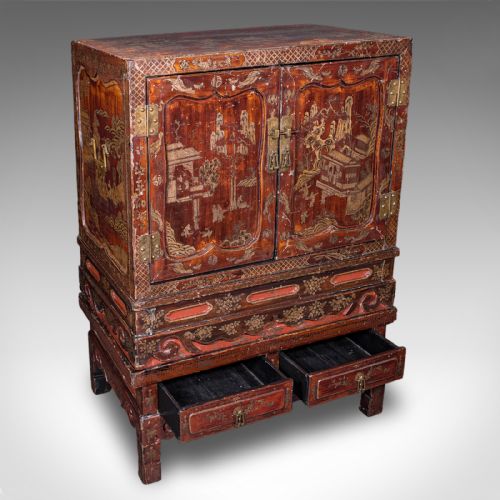
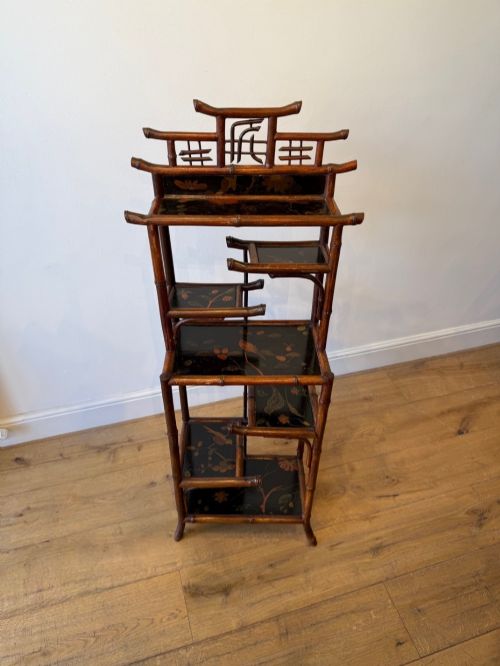
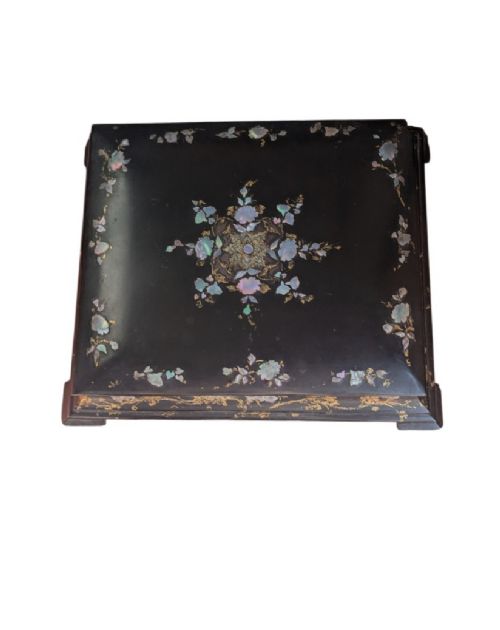
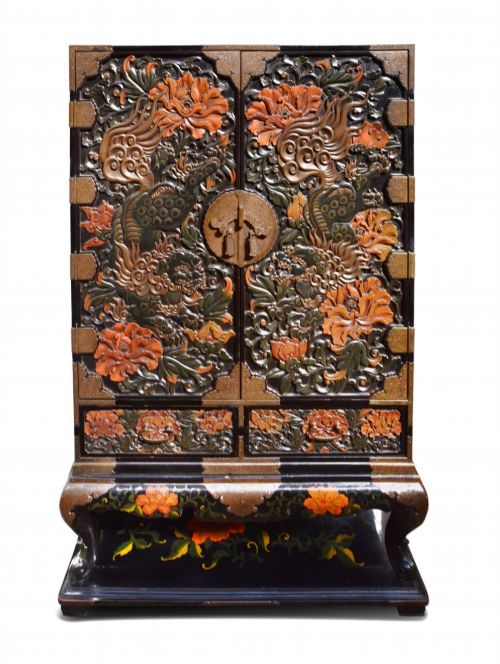
When you search for a victorian lacquer cabinet, you encounter a varied group of nineteenth century items ranging from corner cupboards and display shelves to table-top writing boxes and sewing tables. These pieces draw heavily on Chinoiserie and Aesthetic Movement styles, often pairing dark or cream painted finishes with oriental motifs.
The most common forms on this page include bamboo shelving units, papier-mâché jewellery cabinets, and cabinets raised on stands. Originating across the nineteenth century from eighteen-fifty to nineteen-hundred, these items reflect both British craftsmanship and imported Japanese lacquer techniques adapted to domestic interiors.
How they were made
Makers built these pieces using solid woods, ebonised timber, papier-mâché, and natural bamboo, frequently incorporating brass, glass, and ormolu mounts for structural support and decorative contrast. Lacquer was applied in multiple layers to wooden or paper-mâché cores to create durable, glossy surfaces.
Surface ornament relied on hand-painted Chinoiserie scenes, carved lacquer details, and inlaid plaques. Frameworks of tiger bamboo or ebonised wood were joined with precision to support glass panels, display shelves, and fitted interior compartments.
Victorian Lacquer Cabinet Retail Price Guide 2026
Typical asking prices for victorian lacquer cabinet among the pieces listed under this phrase on Sellingantiques today, from the lower quarter to the upper quarter. They describe what is for sale here now, not the wider market.
Several papier-mâché cabinets incorporate painted dogs within their decorative schemes, offering a charming domestic touch amid the typical pagodas.
What varies in quality
Quality in these pieces rests upon the depth of the lacquer finish and the integrity of the underlying construction, whether solid wood, papier-mâché, or bamboo. Superior examples display crisp, hand-painted Chinoiserie detailing and securely mounted hardware like ormolu or brass without looseness in the joints.
The distinction between standard utility items and finer decorative pieces shows in the complexity of the internal fittings, such as velvet-lined writing boxes or multiple display tiers. Better proportioned cabinets integrate the lacquer panels harmoniously with structural framing like ebonised wood or bamboo poles.
The Victorian Lacquer Cabinet Glossary
- Chinoiserie
- European interpretation and imitation of Chinese and East Asian artistic traditions, frequently featuring pagodas, figures, and landscapes painted in gold on black or cream lacquer grounds.
- Papier-mâché
- A composite material made of paper pulp or layers of paper bound with glue, pressed into moulds, and dried to form sturdy boxes and cabinets suitable for smooth lacquer finishes.
- Ebonised wood
- Timber treated with a dark stain or finish to simulate the appearance of solid ebony, commonly used to frame decorative panels in nineteenth century furniture.
- Ormolu
- Gilt bronze mounts applied to furniture edges and corners for decorative accent, characteristic of finer French and English revival pieces.
- Aesthetic Movement
- A late nineteenth century design movement that promoted art for art's sake, incorporating Japanese motifs, bamboo structures, and asymmetry into domestic furnishings.
Victorian Lacquer Cabinet: Frequently Asked Questions
What is a victorian lacquer cabinet?
A victorian lacquer cabinet is a nineteenth century storage or display piece finished with oriental lacquer work, often in Chinoiserie or Aesthetic Movement styles.
These items encompass everything from small jewellery boxes to tall corner cupboards and bamboo shelving units.
How were these cabinets used?
Households used these cabinets to display curiosities, store stationery, organise jewellery, or serve as compact writing desks.
Larger versions held library books and display collections, while smaller tables combined storage compartments with open display tiers.
How do I care for lacquer?
Keep lacquer furniture out of direct sunlight and away from heat sources to prevent the finish from drying out or cracking.
Dust gently with a soft, dry cloth and avoid chemical polishes that can damage the delicate painted surfaces.
How do I identify the period?
Dating relies on stylistic markers such as Aesthetic Movement bamboo frames, Napoleon III ormolu mounts, and Victorian registration marks or construction methods.
Materials like papier-mâché and specific decades spanning from eighteen-fifty to nineteen-hundred help narrow down the production era.