



Victorian Keepsake Jewellery
Victorian keepsake jewellery encompasses intimate lockets and small caskets designed to hold personal mementos close.
Victorian Keepsake Jewellery
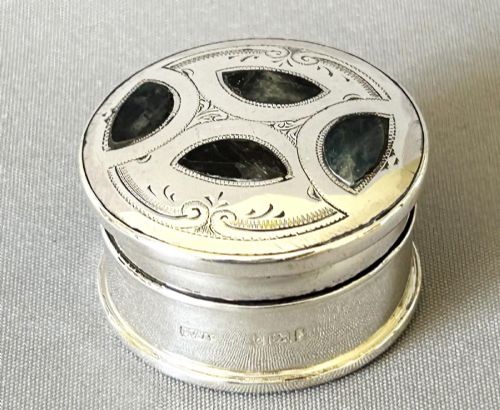
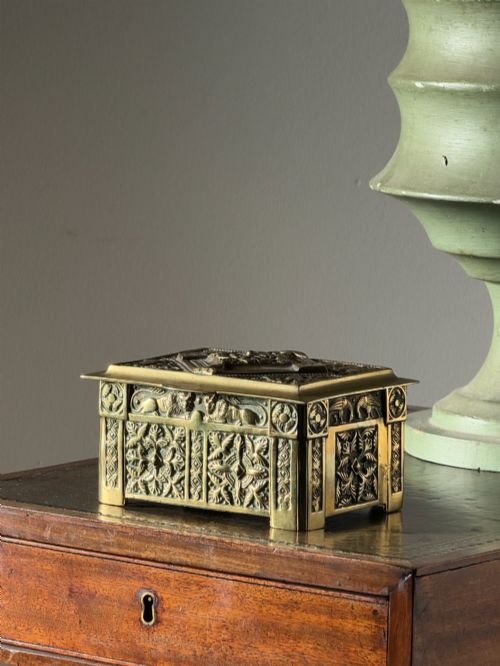
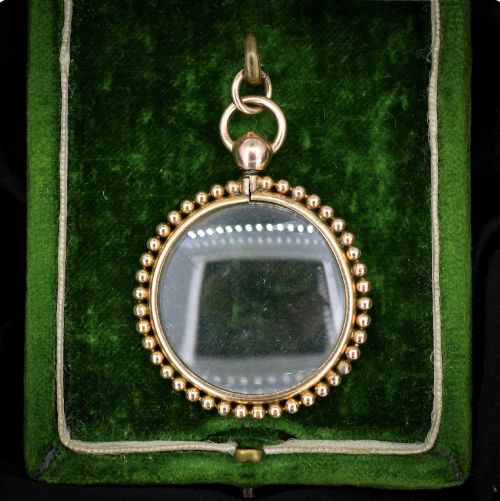
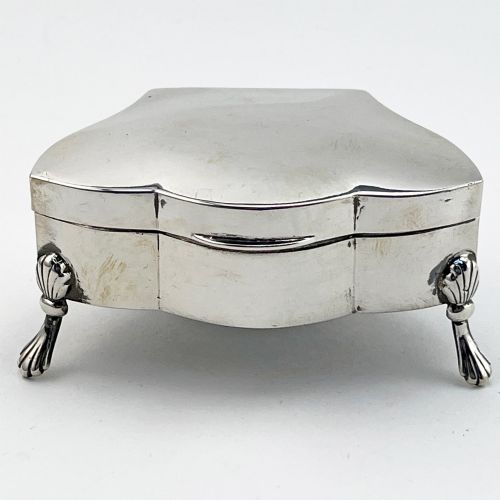
The selection reflects both personal adornment and desktop storage created during the nineteenth century and adjacent periods. Objects vary from heart-shaped silver boxes to intricate lockets intended to hold hair or tiny portraits.
How they were made
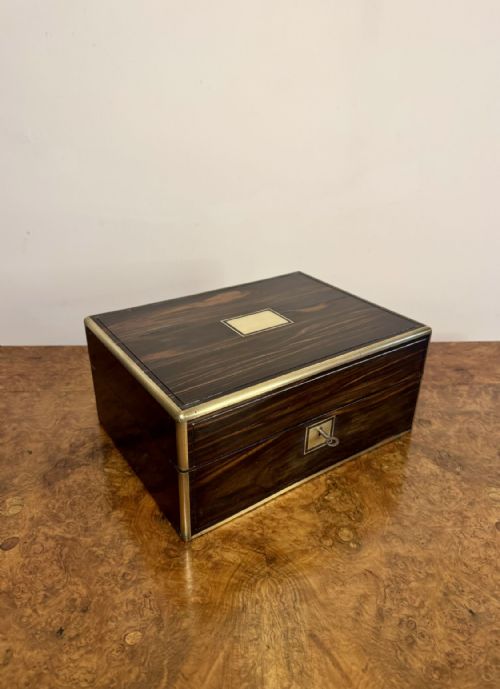
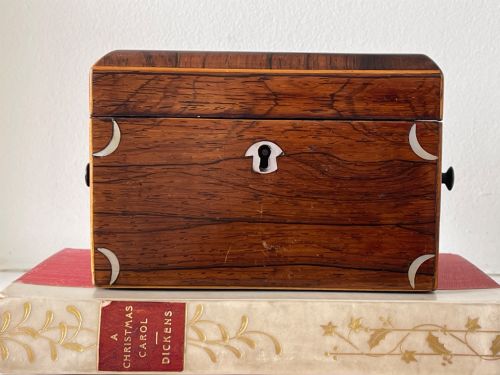
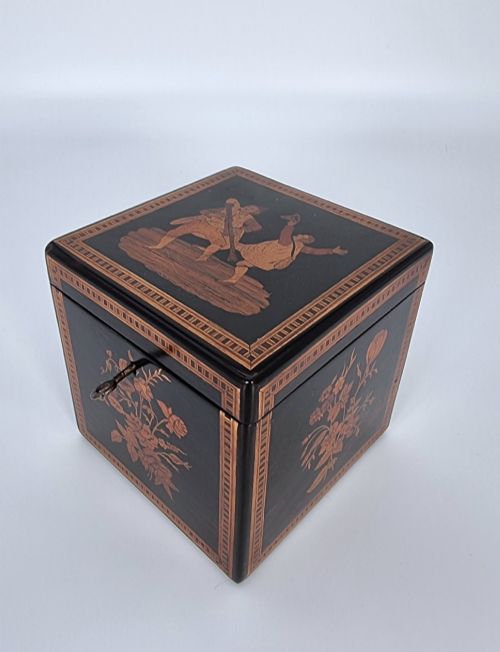
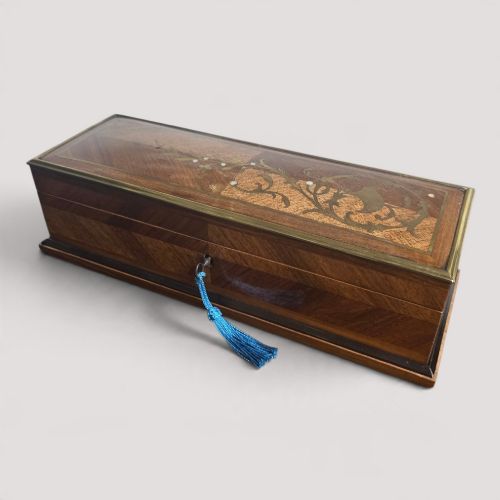
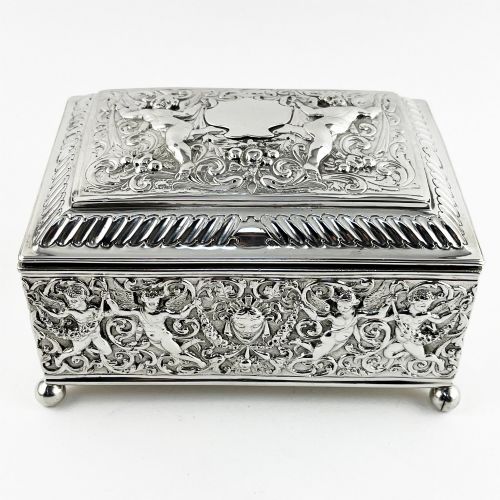
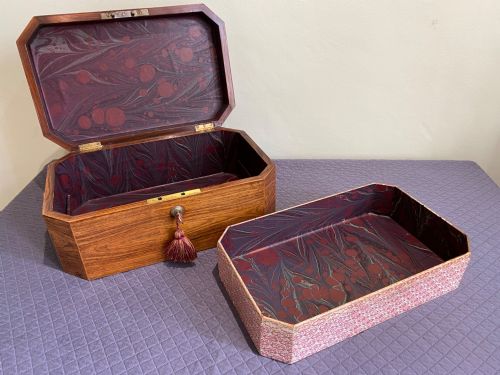
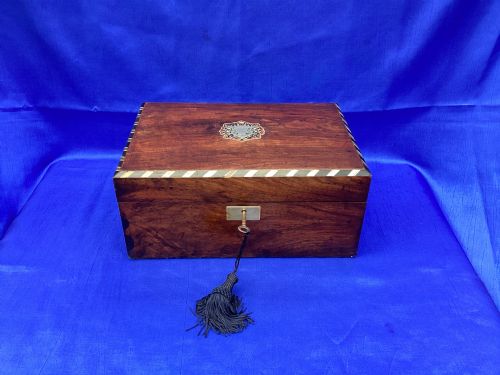
Metals such as sterling silver and yellow gold form the structures of lockets and small boxes, often shaped with engraved detailing. Wooden items utilise dense timbers like rosewood, walnut, and coromandel, frequently enhanced with marquetry or Tunbridge ware inlays.
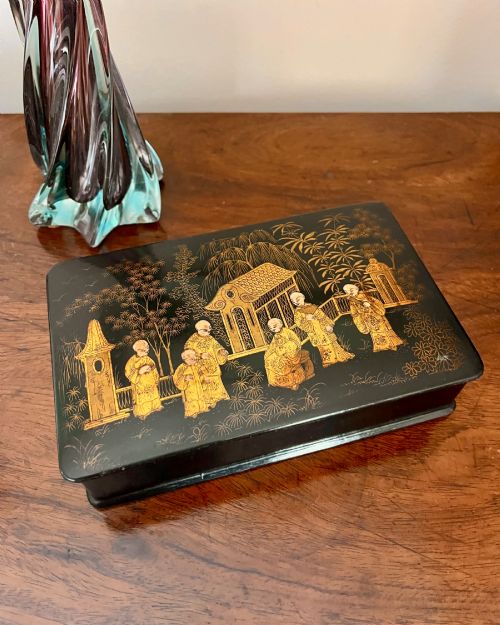
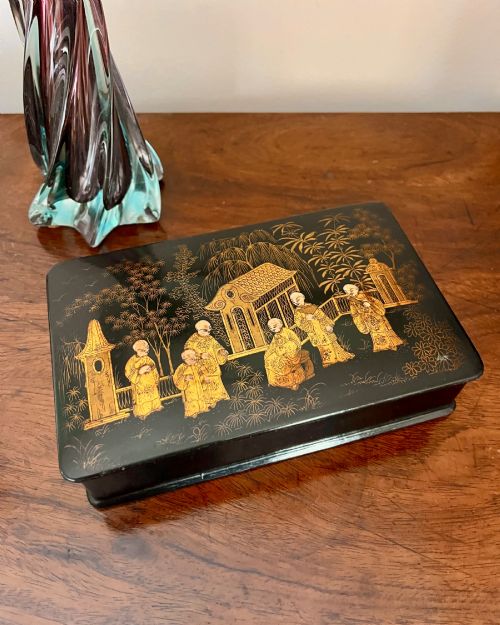
Surface decoration relies on traditional craftsmanship, incorporating lacquered chinoiserie, glass panels, and mother-of-pearl. Interior fittings utilise mirrors and fitted trays to organise small personal possessions.
Victorian Keepsake Jewellery Retail Price Guide 2026
Typical asking prices for victorian keepsake jewellery among the pieces listed under this phrase on Sellingantiques today, from the lower quarter to the upper quarter. They describe what is for sale here now, not the wider market.
What varies in quality
Quality rests upon the precision of the construction and the refinement of the decorative materials applied to the surface. Fine marquetry work and crisp engraving distinguish superior examples from plain utilitarian containers.
The choice of materials, such as solid gold or figured timbers like burr maple, elevates the standing of a piece. Intricate detailing in the metalwork or specialised inlays demonstrate superior craftsmanship.
Edmund Nye
The Victorian Keepsake Jewellery Glossary
- Locket
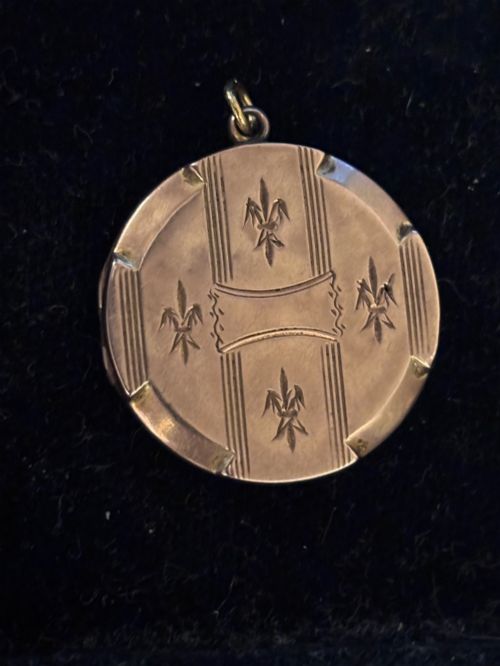
- A small hinged pendant designed to open and enclose a photograph, lock of hair, or miniature painting. These pieces are frequently shaped as ovals or hearts in gold or silver.
- Marquetry
- The art of applying small pieces of veneered wood to a structure to form decorative patterns or pictorial scenes. This technique appears frequently on nineteenth-century wooden boxes.
- Tunbridge Ware
- A specialised form of woodwork originating in England featuring intricate mosaic designs built from many tiny wood blocks. These geometric or floral patterns cover the surfaces of small boxes.
- Casket
- A small ornamental box or chest intended for holding jewels, letters, or precious keepsakes. They often feature fitted interiors with mirrors and velvet-lined compartments.
- Grand Tour
- A cultural journey undertaken by wealthy Europeans that inspired souvenirs such as Sorrento marquetry boxes. These items brought continental craftsmanship back to British homes.
Victorian Keepsake Jewellery: Frequently Asked Questions
What fits inside a Victorian locket?
These small pendants were traditionally made to hold miniature painted portraits, dried flowers, or locks of human hair. The interior compartments kept these intimate mementos secure against the wearer's heart.
Many examples feature glass covers or small frames inside hinged compartments. This allowed the wearer to view the preserved token without opening the pendant.
How were keepsake boxes used?
Keepsake boxes served as secure desktop or dressing table receptacles for letters, trinkets, and small pieces of jewellery. Fitted interiors often included small trays and compartments to keep delicate items separated.
Larger wooden caskets accommodated dressing accessories and personal valuables. Their sturdy construction protected fragile mementos from dust and damage.
How can I date a piece?
Dating relies on observing the prevailing styles, materials, and manufacturing techniques recorded in the piece's construction. Gothic Revival designs and specific timber choices often point to the middle decades of the nineteenth century.
Hallmarks on silver and gold items provide precise markers for verification. Stylistic shifts towards lighter Edwardian forms help distinguish later nineteenth-century work from early twentieth-century examples.
What is Tunbridge ware?
Tunbridge ware is a distinctive type of nineteenth-century decorative woodworking characterised by mosaic patterns. Craftsmen assembled thousands of tiny pieces of naturally coloured wood to create detailed pictorial or geometric designs.
These elaborate wooden veneers were applied directly to the surfaces of small boxes and trays. The resulting items became popular souvenirs and luxury gifts during the Victorian era.