

Victorian Jewelry Chest
A victorian jewellery chest offers small-scale storage crafted during the nineteenth century, combining fine cabinetmaking with secure compartments for keepsakes.
Victorian Jewelry Chest
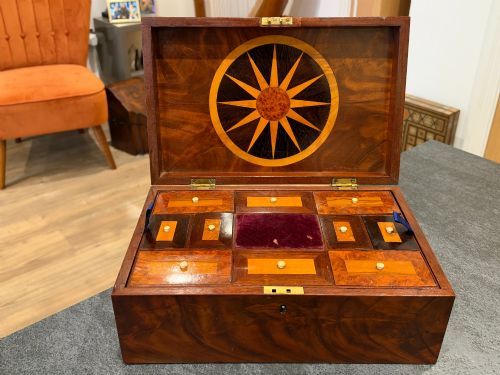
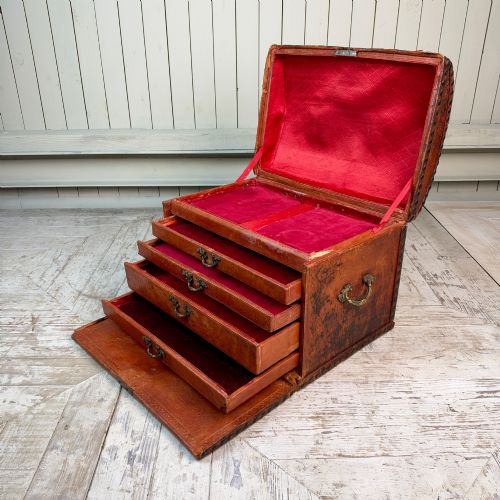
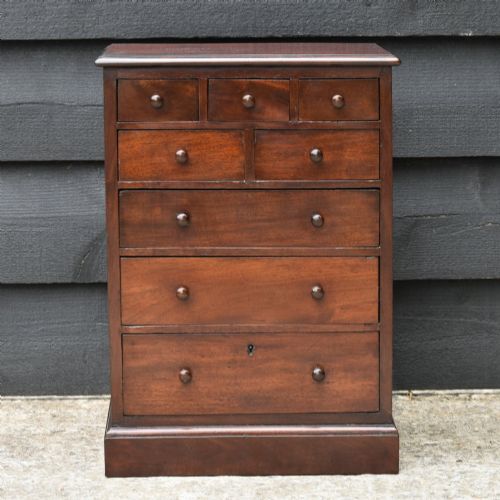
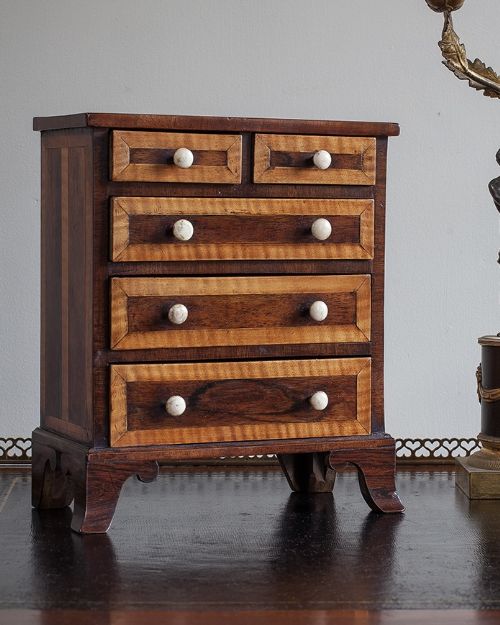
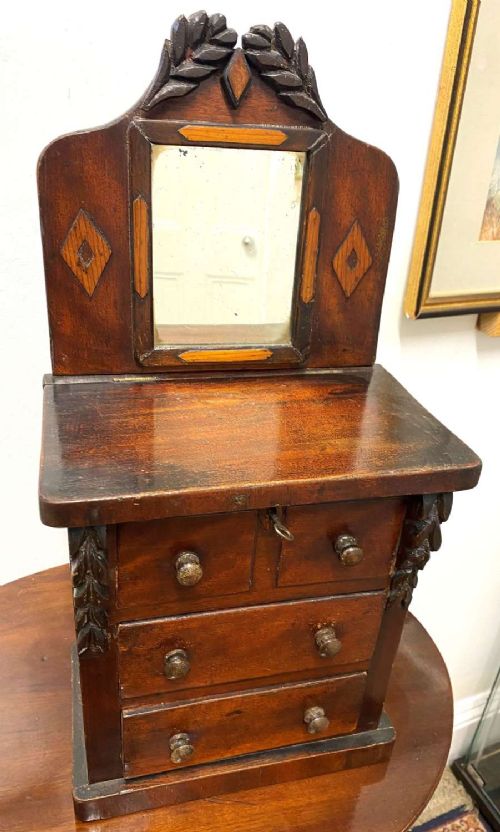
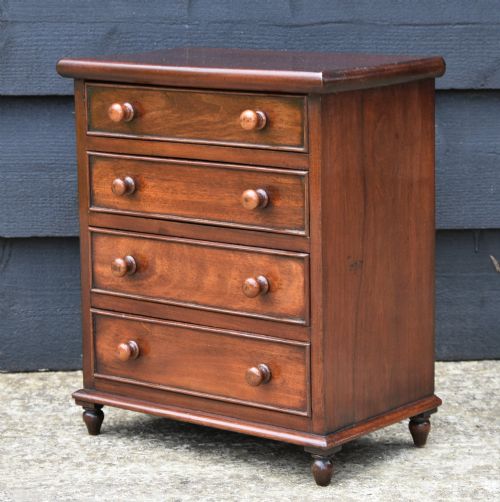
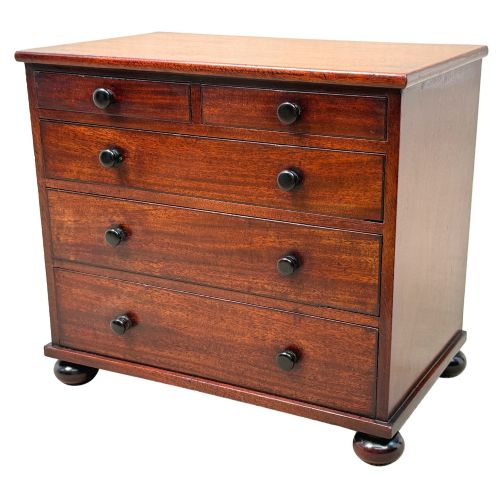
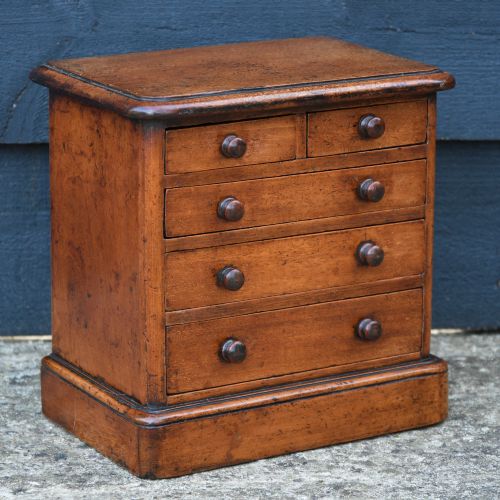
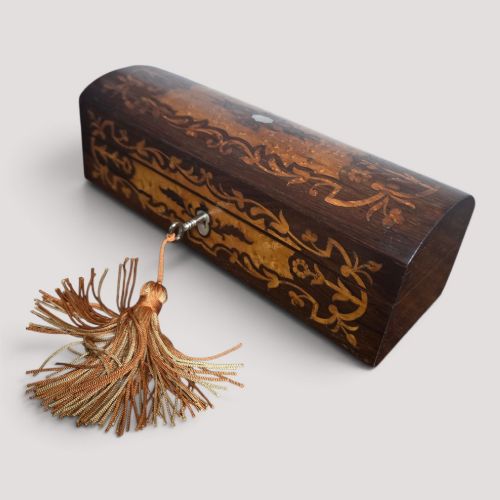
A victorian jewellery chest takes various forms, most commonly appearing as a miniature chest of drawers or a fitted tabletop box designed to hold small valuables. These pieces originate from the nineteenth century, encompassing distinct regional examples and apprentice pieces created to demonstrate technical skill.
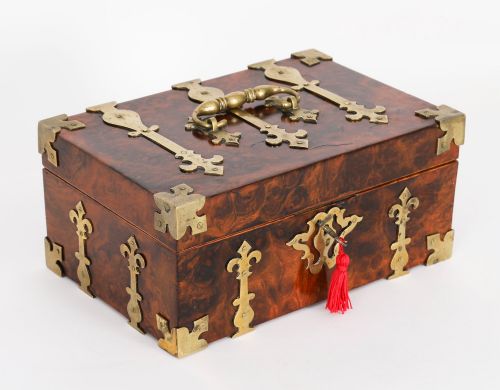
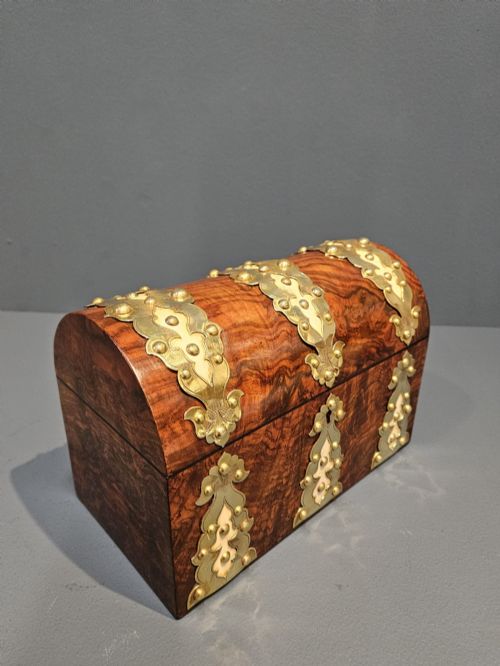
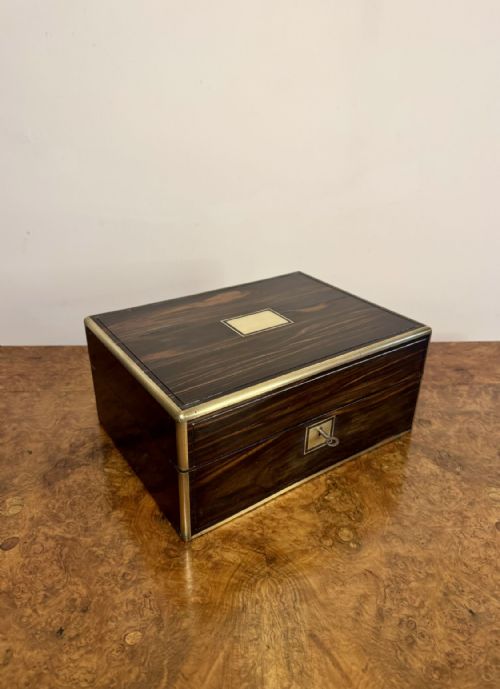
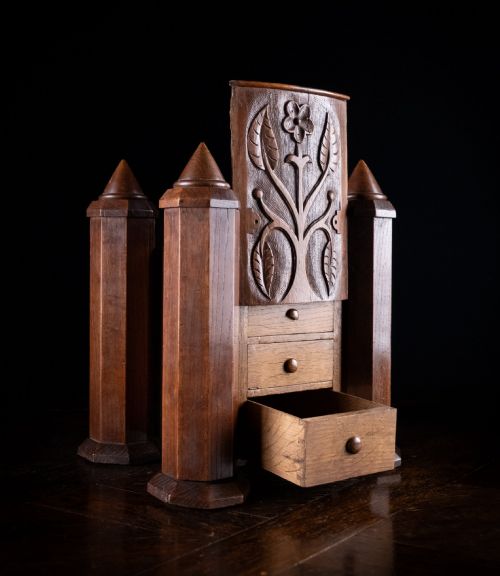
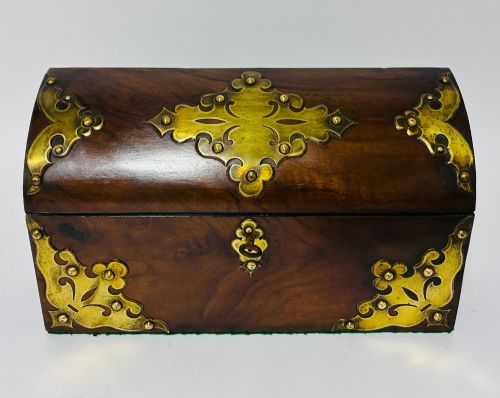
The selection includes specialised variations such as bowfront chests, collectors cabinets, and brass-bound caskets equipped with trays and secret drawers. Alongside standard domestic designs, pieces reflect specific stylistic movements including Gothic Revival, folk art, and Arts and Crafts.
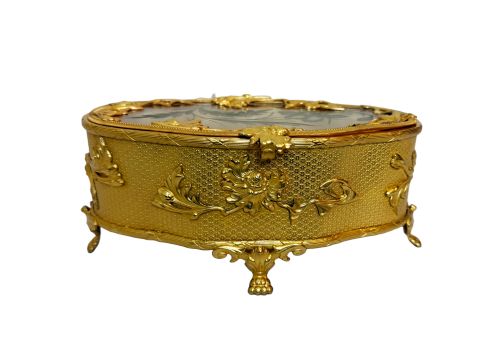
Makers utilised diverse formats to store personal items, ranging from simple lidded boxes to multi-drawer miniature furniture resting on turned feet. These objects served a functional role on dressing tables and surfaces throughout homes of the period.
Materials and Construction
Cabinetmakers constructed these chests using dense timbers such as mahogany, rosewood, walnut, and oak, frequently embellished with burr veneers and marquetry inlay. Interiors often received linings of velvet, silk, or paper to protect delicate contents.
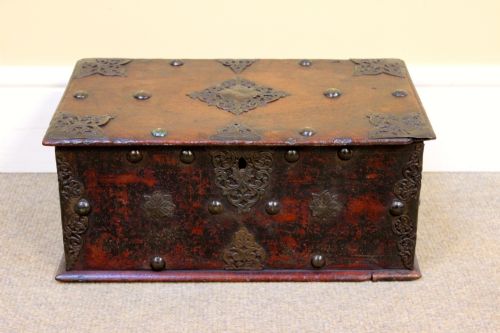
Metalwork played a structural and decorative role, with brass bindings, engraved mounts, hinges, and locks securing the wooden carcases. Artisans also incorporated organic materials like tortoiseshell, mother-of-pearl, and carved slate into the surfaces.
Construction methods involved traditional joinery suited to miniature scale, such as dovetail joints on drawers and carefully fitted compartments. Painted finishes and carved details further distinguished individual workshop outputs.
Victorian Jewelry Chest Retail Price Guide 2026
Typical asking prices for victorian jewelry chest among the pieces listed under this phrase on Sellingantiques today, from the lower quarter to the upper quarter. They describe what is for sale here now, not the wider market.
Distinctions in Execution
The standard of a victorian jewellery chest rests upon the precision of its joinery and the selection of timber veneers. Superior examples display closely matched grain patterns, tight dovetails, and functional locking mechanisms with original keys.
Interior fittings differentiate ordinary boxes from exceptional pieces, particularly those featuring complex trays, velvet linings, and secret drawers that operate smoothly. The integration of decorative elements like mother-of-pearl inlay or brass engraving requires high technical competence.
Edwards & Roberts
The Victorian Jewelry Chest Glossary
- Apprentice piece
- A small-scale item created by a trainee craftsman to demonstrate mastery of joinery before entering a guild. These miniature chests of drawers show the same construction standards as full-sized furniture.
- Bowfront
- A convex curved front facade commonly found on miniature chests of the period. This shape requires specialised woodworking techniques to curve the drawer fronts and frame.
- Secret drawer
- A concealed compartment built into a cabinet or chest, accessible only by releasing a hidden catch or removing another drawer. These additions provided secure storage for confidential items.
- Tramp art
- Folk art created by self-taught makers utilising simple tools and salvaged wood, often employing chip-carving in layered geometric patterns. Pieces include small keepsake boxes from the late nineteenth century.
- Marquetry
- The art of applying pieces of veneer to a structure to form decorative patterns and pictures. Craftsmen utilised contrasting timbers to create floral or geometric designs on the surface.
Victorian Jewelry Chest: Frequently Asked Questions
What is an apprentice piece?
An apprentice piece is a miniature furniture item made by a craftsman in training to prove their skills to a guild. These small chests of drawers replicate full-size items with standard joinery.
They served as portable samples of a maker's capability rather than toys. Collectors prize them for their careful construction and diminutive proportions.
How were these boxes used?
Owners placed them on dressing tables and sideboards to store rings, necklaces, watches, and personal keepsakes. Fitted trays and compartments kept fragile items separated and secure.
Secret drawers provided hidden spaces for confidential papers or special valuables. Many included locks and keys to restrict access.
What woods were used?
Cabinetmakers relied on durable hardwoods including mahogany, walnut, and rosewood for the primary carcase construction. Burr veneers and oak also appear across various regional pieces.
Decorative elements often incorporated contrasting materials like mother-of-pearl, brass, and tortoiseshell. Interiors featured textile linings to cushion the stored objects.