
Victorian Jardiniere
A victorian jardiniere brings nineteenth-century botanical display indoors through decorative metal vessels, ceramic cachepots and raised plant stands.
Victorian Jardiniere
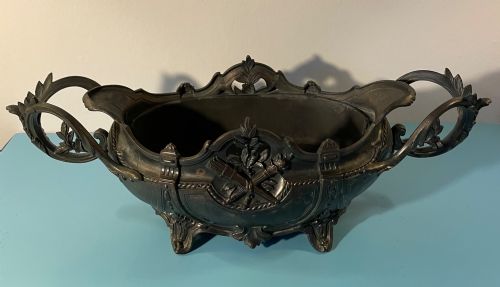
A victorian jardiniere encompasses decorative plant vessels, cachepots and plant stands designed to hold potted ferns, palms and floral arrangements in nineteenth-century interiors. These pieces appear frequently in brass, cast iron, wrought iron, mahogany and glazed ceramics such as majolica and stoneware.
The selections range from heavy metal garden urns and tripod stands to inlaid wood planters, cachepots and tiered plant holders originating from English, French and Belgian workshops. Many examples integrate decorative elements from Art Nouveau, Gothic revival and Louis XV styles.
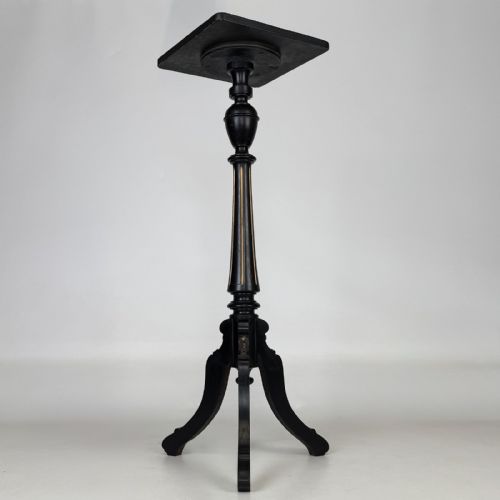
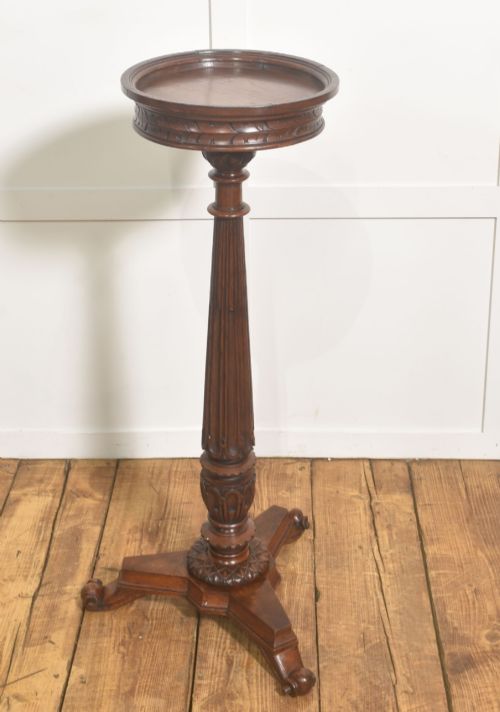
Plant stands and jardinieres served both practical and decorative functions in Victorian conservatories, drawing rooms and hallways. Buyers encounter freestanding pedestals alongside table-top vessels and floor-standing wrought iron display frames.
How They Were Made
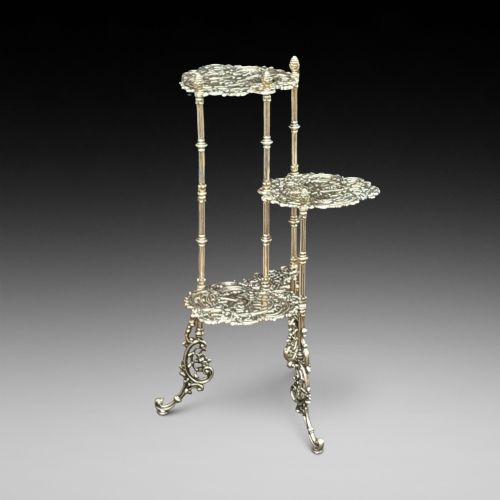
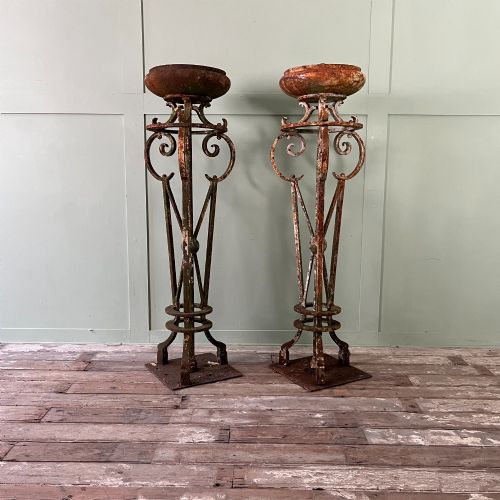
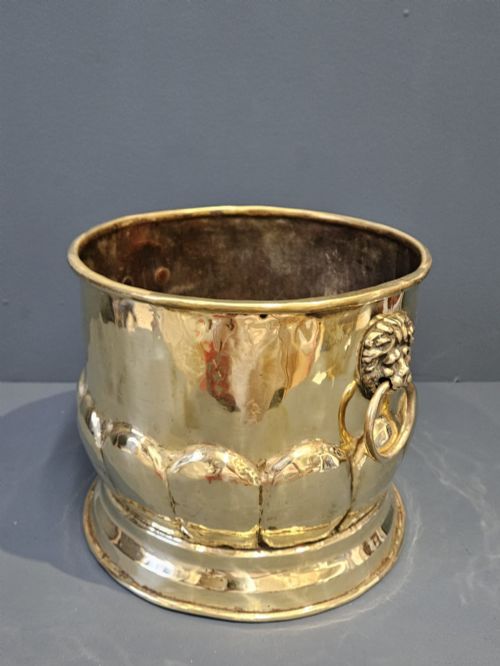
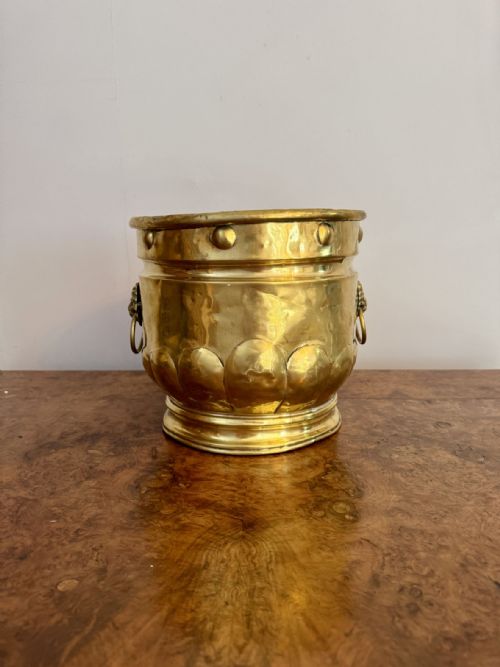
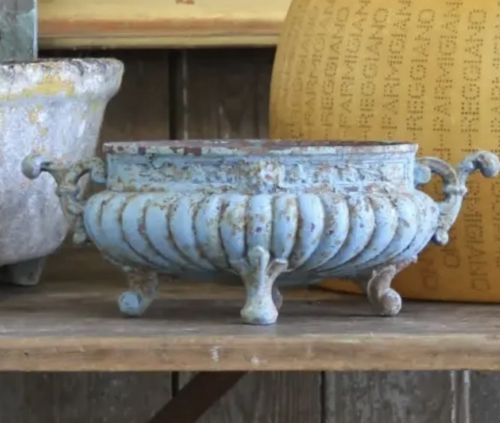
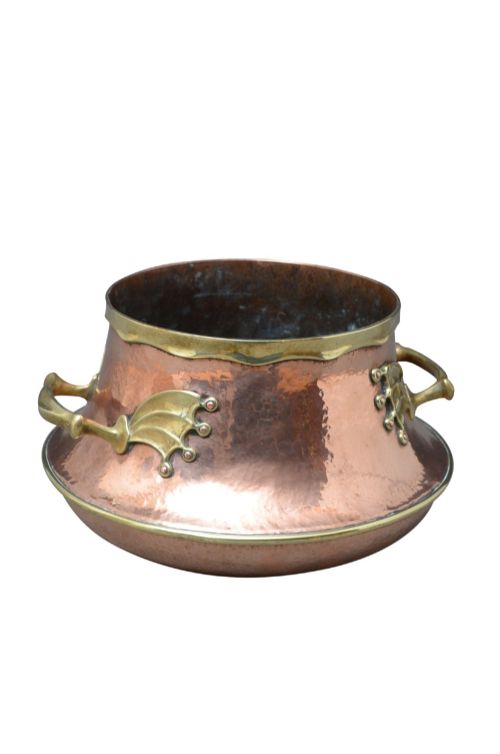
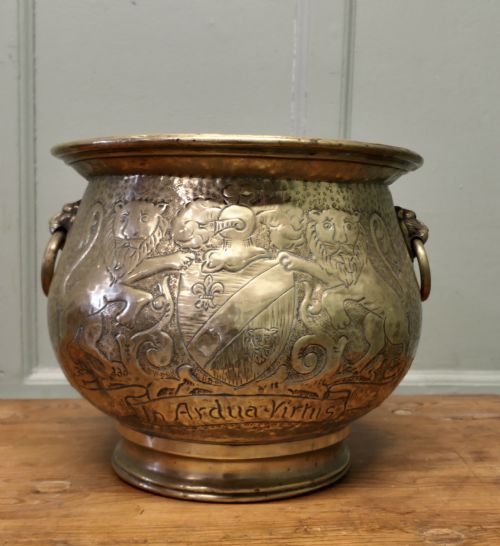
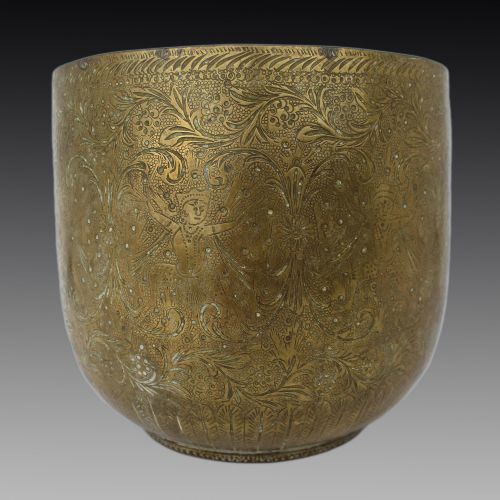
Makers utilised cast and wrought iron alongside hammered brass, copper and ormolu mounts to build structural vessels and plant stands. Metalwork often incorporates piercing, repoussé decoration, scrollwork and applied crests or shields.
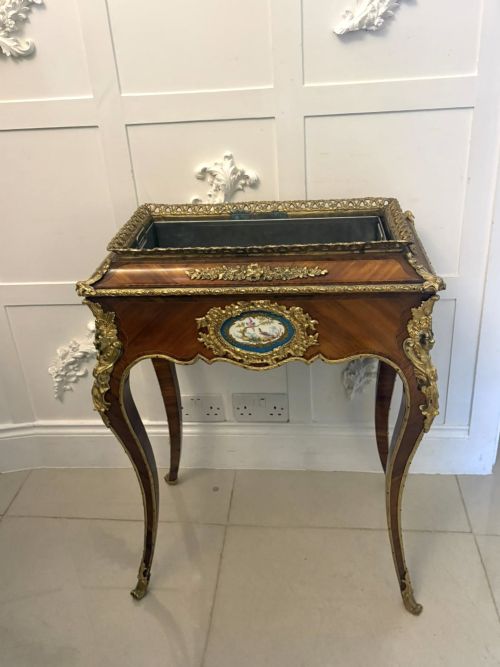
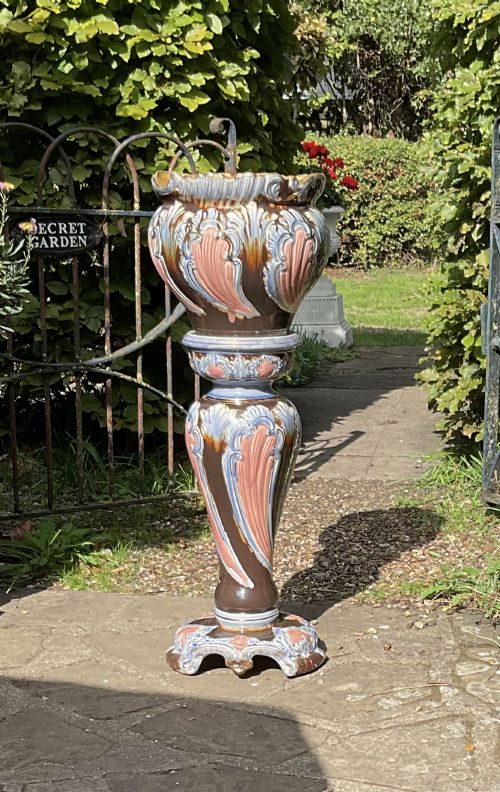
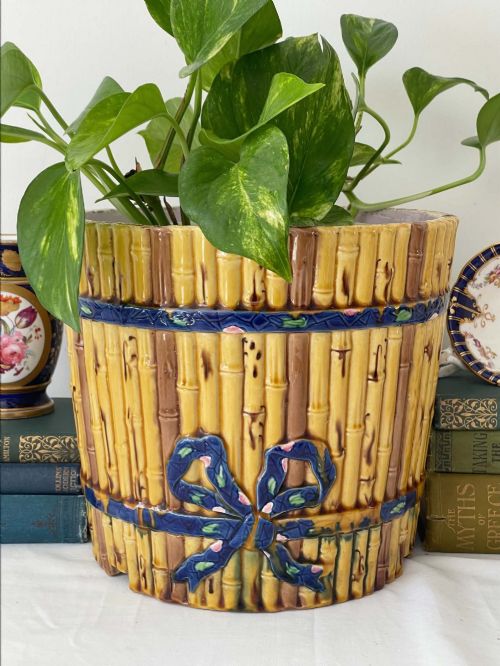
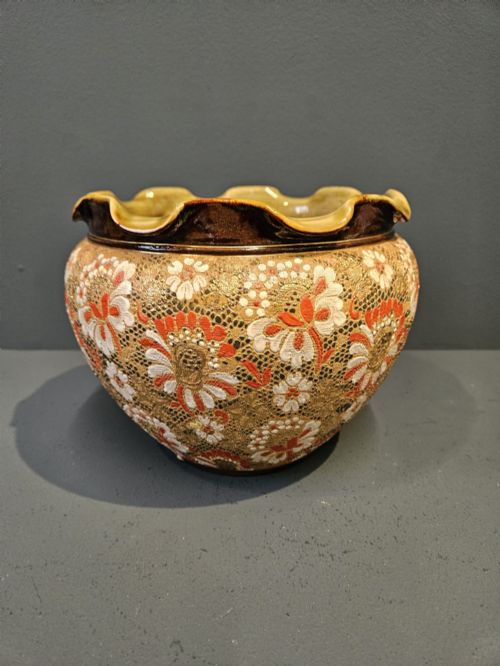
Ceramic jardinieres rely on earthenware and stoneware bodies finished with coloured glazes, including majolica and jasper ware techniques. Wood variants employ mahogany, walnut, burr walnut, ebonised timber and kingwood, frequently featuring inlay or carved details.
Materials span brass, cast iron, wrought iron, mahogany, walnut, glazed stoneware and earthenware majolica across nineteenth-century examples.
What Varies in Quality
Construction methods determine the structural integrity of metal frames and wooden stands, separating sturdy cast components from lighter fabricated assemblies. Pierced brass and hand-hammered copper display distinct levels of artisanal skill in the crispness of detail.
The refinement of surface decoration, from hand-painted majolica glazes to precise woodwork inlay and bronze ormolu mounts, defines the upper tier of execution. Makers with established potteries or foundry marks often demonstrate superior material selection.
Minton·Doulton Lambeth·William Adams and Sons·W.A. Adderley·Coalbrookdale
The Victorian Jardiniere Glossary
- Jardiniere
- An ornamental pot or stand designed to hold plants or flowers indoors or on a patio. The term derives from the French word for gardener.
- Cachepot
- A decorative pot placed over a plain flowerpot to conceal it and catch drainage water. These vessels typically lack drainage holes in the base.
- Majolica
- Low-fired earthenware covered with an opaque tin-lead glaze and painted with coloured metal oxides. This technique produced vibrant green and brown botanical vessels during the nineteenth century.
- Jasper ware
- A fine-grained, unglazed stoneware developed by Josiah Wedgwood, commonly featuring white moulded relief designs against a coloured background. Blue examples appear frequently in Victorian decorative arts.
- Ormolu
- Gilt bronze mounted onto furniture, wooden planters or ceramic bodies for decorative effect. The technique involves applying a gold-mercury amalgam to shaped brass or bronze.
- Repoussé
- A metalworking technique where the artisan hammers metal from the reverse side to form a raised design on the front. This process creates textured patterns on brass and copper vessels.
Victorian Jardiniere: Frequently Asked Questions
How were Victorian jardinieres used?
Victorians used these vessels and stands to bring outdoor greenery into interior spaces such as drawing rooms, halls and conservatories. They held potted ferns, palms and flowering plants, or functioned as decorative display pieces.
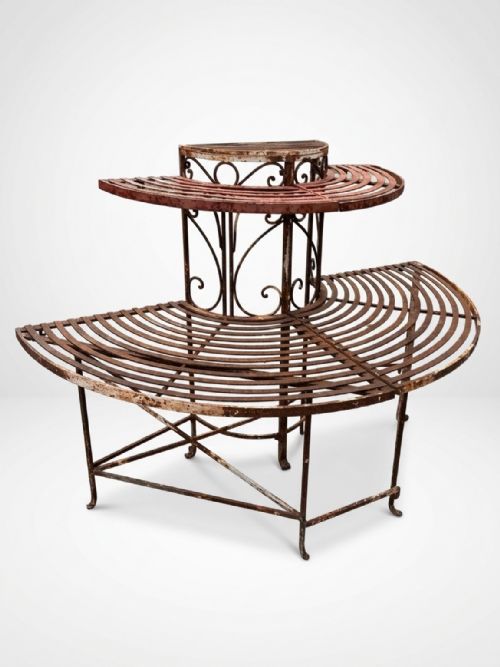
Larger floor-standing versions accommodated substantial potted plants, while smaller cachepots sat on tables or pedestals. Some multi-tiered metal stands held several plants simultaneously at varying heights.
What metals are typical for these planters?
Brass and cast iron appear frequently in nineteenth-century plant stands and jardinieres. Wrought iron provided sturdy frames for lattice baskets and scrollwork plant holders.
Copper vessels with hammered surfaces also occur, alongside ormolu mounts attached to wooden furniture pieces. Many metal items feature pierced designs or applied crests.
How do I identify Art Nouveau styles?
Art Nouveau examples display flowing organic lines, plant motifs and asymmetrical forms influenced by natural growth patterns. These designs emerged during the late nineteenth century on ceramic and metal pieces.
Makers incorporated whipped curves and stylised floral elements into the body of the planter or stand, moving away from strict geometric revival styles.
Can these planters be used outdoors?
Cast iron and wrought iron jardinieres tolerate outdoor garden environments well if treated for weather exposure. Many nineteenth-century iron urns and plant stands served specifically as patio or conservatory furniture.
Ceramic, mahogany and brass pieces require indoor placement to protect glazes, wood finishes and delicate metalwork from moisture damage and frost.