

Victorian Italian Painting
These Victorian Italian painting pieces capture nineteenth-century views and figures through period oil and watercolour works.
Victorian Italian Painting
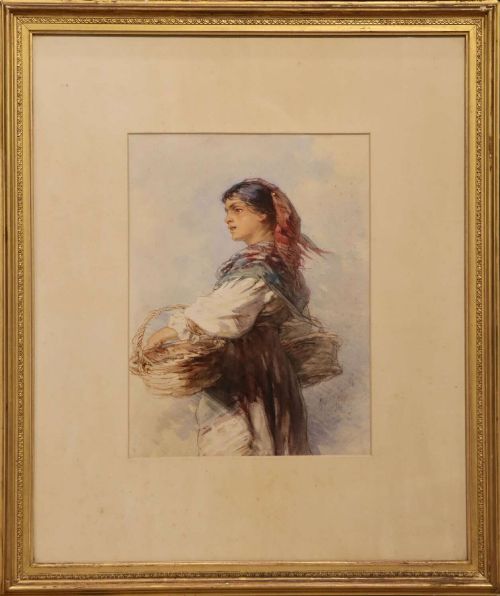
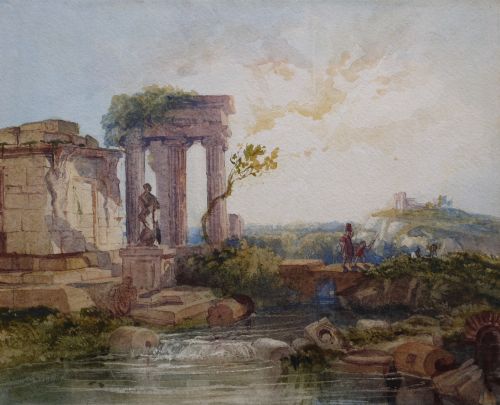
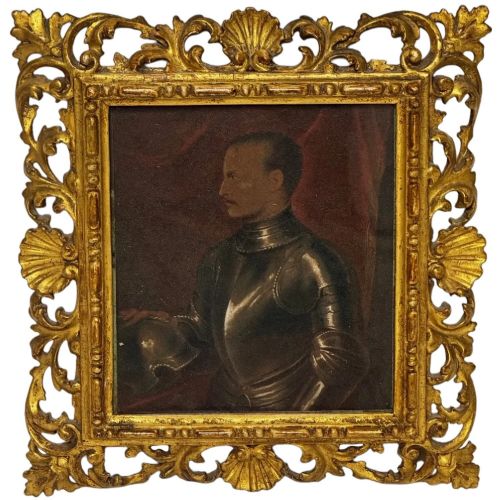
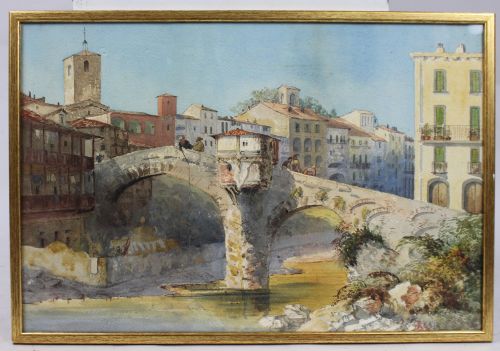
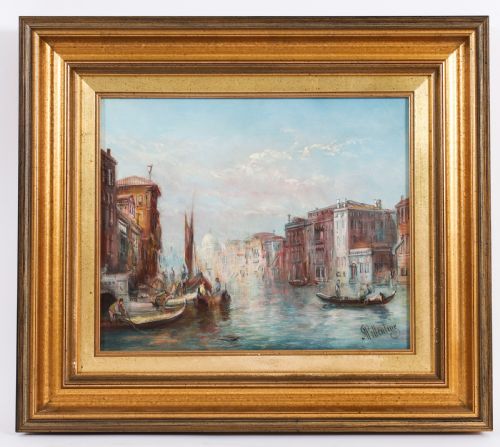
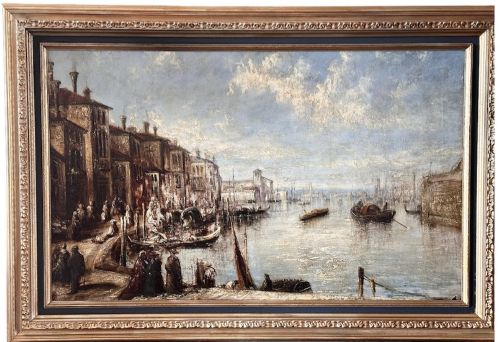
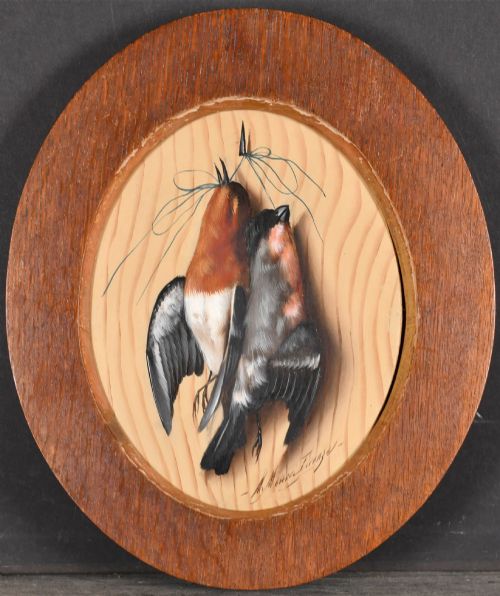
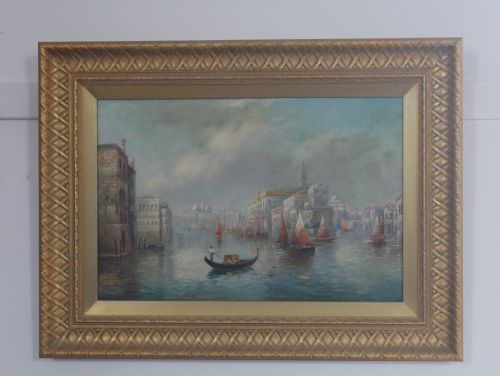
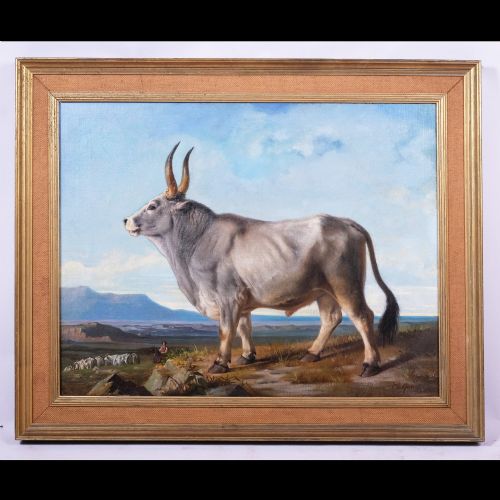
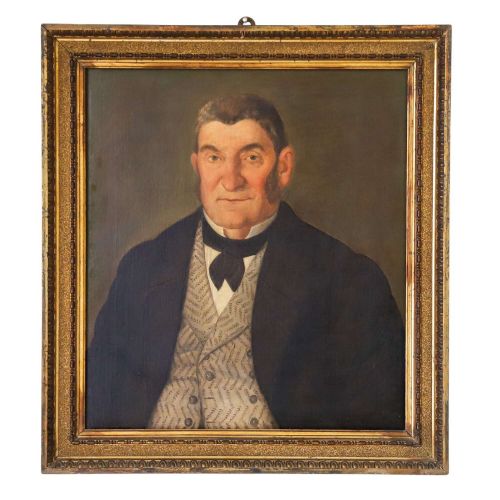
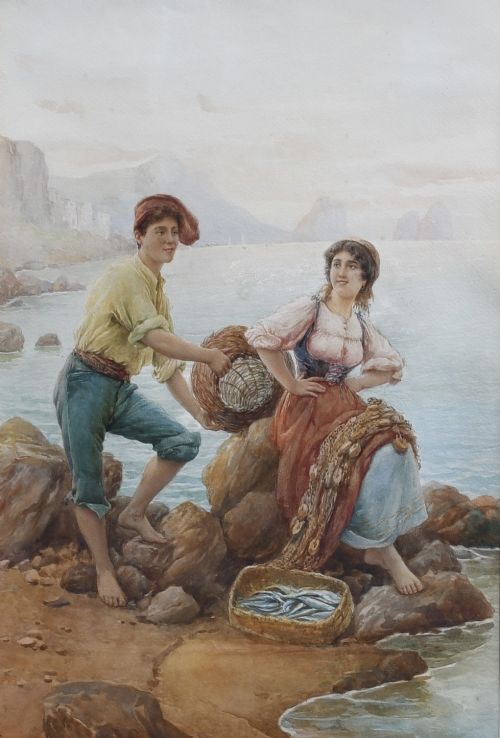
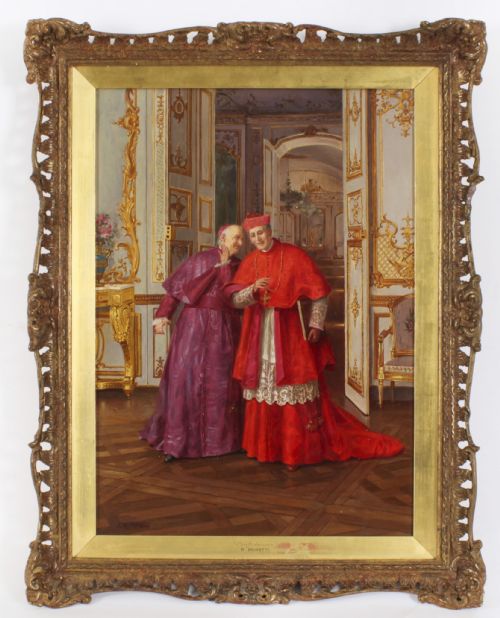
A victorian italian painting typically takes the form of framed oil on canvas or watercolour paper works produced during the nineteenth century. The subjects range from Venetian lagoon scenes and Roman antiquities to peasant figures and portraits.
Buyers will encounter landscape townscapes of the Grand Canal alongside romantic genre subjects rendered in academic or realist styles. These items reflect British taste for continental travel imagery during the Victorian era.
How they were made
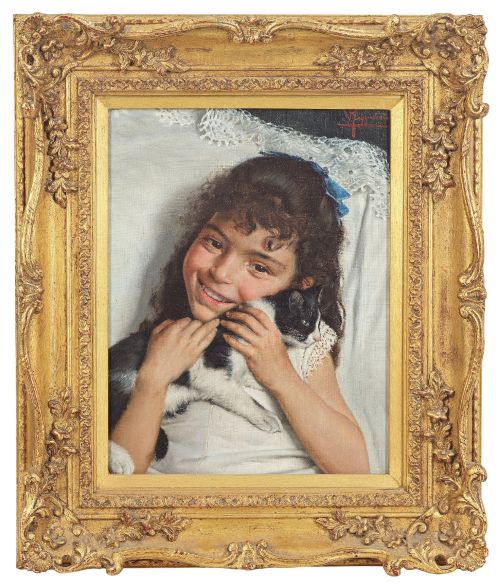
Artists utilised oil paint on stretched canvas or applied watercolours to paper, often finishing the works with giltwood frames.
The construction combines traditional European canvas preparation with detailed brushwork characteristic of nineteenth-century academic and romantic practices.
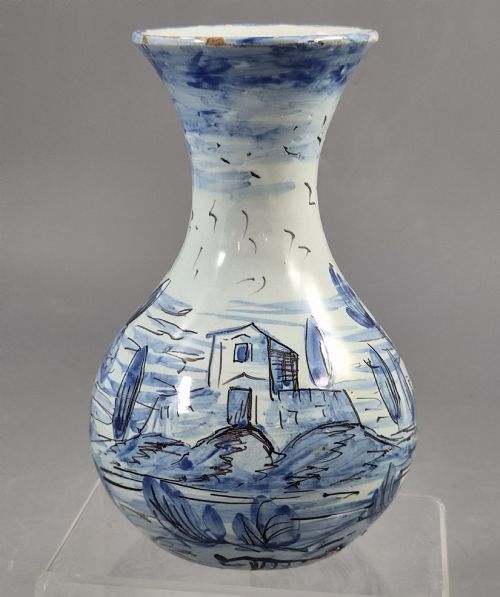
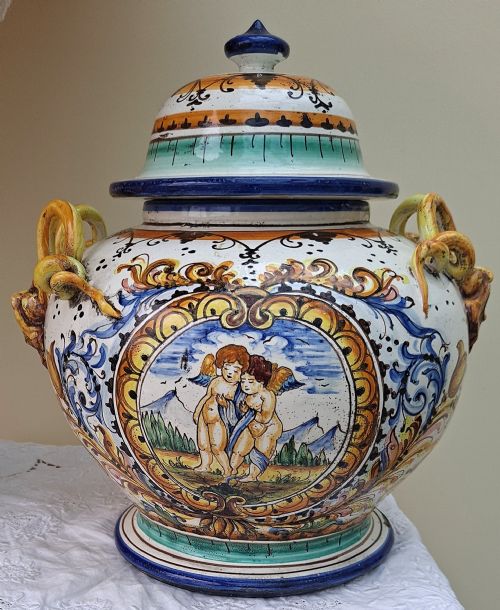
Listings combine oil on canvas and watercolour works with decorative items like maiolica vases and lacquer boxes.
What varies in quality
Quality rests in the handling of light, architectural perspective, and the liveliness of figurative elements within the composition. Works by documented named artists command greater attention than unsigned school pieces.
The preservation of the pigment and the integrity of the original frame contribute significantly to the standing of an individual work.
Guido Bach·Richard Principal Leitch·Dumini Leopoldo·Vittorio Reggianini·Gian Paolo Pace·Alfred Pollentine·Francis Moltino·Michelangelo Meucci·Filipo Indoni·Vincenzo Irolli·William Raymond Dommersen·August Heinrich Riedell·Jane Vivian·Benedetto Salviati·Hercules Brabazon Brabazon
The Victorian Italian Painting Glossary
- Oil on Canvas
- A painting medium where pigments are bound with drying oils and applied to a woven fabric support. This method allowed artists to build rich textures and deep tones.
- Watercolour
- A painting method where water-soluble pigments are used on paper. It produces translucent washes suited to capturing light on travels.
- Giltwood
- Wood carved and covered with a thin layer of gold leaf. It forms the decorative framing typical of nineteenth-century fine art.
- Academic
- Art produced under the influence of European academies of art. It follows formal rules of composition, drawing, and finish.
Victorian Italian Painting: Frequently Asked Questions
What subjects appear in these paintings?
The works depict Venetian canals, Roman ruins, rustic landscapes, and local peasant figures encountered by travellers in Italy.
Scenes of the Grand Canal and the Doge's Palace recur frequently alongside intimate portraits and genre studies.
How do watercolours differ from oils here?
Watercolour paintings utilise paper supports and offer lighter, more translucent renderings of Italian light and atmospheric conditions.
Oil paintings on canvas provide heavier textures and deeper chromatic ranges suited to grand townscapes and formal portraits.
Which periods do these items date from?
The listings span the nineteenth century, with particular concentrations around the eighteen-seventies and eighteen-eighties.
This era aligns with the height of the Grand Tour and Victorian collecting habits regarding continental art.
How should I display a giltwood frame?
These frames require placement away from direct sunlight and excessive humidity to preserve the delicate gold leaf finish.
Proper wall anchoring is essential due to the combined weight of the wooden frame and the canvas.