


Victorian Iron Fire Guard
A victorian iron fire guard brings solid period weight and architectural protection to a hearth, keeping sparks safely contained.
Victorian Iron Fire Guard
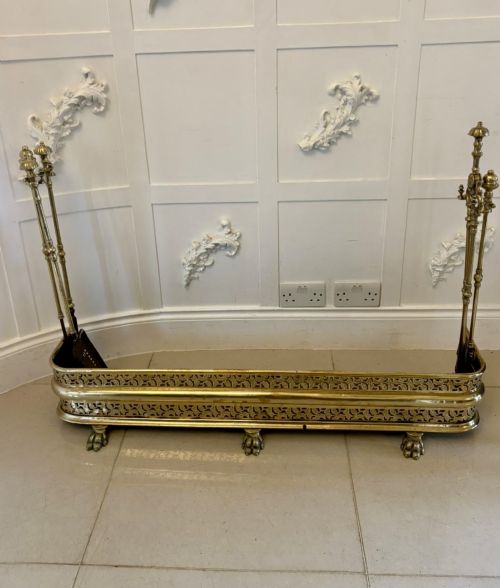
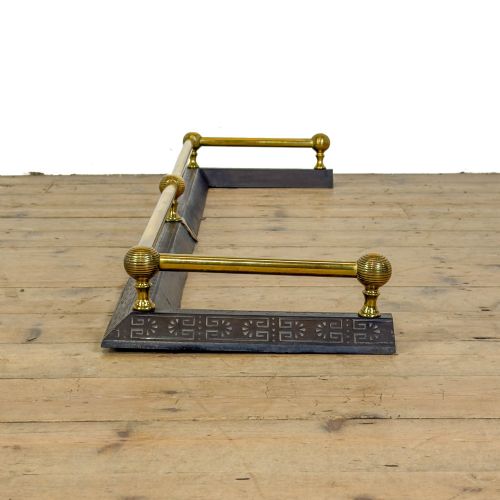
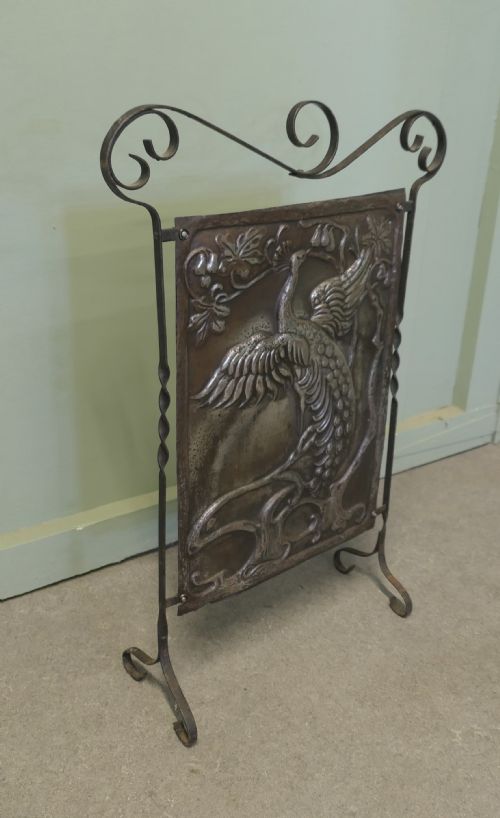
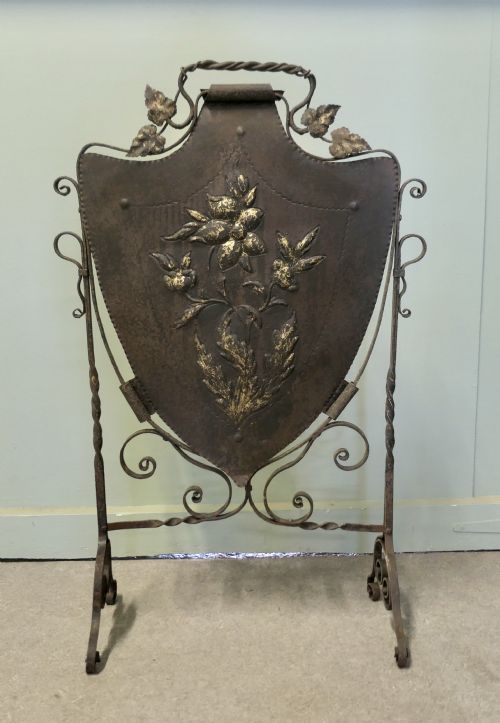
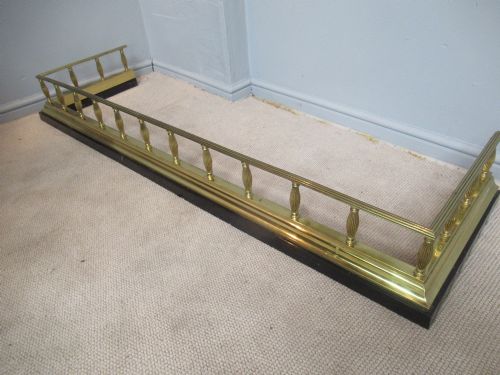
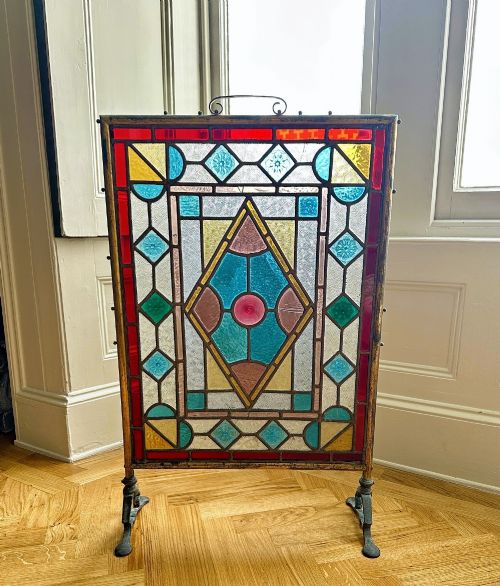
A victorian iron fire guard encompasses heavy hearth protection pieces designed to shield rooms from stray embers. The selection ranges from folding screens to low hearth surrounds and nursery enclosures.
The pieces appearing on this page stem predominantly from the nineteenth century, including Victorian, Edwardian, and Georgian eras. Makers and designers utilised durable metals to create functional barriers that doubled as decorative focal points.
Forms include freestanding fire screens, heavy nursery guards with mesh or rails, and adjustable fender combinations. Each type served a distinct domestic purpose in controlling open coal fires.
How they were made
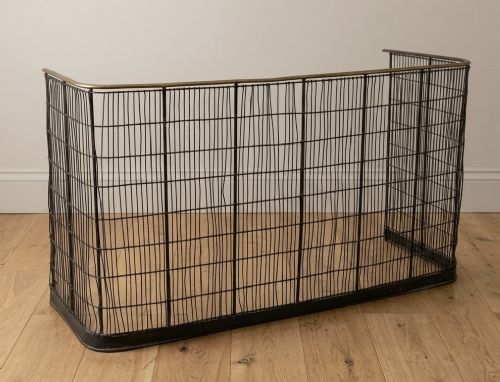
Construction relies heavily on iron, cast iron, and wrought iron, frequently paired with brass or steel frames. Wire mesh often forms the protective barrier on nursery guards, allowing heat to radiate while stopping sparks.
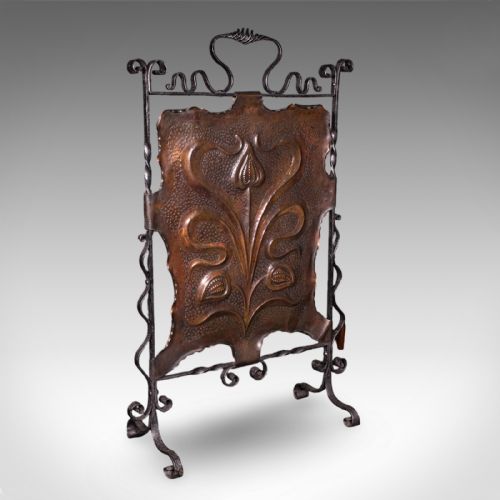
Craftsmen shaped metal through forging and casting, incorporating decorative elements such as copper panels, stained glass inserts, and bronze or brass embellishments. Sturdy joints and heavy feet ensured stability around active hearths.
The listings on this page span several materials, including cast iron, wrought iron, steel, brass, copper, and wire mesh.
What varies in quality
Substance and heft dictate the tier of a guard, with heavier cast and wrought iron examples offering superior structural integrity. The refinement of decorative details, such as hand-beaten copper or intricate Gothic scrollwork, separates standard items from exceptional ones.
The Victorian Iron Fire Guard Glossary
- Fire guard
- A protective barrier placed in front of an open fireplace to contain sparks and ash. These items range from low mesh panels to tall folding screens.
- Nursery fender
- A tall enclosure designed specifically to keep children and pets at a safe distance from hot hearths. They frequently include top rails or wire mesh.
- Club fender
- A low, padded hearth seat framed in metal, often combining brass, steel, and leather. They provide seated warmth directly beside the fire.
- Gothic Revival
- An architectural and decorative style drawing inspiration from medieval design. Pieces often feature pointed arches, heavy ironwork, and solemn shields.
Victorian Iron Fire Guard: Frequently Asked Questions
What is a nursery fender?
A nursery fender is a tall protective enclosure built around a hearth to prevent children or pets from coming too close to an open fire. They often feature fine wire mesh and integrated top rails.
These pieces were essential safety items in nineteenth-century homes, combining high metal barriers with stable floor-standing frames.
How do I use a fire guard?
Place the guard directly in front of the fireplace opening while a fire is burning or cooling to catch stray sparks and embers. Freestanding designs allow for easy positioning and removal as needed.
Ensure the base sits level on the hearth stone to maintain stability during use.
What metals were used?
Iron, cast iron, and wrought iron form the structural core of these pieces, frequently combined with brass, steel, and copper. Decorative highlights often incorporate bronze and stained glass.
Different metals were chosen for their heat resistance, weight, and decorative contrast against the hearth.
How do I date a guard?
Dating relies on stylistic clues such as Arts and Crafts motifs, Gothic Revival arches, or Art Nouveau curves, alongside material combinations like iron and brass. Nineteenth-century examples often display distinct casting techniques and heavier metal gauges.
Comparing construction methods with documented period pieces helps narrow down the manufacturing era.