
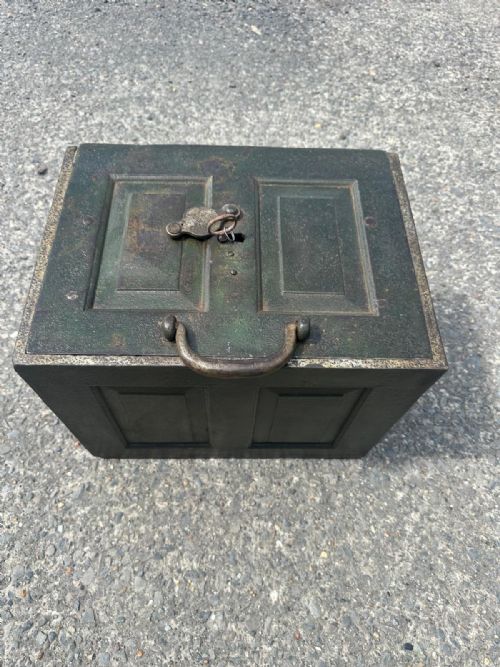
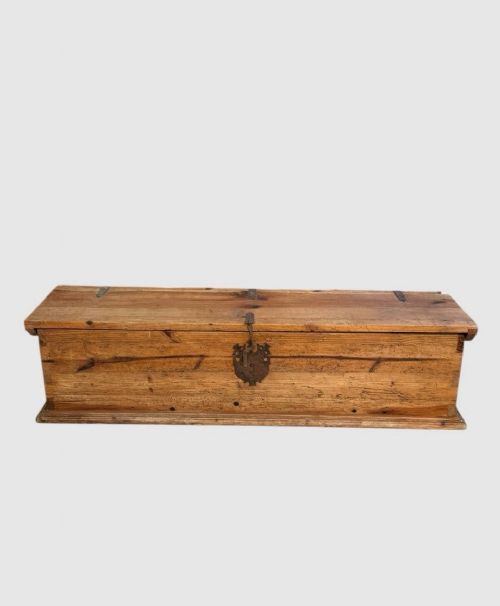
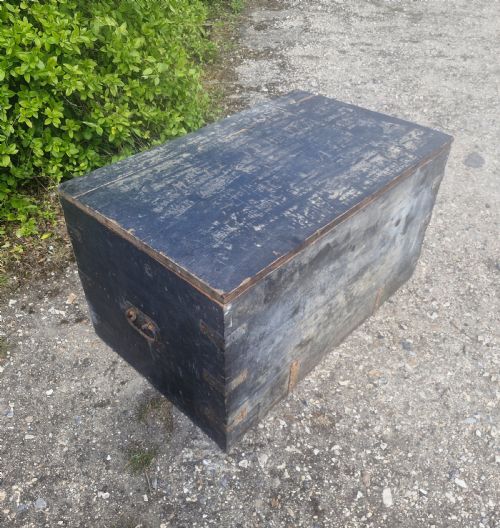

Victorian Iron Chest
A victorian iron chest brings rugged utility and heavy metal banding into modern rooms, offering robust storage built to endure centuries.

Victorian Iron Chest
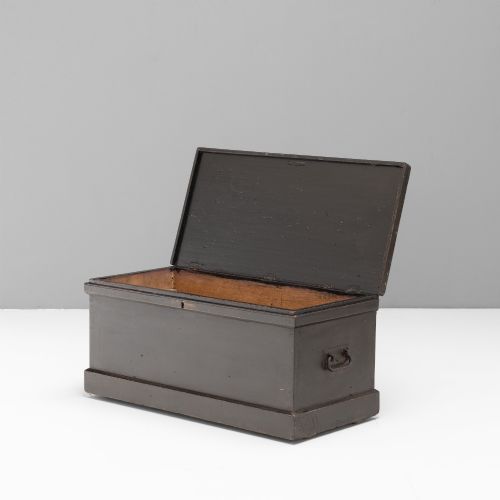
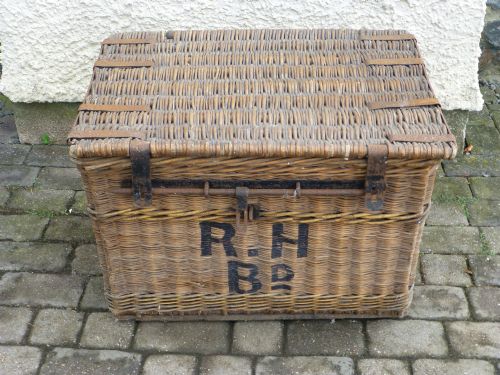
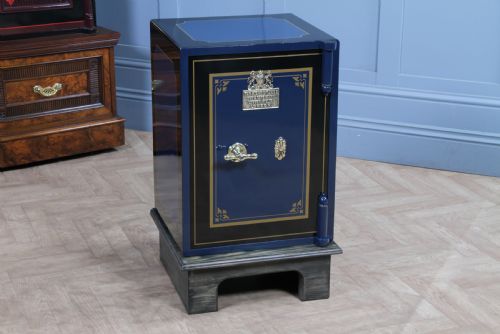
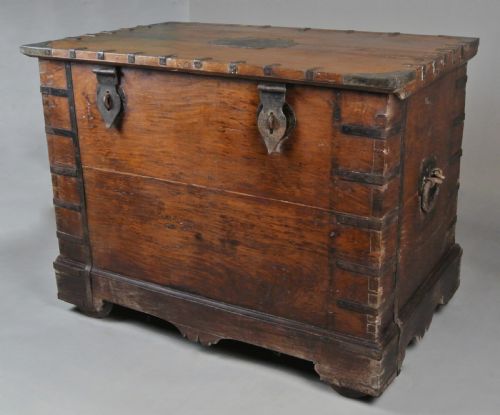
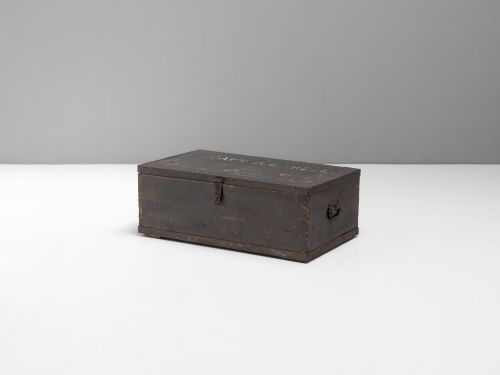
A victorian iron chest encompasses heavy storage vessels built during the nineteenth century, including silver chests, campaign trunks, and reinforced pine or oak boxes banded in metal. These pieces originated to protect valuables, transport military equipment, or secure household silver across rugged terrain.
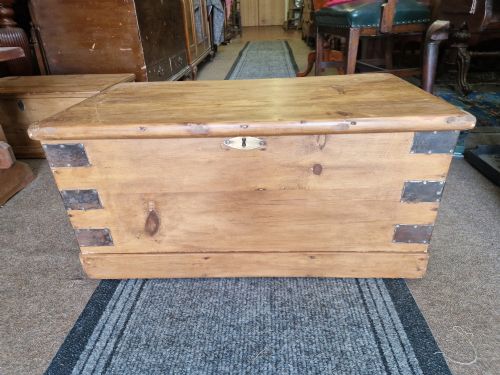
Most examples encountered here combine sturdy timber construction with iron straps, corner braces, and secure locking mechanisms. They function today as coffee tables, blanket boxes, or statement storage in rustic and industrial interiors.
Materials and Construction
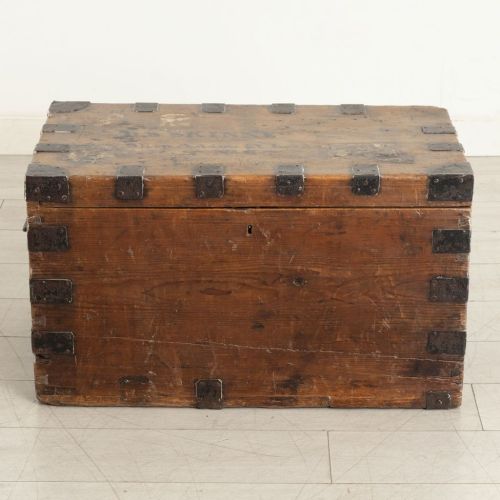
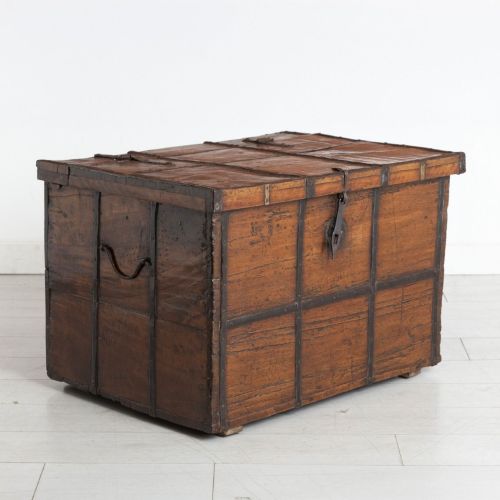
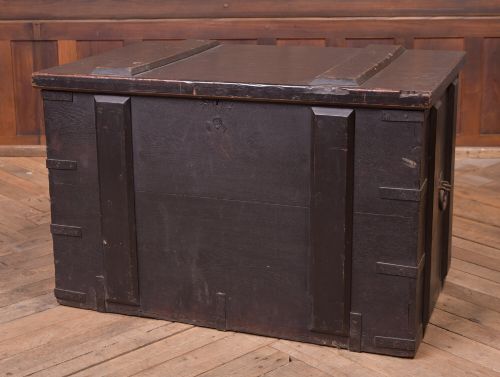
Carpenters built the primary carcase from dense hardwoods like oak and teak, or durable domestic conifers such as pine, joined tightly to withstand heavy transit. Blacksmiths and metalworkers then added heavy iron or steel bands, riveted straps, and brass or cast iron corner mounts for structural rigidity.
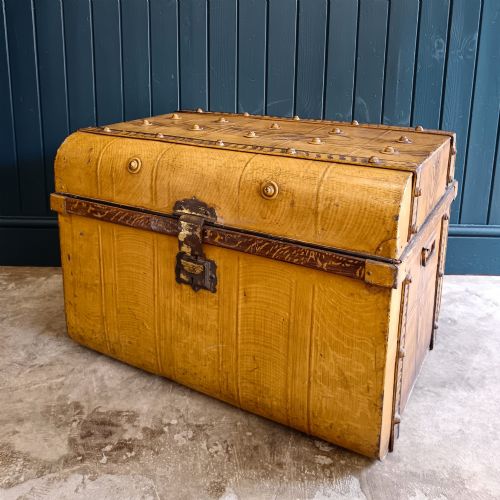
Makers integrated complex locking mechanisms, often featuring patent iron locks or brass hardware stamped by makers such as Milners or Tanns. Surface finishes ranged from natural waxed timber and painted faux-wood to robust metal plating and vibrant internal linings.
The listings combine pine, oak, teak, and elm carcases with iron, steel, and brass banding across nineteenth-century forms.
Factors of Quality
The distinction between standard utility boxes and top-tier pieces rests on the integrity of the original hardware and the density of the timber. Original iron banding, intact working locks with keys, and dense hardwoods like oak elevate a piece significantly above simpler pine trunks.
Maker provenance and specialised intended use, such as custom-fitted silver chests bearing retailer plaques or military regiments, separate mass production from bespoke craftsmanship.
Tanns Defiance London·Elkington·Milners of Liverpool·Thomas Hudson of Manchester
The Victorian Iron Chest Glossary
- Silver chest
- A heavy timber box reinforced with iron or steel bands, originally designed to transport and store family silver plate securely. These interiors often feature partitioned baize-lined trays.
- Campaign trunk
- A portable storage case built for military officers or travellers during the nineteenth century, featuring recessed carrying handles and durable metal corners.
- Strongbox
- A compact, heavy iron or cast iron locking safe designed to protect currency and vital documents from theft or fire. They frequently incorporate intricate internal lever locks.
- Strapwork
- The decorative and structural bands of iron or steel riveted across the exterior of wooden chests to prevent splitting. This metalwork defines the industrial aesthetic.
- Toleware
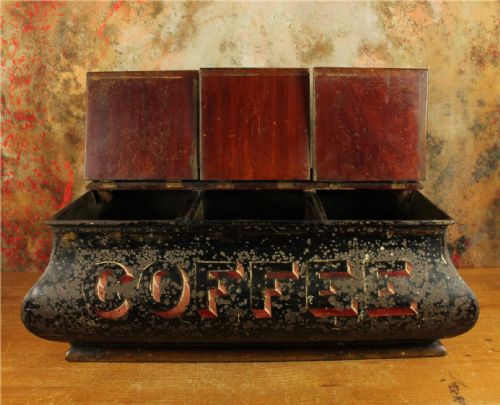
- Lacquered or enamelled metal objects produced in the Victorian period, appearing in storage boxes and domestic compartments.
Victorian Iron Chest: Frequently Asked Questions
How were these chests originally used?
These chests served demanding transport and security roles, housing military uniforms, valuable silver services, or business ledgers during transit.
Officers, merchants, and wealthy households relied on their reinforced construction to protect contents against rough handling and moisture.
Can I use an iron chest as a coffee table?
Their flat lids and robust wooden structures make them ideal for modern living spaces as practical coffee tables with hidden storage.
Placing a tray on top protects the aged timber and iron surfaces from daily wear.
How do I care for the iron banding?
Maintain the metalwork by applying a light microcrystalline wax to prevent oxidation while preserving the dark industrial patina.
Avoid harsh liquid cleaners that might strip the historic surface finish or stain the surrounding timber.
What woods were commonly used?
Pine appears frequently in travelling trunks and blanket boxes due to its lighter weight and wide availability during the Victorian era.
Oak and teak were reserved for heavy silver chests and dowry boxes requiring superior load-bearing strength.