




Locking Iron Chest
A locking iron chest is a heavy-duty container built for security, and you want one for its robust metalwork and history.

Locking Iron Chest
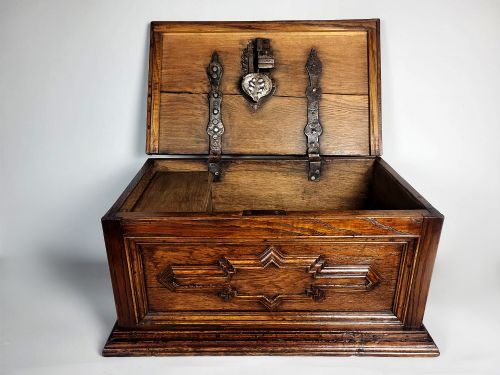
A locking iron chest serves as a secure storage container designed to protect valuables, documents, and currency. When exploring options for a locking iron chest, buyers encounter forms ranging from heavy cast iron safes to iron-banded trunks and reinforced wooden coffers.
The selections span multiple centuries, originating from the sixteenth century through the nineteenth century and into nineteen hundred. Continental and English origins dominate, with pieces reflecting stylistic influences from Spanish Colonial, Flemish Renaissance, and Vernacular Country traditions.
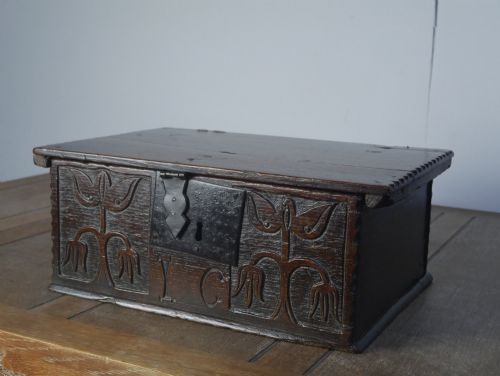
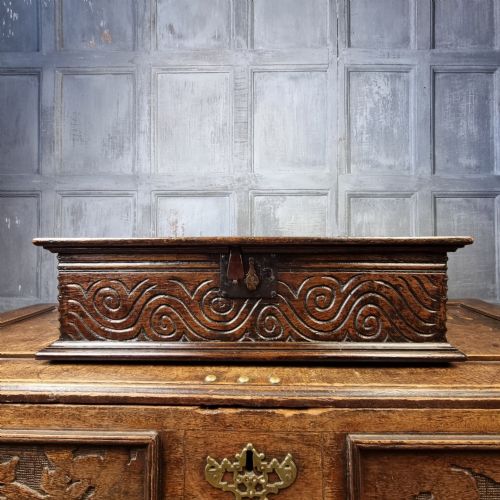
Common variants on this page include strongboxes, bible boxes, blanket chests, and patent safes fitted with functional locking mechanisms. Oak, elm, and pine provide wooden bodies, while iron, steel, brass, and wrought iron form the structural bands and locking mechanisms.
How they were made
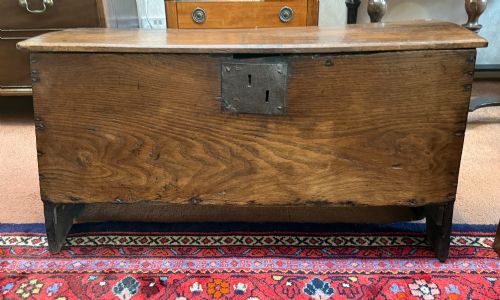
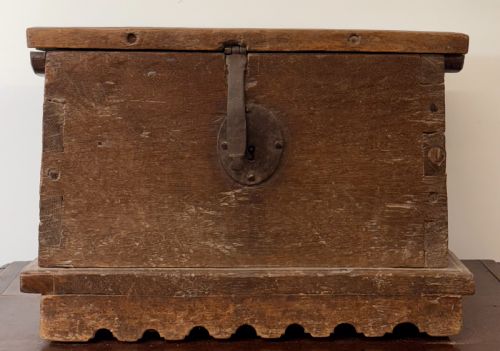
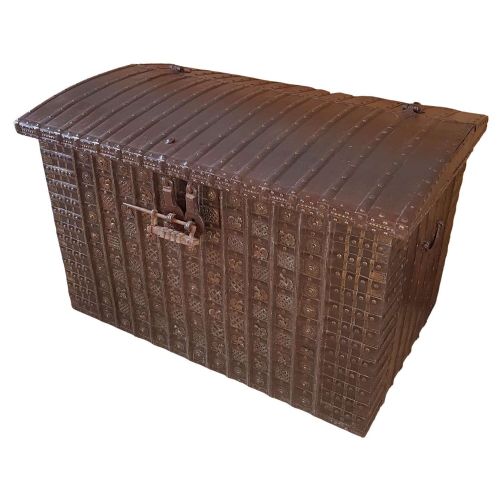
Makers constructed these pieces using heavy timbers such as oak, elm, walnut, and pine, joined by traditional methods like six-plank construction or paneling. Blacksmiths reinforced these wooden bodies with straps of wrought iron and cast iron, creating robust barriers against intrusion.
Locksmiths integrated complex steel locks into the lids and front panels, often featuring intricate internal levers and mechanisms operated by specialised keys. Additional materials like leather and brass provided decorative finishes and protective layers on select continental and domestic examples.
Some carpenter's toolboxes double as heavy locking chests, keeping centuries-old chisels locked away securely.
What varies in quality
The integrity of the primary materials and the preservation of original surfaces also determine distinction. Pieces retaining their early iron banding, patinated oak or elm timber, and original keys hold greater historical weight than heavily altered examples.
Milners of Liverpool·George Price
The Locking Iron Chest Glossary
- Armada chest
- A heavy iron storage box reinforced with exterior straps, historically utilised for naval pay and shipboard storage. These chests typically feature complex locking mechanisms concealed beneath the lid.
- Bible box
- A small desk box or chest originally built to store sacred texts and personal documents. These items often feature sloping lids and compact proportions suited for tabletops.
- Strongbox
- A secure container cast or forged from heavy metal, designed to hold currency and high-value items. They frequently incorporate patent locks and internal iron reinforcement.
- Six-plank coffer
- A simple chest constructed from six distinct boards joined at the edges with pegs or nails. This method represents an early and enduring form of vernacular woodworking.
- Damchiya
- A traditional dowry chest originating from regions like Rajasthan, often embellished with iron banding and intricate decorative panels. These pieces served both storage and ceremonial functions in domestic settings.
Locking Iron Chest: Frequently Asked Questions
What is a locking iron chest?
A locking iron chest is a secure container built from metal, or heavily reinforced with iron bands, designed to protect valuable goods and documents.
These pieces range from early Armada chests and strongboxes to Victorian iron safes and reinforced wooden coffers.
How were locking iron chests used?
They served primarily to safeguard currency, important documents, and precious items against theft and fire in homes, businesses, and ships.
Owners often kept them in studies, offices, or secure chambers, relying on heavy locks and metal reinforcement for protection.
How do I live with a locking iron chest?
These chests function well as heavy coffee tables, side tables, or statement storage pieces in studies and living rooms.
Their substantial weight requires sturdy placement, but their durable construction makes them practical for everyday use.
How do I date a locking iron chest?
Dating relies on examining construction techniques, timber species, style markers, and the evolution of the locking mechanism.
Early pieces show hand-forged ironwork and pegged joinery, while Victorian examples feature cast iron bodies and patent locking systems.