
Victorian Inlay Bookcase Cabinet
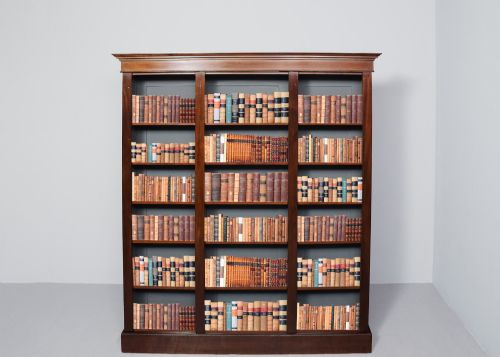
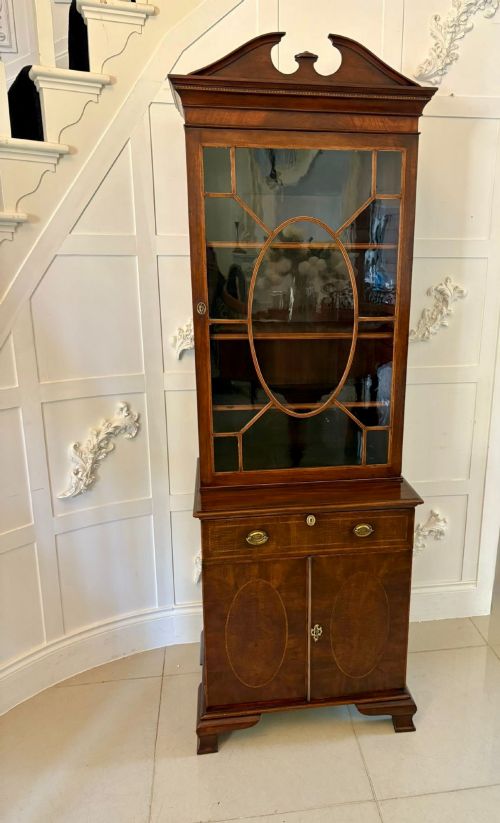
A victorian inlay bookcase cabinet brings together timber and glass to display and store volumes with architectural presence.
Victorian Inlay Bookcase Cabinet
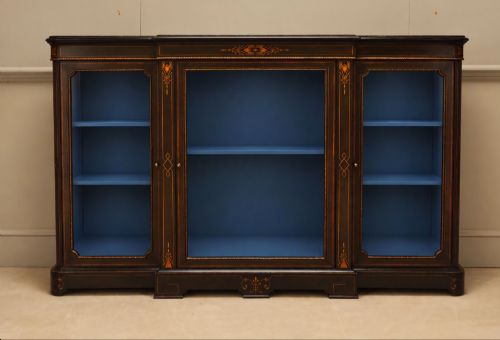
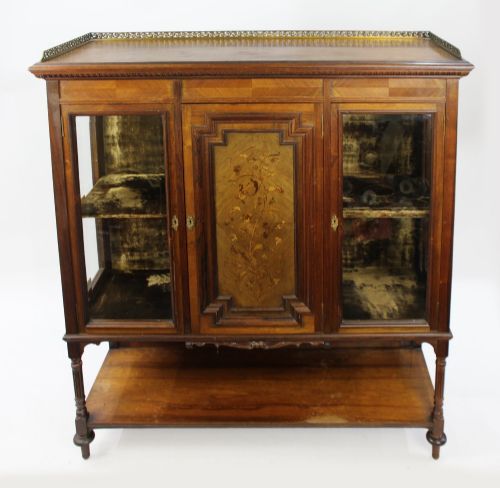
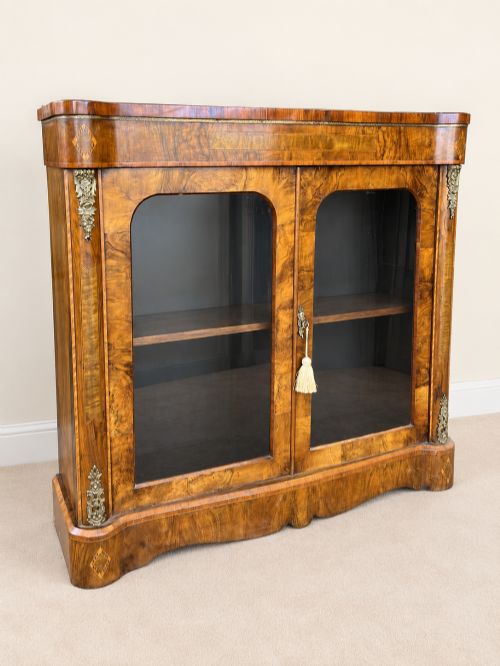
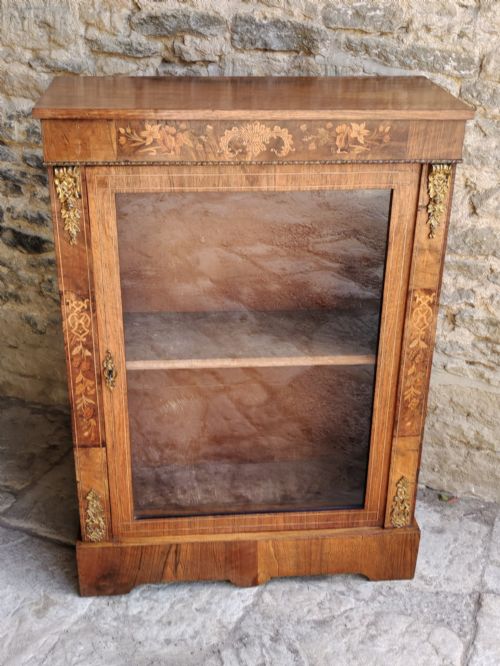
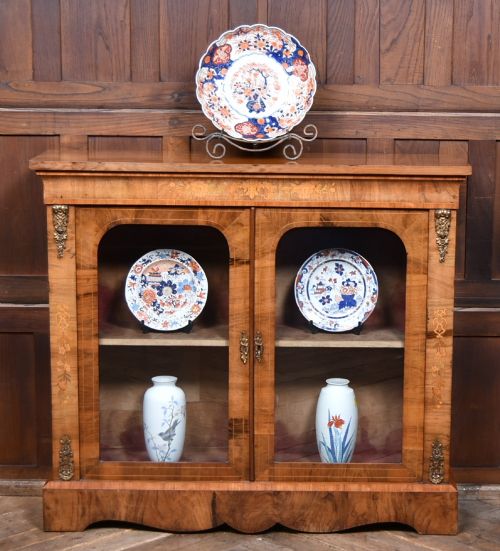
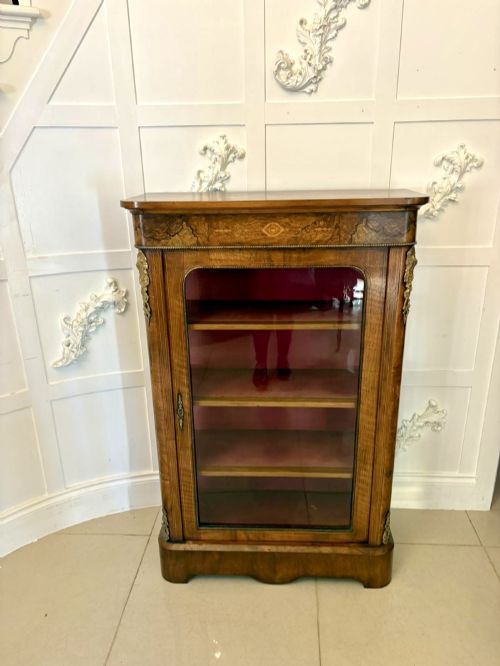
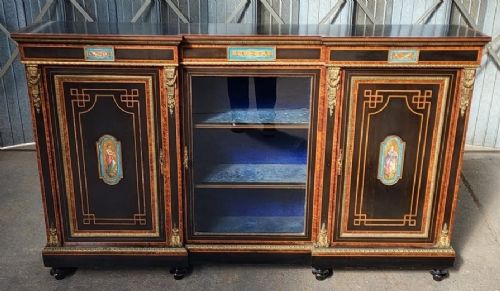
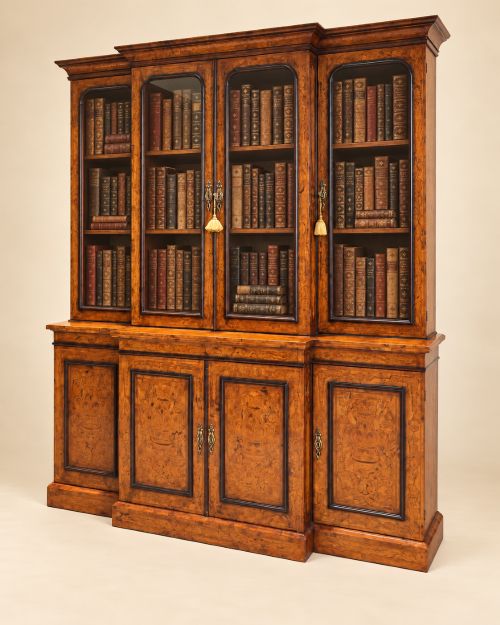
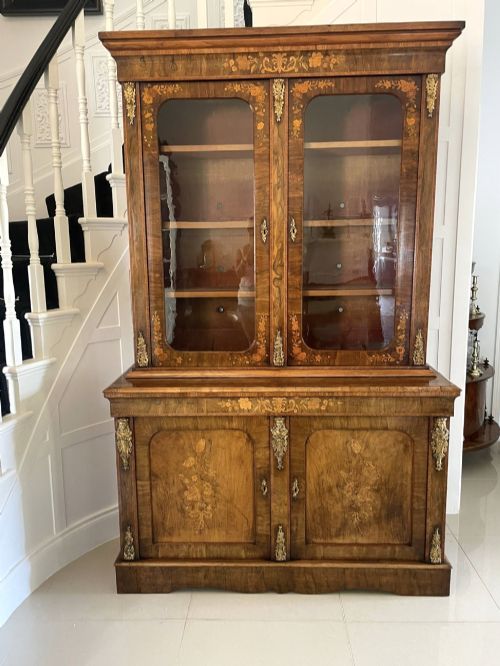
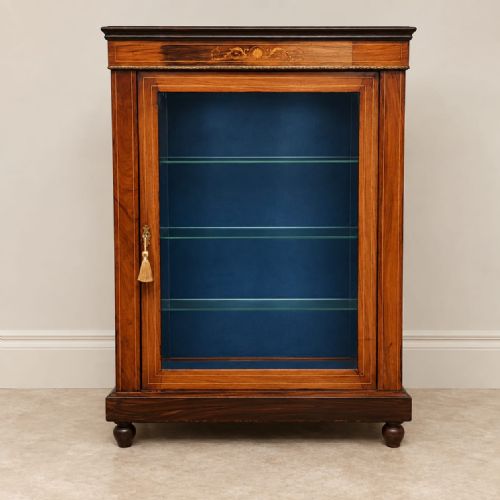
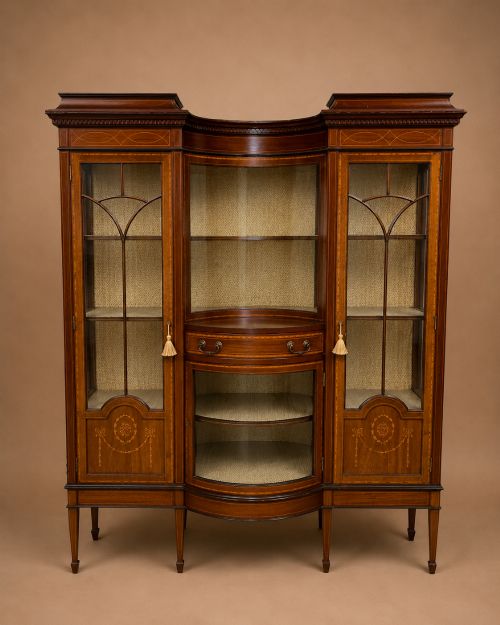
When you search for a victorian inlay bookcase cabinet, you encounter pieces spanning the nineteenth century, with walnut and mahogany forms predominating. These items range from compact pier cabinets to large breakfront bookcases designed for domestic libraries and drawing rooms.
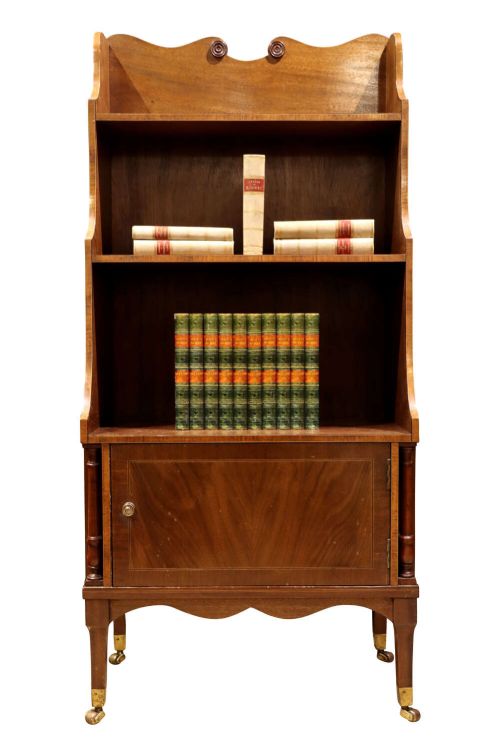
The selection includes specific variations such as open bookcases, side cabinets, and display cases fitted with glazed doors. Many pieces originate from the Victorian era proper, supplemented by related examples from the late nineteenth century.
Maker attributions and firm pieces appear alongside standard Victorian workshop production, offering options from simple narrow cabinets to elaborate multi-door units.
Materials and construction
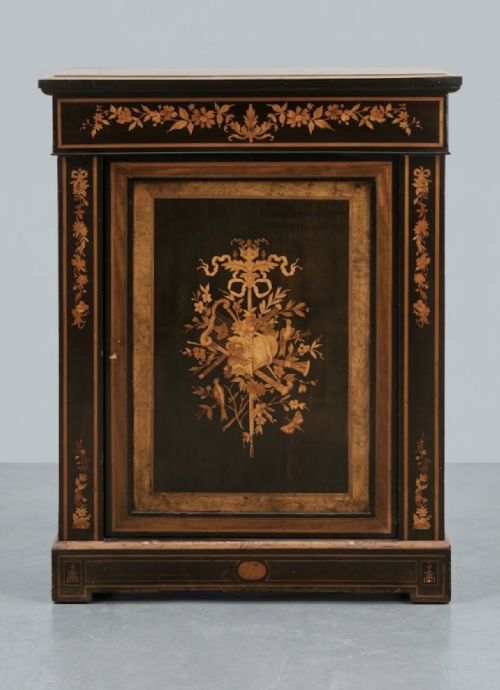
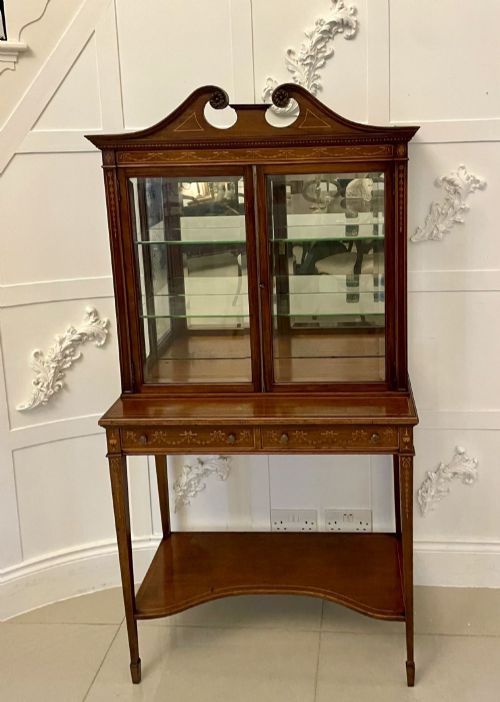
Makers utilised solid timbers and decorative veneers, notably burr walnut, mahogany, satinwood, and rosewood, applied to robust carcases. Inlay work frequently incorporates contrasting woods, satinwood, and mother-of-pearl to form geometric or botanical motifs.
Metal mounts in brass and ormolu often accent the corners, doors, and feet of more elaborate specimens. Glass panels are set into framed doors to protect the contents while maintaining visibility.
Castors in brass support mobile pieces, and structural elements employ traditional joinery suited to heavy timber furniture.
Periods represented span the Victorian era, the wider nineteenth century, and select eighteenth-century styles.
The standard of craftsmanship
Quality reveals itself in the choice of timber veneer, such as richly figured burr walnut or select mahogany, matched symmetrically across the door panels and drawer fronts. The precision of the marquetry inlay and the crispness of any carving dictate the standing of a piece.
Mounts cast in ormolu or solid brass show sharper detail and heavier gauge metal on superior examples. Internal fittings, drawer linings in secondary timbers, and the smooth operation of doors and locks reflect the original tier of manufacture.
Edwards and Roberts·Collinson and Lock·Lamb of Manchester
The Victorian Inlay Bookcase Cabinet Glossary
- Pier cabinet
- A low freestanding cabinet designed to fit narrow wall spaces between windows or doors. These often feature single glazed doors and inlaid tops.
- Marquetry
- Decorative patterns formed by fitting together thin slices of various coloured woods and veneers into a background panel. This technique creates pictorial or geometric designs across the door fronts.
- Breakfront
- A piece of furniture where the central section projects forward from the flanking wings. This architectural arrangement adds depth and visual interest to larger bookcases.
- Ormolu
- Gilded bronze mounts and ornaments applied to furniture frames and doors. The metal is cast and chased before receiving its gold finish.
- Ebonised
- Timber treated to imitate ebony, usually through staining or painting. This finish creates a dark, uniform surface popular in nineteenth-century decorative schemes.
Victorian Inlay Bookcase Cabinet: Frequently Asked Questions
What is a pier cabinet?
A pier cabinet is a narrow piece of furniture designed to stand against the wall space between windows. They typically feature a single glazed door enclosing shelves for display.
These cabinets served as focal points in Victorian drawing rooms for displaying porcelain and small ornaments.
How do I distinguish walnut from mahogany?
Walnut displays a rich brown colour with prominent grain patterns and often swirling burr figures. Mahogany tends to be darker reddish-brown with a straighter, tighter grain.
Both timbers were standard in nineteenth-century cabinet making but offered different visual textures.
Where were these cabinets used?
Bookcase cabinets belonged in libraries, studies, and formal reception rooms where books and collections needed protection from dust. Smaller display cabinets sat in drawing rooms to exhibit decorative objects.
Their placement depended on the size of the room and the social function of the space.
What is marquetry inlay?
Marquetry is the art of assembling small pieces of veneer to create pictures or geometric designs on furniture surfaces. Craftsmen cut contrasting woods to fit precisely into a background veneer.
This technique decorated the doors and friezes of finer nineteenth-century cabinets.