




Antique Maple Bookcase
An antique maple bookcase brings warmth and distinct grain to a room, offering practical shelving paired with nineteenth and twentieth-century cabinetmaking.
Antique Maple Bookcase
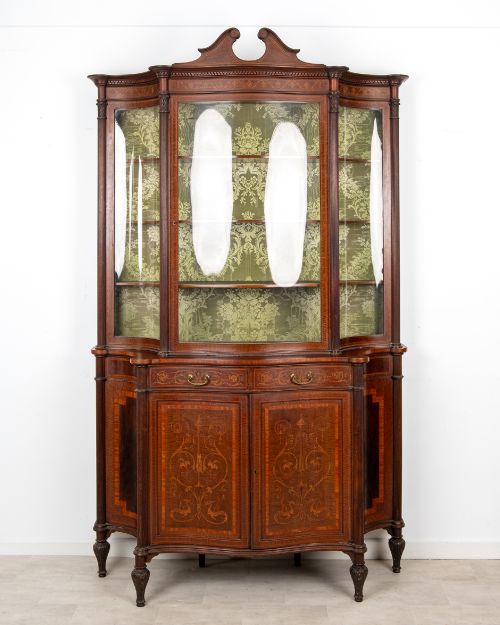
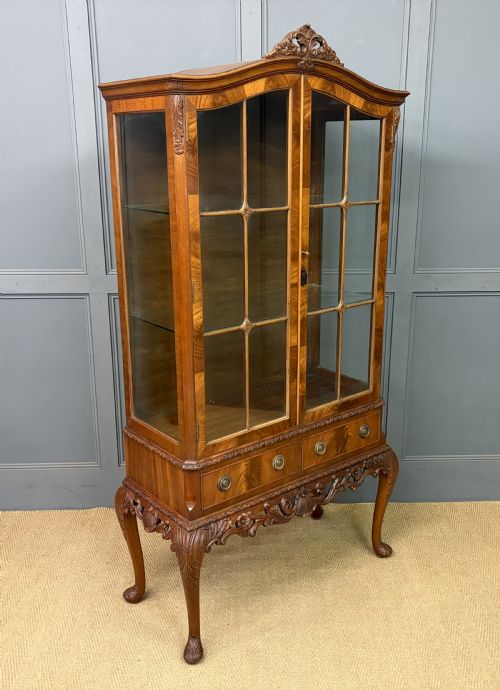
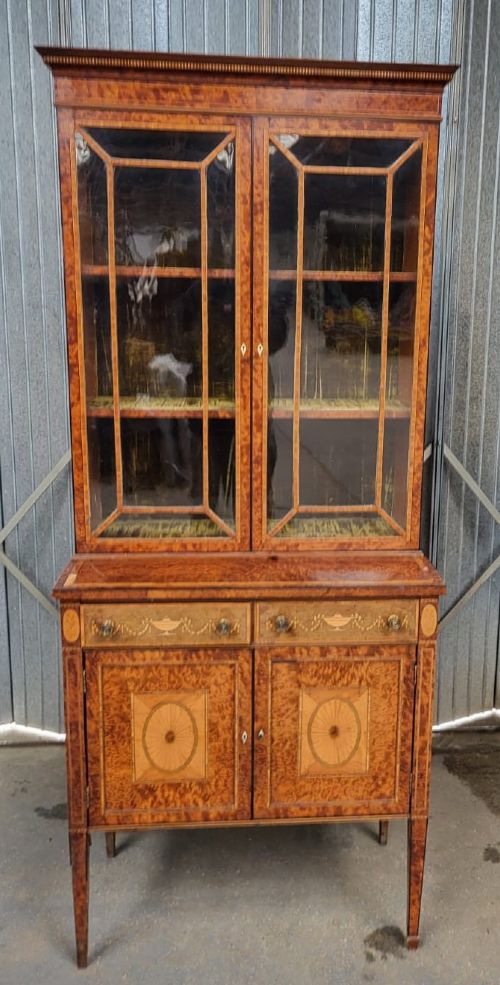
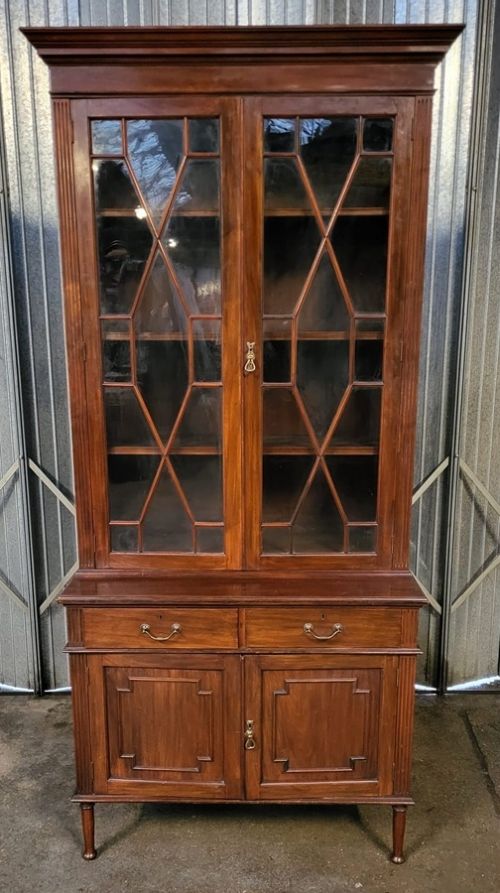
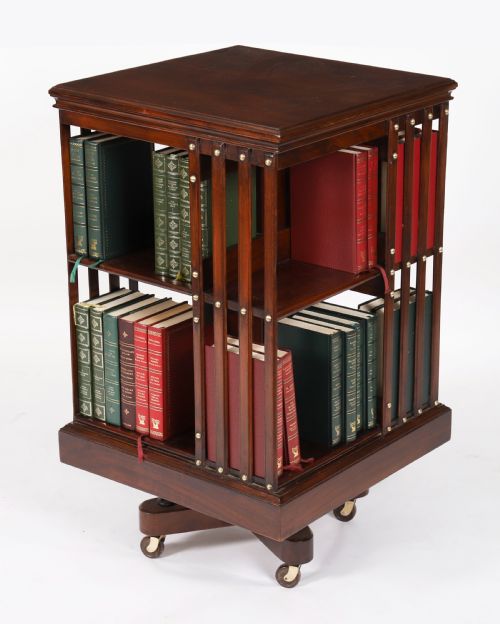
When you search for an antique maple bookcase, you meet pieces ranging from compact open shelves and revolving designs to tall glazed display cabinets and bureau bookcases. These items appear across the Victorian, Edwardian, and later twentieth-century periods, often utilising birds eye maple alongside more conventional timbers.
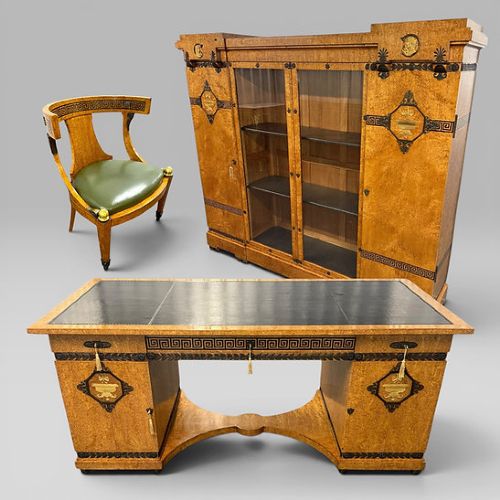
The selection includes specialised office sets, breakfront library pieces, and smaller cabinet combinations. Makers and workshops constructed these furniture items for domestic studies, libraries, and drawing rooms, utilising distinctive wood selections.
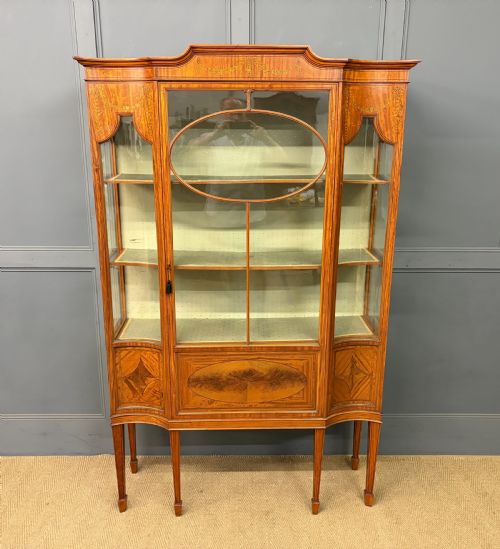
Victorian and Edwardian examples predominate, frequently incorporating glass doors, brass fittings, and marquetry or inlaid details. Buyers encounter both open variants suited for daily reading access and enclosed cabinets designed to protect fine volumes.
Evaluating Craftsmanship and Timber Selection
Quality rests primarily on the choice of timber figure, where tightly patterned birds eye maple or rich burr maple commands greater attention than plain wood. The crispness of inlaid satinwood, marquetry, and brass ormolu mounts further distinguishes finer examples from simpler utilitarian furniture.
Structural integrity depends on the precision of the joinery in large breakfront and revolving formats, ensuring smooth operation of doors and rotating mechanisms. The presence of original glass panels and intact leather inserts adds to the integrity of the piece.
Sir Charles Barry designed a mid-nineteenth-century birds eye maple bookcase specifically for Kiddington Hall in Oxfordshire.
Maple & Co.·Mercier Frères
The Antique Maple Bookcase Glossary
- Birds Eye Maple
- A figure in maple wood resembling tiny swirling eyes caused by local depressions in the growing rings. This figuring appears frequently in nineteenth-century decorative cabinetry.
- Secretaire Bookcase
- A combination bookcase featuring a pull-down writing drawer that conceals small pigeonholes and compartments. It merges a desk with traditional bookshelf storage.
- Revolving Bookcase
- A freestanding tabletop or floor-standing bookcase designed to turn on a central spindle for easy book access. These are common in late Victorian and Edwardian iterations.
- Marquetry
- Decorative veneer patterns formed by fitting together small pieces of different coloured woods. Craftsmen applied this technique to cabinet doors and friezes.
- Ormolu
- Gilded bronze mounts and ornaments applied to furniture pieces during the nineteenth century. It adds a metallic highlight to timber surfaces.
Antique Maple Bookcase: Frequently Asked Questions
How do I date an antique maple bookcase?
Dating relies on stylistic clues, construction methods, and materials recorded within the piece. Victorian items often display heavier proportions and rich marquetry, whereas Edwardian examples lean towards lighter satinwood inlays and neoclassical revival forms.
Examining the secondary woods, hardware styles, and interior fittings helps narrow down the decade of production between the mid-nineteenth and early twentieth centuries.
What is birds eye maple?
Birds eye maple is a distinct decorative wood grain featuring small, circular markings that look like tiny eyes. This pattern occurs naturally in sugar maple trees and is prized for its mottled appearance.
Cabinetmakers used it as a veneer on statement cabinets and bookcases to create visual contrast against darker borders.
Are revolving bookcases sturdy?
Revolving bookcases utilise a central pivot mechanism that allows the entire unit to turn smoothly while holding heavy volumes. Period examples were engineered with robust internal timber crosses to maintain balance.
While they hold substantial weight, placing heavier books on the lower tiers ensures steady rotation during daily use.
How should I care for maple furniture?
Maple furniture requires placement away from direct sunlight and steady heat sources to prevent timber shrinkage and veneer lifting. Regular dusting with a soft, dry cloth preserves the polished surface.
Occasional application of appropriate wax feeds the wood without building up a heavy residue over the delicate grain.