



Victorian Inlaid Wardrobe
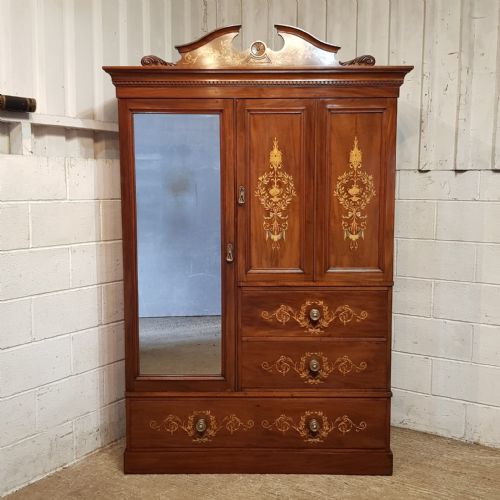
A victorian inlaid wardrobe brings substantial timber, meticulous marquetry, and grand scale to a bedroom.
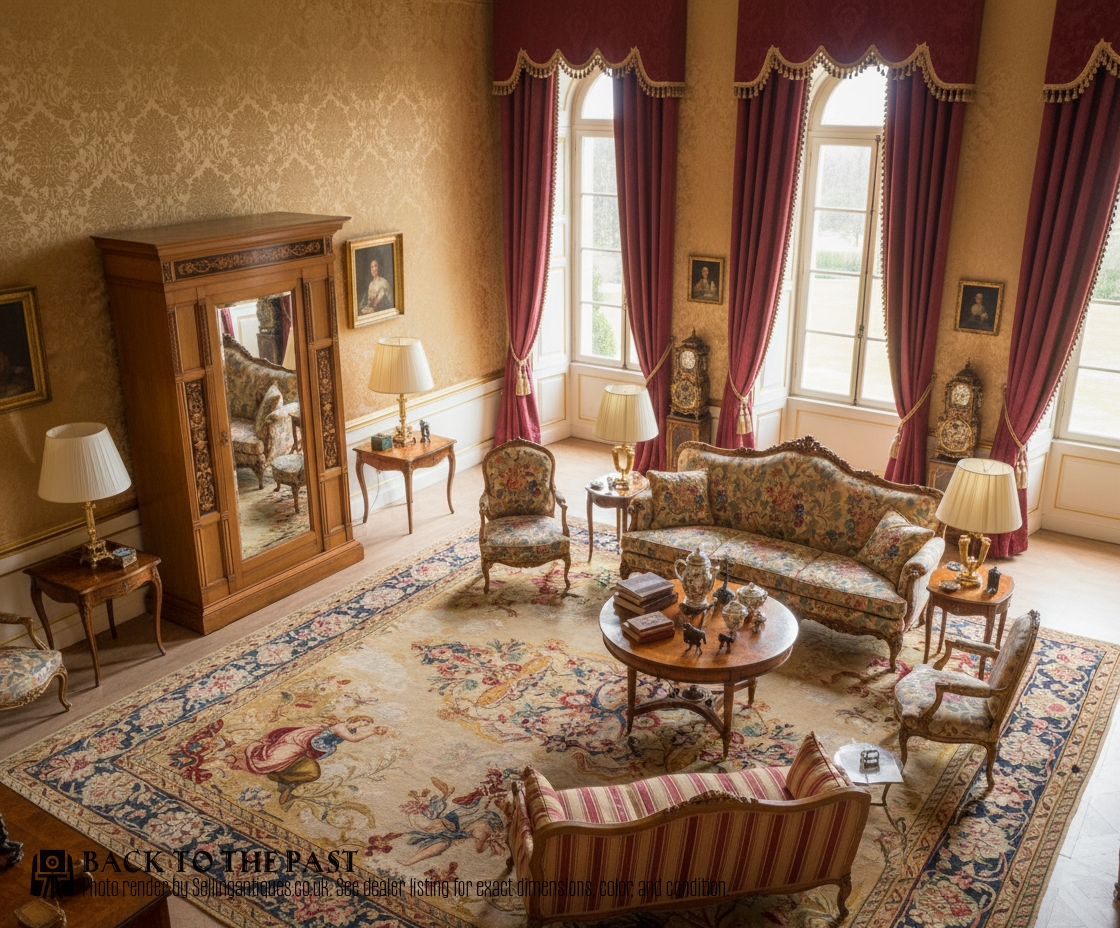
Victorian Inlaid Wardrobe
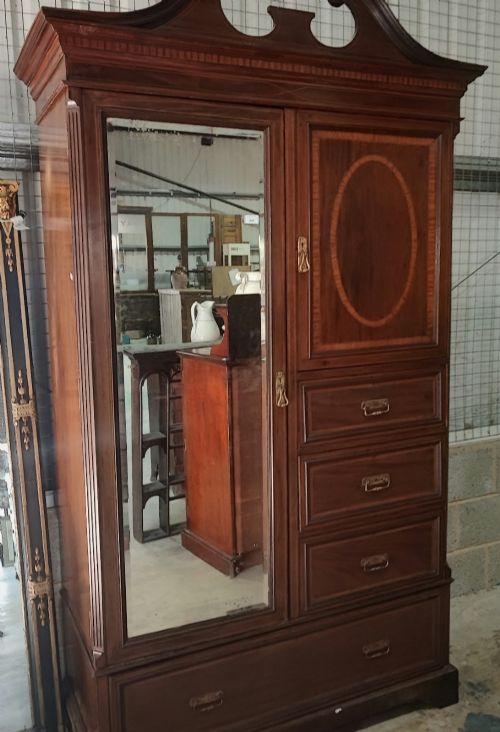
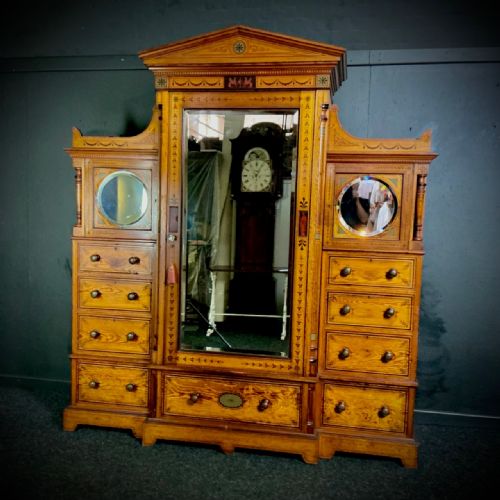
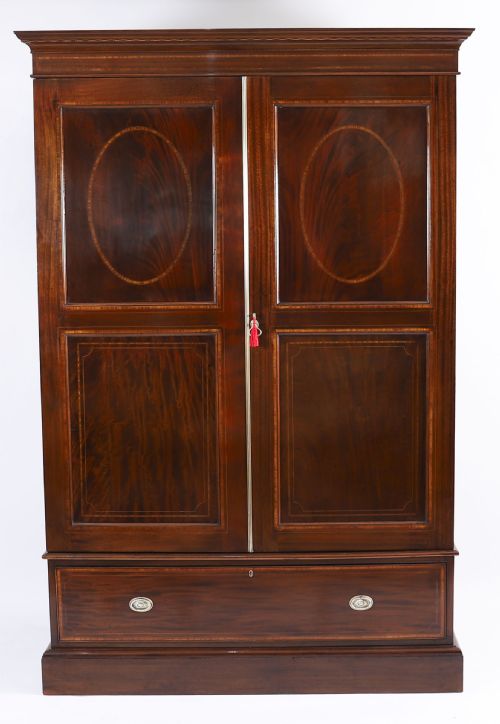
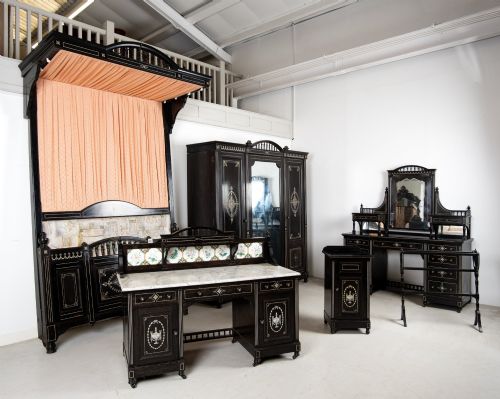
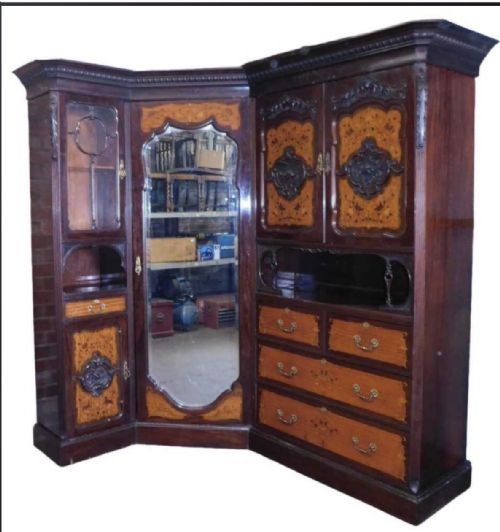
A victorian inlaid wardrobe satisfies the demand for imposing bedroom storage configured as double or triple doors, compactums, and breakfronts.
Most examples appear in mahogany, walnut, or rosewood, often enhanced by contrasting satinwood inlay.
Pieces span the nineteenth century into the Edwardian era, incorporating styles from Sheraton Revival to Arts and Crafts.
Quality Variations
The sophistication of the marquetry and the depth of the timber figuring separate standard furniture from premier cabinet work.
Complex configurations like compactums and breakfronts with fitted interiors demonstrate superior craftsmanship compared to basic double wardrobes.
Victorian Inlaid Wardrobe Retail Price Guide 2026
Typical asking prices for victorian inlaid wardrobe among the pieces listed under this phrase on Sellingantiques today, from the lower quarter to the upper quarter. They describe what is for sale here now, not the wider market.
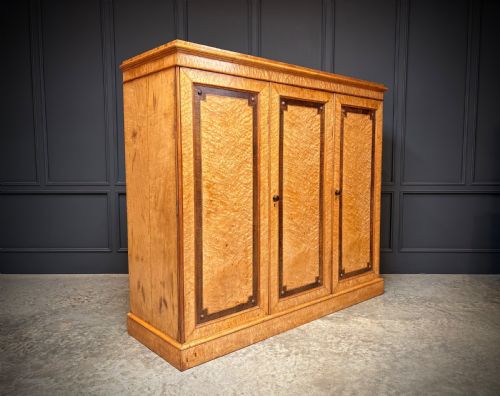
Materials span traditional mahogany and walnut alongside regional pitch pine and ash.
Edwards and Roberts·Gillows of Lancaster·James Shoolbred·Maples and Co·Warings·S.H Jewell
The Victorian Inlaid Wardrobe Glossary
- Compactum
- A multi-section wardrobe combining hanging space, drawers, and linen shelves in one unit. This multi-functional layout provides extensive storage within a single footprint.
- Marquetry
- Decorative patterns formed by fitting together small pieces of veneered wood. Craftsmen use various coloured timbers to create intricate floral or geometric designs.
- Breakfront
- A piece of furniture where the central section projects forward from the side wings. This architectural arrangement adds depth and visual interest to large wardrobes.
Victorian Inlaid Wardrobe: Frequently Asked Questions
What is a compactum wardrobe?
A compactum is a multi-compartment piece designed to hold various types of clothing in one organised footprint. It typically integrates hanging rails, sliding linen trays, and small drawers behind its doors.
These units offer specialised storage that goes beyond a standard hanging wardrobe. They suit bedrooms requiring high organizational capacity without multiple furniture items.
What timbers were used for these wardrobes?
Cabinet makers predominantly utilised mahogany, walnut, and rosewood for external surfaces and visible panels. Secondary woods like oak and pitch pine provided structural strength for carcasses and internal shelving.
Satinwood frequently appeared in contrasting stringing and inlay details. Lighter woods like ash also feature in specific regional or movement-led pieces.
Will a large wardrobe dismantle for moving?
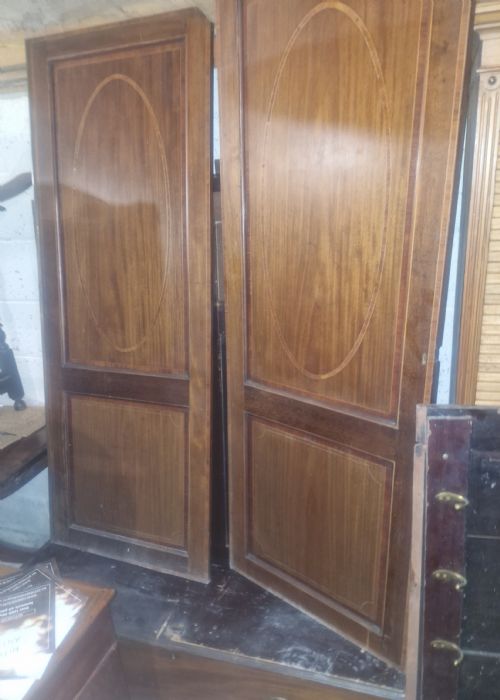
Nineteenth-century wardrobes of substantial scale were almost universally constructed to dismantle into manageable components. The cornice, base, side panels, and central carcass typically separate to ease transport and installation.
Bolts, dowels, and tongue-and-groove joints secure the sections together without permanent fixings. This modular construction remains essential for moving large pieces through domestic doorways.